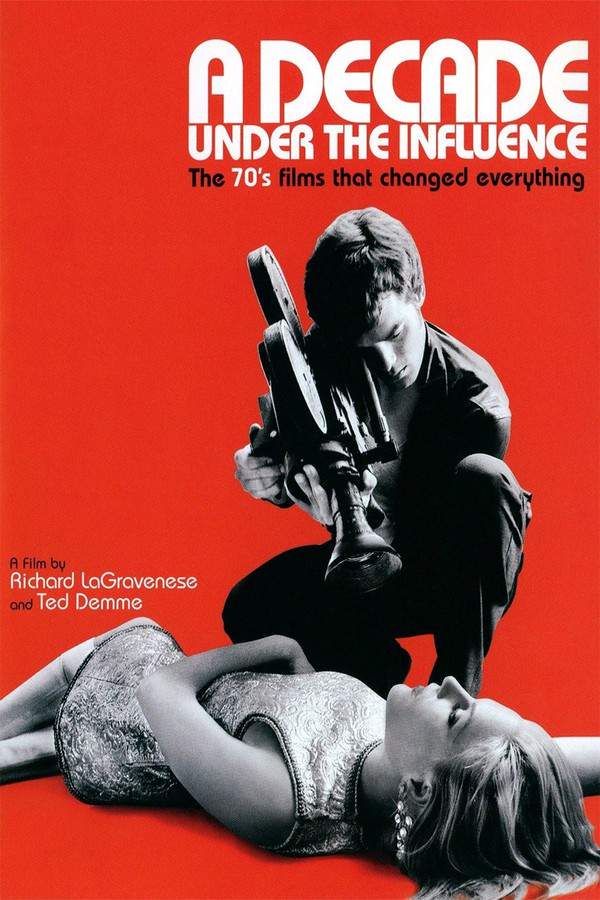
A Decade Under the Influence 2003


A Decade Under the Influence Plot Summary
Read the complete plot summary and ending explained for A Decade Under the Influence (2003). From turning points to emotional moments, uncover what really happened and why it matters.
A fascinating compilation of interviews and selected clips from films that emerged as a counter-movement to the dominant studio productions of the late sixties and early seventies, this documentary, directed by Ted Demme, serves as a heartfelt homage to that unique cinematic period. Although it offers a glimpse into the impactful creations of the era, it occasionally overlooks some of the true masterpieces that defined it.
The documentary showcases how directors of the time were deeply influenced by greats like Truffaut, Antonioni, Fellini, Bergman, and notably, John Cassavetes. Despite its significant content, the film, with its 138-minute runtime, feels almost fleeting, leaving viewers wanting more.
In rich interviews, renowned filmmakers share their insights, featuring voices like Martin Scorsese, Francis Coppola, Robert Altman, and others such as Ellen Burstyn, Roger Corman, Bruce Dern, Sydney Pollack, Dennis Hopper, and Jon Voight. Notably, Bruce Dern makes a striking observation about himself and Jack Nicholson, reflecting that while they might not have matched the conventional looks of past stars, they certainly were “interesting,” which embodies the spirit of the filmmaking movement during this pivotal time.
Filmmakers faced significant challenges, notably from studios that were hesitant to fund projects that presented nontraditional views on politics, sex, drugs, and social issues, as well as the complex reality of America’s role in the Vietnam War. In an illuminating segment, Francis Coppola reflects on how his training under Roger Corman allowed him to create The Conversation, which ultimately garnered the necessary backing from producers aware of his ability to craft compelling films without excessive budgets.
The documentary also features insights from Jon Voight, who reminisces about working under Hal Ashby in Coming Home, a poignant anti-war narrative chronicling a wounded soldier’s reintegration into society. Voight discusses an incident during a rehearsal that unexpectedly led to a powerful scene in the film, illustrating how authenticity often arises from spontaneity rather than strict preparation.
Alongside these illuminating interviews, there are compelling excerpts from Al Pacino’s breakout role in The Panic in Needle Park, as well as discussions from Dennis Hopper on the making of Easy Rider and reflections from Sydney Pollack on his approach to storytelling in film.
This documentary stands as a valuable resource for any film enthusiast eager to understand the essence of the new voices in cinema during the seventies, shedding light on how contemporary independent filmmakers owe much to the trailblazing works of figures like John Cassavetes, Milos Forman, William Friedkin, and Roger Corman.
A Decade Under the Influence Timeline
Follow the complete movie timeline of A Decade Under the Influence (2003) with every major event in chronological order. Great for understanding complex plots and story progression.
Introduction to the Documentary
The documentary begins by presenting itself as a compilation of interviews and selected clips that celebrate a unique cinematic period. It introduces the counter-movement to mainstream studio productions of the late sixties and early seventies.
Influence of Renowned Directors
The film delves into how directors during this transformative period were deeply influenced by cinematic greats such as Truffaut, Antonioni, and Fellini. This influence is critical to understanding the evolution of film narratives and styles that emerged in this era.
Insight from Filmmakers
Renowned filmmakers including Martin Scorsese and Francis Coppola share their insights and experiences from the period. Their voices provide context and depth to the narrative of how independent cinema began to flourish against the backdrop of traditional Hollywood.
Bruce Dern's Reflection
Bruce Dern makes a notable observation about the unconventional looks of actors like himself and Jack Nicholson. He captures the essence of this filmmaking movement by emphasizing their 'interesting' presence rather than conforming to traditional beauty standards.
Challenges Faced by Filmmakers
Filmmakers of this period faced significant challenges in gaining studio support for projects that explored nontraditional subjects. Topics such as politics, sex, drugs, and the realities of the Vietnam War were often met with resistance, showcasing the tension between art and commercial interests.
Coppola's Experience with Corman
Francis Coppola reflects on his training under Roger Corman, highlighting how it shaped his ability to create impactful films like *The Conversation*. He discusses the importance of producing compelling narratives without the necessity of vast financial resources.
Jon Voight's Recollections
Jon Voight shares his experiences working with Hal Ashby on *Coming Home*, an important anti-war film. He recounts an incident during rehearsal that led to a powerful moment in the film, illustrating the spontaneous nature of authentic filmmaking.
Al Pacino's Breakthrough Role
The documentary features potent excerpts from Al Pacino’s breakout performance in *The Panic in Needle Park*. This highlights the raw and gritty storytelling that characterized independent films during the era.
Dennis Hopper on *Easy Rider*
Dennis Hopper discusses the making of *Easy Rider*, a film that epitomized the rebellious spirit of the time. He shares insights into the creative process that allowed the film to resonate with audiences seeking a departure from conventional cinema.
Sydney Pollack's Storytelling Approach
Sydney Pollack offers his perspective on storytelling in film, reflecting on the narrative techniques that set new voices apart from traditional filmmaking. His approach emphasizes the emotional depth and authenticity that characterizes this innovative period.
Legacy of John Cassavetes
The documentary pays tribute to John Cassavetes, who is often considered a pioneer of independent cinema. His experimental approach and commitment to character-driven storytelling greatly influenced subsequent generations of filmmakers.
Milestones of the Era
The film briefly showcases important works from filmmakers like Milos Forman and William Friedkin. These milestones highlight how independent cinema began to gain recognition and reshape the landscape of American film.
Conclusion of the Documentary
As the documentary wraps up, it serves as a valuable resource for film enthusiasts. It underscores the importance of this cinematic period in shaping modern independent filmmaking and acknowledges the foundations laid by its influential figures.
Reflection on the Impact
The documentary leaves viewers with a sense of longing for more discussion surrounding the era's masterpieces. It reinforces the idea that while many films are remembered, countless impactful works deserve recognition.
A Decade Under the Influence Characters
Explore all characters from A Decade Under the Influence (2003). Get detailed profiles with their roles, arcs, and key relationships explained.
John Cassavetes
John Cassavetes is presented as a pivotal figure in the shift towards independent cinema. Known for his groundbreaking approach to storytelling, he played a crucial role in inspiring a generation of filmmakers to prioritize authenticity and character-driven narratives.
Martin Scorsese
Martin Scorsese, featured in the documentary, is a legendary director whose insights on the era enrich the narrative. He embodies the spirit of innovative filmmaking that defined the time and continues to influence modern cinema.
Francis Coppola
Francis Coppola is recognized for his contributions to the artistic landscape of cinema during this transformative period. His reflections provide valuable context on the challenges faced by filmmakers, as well as the importance of creative independence.
A Decade Under the Influence Settings
Learn where and when A Decade Under the Influence (2003) takes place. Explore the film’s settings, era, and how they shape the narrative.
Time period
1960s to 1970s
The film takes place during the transformative era of the late sixties and early seventies, a time characterized by cultural upheaval and artistic exploration. This period is known for significant social and political movements, including the counterculture movement and reactions to the Vietnam War, which greatly influenced the themes and narratives explored in cinema.
Location
United States
The United States serves as the backdrop for the documentary 'A Decade Under the Influence', highlighting the emergence of independent filmmaking in the face of mainstream studio resistance. This period is marked by a rich cultural landscape where new voices and innovative storytelling began to redefine the cinematic experience.
A Decade Under the Influence Themes
Discover the main themes in A Decade Under the Influence (2003). Analyze the deeper meanings, emotional layers, and social commentary behind the film.
🎬
Cinematic Revolution
The documentary emphasizes the revolutionary shift in filmmaking that arose during the late sixties and early seventies. It showcases how directors challenged conventional storytelling and explored themes like politics, sex, and social issues, laying the groundwork for modern independent cinema.
✊
Counterculture
The film delves into the impact of the counterculture movement on cinema, illustrating how filmmakers drew inspiration from societal changes and pushed boundaries. This theme underscores the desire for authenticity and representation in art during a time of great social turbulence.
🕊️
Anti-War Sentiment
Amid the backdrop of the Vietnam War, the documentary highlights the poignant narratives created by filmmakers that addressed the complexities of war and its effect on society. Films like 'Coming Home' portray the struggles of returning soldiers, reflecting the broader anti-war sentiment of the time.

Coming soon on iOS and Android
The Plot Explained Mobile App
From blockbusters to hidden gems — dive into movie stories anytime, anywhere. Save your favorites, discover plots faster, and never miss a twist again.
Sign up to be the first to know when we launch. Your email stays private — always.
Explore the mobile appA Decade Under the Influence Spoiler-Free Summary
Discover the spoiler-free summary of A Decade Under the Influence (2003). Get a concise overview without any spoilers.
The documentary weaves together rare interviews and vivid film excerpts to paint a portrait of a restless, transformative moment in American cinema. Set against the backdrop of the late 1960s and early 1970s, it follows a generation of filmmakers who abandoned polished studio formulas in favor of daring, low‑budget experiments. Their work crackles with the energy of a cultural revolution, demanding that viewers feel the pulse of an era when art and rebellion collided on celluloid.
Hollywood’s towering studios loom large, yet they are portrayed as hesitant gatekeepers wary of projects that probe politics, sex, drugs, and the uneasy truths of the Vietnam war. The film’s tone balances reverent admiration with an almost tactile sense of the gritty, improvisational spirit that defined the period. Influences from European masters—Truffaut, Antonioni, Fellini, Bergman—and especially the unflinching realism of John Cassavetes echo through the stories, underscoring a global conversation that reshaped the language of film.
Voices from the heart of the movement guide the viewer through this landscape. Martin Scorsese reflects on the raw honesty that defined his early work, while Francis Coppola recalls lessons learned under Roger Corman that enabled him to craft a film like The Conversation on a shoestring budget. Robert Altman shares his fascination with ensemble storytelling, and Ellen Burstyn speaks of the personal risks artists took to capture truth. Roger Corman, Bruce Dern, Sydney Pollack, Dennis Hopper, Jon Voight, and a young Al Pacino each add their own anecdotes, illustrating how spontaneity often trumped meticulous planning in pursuit of authenticity.
The result is a richly textured homage that feels both a historical archive and a lively conversation. By immersing the audience in the sights, sounds, and philosophies of this seminal decade, the documentary invites anyone passionate about film to discover the daring spirit that still reverberates through today’s independent cinema.
Movies with Similar Twists and Themes
Uncover films that echo the narrative beats, emotional arcs, or dramatic twists of the one you're exploring. These recommendations are handpicked based on story depth, thematic resonance, and spoiler-worthy moments — perfect for fans who crave more of the same intrigue.
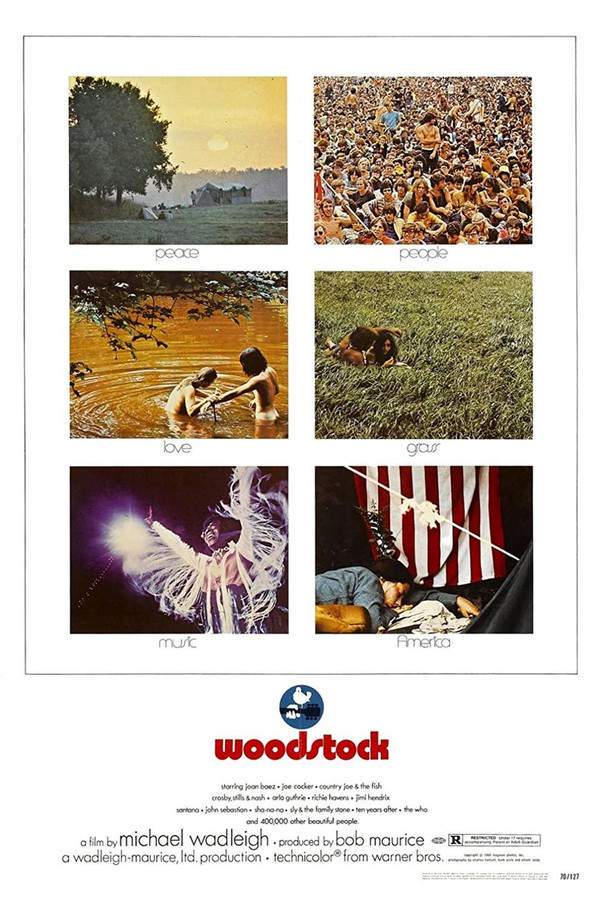
Featured on this page

What's After the Movie?
Not sure whether to stay after the credits? Find out!
Check out our other apps:

SAT Sphere
Build confidence for the Digital SAT.

Mori Atlas
Discover wild places worth protecting.

Luntero
Search smarter for a home in Amsterdam.

Plot Explained
Unravel movie endings and hidden clues.

Pokechamp
Dive into Pokémon data and battle logic.

Driving Theory
Get ready for your European theory test.

Movie Dust
Plan your next cinema trip with ease.

Musemap
Find art and culture as you travel.

Selkobase
Compare credentials before committing.

Local Manual
Turn an unfamiliar country into practical next steps.

Lernavi
Compare school systems before your next move.

GymRoam
Find a workout stop wherever your plans take you.
Explore Our Movie Platform
New Movie Releases (2026)
Famous Movie Actors
Top Film Production Studios
Movie Plot Summaries & Endings
Major Movie Awards & Winners
Best Concert Films & Music Documentaries
Movie Collections and Curated Lists
© 2026 What's After the Movie. All rights reserved.
Privacy Policy