
A Chaos of Flowers 1988

Directed by
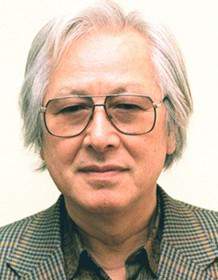
Kinji Fukasaku
Made by
Toei Company
A Chaos of Flowers Plot Summary
Read the complete plot summary and ending explained for A Chaos of Flowers (1988). From turning points to emotional moments, uncover what really happened and why it matters.
Akiko Yosano Sayuri Yoshinaga leaves her parents to move to Tokyo and be with the writer Hiroshi Yosano, and soon the two marry. Yet the marriage invites intense gossip: some people accuse Akiko of driving Hiroshi’s wife away, and the scandal shadows their new life. Akiko’s own poetry becomes a point of contention, and many Japanese citizens begin to see her as a traitor, even going so far as to set fire to her house. Amid these pressures, Hiroshi Yosano struggles financially, trying to keep the literary magazine Bright Star in circulation as best as he can.
After a night at the opera, Akiko is knocked over by a motorcycle steered by the author Takeo Arishima Yûsaku Matsuda. He offers her a Western outfit as an apology, but she returns it to him at his home. The editor Akiko Hatano [Kimiko Ikegami] pressures Arishima to contribute an essay about suicide for her publication, though he is reluctant to do so.
Hiroshi runs for election to the House of Representatives, funded by the uncle of Tomiko Yamakawa [Yoshiko Nakada], Akiko’s former romantic rival. Akiko makes sharp, negative comments about the campaign, and Hiroshi eventually loses, yet she decides to stay by Tomiko’s side as she recovers from tuberculosis. The world around them grows darker: the actress Sumiko hangs herself after her lover Hogetsu Shimamura takes his own life. At the memorial, Arishima asks Akiko to accompany him to his father’s farm at the foot of Mount Yōtei in Hokkaido. Akiko tells her children she will return by Sunday, but the trip lengthens.
In Hokkaido, Arishima is briefly arrested for holding a socialist meeting with farmers. Tomiko dies, and Hiroshi returns home. Akiko comes back from the north days later, only to discover her children have begun to resent her for what they perceive as selfish behavior. Arishima and Akiko Hatano ultimately decide to end their lives together, but they hesitate at the last moment, until Akiko’s husband intervenes, threatening to sue for adultery. The two lovers are finally found embracing at Arishima’s home, alive but in danger of consequences.
The Great Kantō earthquake soon devastates the Yasano home, and Akiko learns that friends Sakae Osugi and Noe Itou—two anarchists she had come to know—have been executed by the police. Seeing their jailed comrades dragged behind mounted police, she rushes to offer them rice balls and urges them to keep living. With renewed resolve, Akiko and Hiroshi commit to rebuilding their life together, choosing to press on despite the losses and the cost of the years they have shared. In the face of tragedy and upheaval, they persist, hoping to preserve what remains of their home and their ideals.
A Chaos of Flowers Timeline
Follow the complete movie timeline of A Chaos of Flowers (1988) with every major event in chronological order. Great for understanding complex plots and story progression.
Akiko moves to Tokyo and marries Hiroshi
One month after they fall in love, Akiko leaves her parents to move to Tokyo to be with Hiroshi. They marry, but gossip swirls that she drove Hiroshi's wife away. The scandal erupts as Hiroshi's magazine Bright Star struggles financially.
Opera meeting with Takeo Arishima
After attending the opera, Akiko is knocked over by a motorcycle driven by the author Takeo Arishima. He sends her a Western outfit as an apology gift, but she returns it to him. The encounter plants a cautious curiosity about him that will follow them.
Editor pressures Arishima to write about suicide
The editor Akiko Hatano pressures Arishima to provide an essay about suicide for her publication, but he is reluctant to do so. He worries about the ethical and social consequences of such topics. Akiko's editorial demands add tension to their working relationship.
Hiroshi runs for office and loses
Hiroshi launches a bid for the House of Representatives, funded by Tomiko Yamakawa's uncle, Akiko's former rival. Akiko makes negative statements about the campaign, straining their marriage. Although Hiroshi loses, he chooses to stay with Tomiko while she recovers from tuberculosis.
Sumiko and Hogetsu's suicides
The actress Sumiko hangs herself after her lover Hogetsu commits suicide, revealing the era's deep despair. The tragedies reverberate through their circle and foreshadow further sorrow. A memorial service soon follows, intensifying the emotional stakes for Akiko and her circle.
Trip to Hokkaido planned after memorial service
At the memorial service, Arishima asks Akiko to accompany him to his father's farm at the foot of Mount Yōtei in Hokkaido. Akiko tells her children she will return by Sunday, signaling a temporary departure for the journey. The plan hints at a new chapter but complicates family loyalties.
Arishima arrested for socialist meeting
In Hokkaido, Arishima is briefly arrested for holding a socialist meeting with farmers. The arrest underscores the political tensions of the era and the risks of organizing. Akiko's alignment with him becomes a focal point of their shared fate.
Tomiko dies; Hiroshi returns home
Tomiko dies and Hiroshi returns home, leaving Akiko to confront the consequences of her choices. The family grapples with grief, political disappointment, and shifting loyalties. The household's stability fractures under mounting strain.
Akiko returns from Hokkaido to a fractured home
Akiko returns home from Hokkaido days later, and her children grow to hate her for what they see as selfish actions. The rift within the family deepens as blame and resentment fester. She faces the emotional cost of her pursuit of personal and artistic visions.
Abortive suicide and tense confrontation
Arishima and the editor Akiko Hatano decide to commit suicide together, but they stop themselves at the last moment. They are caught in an embrace by Akiko's husband, who threatens to sue for adultery. The fragile entanglement of their relationships collapses into a precarious stalemate.
Earthquake and executions shock Akiko
After the 1923 Great Kantō earthquake destroys the Yasano home, Akiko reads that anarchists Sakae Osugi and Noe Itou have been executed by the police. She witnesses two anarchist friends dragged by mounted police, and she rushes to offer them rice balls and encouragement to live on. The atrocity galvanizes her resolve to endure and rebuild.
A vow to rebuild together
Akiko and Hiroshi commit themselves to living on and rebuilding their home, reaffirming their bond and shared purpose despite the years of turmoil. The decision marks a hopeful turn as they face an uncertain, but resolute, future together.
A Chaos of Flowers Characters
Explore all characters from A Chaos of Flowers (1988). Get detailed profiles with their roles, arcs, and key relationships explained.
Akiko Yosano
Renowned poet Akiko Yosano moves to Tokyo to be with her husband and becomes a central figure in a circle of writers. She confronts gossip, motherhood, and the heavy demands of public opinion with unwavering creative integrity. Her resilience highlights the tension between private life and artistic voice.
Hiroshi Yosano
A writer whose magazine Bright Star supports a new wave of Japanese literature, he struggles financially and faces the strain of public image. He navigates a difficult balance between ambition, partnership, and the realities of a life under scrutiny. His relationship with Akiko tests loyalty and understanding.
Takeo Arishima
Takeo Arishima is a provocative writer involved in socialist circles, courting controversy with his candid essays. He inspires and challenges Akiko and other journalists, while facing social and legal pressures for his views. His presence catalyzes debates about art, politics, and responsibility.
Noe Ito
Noe Ito is an anarchist activist whose radical beliefs puts her at odds with authorities. Her fate underscores the peril faced by activists during this era, and her friendship with Akiko highlights a deep sense of solidarity amid danger. She embodies revolutionary courage in a hostile environment.
Sakae Osugi
Sakae Osugi is a prominent anarchist who mingles with intellectuals and labor organizers. His radical ideas and networks illuminate the political ferment of the time, and his association with friends like Akiko anchors scenes of collective action and risk. His fate reflects the brutal crackdown on dissent.
Akiko Hatano
Editor Akiko Hatano pressures writers to address sensational or provocative topics, balancing editorial demands with personal ethical considerations. She embodies the power dynamics of the publishing world and shapes debates about suicide and societal expectations. Her guidance influences the trajectory of Akiko Yosano's public persona.
Tomiko Yamakawa
Tomiko Yamakawa is Akiko's former romantic rival who battles tuberculosis and later dies, underlining the era's fragile lives and intimate rivalries. Her experiences mirror the pressures women face within social spheres and the toll of public scrutiny. Her memory haunts the narrative as relationships shift.
A Chaos of Flowers Settings
Learn where and when A Chaos of Flowers (1988) takes place. Explore the film’s settings, era, and how they shape the narrative.
Time period
1920s
Set in the Taishō era of Japan, the film traces a decade of literary modernism, political agitation, and shifting social norms. It follows authors and editors navigating fame, poverty, and public scrutiny as they publish controversial ideas. The 1923 Great Kantō earthquake becomes a pivotal turning point, altering relationships and futures.
Location
Tokyo, Hokkaido (Foot of Mount Yōtei)
The story begins in Tokyo, where Akiko moves to be with her husband and begin a new life as a public figure. The action also takes readers to rural settings at the foot of Mount Yōtei in Hokkaido, where political meetings and personal choices unfold. A catastrophic event—the 1923 Great Kantō earthquake—shatters the characters' homes and forces them to confront loss and renewal.
A Chaos of Flowers Themes
Discover the main themes in A Chaos of Flowers (1988). Analyze the deeper meanings, emotional layers, and social commentary behind the film.
🗞️
Reputation
Social reputation drives the central conflict as rumors shape how others treat Akiko and those around her. Akiko is accused of driving away Hiroshi's wife, and gossip fans the flames of ostracism and even arson against her home. The film shows how a woman's public image can be weaponized to manage personal and political power. The consequences of gossip ripple through families, careers, and creative work.
💔
Love and Betrayal
Romance, loyalty, and power collide as Akiko navigates marriage, friendships, and rivalries. Personal love becomes entangled with public duty, including collaborations with Arishima and contentious editorial pressures. The suicides of Sumiko and Hogetsu highlight how passion can turn tragically destructive. Characters must weigh personal happiness against societal expectations.
🎨
Artistic Struggle
The pursuit of poetry, essays, and magazine circulation unfolds under economic hardship and political pressure. Akiko and her circle fight to publish Bright Star and to voice radical ideas, even at great personal risk. The narrative probes how art challenges tradition while paying a price in respect, safety, and popularity. The earthquake and upheaval intensify the stakes for writers and editors.

Coming soon on iOS and Android
The Plot Explained Mobile App
From blockbusters to hidden gems — dive into movie stories anytime, anywhere. Save your favorites, discover plots faster, and never miss a twist again.
Sign up to be the first to know when we launch. Your email stays private — always.
Explore the mobile appA Chaos of Flowers Spoiler-Free Summary
Discover the spoiler-free summary of A Chaos of Flowers (1988). Get a concise overview without any spoilers.
In the waning years of Japan’s Taishō era, the nation teeters between tradition and a fevered embrace of the new. The streets of Tokyo pulse with jazz, Western fashions, and the restless energy of cafés where poets, playwrights, and activists clash and collaborate. Against this backdrop of glamour and agitation, the film paints a world that feels both historically grounded and intoxicatingly avant‑garde, a domestic “hippie” moment where literary ambition intertwines with political yearning.
At the heart of the story is Akiko Yosano, a celebrated poet whose verses blaze with erotic confidence and an outspoken anti‑war pulse. Her work becomes a magnet for the era’s restless radicals, and her personal life mirrors the turbulence she articulates on the page. When she marries Hiroshi Yosano, a fellow writer striving to keep his daring literary magazine afloat, their partnership becomes a focal point for gossip, admiration, and the inevitable clash between public scrutiny and private devotion.
Surrounding them is a vivid circle of contemporaries: the charismatic author Takeo Arishima, the incisive editor Akiko Hatano, and Tomiko Yamakawa, a former confidante turned rival. Their interactions unfold amidst opera nights, sprawling salons, and the fleeting glamour of Western clothing, hinting at a shared desire to rewrite cultural norms while navigating the undercurrents of social expectation. The group’s lavish lifestyles and impassioned debates are underscored by an ever‑present sense that their brilliance may be as fragile as the era’s fragile peace.
The film’s tone balances lush visual poetry with a simmering tension, suggesting that the bright allure of artistic freedom is forever shadowed by the looming uncertainties of a nation on the brink of change. It invites the audience to linger in a world where love, literature, and rebellion coexist, leaving us to wonder how these dazzling lives will endure the inevitable storms that follow.
Movies with Similar Twists and Themes
Uncover films that echo the narrative beats, emotional arcs, or dramatic twists of the one you're exploring. These recommendations are handpicked based on story depth, thematic resonance, and spoiler-worthy moments — perfect for fans who crave more of the same intrigue.

Featured on this page

What's After the Movie?
Not sure whether to stay after the credits? Find out!
Check out our other apps:

SAT Sphere
Build confidence for the Digital SAT.

Mori Atlas
Discover wild places worth protecting.

Luntero
Search smarter for a home in Amsterdam.

Plot Explained
Unravel movie endings and hidden clues.

Pokechamp
Dive into Pokémon data and battle logic.

Driving Theory
Get ready for your European theory test.

Movie Dust
Plan your next cinema trip with ease.

Musemap
Find art and culture as you travel.

Selkobase
Compare credentials before committing.

Local Manual
Turn an unfamiliar country into practical next steps.

Lernavi
Compare school systems before your next move.

GymRoam
Find a workout stop wherever your plans take you.
Explore Our Movie Platform
New Movie Releases (2026)
Famous Movie Actors
Top Film Production Studios
Movie Plot Summaries & Endings
Major Movie Awards & Winners
Best Concert Films & Music Documentaries
Movie Collections and Curated Lists
© 2026 What's After the Movie. All rights reserved.
Privacy Policy