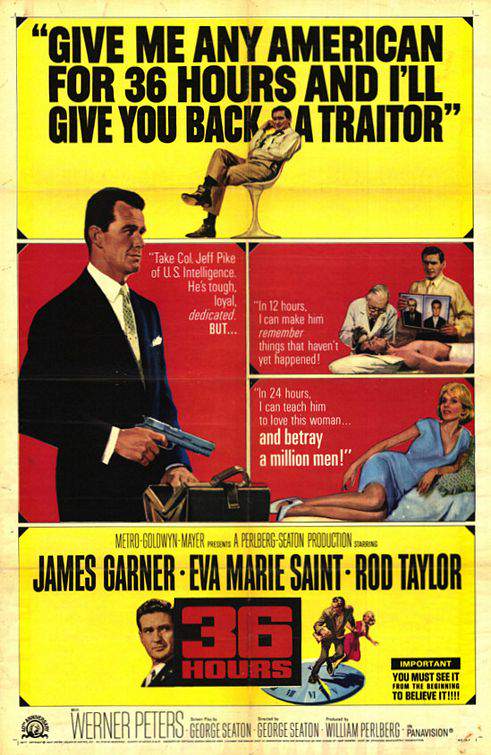
What Is 36 Hours to Kill About?
The premise of 36 Hours to Kill in 307 words, with nothing given away. The full story follows below.
In a quietly humming American landscape, two outsiders slip beneath the surface of ordinary life, adopting new names and routines that let them blend into a world that would otherwise spot them instantly. Their existence is a careful performance, a perpetual balancing act between anonymity and the lingering sense that every passerby could be a threat. The atmosphere feels like classic noir through a modern lens—shadows linger in daylight, and every smile might mask a hidden agenda.
Duke is the kind of man whose restless mind never stops cataloguing possibilities, and when he discovers that a forgotten sweepstakes ticket in his pocket holds a prize of $150,000, the seemingly mundane fact becomes a blazing beacon of hope. The windfall promises not just cash, but a chance to rewrite a life already scarred by past choices. Yet the money is tied to a single, ticking clock, and the very act of claiming it threatens to draw the long‑crouched forces that have hunted him for years.
Jeanie moves beside him with equal parts loyalty and wariness, her sharp instincts honed by years of evading capture. Their partnership, forged in desperation, is a delicate dance of trust and guarded secrets; each knows the other’s strengths and flaws, and both understand that any misstep could shatter the fragile illusion of safety they have built. Together they embody the tension between yearning for a fresh start and the inevitable pull of a past that refuses to stay buried.
The film settles into a tone of breath‑held suspense, where every decision feels weighted and every horizon hints at both salvation and danger. The promise of a life unchained by a sudden windfall sets the stage for a high‑stakes race against time, inviting the audience to wonder whether freedom will be seized or whether the shadows that have followed them will finally catch up.
What Happens in 36 Hours to Kill?
The complete story of 36 Hours to Kill, from the first scene to the last, in 708 words (about 3 minutes). Spoilers throughout. Names in the text link to 2 cast member pages.
Spoilers ahead
Duke and Jeanie Benson, a notorious outlaw couple, are hiding under false identities in a quiet suburban town. Their lives take a turn when Duke reads a newspaper story about a sweepstakes winner who has yet to claim his prize, revealing that Duke himself holds the winning ticket worth $150,000. Realizing his potential to escape his life of crime, Duke becomes determined to claim the jackpot, but he must do so without getting caught by the authorities. Eager for a change, Duke decides to hop on a train heading towards Kansas City, the city where he originally purchased the ticket, while Jeanie plans to fly there with a third person who will claim the winnings on their behalf.
At the train station, Frank Evers, a reporter played by Brian Donlevy, boards the train and immediately crosses paths with Duke, sensing an opportunity for a story. Later, in San Bernardino, another passenger, Anne Marvis, portrayed by Gloria Stuart, boards the train. When she notices the door to Duke’s private car left open, she discreetly hides in his bed, setting the stage for potential complications. Both Duke and Frank find themselves attracted to Anne, creating a complex web of relationships on the journey.
Jeanie, suspecting that Duke’s intentions might be more than innocent, boards the train after her plane is grounded, and she quickly becomes suspicious of the growing closeness between Duke and Anne. She pulls a gun, fearing an affair, but Duke eases her worries by claiming that Frank is Anne’s husband, a lie they all participate in to keep the peace. From that point, Frank and Duke, who is actually a G-man, listen through a hidden device to the train conductor’s room, gathering intelligence on the couple’s plans. They learn that Jeanie plans to leave Albuquerque by plane and head to Kansas City, where all their plans are set in motion.
Throughout the journey, Duke attempts to flirt with Anne, but she rebuffs him, revealing herself to be more than just a fellow traveler—she’s a Los Angeles-based newspaper reporter subpoenaed to testify before a grand jury about a political scandal she uncovered. Her revelation surprises Duke, who is trying to navigate his criminal plans. Frank, still undercover, confronts Anne about her true role, only for her to assert her identity and her commitment to the truth.
As the train continues westward, complications intensify. In Topeka, a porter inadvertently finds the listening device planted in Duke’s room, leading to a scuffle where Duke hits the conductor. Meanwhile, Anne receives a message indicating it’s safe for her to return to Los Angeles and disembarks from the train. Duke, spotting Frank in pursuit, quickly enters a taxi with Anne to hide from the authorities, heading to a sanitarium where Duke’s wife Jeanie is waiting.
At the sanitarium, Jeanie is upset to see Duke with Anne, but their tense reunion is interrupted when they learn that the true lottery winner has already claimed the prize. Duke, desperate to claim his share, sends his lawyer Rickert to challenge the official claim. While Rickert is away, Duke attempts to convince Anne to leave with him after he secures the winnings. She initially agrees, but Duke secretly locks her in her room, planning to escape alone. Jeanie, showing her loyalty, helps Anne by opening her room’s shutters, allowing her to escape. Anne manages to hitch a ride on a truck, only to discover that the driver is part of Duke’s gang who returns her to the sanitarium.
The situation escalates when Duke, realizing Jeanie’s involvement, physically assaults her. Frank, disguised as an insurance agent, arrives to support Rickert but arrests the gang as violence erupts. In a final confrontation, Duke pulls out a gun, shoots Frank as police arrive, and tries to take Anne with him. However, Jeanie, in a moment of heroism, shoots Duke, ending his reign of crime. She then breaks down crying over his body, thankful that Anne and the others are safe. The police capture the gang, and Anne, relieved, finds herself free alongside Frank, with the two of them riding the train once more—this time as a married couple, ready to face whatever comes next.
“You can’t run away from your past, but you can make choices about your future.”
36 Hours to Kill Timeline: Every Key Event in Order
11 key events in the order they happen, from “Discovering the Winning Ticket” to “Ending — Frank and Anne Return”.
- 1
Discovering the Winning Ticket
Duke and Jeanie Benson, a criminal couple hiding in a suburban community, learn from a newspaper that a sweepstakes winner has yet to claim his prize. Duke realizes he is the winner of $150,000 with his own ticket and decides to claim it discreetly to avoid arrest. This revelation sets the plan in motion for their escape and potential payout.
- 2
Duke Leaves for Kansas City
Duke decides to leave for Kansas City, where he purchased the winning ticket, hoping to claim the prize. He boards a train, intent on reaching the city without attracting suspicion, while Jeanie plans to fly there and have a third party claim the winnings. Their escape plans are underway as they move toward their goal.
- 3
Meeting on the Train
At the train station, reporter Frank Evers boards the train and meets Duke. Also, Anne Marvis joins at San Bernardino, where she hides in Duke's room after finding the door open. The train becomes a setting for the developing relationships and unfolding suspicions among characters.
- 4
Jeanie's Suspicion and Confrontation
Jeanie boards the train after her plane is grounded and suspects Duke's involvement with Anne, believing they are having an affair. She draws a gun, but Duke calms her fears by claiming Anne is her husband Frank, leading to a tense deception among the characters.
- 5
Surveillance and Interception
Frank and the train conductor listen through a hidden device to Duke and Jeanie's arguments about their plans in Kansas City. Frank, a G-man, hopes to capture the gang while preventing Duke's arrest, keeping close tabs on the couple's movements.
- 6
Jeanie Disembarks for Kansas City
Jeanie leaves the train at Albuquerque to fly to Kansas City. Meanwhile, Duke tries to flirt with Anne but is rejected. Their interactions reveal underlying tensions and the complexity of their relationships amidst the chase.
- 7
Revelation of Anne's True Identity
Anne discloses she is a Los Angeles reporter subpoenaed for her investigative work on a political scandal. She is working undercover and is caught between her professional integrity and her personal interactions with Duke and Frank.
- 8
Duke's Attempt to Dispute the Prize Claim
Duke learns that another man has claimed the lottery prize. He sends his lawyer Rickert to dispute the claim with the insurance company handling the contest, attempting to secure the money for himself in a plot to evade the law.
- 9
Anne's Escape and Duke’s Capture
While Duke plans to leave with Anne after collecting the money, she attempts to escape from the sanitarium to avoid being manipulated. Jeanie helps her, but Duke's gang traps her again, leading to a confrontation as Duke tries to take the money.
- 10
Climactic Shooting and Resolution
In a final confrontation, Duke shoots Frank after agents arrive, and Jeanie shoots Duke when he is about to escape with Anne. Duke is fatally wounded, and Jeanie mourns his death. The gang is captured, and Anne is relieved that Frank is only wounded.
- 11
Ending — Frank and Anne Return
Frank and Anne, now a married couple, ride the train together once more. Their adventure concludes with them safe, and Anne satisfied with the resolution, having navigated through deception, danger, and crime.
Who Are the Main Characters in 36 Hours to Kill?
4 characters, among them Duke Benson (Douglas Fowley), Anne Marvis (Gloria Stuart) and Frank Evers (Brian Donlevy): who each one is and the part they play in the story. Every profile links to the actor’s page.
- DB
Duke Benson (Douglas Fowley)
Played by Douglas Fowley
Duke Benson is a cunning outlaw obsessed with claiming a hidden lottery prize. He is resourceful, impulsive, and willing to use violence to achieve his goals. Throughout the film, his traits of bravado and desperation reveal his desire to escape suburban monotony and indulge in criminal thrill-seeking.
- 🚬 Outlaw
- 🚶♂️ Cunning
- ⚡ Impulsive
- AM
Anne Marvis (Gloria Stuart)
Played by Gloria Stuart
Anne is a determined Los Angeles reporter caught in a web of intrigue and danger. She is sharp, independent, and resilient, especially when revealing her true profession and testifying against political corruption. Her interactions with Duke showcase her inner strength and moral conviction.
- 📰 Reporter
- 🧠 Intelligent
- 💪 Resilient
- FE
Frank Evers (Brian Donlevy)
Played by Brian Donlevy
Frank is a resourceful G-man working undercover to expose the criminal gang. Calm, competent, and driven, he is committed to justice and protecting innocent people. His role as a mediator between law and criminal worlds highlights his integrity and determination.
- 🕵️♂️ Investigator
- 🧩 Strategic
- 💼 Professional
- JB
Jeanie Benson (Isabel Jewell)
Played by Isabel Jewell
Jeanie is Duke’s wife, portrayed as suspicious and conflicted. She is quick to suspect betrayal, but also shows moments of concern and loyalty toward her husband. Her actions drive much of the conflict, reflecting her protective instincts and emotional vulnerability.
- 💍 Wife
- 😠 Suspicious
- 💔 Emotional
Where and When Is 36 Hours to Kill Set?
36 Hours to Kill is set in suburban community, Kansas City, San Bernardino and Albuquerque (1950s). Here is why the time and place matter to the story.
When
1950s
Although the exact year isn't specified, the movie's setting, technology, and fashion suggest it takes place in the 1950s. This era was characterized by post-war prosperity, the rise of suburban living, and the prominence of trains and automobiles as main transportation modes. The plot's themes of crime, investigation, and media also reflect the mid-20th-century American context.
Where
suburban community, Kansas City, San Bernardino, Albuquerque
The movie spans several locations, from a peaceful suburban neighborhood to bustling city stations and desert towns. Kansas City serves as the Kansas-based hub for the hidden lottery ticket, while San Bernardino and Albuquerque are key stops along the train route. These places provide a diverse backdrop, emphasizing both the quiet normalcy and the transient, action-filled journey.
- 🏡 Suburban
- 🏙️ City
- 🌵 Desert
What Are the Themes of 36 Hours to Kill?
2 ideas the story keeps returning to, among them Deception and Crime and Justice.
-
01
Deception
Deception drives the plot of '36 Hours to Kill', with characters disguising identities and hiding true intentions. Duke and Jeanie Benson conceal their criminal plans under assumed names, while Anne and Frank pretend to be married to protect their identities. The constant deception highlights themes of trust, lies, and the search for truth.
-
02
Crime and Justice
The film explores the tension between criminal pursuits and law enforcement, exemplified by Duke's attempt to claim a lottery prize through deception. Frank, as a G-man, embodies the pursuit of justice, working to foil the gang's plans. This theme underscores the ongoing struggle between lawbreakers and law enforcers in mid-20th-century America.
What Kind of Film Is 36 Hours to Kill?
Tense in tone, with fast pacing and a moderate story, going by the plot summary.
- Tone
- Tense
- Pacing
- Fast
- Story
- Moderate
- Intensity
- High
- Ending
- Mixed
A fast-paced and tense thriller driven by desperate characters racing against time, filled with suspicion, sudden confrontations, and a web of lies that keeps the atmosphere consistently anxious.
- tense
- anxious
- desperate
- suspenseful
- paranoid
- claustrophobic
- fugitives on the run
- crime and punishment
- betrayal
- greed
Content notes: gun violence, physical assault, death.
Quiz
How well do you remember 36 Hours to Kill? Test yourself on the story.