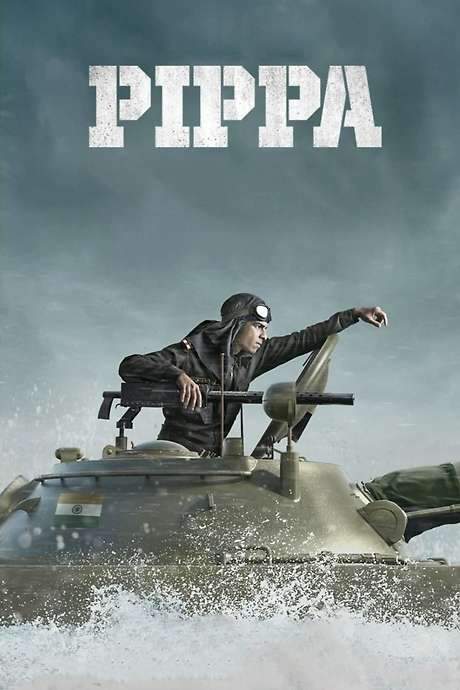
What Is 1971: Beyond Borders About?
The premise of 1971: Beyond Borders in 291 words, with nothing given away. The full story follows below.
In the turbulent summer of 1971, a fragile peace hangs over a region scarred by ambition and longing for freedom. Against this backdrop, soldiers from opposite sides find themselves thrust into the same unforgiving landscape, where the line between protector and adversary blurs beneath the weight of duty. The film opens with a glimpse of United Nations peacekeepers caught in a volatile skirmish, hinting at a larger conflict that will test the very ideals of honor, sacrifice, and humanity.
The story centers on two seasoned officers whose families have been shaped by the same war. Colonel Mahadevan leads an Indian contingent, carrying the legacy of a father who once fought with quiet resolve. Across the cease‑fire line, Col. Ajmal Raja Akram commands a Pakistani unit, haunted by the memory of his own father’s sacrifice. Their first encounter is marked by a formal respect that masks deeper, unspoken tensions rooted in history, family, and the lingering echoes of past battles.
Beyond the battlefield, the film weaves a contemplative tone, exploring how individuals navigate the moral gray zones of conflict. Both men grapple with the responsibilities of command while confronting the human cost that each decision imposes on the lives around them. Their interactions, set against the stark realities of war‑torn terrain, reveal a fragile camaraderie that rises from shared loss and the yearning for a world beyond endless cycles of violence.
Framing the narrative is an older, reflective voice—a retired brigadier who once walked the same muddy fields—who recounts these memories to his young grandchildren. His quiet narration underscores the film’s core message: that the true legacy of war lies not in victories or borders, but in the enduring hope that future generations might learn that peace, however fragile, is worth protecting.
What Happens in 1971: Beyond Borders?
The complete story of 1971: Beyond Borders, from the first scene to the last, in 628 words (about 3 minutes). Spoilers throughout. Names in the text link to 1 cast member page.
Spoilers ahead
The film opens in Georgia, where a Pakistani UN Peace Keeping Forces squad arrives at a hidden building only to ignite a brutal crossfire. As the firefight intensifies, reinforcements are called in and a swift counterstrike shifts the balance. The Indian contingent is led by Colonel Mohanlal, who orchestrates a daring operation to gun down the militants and secure the trapped soldiers. In the tense aftermath, he crosses paths with the Pakistani commander, Lt. Col Muhammed Akhram Raja, a figure whose pride and past will soon collide with India’s own war story. The Pakistani leader, portrayed by the clan of intrigue and resolve in the cast, reveals a personal scar: his father was killed in the Indo-Pakistani War of 1971. Responding to this claim, the Indian commander asserts a deeper history, hinting that his own father was instrumental in Avenging that loss. Colonel Mahadevan’s counterpart and his bloodline become a throughline that threads the two sides together.
The narrative then rewinds to 1971, a period marked by Bangladesh’s struggle for independence and a broader, brutal conflict between India and Pakistan. On 3 December 1971, Indian airfields come under attack, prompting Prime Minister Indira Gandhi to declare war. The march of armies is relentless: a full-scale mobilization, canceled leaves, and a surge of determination on both sides. The war kickstarts with a lightning assault by the Pakistani Armoured Corps against Indian positions along the Basantar river. Early missteps leave Indian defenses vulnerable, and a harsh defeat follows, with many Indian POWs falling into enemy hands and facing harsh treatment. Amid this chaos, Lt. Col Akhram Raja (the Pakistani commander) confronts the breach of the Geneva Convention — a moment that tests his own code of conduct against the brutal realities of war.
As the fighting intensifies, Indian forces strike back in a robust counteroffensive. The mission is punctuated by personal valor and tragedy: one of India’s finest tank commanders, Chinmay, is fatally wounded in action. On seeing Chinmay’s face, the troops understand the human cost of the conflict, with Raja noting that a single young officer had taken down six tanks. In response, a ceasefire is agreed momentarily to retrieve Chinmay’s fallen body, a bitter reminder that war spares no one. The Indian troops rally with a renewed vow of vengeance, while the Pakistani side must contend with the high stakes of asymmetrical warfare and the personal loyalties that bind soldiers to their officers and comrades.
The Battle of Basantar escalates into a brutal, high-casualty confrontation where both sides dig in and endure heavy losses. The war’s momentum shifts as Indian forces press their offensive, and the tension culminates in a dramatic one-on-one clash between the two lead adversaries: Raja and the Indian commander whose legacy is entwined with his own father’s actions. In a defining moment, the Indian side emerges victorious, and Pakistan ultimately surrenders unconditionally, leading to a formal ceasefire. Yet the victory is tempered by grief and reflection, with Sahadevan, a man shaped by personal loss on both sides, wrestling with the grave costs of war.
In the closing moments, the film returns to the present through a quiet, personal recollection. A now aged Brigadier Sahadevan narrates the core message to his grandchildren: war, with its toll of lives and its emotional scars, offers little to gain and much to lose. The tale closes on a thoughtful note about the futility of conflict, suggesting that true peace lies beyond the battlefield.
Throughout this saga, the human stories—the bonds between soldiers, the weight of history, and the wish for a future without war—are foregrounded with care. The performances, especially the veterans’ perspectives and the younger warriors’ courage, knit together a narrative that honors both sides’ sacrifices while urging a sobering view of violence as a last resort.
1971: Beyond Borders Timeline: Every Key Event in Order
12 key events in the order they happen, from “Present-day Georgia operation and rescue” to “Final credits: Story narrated to grandchildren”. 12 events name a place, across 6 locations.
- 1
Present-day Georgia operation and rescue
A Pakistani UN peacekeeping force locates gangsters inside a building in Georgia. The situation escalates into crossfire as reinforcements are called in to assist. An Indian UN peacekeeping force arrives, guns down the militants, and rescues the trapped contingent.
When:Present day Where:Georgia
- 2
Revelations between Mahadevan and Ajmal
During the tense stand-off in Georgia, Colonel Mahadevan meets Col Ajmal Raja Akram, the Pakistani contingent commander. Ajmal reveals that his father, Lt. Col Mohd. Akhram Raja, was killed in 1971. Mahadevan then reveals that his own father, Major Sahadevan, killed Ajmal's father.
When:Present day Where:Georgia
- 3
Indo-Pakistani war declared
In 1971, after Pakistani forces attack Indian airfields, Prime Minister Indira Gandhi announces that war is underway. The Indian army is mobilized and leave is cancelled as the conflict escalates.
When:3 December 1971 Where:India
- 4
Pakistan Armoured assault on Basantar
The Pakistan Army Armoured Corps launches a major assault against Indian positions at the Basantar river. The Indians are initially unprepared and suffer a setback, with many POWs captured.
When:December 1971 Where:Basantar River, border area
- 5
Raja reprimands senior officer
Col Ajmal Raja Akram notices a senior officer violating the Geneva Convention by mistreating POWs and publicly reprimands him. The exchange highlights tensions between military necessity and ethical rules on the battlefield.
When:December 1971 Where:Basantar sector
- 6
Indians push offensive; Chinmay dies
India intensifies the offensive against Pakistani forces, aiming to turn the tide. One of India's best tank commanders, Chinmay, is martyred during the fighting.
When:December 1971 Where:Basantar sector
- 7
Indians vow revenge after Chinmay's death
Chinmay's death fuels a strong resolve among Indian troops to seek revenge and press the offensive. Leaders vow to press the fight until Pakistani forces are pushed back.
When:December 1971 Where:Basantar sector
- 8
Battle of Basantar begins
The Battle of Basantar commences with heavy casualties on both sides as armored units clash across the river. Tactical maneuvers and fierce exchanges of fire define the early phase.
When:December 1971 Where:Basantar sector
- 9
One-on-one duel between Raja and Sahadevan
As the fighting rages, Col Ajmal Raja Akram and Col Mahadevan face off in a personal duel on the battlefield. Sahadevan defeats Raja, turning the momentum in the engagement.
When:Late December 1971 Where:Basantar sector
- 10
Pakistan surrenders and ceasefire declared
Pakistan surrenders unconditionally and a formal ceasefire is declared, bringing the Basantar battle to an end. The conflict leaves both sides with substantial casualties and material losses.
When:Late December 1971 Where:Basantar sector
- 11
Aftermath: victory but cost weighs on Sahadevan
Despite the Indian victory, Sahadevan is troubled by the human cost on both sides. He resolves that wars bring only death and destruction and vows to seek peace.
When:Post-war 1971 Where:Border region
- 12
Final credits: Story narrated to grandchildren
In the closing credits, an aged Brigadier Sahadevan narrates the tale to his grandchildren. He emphasizes that nothing is gained through wars or conflicts and urges lasting peace.
When:Final credits Where:Unknown
Who Are the Main Characters in 1971: Beyond Borders?
3 characters, among them Major Sahadevan, Colonel Ajmal Raja Akram and Lieutenant Chinmay: who each one is and the part they play in the story. Every profile links to the actor’s page.
-
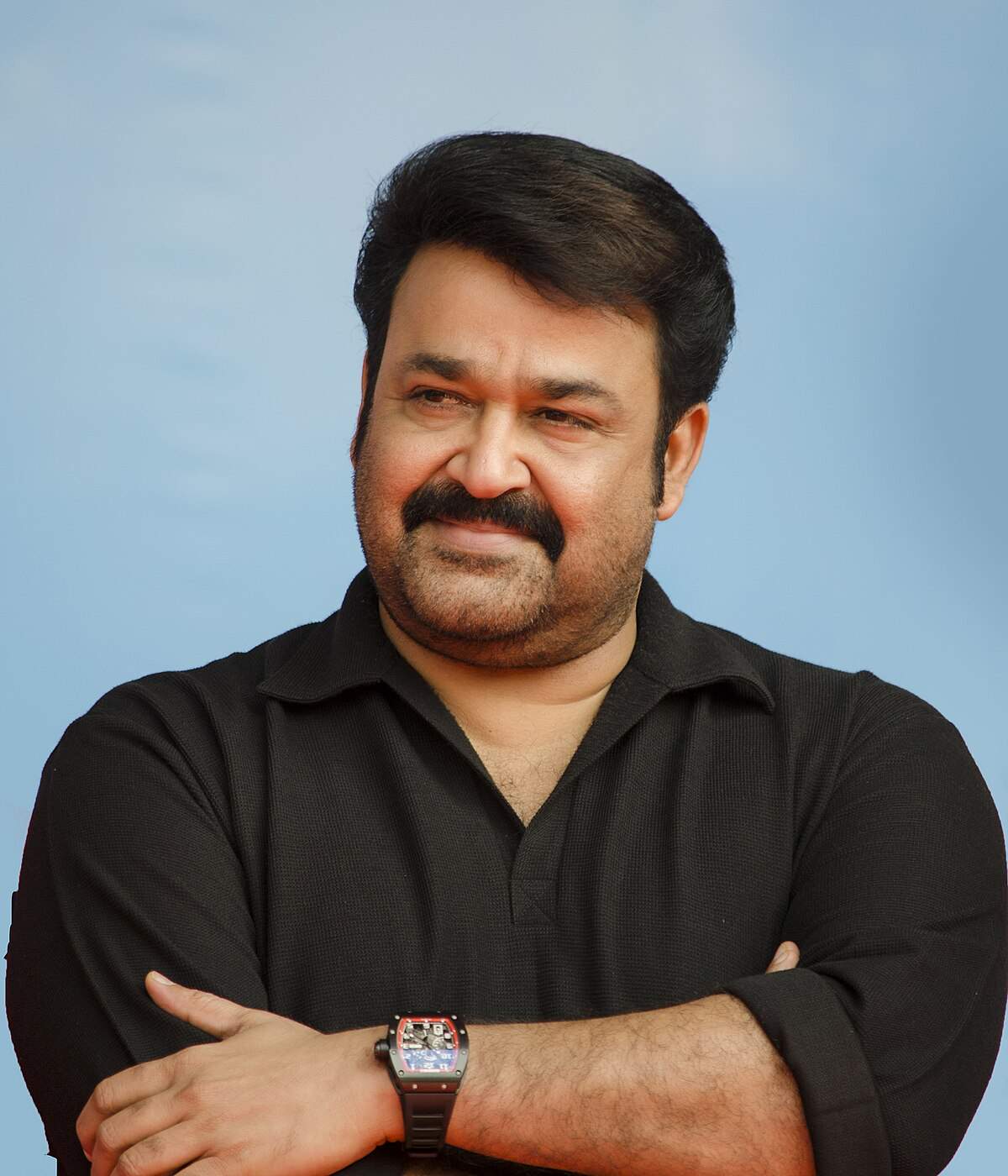
Major Sahadevan
Played by Mohanlal
A senior Indian UN peacekeeping officer whose leadership is forged in duty and memory. He confronts moral ambiguity as past actions and present conflict collide, revealing a resolve to pursue peace over perpetuating violence. His arc culminates in a personal reckoning that wars should end, not just be won.
- 🎖️ Leader
- 🛡️ Duty
- 🌍 Peacekeeper
- CA
Colonel Ajmal Raja Akram
Played by Arunoday Singh
Pakistani contingent commander whose presence adds a nuanced tension to the conflict. He reveals a personal history connected to the war, illuminating how family trauma shapes enmity and decisions on the battlefield. The confrontations between him and Sahadevan blur the line between enemy and fellow humans scarred by war.
- 🎖️ Rival
- 🕊️ Family ties
- LC
Lieutenant Chinmay
Played by Allu Sirish
An Indian tank commander whose impact on the battlefield is marked by skill and bravery. His actions against the opposing forces are celebrated for shaping the course of battles at Basantar. His martyrdom becomes a touchstone for the soldiers’ vow to avenge him, while also underscoring the high cost of war.
- 🪖 Soldier
- ⚔️ Warrior
Where and When Is 1971: Beyond Borders Set?
1971: Beyond Borders is set in Georgia and Basantar River (India-Pakistan border) (1971). Here is why the time and place matter to the story.
When
1971
The central events unfold during the 1971 Indo-Pak War, set against the backdrop of Bangladesh's independence struggle. Indira Gandhi's wartime decision leads to a full mobilization and a brutal campaign around the Basantar front. The story ties together contemporary peacekeeping efforts with the era's large-scale military operations, underscoring the human cost of the conflict.
Where
Georgia, Basantar River (India-Pakistan border)
The film opens in Georgia with a Pakistani UN peacekeeping unit under fire. It then shifts to the 1971 Indo-Pak War along the Basantar River, a frontline region near the India–Pakistan border. The narrative moves from urban firefights to a major front-line engagement, highlighting how geography shapes conflict and peacekeeping dynamics.
- 🌍 War setting
- 🕊️ Peacekeeping operation
What Are the Themes of 1971: Beyond Borders?
3 ideas the story keeps returning to, among them War and Peace, Sacrifice and Reconciliation.
-
01
War and Peace
The narrative juxtaposes brutal frontline combat with a yearning for lasting peace. It follows soldiers who grapple with casualties, moral choices, and the desire to prevent future bloodshed. In its final moments, a veteran voice emphasizes that wars yield nothing and peace must prevail.
-
02
Sacrifice
Chinmay, a young tank commander, dies in battle, embodying courage and the cost of war. The losses on both sides force characters to confront personal and collective price of victory. Sacrifice serves as a catalyst for reflection on the futility of endless conflict.
-
03
Reconciliation
The story gestures toward resolving hostilities beyond victory on the battlefield. The ceasefire, along with the elder Sahadevan’s closing reflections, advocates ending old animosities and rebuilding trust. It suggests lasting peace depends on restraint, dialogue, and mutual understanding.
What Kind of Film Is 1971: Beyond Borders?
Melancholic in tone, with steady pacing and a moderate story, going by the plot summary.
- Tone
- Melancholic
- Pacing
- Steady
- Story
- Moderate
- Intensity
- High
- Ending
- Bittersweet
A heavy and somber war drama that maintains a steady pace of brutal conflict while focusing on the profound human cost and personal grief experienced by soldiers on both sides, ultimately concluding with a reflective message on the futility of violence.
- somber
- tense
- reflective
- brutal
- grieving
- solemn
- war and peace
- historical conflict
- personal sacrifice
- generational legacy
Content notes: war violence, combat deaths, prisoner of war mistreatment, military casualties.
Quiz
How well do you remember 1971: Beyond Borders? Test yourself on the story.