
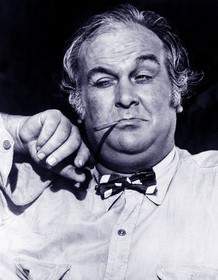
Philip Stainton: Movies & Box Office
- films
- 24
- on screen
- 1947–1956
- box office
- $50.6K
- Born
- April 9, 1908
- Birthplace
- King's Norton, Worcestershire, England
- Citizenship
- British
- Occupations
- Actor
- Years active
- 1947-1961
Philip Stainton's Career in Numbers
Philip Stainton's films in numbers — as an actor, not counting appearances as themselves: when they were made, the genres Philip Stainton works in most and the milestones along the way. The filmography runs from Nightbeat (1947) to The Ladykillers (1956), and the 1950s were the busiest decade.
Philip Stainton Movies by Decade
- 1940s 8
- 1950s 16
The 1950s were Philip Stainton's busiest decade, with 16 films.
Philip Stainton Movies by Genre
- Comedy 7
- Drama 4
- Crime 4
- Romance 4
- Thriller 1
- Family 1
- War 1
- Adventure 1
Comedy is the genre Philip Stainton has worked in most, with 7 films, ahead of drama (4).
Philip Stainton Career Milestones
- First film
- Nightbeat 1947
- Biggest box office hit
- The Ladykillers $50.3K worldwide
- Newest film
- The Ladykillers 1956
Philip Stainton Filmography: Every Movie
Every film Philip Stainton is credited on, newest first, with the role, the box office and the Movie Echo Score. Re-order the list to see the best-rated films or the biggest hits first.
- 1956
 Reach for the Sky as Police Constable · Drama
 - 1956
 Moby Dick as Bildad · Drama Worldwide box office: $353
 - 1956
 Who Done It? as Frankie's Agent · Crime
 - 1956
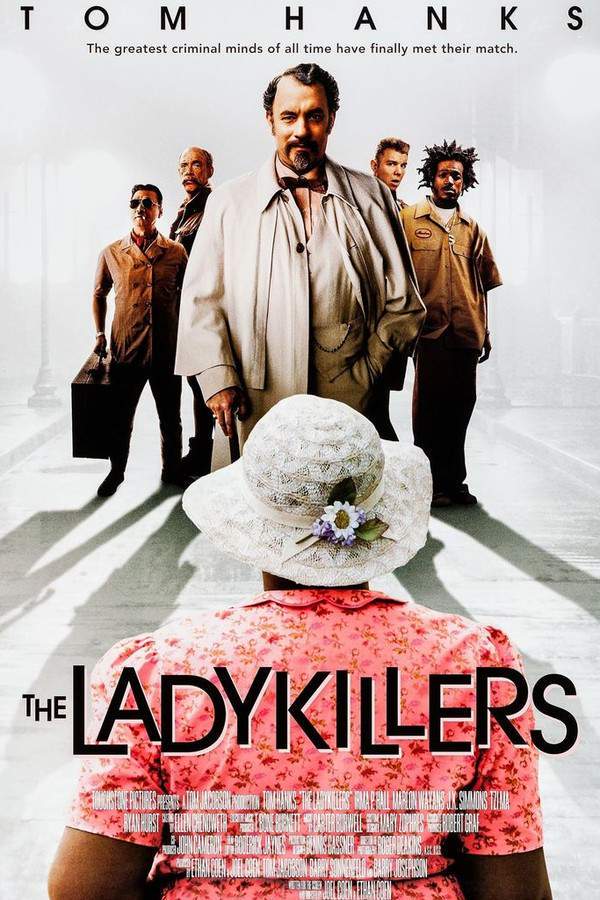 The Ladykillers Comedy Worldwide box office: $50.3K
 - 1955
 Cast a Dark Shadow as Charlie Mann · Thriller
 - 1955
 John and Julie as Police sergeant · Family
 - 1954
 Forbidden Cargo as Seaburyness Police Sergeant · Crime
 - 1954
 Hobson’s Choice as Denton · Comedy
 - 1953
 Isn’t Life Wonderful! as Mason, a doctor · Comedy
 - 1953
 Mogambo as John Brown-Pryce · Romance
 - 1953
 Innocents in Paris as Nobby Clarke · Comedy
 - 1952
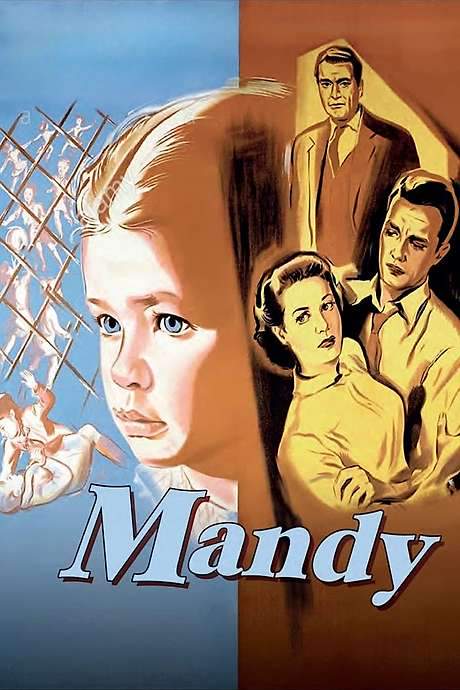 Mandy as Chairman of the Board of Governors (uncredited) · Drama
 - 1952
 Angels One Five as Police Constable · War
 - 1951
 Appointment with Venus as Constable · Romance
 - 1951
 White Corridors as Sawyer
 - 1950
 The Elusive Pimpernel as Jellyband · Romance
 - 1949
 Boys in Brown as Principal Prison Officer · Crime
 - 1949
 The Spider and the Fly as Café Manager · Crime
 - 1949
 Passport to Pimlico as P.C. Spiller · Comedy
 - 1949
 Trottie True as Arthur Briggs (uncredited) · Comedy
 - 1949
 Don’t Ever Leave Me as Detective Inspector · Comedy
 - 1949
 The Blue Lagoon as Mr. Ansty · Romance
 - 1948
 Scott of the Antarctic as Second Questioner · Adventure
 - 1947
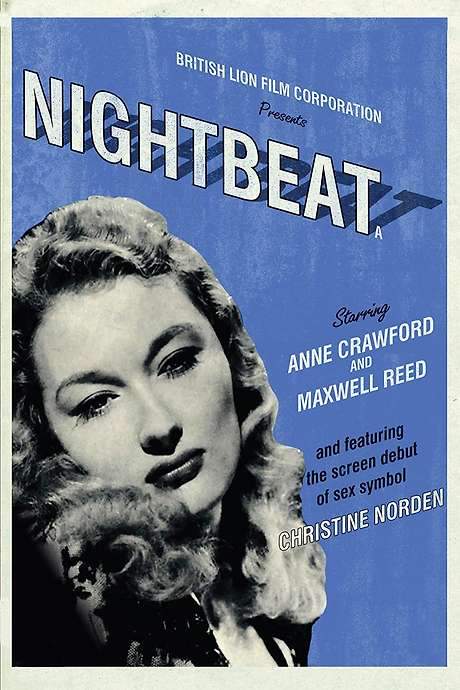 Nightbeat as Sgt. Slack · Drama
Who Is Philip Stainton?
Philip Stainton was born in King's Norton, Worcestershire, England in 1908. Credited on films since 1947, as an actor. The background, training and the roles that shaped the career.
Philip Stainton (9 April 1908 – 1 August 1961) was a prolific English actor best known for his steady work in British cinema during the post‑war era, especially in the celebrated Ealing comedies. He frequently portrayed friendly or exasperated uniformed policemen, a niche that earned him recurring roles such as P.C. Spiller in Passport to Pimlico and the eponymous Sergeant in The Ladykillers. His screen presence was marked by a blend of understated authority and subtle comic timing, allowing him to transition seamlessly between bit parts and featured supporting roles. While his early career began in repertory theatre, Stainton quickly moved into film, appearing in high‑profile productions directed by legends like John Ford (Mogambo) and John Huston (The Quiet Man), often when those directors shot on European or overseas locations. In addition to his film work, he cultivated a reputation on stage, touring Australia with an Agatha Christie troupe for Witness for the Prosecution, which foreshadowed his later relocation.
In the late 1950s Stainton and his actress wife emigrated to Australia, where he became a pioneer of early Australian television. From 1957 to 1959 he head‑lined Take That, the first Australian sitcom broadcast by Melbourne’s HSV‑7, showcasing his adaptability to the new medium. He also revived the Victorian‑era melodrama East Lynne, adapting and producing it for music‑hall circuits where it enjoyed considerable popularity. Tragically, during a centenary performance at George Miller’s Bowl Music Hall in Melbourne, Stainton suffered a fatal heart attack on 1 August 1961. His legacy endures through a diverse filmography that spans classic British comedy, adventure epics, and pioneering Australian TV, reflecting a career marked by versatility, dedication, and a distinctive on‑screen charm.
Who Philip Stainton Makes Movies With
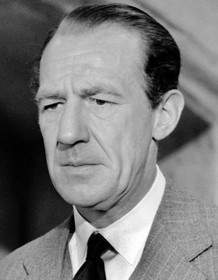
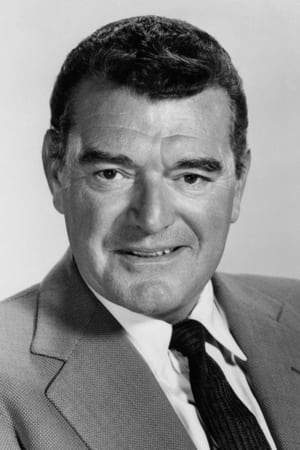
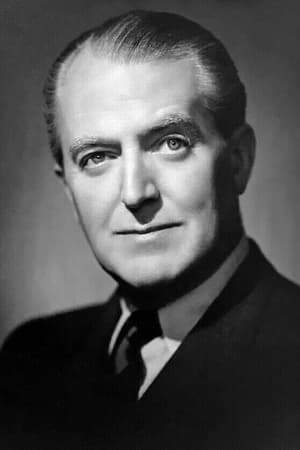
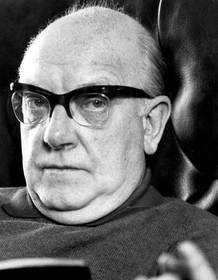
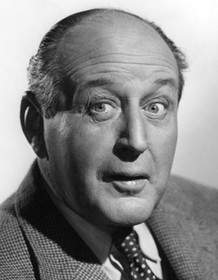
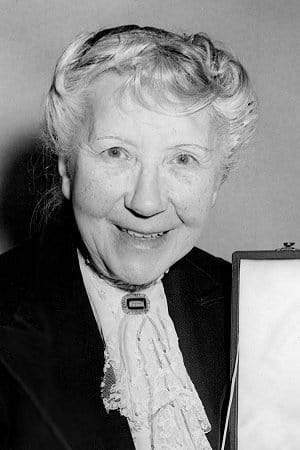
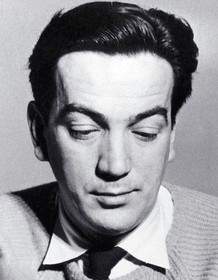
The actors and directors Philip Stainton shares the most films with. Michael Hordern comes first, with 3 films together, followed by Jack Hawkins (3).
Philip Stainton: Questions & Answers
How many movies Philip Stainton has made, the biggest hit, the best-rated film, the award record and more, answered from the filmography above.
How many movies has Philip Stainton been in?
Philip Stainton is credited on 24 films, from 1947 to 1956. The filmography on this page lists every one of them, newest first, with the role and the Movie Echo Score.
What is Philip Stainton's highest-grossing movie?
The Ladykillers (1956) is Philip Stainton's biggest box office hit, with $50.3K worldwide, ahead of Moby Dick (1956) ($353). Across every film with box office figures, Philip Stainton's movies have made $50.6K.
Philip Stainton's biggest hits What is Philip Stainton's newest movie?
The most recent film on Philip Stainton's filmography is Reach for the Sky (1956), in the role of Police Constable.
Who does Philip Stainton work with most often?
Philip Stainton shares the most films with Michael Hordern (3 films), Jack Hawkins (3 films) and Jack Warner (3 films).
The Best Philip Stainton Movies, Ranked
Top rated, most awarded and biggest box office hits from 24 credits.
Coming soon to your phone
The Plot Explained Movie Summary App
From blockbusters to hidden gems: plot summaries, endings explained and timelines on your phone. Save your favorites and never miss a twist again.
Be the first to know when it launches. Your email stays private, always. Learn more about the app
