

- Born
- July 22, 1904
- Birthplace
- Winnipeg, Manitoba, Canada
- Full name
- Marjorie Ann Guthrie
- Citizenship
- Canadian
- Occupations
- Actress
- Years active
- 1929-1935
- Spouses
- Edwin J. Tierney
Marjorie White's Career in Numbers
Marjorie White's films in numbers — as an actor, not counting appearances as themselves: when they were made, the genres Marjorie White works in most and the milestones along the way. The filmography runs from Sunny Side Up (1929) to Woman Haters (1934), and the 1930s were the busiest decade.
Marjorie White Movies by Decade
- 1920s 2
- 1930s 8
The 1930s were Marjorie White's busiest decade, with 8 films.
Marjorie White Movies by Genre
- Comedy 4
- Romance 2
- Crime 2
- Fantasy 1
- Music 1
Comedy is the genre Marjorie White has worked in most, with 4 films, ahead of romance (2).
Marjorie White Career Milestones
- First film
- Sunny Side Up 1929
- Newest film
- Woman Haters 1934
Marjorie White Filmography: Every Movie
Every film Marjorie White is credited on, newest first, with the role, the box office and the Movie Echo Score. Re-order the list to see the best-rated films or the biggest hits first.
- 1934
 Woman Haters as Mary · Comedy
 - 1933
 Diplomaniacs as Dolores · Comedy
 - 1931
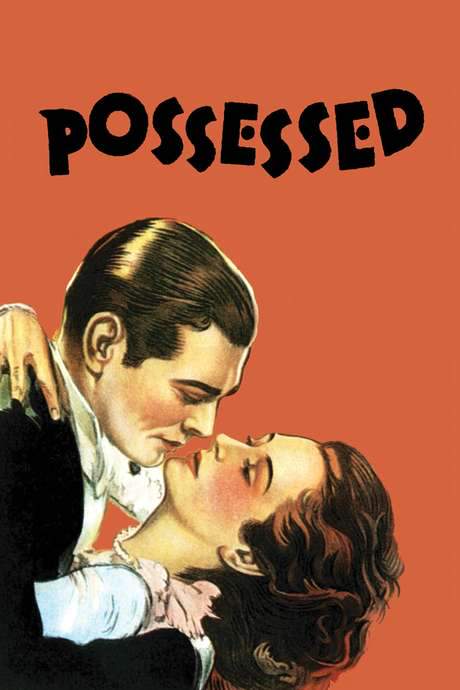 Possessed as Vernice LaVerne · Romance
 - 1931
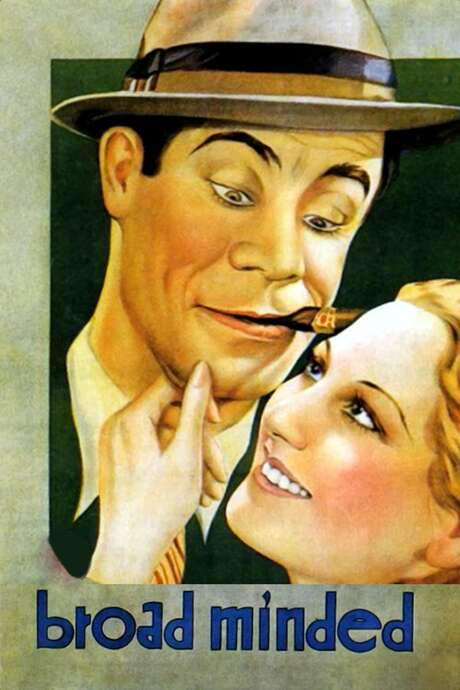 Broadminded as Penny Packer · Comedy
 - 1931
 The Black Camel as Rita Ballou (uncredited) · Crime
 - 1931
 Charlie Chan Carries On as Sadie · Crime
 - 1930
 Oh, for a Man! as Totsy Franklin · Romance
 - 1930
 Just Imagine as D-6 · Fantasy
 - 1929
 Sunny Side Up as Bea Nichols · Comedy
 - 1929
 Happy Days as Margie · Music
Who Is Marjorie White?
Marjorie White was born in Winnipeg, Manitoba, Canada in 1904. Credited on films since 1929, as an actor. The background, training and the roles that shaped the career.
Marjorie White, born Marjorie Ann Guthrie on July 22, 1904, in Winnipeg, Manitoba, Canada, was a diminutive yet dynamic performer who carved out a notable career in both stage and screen during the early sound era of Hollywood. The daughter of grain merchant Robert Guthrie, she entered the entertainment world as a child prodigy, joining the Winnipeg Kiddies troupe at approximately age eight or ten, touring extensively throughout Canada and the United States with song and dance routines. After outgrowing the kiddie circuit, the seventeen-year-old Guthrie relocated to San Francisco in December 1921, where she partnered with Thelma Wolpa in amateur vaudeville comedy, forming the double act initially known as "Wolpa and Guthrie, Little Bits of Everything" before rebranding as The White Sisters in New York City. Following the duo's dissolution, both performers retained the surname White, with Marjorie establishing herself on Broadway in several musicals between 1926 and 1929, including appearances in productions that showcased her energetic comedic timing. In 1924, she married Edwin J. Tierney, and when the couple relocated to Hollywood in 1929, the studios—adhering to the era's penchant for youth—altered her birth year from 1904 to 1908, shaving four years off her age to align with the industry's demanding standards.
White's film career commenced with leading roles in the early musicals Happy Days (1929) and Sunny Side Up (1929), though her physical stature became a subject of studio scrutiny when Fox Film executives demanded she lose four pounds to weigh under 100 pounds for The New Orleans Frolic, despite her already slight frame of 4'10" and 103 pounds. She briefly returned to Broadway for Hot-Cha in 1932 before committing fully to cinema, accumulating credits in Just Imagine and New Movietone Follies of 1930 (both 1930), as well as appearing alongside Joan Crawford in Possessed (1931). Perhaps her most memorable performance came in the 1931 Fox mystery The Black Camel, where she delivered a sarcastic, forward turn among the suspects investigated by Charlie Chan, sharing the screen with Warner Oland and Bela Lugosi. In 1933's political satire Diplomaniacs, she portrayed Dolores, a femme fatale literally packaged in plastic, engaging in a comedic duet titled "Sing to Me" with Bert Wheeler that subverted romantic conventions by having her physically assault the reluctant singer. However, she remains best known to modern audiences as Larry Fine's secret bride in Woman Haters (1934), the inaugural Three Stooges short produced at Columbia Pictures, notable for being entirely performed in rhyming verse. Tragically, this proved her final screen appearance; on August 20, 1935, White was the sole serious casualty in an automobile accident on the Roosevelt Highway near Santa Monica's Bel Air Beach Club, dying the following day from internal hemorrhaging at age thirty-one. A coroner's jury attributed the crash to reckless driving by Marlow M. Lovell, and she was laid to rest at what is now Hollywood Forever Cemetery, leaving behind a compact but vibrant legacy in early American cinema.
Marjorie White: Questions & Answers
How many movies Marjorie White has made, the biggest hit, the best-rated film, the award record and more, answered from the filmography above.
How many movies has Marjorie White been in?
Marjorie White is credited on 10 films, from 1929 to 1934. The filmography on this page lists every one of them, newest first, with the role and the Movie Echo Score.
What is Marjorie White's newest movie?
The most recent film on Marjorie White's filmography is Woman Haters (1934), in the role of Mary.
Who does Marjorie White work with most often?
Marjorie White shares the most films with Janet Gaynor (2 films) and C. Henry Gordon (2 films).
The Best Marjorie White Movies, Ranked
Top rated, most awarded and biggest box office hits from 10 credits.
Coming soon to your phone
The Plot Explained Movie Summary App
From blockbusters to hidden gems: plot summaries, endings explained and timelines on your phone. Save your favorites and never miss a twist again.
Be the first to know when it launches. Your email stays private, always. Learn more about the app
