
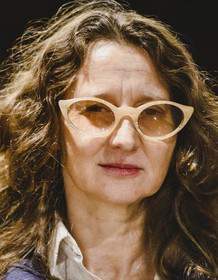
Lucrecia Martel: Movies & Box Office
- films
- 14
- as director
- 11
- on screen
- 1989–2026
- box office
- $2.56M
- average score
- 83
- Born
- December 14, 1966 (age 59)
- Birthplace
- Salta, Argentina
- Citizenship
- Argentina
- Occupations
- film director, screenwriter, producer
- Years active
- 1988-present
The Best Lucrecia Martel Movies
The films of Lucrecia Martel that made the most at the worldwide box office, biggest first: The Holy Girl (2005) leads with $1.26M. The full ranking adds the most awarded films and the newest releases.
Lucrecia Martel's Career in Numbers
Lucrecia Martel's films in numbers — as a director, not counting appearances as themselves: when they were made, the genres Lucrecia Martel works in most and the milestones along the way. The filmography runs from You Won’t Get Her, Bastard (1989) to Our Land (Nuestra Tierra) (2026), and the 2000s were the busiest decade.
Lucrecia Martel Movies by Decade
- 1980s 1
- 2000s 4
- 2010s 4
- 2020s 4
The 2000s were Lucrecia Martel's busiest decade, with 4 films.
Lucrecia Martel Movies by Genre
- Drama 6
- Documentary 4
- Music 1
- Fantasy 1
- Thriller 1
Drama is the genre Lucrecia Martel has worked in most, with 6 films, ahead of documentary (4).
Lucrecia Martel Career Milestones
- First film
- You Won’t Get Her, Bastard 1989
- Biggest box office hit
- The Holy Girl $1.26M worldwide
- Best-rated film
- Björk: Cornucopia Movie Echo Score 90
- Newest film
- Our Land (Nuestra Tierra) 2026
Lucrecia Martel Filmography: Every Movie
Every film Lucrecia Martel is credited on, newest first, with the role, the box office and the Movie Echo Score. 11 as director and 2 as actor. Rated films average a score of 83. Re-order the list to see the best-rated films or the biggest hits first.
Movies Directed by Lucrecia Martel
11- 2026
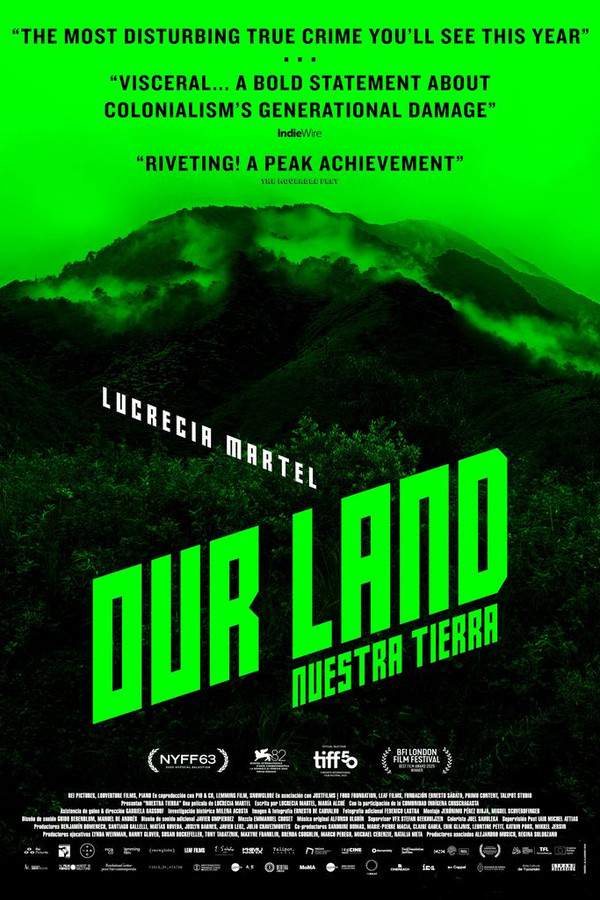 Our Land (Nuestra Tierra) Documentary
 - 2025
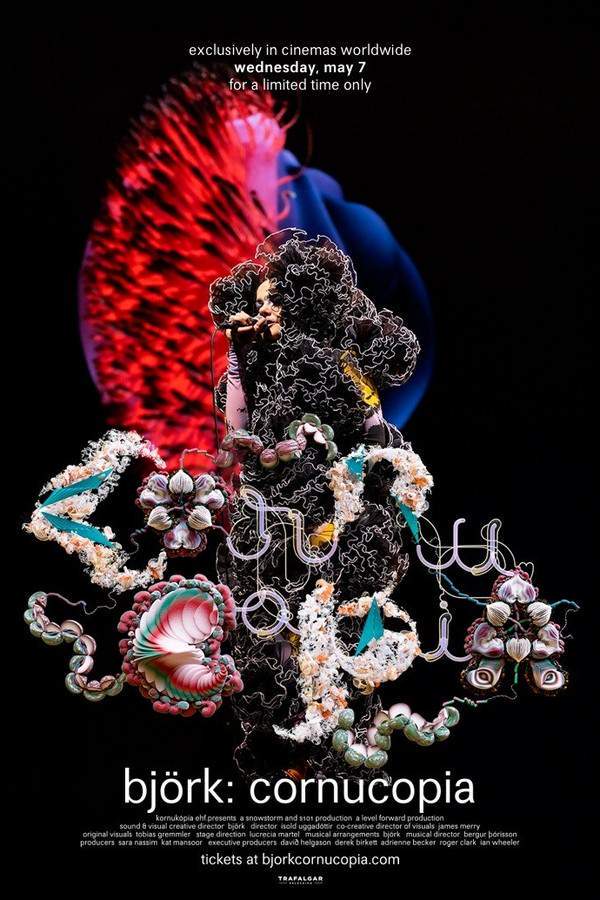 Björk: Cornucopia Documentary Worldwide box office: $230K Movie Echo Score: 90
 - 2022
 Maid Drama
 - 2021
 North Terminal Music
 - 2018
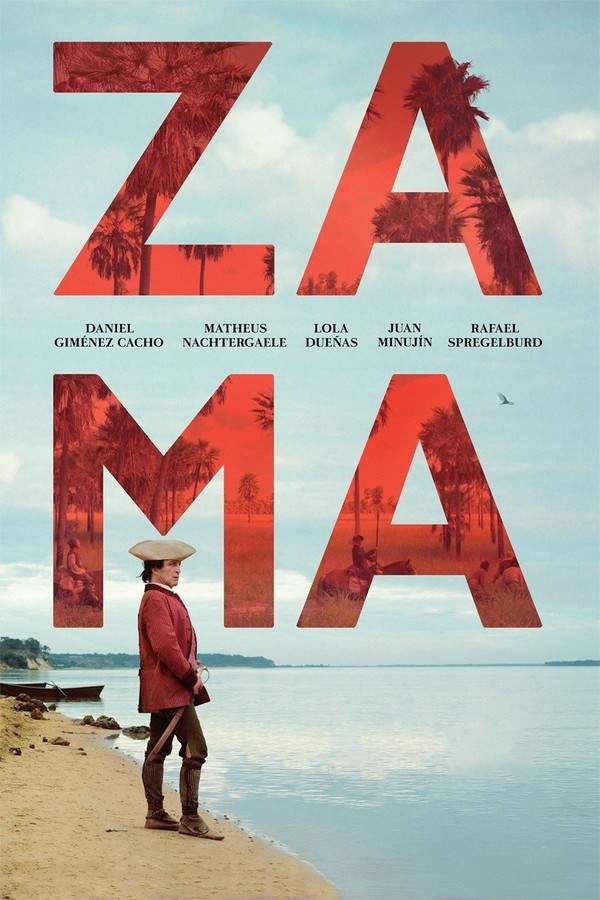 Zama Drama Worldwide box office: $490K Movie Echo Score: 76
 - 2015
 Leagues Drama
 - 2011
 Muta Fantasy
 - 2009
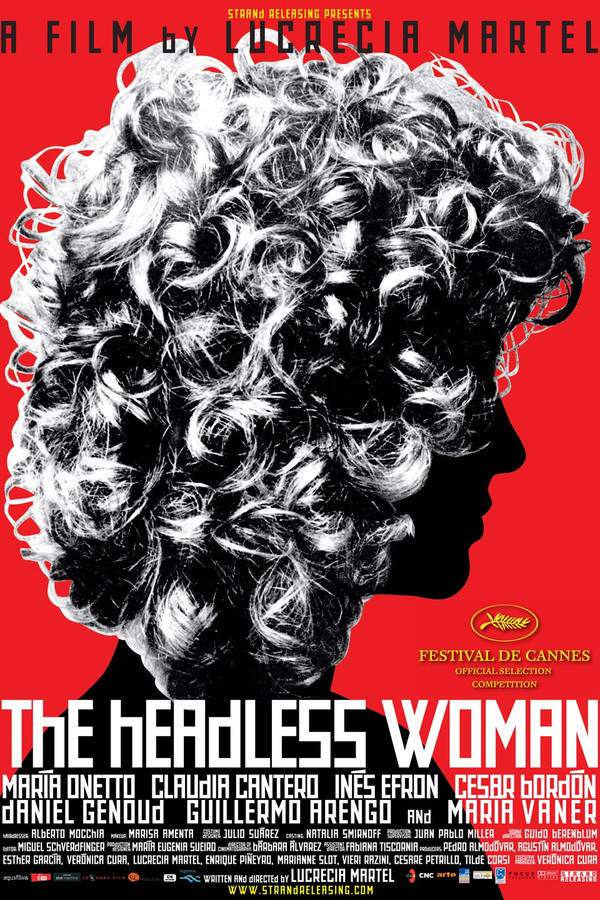 The Headless Woman Drama Worldwide box office: $306K
 - 2005
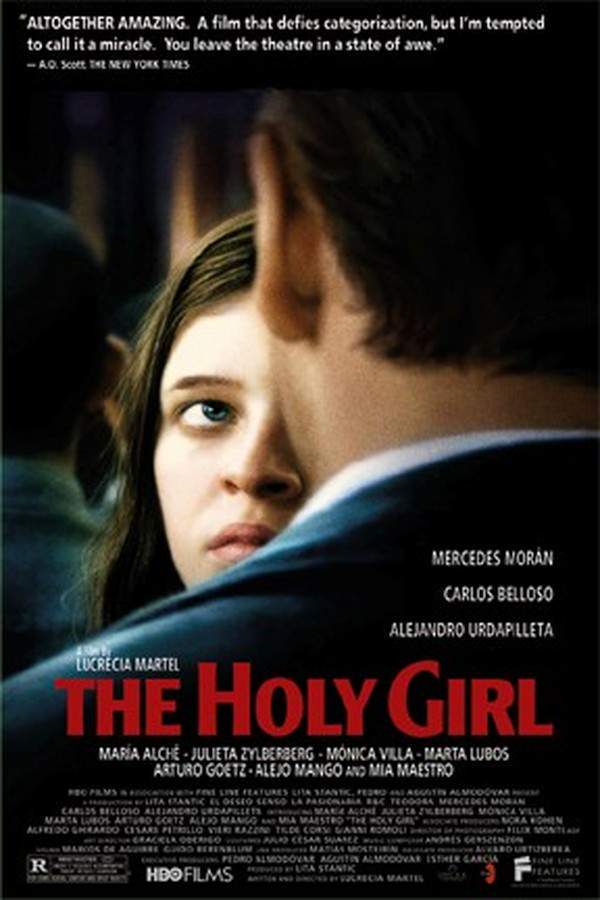 The Holy Girl Drama Worldwide box office: $1.26M
 - 2001
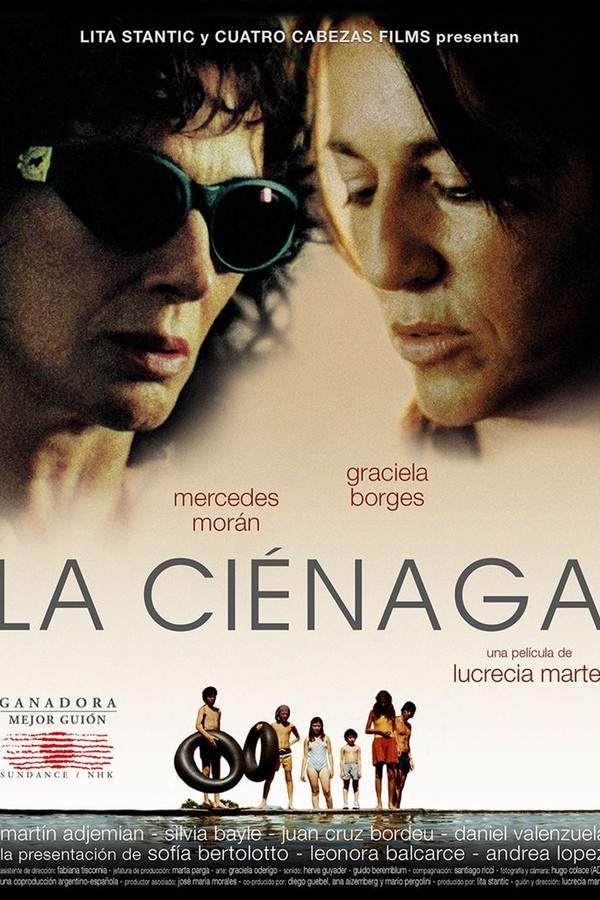 La Ciénaga Drama Worldwide box office: $271K
 - 1989
 You Won’t Get Her, Bastard Thriller
Lucrecia Martel Movies as an Actor
2

Lucrecia Martel in Documentaries & Specials
1
Who Is Lucrecia Martel?
Lucrecia Martel was born in Salta, Argentina in 1966 and is 59 years old. Credited on films since 1989, as a director. The background, training and the roles that shaped the career.
Lucrecia Martel is an Argentine film director, screenwriter, and producer whose work has become a cornerstone of contemporary world art cinema. Born on December 14, 1966 in Salta, Argentina, she grew up as the second of seven children in a family that cherished oral storytelling, a habit that later informed her meticulous sound design and narrative pacing. Her father, Ferdi, ran a paint shop, while her mother, Bochi, nurtured the household with a philosophical background, and their grandmother Nicolasa contributed to the family’s rich tradition of mythic tales. Martel’s early fascination with mythology, Greek, and Latin studies led her to an elite secondary school where she felt both an outsider and a prodigious student, laying the groundwork for her critical eye on social hierarchies. By her mid‑teens she was already handling a video camera, documenting everyday life, an experience she describes as the seed of her cinematic obsession. After dabbling in physics, art history, and even pig farming, she eventually pursued communication sciences at the University of Buenos Aires and simultaneously studied animation at IDAC, where she began creating short films. Her first notable short, Rey muerto (1995), won Best Short at the Havana Film Festival and opened doors to television work, including the cult children’s program Magazine For Fai. Martel’s breakthrough came with the feature debut La Ciénaga (2001), a critically acclaimed portrait of a decaying bourgeois family that earned awards at Sundance, Berlin, and Cannes, cementing her reputation as a leading voice of the New Argentine Cinema. She followed with The Holy Girl (2004) and The Headless Woman (2008), forming a “Salta trilogy” that explores female consciousness amid Argentina’s post‑dictatorship transition. After a long‑awaited adaptation of Antonio di Benedetto’s novel, Zama (2017) premiered at Venice, demonstrating her mastery of historical narrative and international co‑production. Beyond feature films, Martel has directed acclaimed short works such as Muta (2011) for Miu Miu, and continues to influence scholars and filmmakers worldwide. In 2018 she served as filmmaker‑in‑residence at Cambridge, and in 2023 she was honored at Visions du Réel while preparing her first documentary, Chocobar, reflecting her ongoing commitment to exploring Argentine identity.
Lucrecia Martel: Questions & Answers
How many movies Lucrecia Martel has made, the biggest hit, the best-rated film, the award record and more, answered from the filmography above.
How many movies has Lucrecia Martel been in?
Lucrecia Martel is credited on 14 films, from 1989 to 2026. 2 of them as an actor and 11 as a director. The filmography on this page lists every one of them, newest first, with the role and the Movie Echo Score.
What is Lucrecia Martel's highest-grossing movie?
The Holy Girl (2005) is Lucrecia Martel's biggest box office hit, with $1.26M worldwide, ahead of Zama (2018) ($490K). Across every film with box office figures, Lucrecia Martel's movies have made $2.56M.
Lucrecia Martel's biggest hits What is the best Lucrecia Martel movie?
By the Movie Echo Score, which blends critic reviews, audience ratings and lasting impact, Lucrecia Martel's best-rated film is Björk: Cornucopia (2025) with a score of 90, followed by Zama (2018) (76).
Best Lucrecia Martel movies, ranked How old is Lucrecia Martel?
Lucrecia Martel is 59 years old, born on December 14, 1966 in Salta, Argentina.
What is Lucrecia Martel's newest movie?
The most recent film on Lucrecia Martel's filmography is Our Land (Nuestra Tierra) (2026), which Lucrecia Martel directed.
The Best Lucrecia Martel Movies, Ranked
Top rated, most awarded and biggest box office hits from 14 directing credits.
Coming soon to your phone
The Plot Explained Movie Summary App
From blockbusters to hidden gems: plot summaries, endings explained and timelines on your phone. Save your favorites and never miss a twist again.
Be the first to know when it launches. Your email stays private, always. Learn more about the app
