

Kar de Mumma's Career in Numbers
Kar de Mumma's films in numbers — as an actor, not counting appearances as themselves: when they were made, the genres Kar de Mumma works in most and the milestones along the way. The filmography runs from The Girl in Tails (1926) to SOPOR (1981), and the 1970s were the busiest decade.
Kar de Mumma Movies by Decade
- 1920s 1
- 1960s 1
- 1970s 2
- 1980s 1
The 1970s were Kar de Mumma's busiest decade, with 2 films.
Kar de Mumma Movies by Genre
- Comedy 4
- Family 1
Comedy is the genre Kar de Mumma has worked in most, with 4 films, ahead of family (1).
Kar de Mumma Career Milestones
- First film
- The Girl in Tails 1926
- Newest film
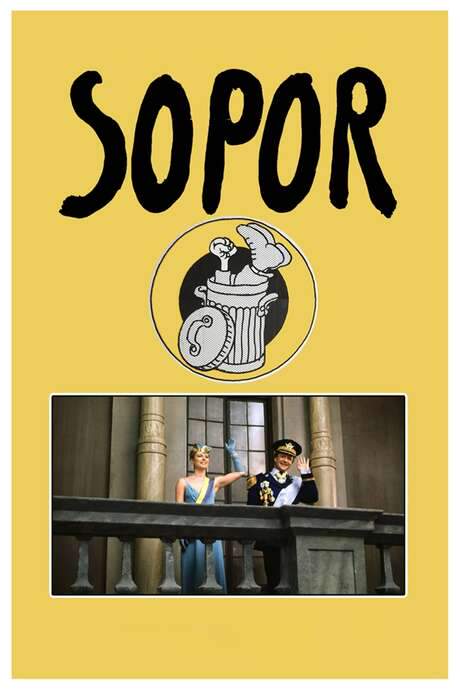
- SOPOR 1981
Kar de Mumma Filmography: Every Movie
Every film Kar de Mumma is credited on, newest first, with the role, the box office and the Movie Echo Score. Re-order the list to see the best-rated films or the biggest hits first.


Who Is Kar de Mumma?
Kar de Mumma was born in Hedvig Eleonora Parish, Stockholm, Sweden in 1904. Credited on films since 1926, as an actor. The background, training and the roles that shaped the career.
Erik Harald Zetterström, better known by his pen name Kar de Mumma, was a towering figure in 20th‑century Swedish humor, whose career spanned nearly eight decades and left an indelible mark on both stage and print. Born on 14 August 1904 in Hedvig Eleonora Parish, Stockholm, he began writing for the daily newspaper Svenska Dagbladet at the astonishing age of eighteen, and his witty columns would appear there from 1922 until the mid‑1990s, making him one of the longest‑serving humorists in Swedish media. Over the course of his life he published an annual collection of light‑hearted essays, memories and observations each autumn, a tradition that delighted readers for thirty years and cemented his reputation as a chronicler of everyday Swedish life. In the theatrical realm, Kar de Mumma’s influence was equally profound; in the 1920s and 1930s he crafted many of the most beloved revues, blending satire, wordplay, and musical parody to great acclaim. His most iconic contribution came between 1956 and 1978, when the revues he authored for Stockholm’s Folk‑theatre (Folkan) – especially the eponymous Kar de Mumma revue – became an institution, drawing audiences night after night and shaping the modern Swedish revue tradition. Beyond his public successes, Zetterström’s personal style was marked by a playful irreverence that permeated everything from his stage directions to his newspaper prose, inviting readers and theatre‑goers alike to view the world through a lens of gentle mockery and affectionate observation. Though he retired from regular column writing in the mid‑1990s, his legacy endured, influencing generations of comedians, playwrights and journalists who continue to cite his work as a benchmark for Swedish humor. He passed away on 7 July 1997 in Engelbrekt Parish, Stockholm, leaving behind a body of work that remains a cornerstone of Sweden’s cultural heritage.
Who Kar de Mumma Makes Movies With
The actors and directors Kar de Mumma shares the most films with. Gösta Ekman comes first, with 3 films together, followed by Tomas Alfredson (2).




Kar de Mumma: Questions & Answers
How many movies Kar de Mumma has made, the biggest hit, the best-rated film, the award record and more, answered from the filmography above.
How many movies has Kar de Mumma been in?
Kar de Mumma is credited on 5 films, from 1926 to 1981. The filmography on this page lists every one of them, newest first, with the role and the Movie Echo Score.
What is Kar de Mumma's newest movie?
The most recent film on Kar de Mumma's filmography is SOPOR (1981).
Who does Kar de Mumma work with most often?
Kar de Mumma shares the most films with Gösta Ekman (3 films), Tomas Alfredson (2 films) and Margaretha Krook (2 films).
Coming soon to your phone
The Plot Explained Movie Summary App
From blockbusters to hidden gems: plot summaries, endings explained and timelines on your phone. Save your favorites and never miss a twist again.
Be the first to know when it launches. Your email stays private, always. Learn more about the app
