

- Born
- January 15, 1909
- Birthplace
- Chicago, Illinois, U.S.
- Full name
- Eugene Bertram Krupa
- Citizenship
- American
- Occupations
- Musician, bandleader, composer
- Years active
- 1920s-1973
- Spouses
- Ethel Maguire, Patty Bowler
Gene Krupa's Career in Numbers
Gene Krupa's films in numbers — as an actor, not counting appearances as themselves: when they were made, the genres Gene Krupa works in most and the milestones along the way. The filmography runs from The Big Broadcast of 1937 (1936) to The Benny Goodman Story (1956), and the 1930s were the busiest decade.
Gene Krupa Movies by Decade
- 1930s 2
- 1940s 1
- 1950s 2
The 1930s were Gene Krupa's busiest decade, with 2 films.
Gene Krupa Movies by Genre
- Drama 2
- Music 2
- Comedy 1
Drama is the genre Gene Krupa has worked in most, with 2 films, ahead of music (2).
Gene Krupa Career Milestones
- First film
- The Big Broadcast of 1937 1936
- Biggest box office hit
- The Glenn Miller Story $994 worldwide
- Newest film
- The Benny Goodman Story 1956
Gene Krupa Filmography: Every Movie
Every film Gene Krupa is credited on, newest first, with the role, the box office and the Movie Echo Score. Re-order the list to see the best-rated films or the biggest hits first.
Gene Krupa Movies as an Actor
5


Gene Krupa in Documentaries & Specials
3


Who Is Gene Krupa?
Gene Krupa was born in Chicago, Illinois, U.S. in 1909. Credited on films since 1936, as an actor. The background, training and the roles that shaped the career.
Eugene Bertram Krupa, born on January 15, 1909, in Chicago, Illinois, emerged as one of the most revolutionary figures in jazz history and the broader landscape of popular music. As the youngest of nine children in a Polish-American Catholic family, Krupa was initially groomed for the priesthood, attending parochial schools and Saint Joseph's College before realizing his true calling lay in percussion. Under the tutelage of Sanford A. Moeller, he began his professional career in the mid-1920s, eventually joining Thelma Terry and her Playboys as the first male member of a female-led jazz band. His breakthrough came in December 1934 when he joined Benny Goodman's orchestra, where his explosive drum work on the 1937 recording of "Sing, Sing, Sing" fundamentally transformed the role of the drummer from a mere accompanist to a featured soloist. This iconic performance, characterized by frenzied, flashy tom-tom interludes, became the first extended commercial drum solo and cemented his status as a national celebrity.
Beyond his performance innovations, Krupa was instrumental in defining the physical tools of modern drumming through collaborations with Slingerland drums and Zildjian cymbals, developing tuneable tom-toms and standardizing cymbal terminology including the hi-hat, ride, crash, and splash. After leaving Goodman in 1938 to form his own orchestra, he navigated personal and professional challenges, including a 1943 marijuana arrest that temporarily derailed his career, followed by stints with Tommy Dorsey's band and leading various-sized ensembles throughout the 1950s and 1960s. His famous drum battles with Buddy Rich at Jazz at the Philharmonic concerts showcased his technical prowess and competitive spirit. Krupa's influence extended into rock music, inspiring generations of drummers from John Bonham and Keith Moon to Peter Criss. He appeared in numerous films including Ball of Fire and The Benny Goodman Story, while his compositions like "Drum Boogie" and "Ball of Fire" remain jazz standards. Married twice to Ethel Maguire and later to Patty Bowler, Krupa continued performing until shortly before his death from heart failure in Yonkers, New York, on October 16, 1973, leaving behind a legacy as the "founding father of modern drumset playing" and a permanent inductee into the Modern Drummer Hall of Fame.
Who Gene Krupa Makes Movies With
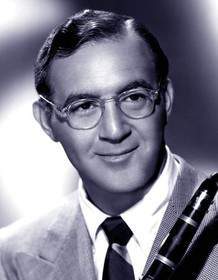
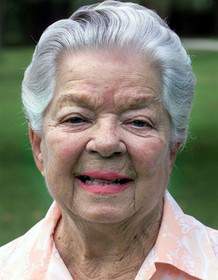
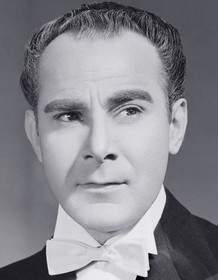
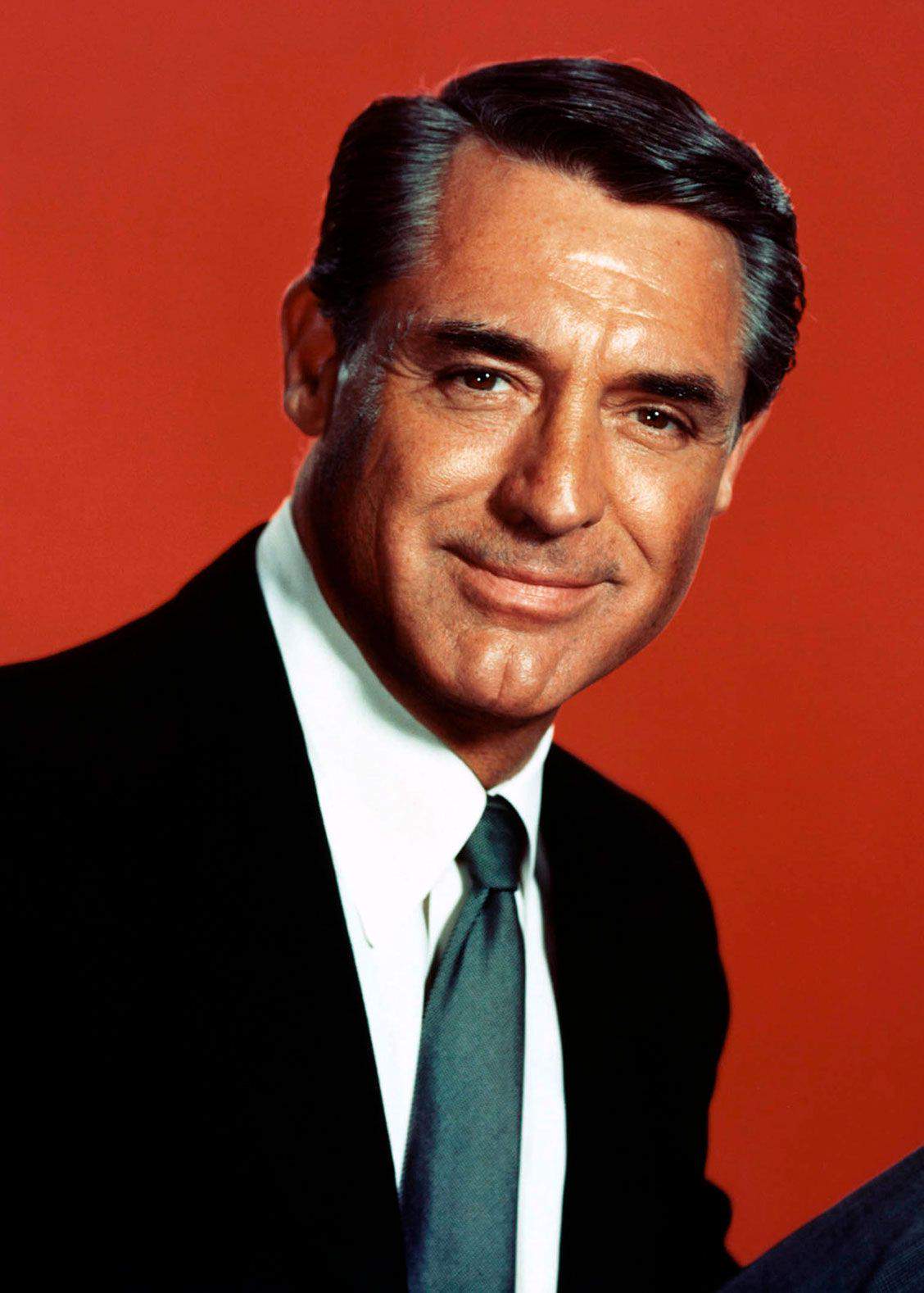
The actors and directors Gene Krupa shares the most films with. Benny Goodman comes first, with 3 films together, followed by Frances Langford (2).
Gene Krupa: Questions & Answers
How many movies Gene Krupa has made, the biggest hit, the best-rated film, the award record and more, answered from the filmography above.
How many movies has Gene Krupa been in?
Gene Krupa is credited on 8 films, from 1936 to 1956. The filmography on this page lists every one of them, newest first, with the role and the Movie Echo Score.
What is Gene Krupa's highest-grossing movie?
The Glenn Miller Story (1954) is Gene Krupa's biggest box office hit, with $994 worldwide. Across every film with box office figures, Gene Krupa's movies have made $994.
Gene Krupa's biggest hits What is Gene Krupa's newest movie?
The most recent film on Gene Krupa's filmography is The Benny Goodman Story (1956).
Who does Gene Krupa work with most often?
Gene Krupa shares the most films with Benny Goodman (3 films), Frances Langford (2 films) and Fritz Feld (2 films).
The Best Gene Krupa Movies, Ranked
Top rated, most awarded and biggest box office hits from 8 credits.
Coming soon to your phone
The Plot Explained Movie Summary App
From blockbusters to hidden gems: plot summaries, endings explained and timelines on your phone. Save your favorites and never miss a twist again.
Be the first to know when it launches. Your email stays private, always. Learn more about the app
