

Brian Desmond Hurst: Movies & Filmography
- films
- 18
- as director
- 17
- on screen
- 1928–1962
- Born
- February 12, 1895
- Birthplace
- Belfast, Ireland
- Citizenship
- Irish, British
- Occupations
- Film director, producer, screenwriter
- Years active
- 1928-1962
Brian Desmond Hurst's Career in Numbers
Brian Desmond Hurst's films in numbers — as a director, not counting appearances as themselves: when they were made, the genres Brian Desmond Hurst works in most and the milestones along the way. The filmography runs from Hangman’s House (1928) to The Playboy of the Western World (1962), and the 1940s were the busiest decade.
Brian Desmond Hurst Movies by Decade
- 1920s 1
- 1930s 3
- 1940s 6
- 1950s 6
- 1960s 2
The 1940s were Brian Desmond Hurst's busiest decade, with 6 films.
Brian Desmond Hurst Movies by Genre
- Drama 5
- Romance 4
- Comedy 3
- Action 1
- History 1
- Fantasy 1
- Crime 1
- Horror 1
Drama is the genre Brian Desmond Hurst has worked in most, with 5 films, ahead of romance (4).
Brian Desmond Hurst Career Milestones
- First film
- Hangman’s House 1928
- Newest film
- The Playboy of the Western World 1962
Brian Desmond Hurst Filmography: Every Movie
Every film Brian Desmond Hurst is credited on, newest first, with the role, the box office and the Movie Echo Score. 17 as director and 1 as actor. Re-order the list to see the best-rated films or the biggest hits first.
Movies Directed by Brian Desmond Hurst
17- 1962
 The Playboy of the Western World Comedy
 - 1961
 His and Hers Comedy
 - 1958
 Behind the Mask Drama
 - 1957
 Dangerous Exile Romance
 - 1956
 The Black Tent Action
 - 1955
 Simba Romance
 - 1953
 Malta Story History
 - 1951
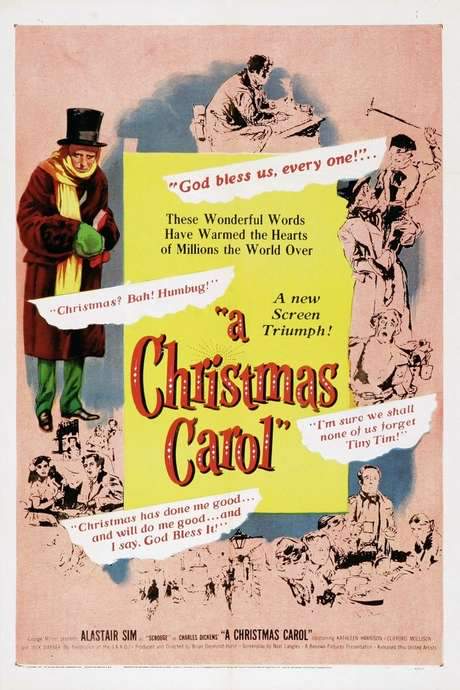 Scrooge Fantasy
 - 1949
 Trottie True Comedy
 - 1947
 The Mark of Cain Crime
 - 1947
 Hungry Hill Drama
 - 1941
 Dangerous Moonlight Romance
 - 1940
 A Call for Arms! Drama
 - 1940
 Miss Grant Goes to the Door
 - 1939
 On the Night of the Fire Drama
 - 1935
 Riders to the Sea Drama
 - 1934
 The Tell-Tale Heart Horror
Brian Desmond Hurst Movies as an Actor
1
Who Is Brian Desmond Hurst?
Brian Desmond Hurst was born in Belfast, Ireland in 1895. Credited on films since 1928, as a director. The background, training and the roles that shaped the career.
Brian Desmond Hurst was born on 12 February 1895 in Belfast, Ireland, into a working-class family with deep roots in the city's shipbuilding industry. After enlisting in the British Army during World War I, he served with the 6th Battalion Royal Irish Rifles, experiencing the brutal realities of combat at Gallipoli and in the Middle East, an experience that would profoundly shape his worldview and later cinematic depictions of conflict. Following the war, Hurst emigrated to Canada in 1920 to study at the Toronto College of Art, seeking to escape the constraints of post-war Belfast. His entry into the film industry came under the tutelage of John Ford, the legendary director with whom he formed a close professional relationship, learning the fundamentals of set management and making a cameo appearance in Ford's Hangman's House (1928). By 1933, Hurst had established himself in London's Belgravia district, where he would reside until his death, though he frequently returned to Ulster for what he described as "a spiritual bath." His early directorial work demonstrated a strong connection to his Irish heritage, including Riders to the Sea (1935), an adaptation of John Millington Synge's play featuring Abbey Theatre actors, and Ourselves Alone (1936), a controversial romance set during the Irish War of Independence that was banned in Northern Ireland despite Hurst's insistence on its pro-British sentiments. These formative works established his reputation for combining technical proficiency with evocative visual storytelling that echoed the elemental quality of his mentor Ford's style.
Hurst's career reached its zenith during the Second World War and the immediate post-war period, when he became one of Britain's most prolific directors of propaganda and war cinema. Working for the Ministry of Information, he produced films such as A Call for Arms (1940) and A Letter From Ulster (1943), the latter promoting unity between Northern Irish civilians and American troops stationed there. His 1941 feature Dangerous Moonlight, featuring Richard Addinsell's famous Warsaw Concerto, became his most commercially successful work and initiated a trend for films centered around romantic concerti. However, Hurst considered Theirs is the Glory (1946) his masterpiece, a unique docudrama that recreated the Battle of Arnhem using actual veterans of the 1st Airborne Division, achieving a level of authenticity that critics have compared favorably to later epics like A Bridge Too Far. In 1951, he directed Scrooge, widely regarded as the definitive cinematic adaptation of Charles Dickens's A Christmas Carol, starring Alastair Sim in an iconic performance. This was followed by the box office triumph Malta Story (1953), featuring Alec Guinness, which captured the heroic defense of the island during WWII. Throughout his later career, Hurst provided early screen opportunities to future stars including Richard Attenborough, Roger Moore, and Vanessa Redgrave, while collaborating frequently with future Bond director Terence Young. He continued directing into the 1960s, with his final film being The Playboy of the Western World (1962), before passing away in London on 26 September 1986 at the age of 91, leaving behind a legacy as Northern Ireland's most celebrated film director.
Who Brian Desmond Hurst Makes Movies With
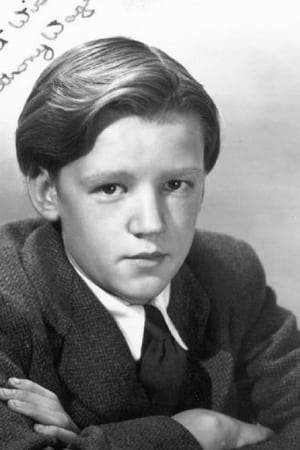
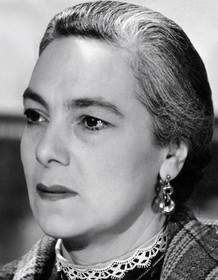
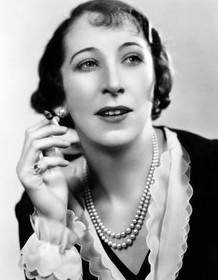
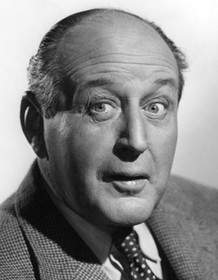
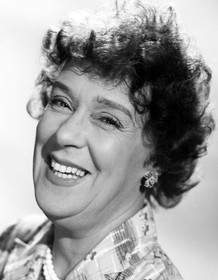
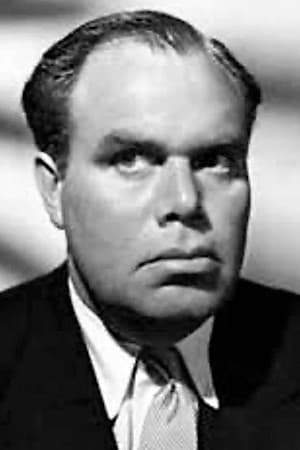
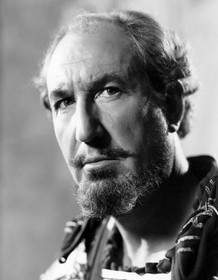
The actors and directors Brian Desmond Hurst shares the most films with. Tony Wager comes first, with 2 films together, followed by Mary Clare (2).
Brian Desmond Hurst: Questions & Answers
How many movies Brian Desmond Hurst has made, the biggest hit, the best-rated film, the award record and more, answered from the filmography above.
How many movies has Brian Desmond Hurst been in?
Brian Desmond Hurst is credited on 18 films, from 1928 to 1962. 1 of them as an actor and 17 as a director. The filmography on this page lists every one of them, newest first, with the role and the Movie Echo Score.
What is Brian Desmond Hurst's newest movie?
The most recent film on Brian Desmond Hurst's filmography is The Playboy of the Western World (1962), which Brian Desmond Hurst directed.
Who does Brian Desmond Hurst work with most often?
Brian Desmond Hurst shares the most films with Tony Wager (2 films), Mary Clare (2 films) and Martita Hunt (2 films).
The Best Brian Desmond Hurst Movies, Ranked
Top rated, most awarded and biggest box office hits from 18 directing credits.
Coming soon to your phone
The Plot Explained Movie Summary App
From blockbusters to hidden gems: plot summaries, endings explained and timelines on your phone. Save your favorites and never miss a twist again.
Be the first to know when it launches. Your email stays private, always. Learn more about the app
