
Worth 2021

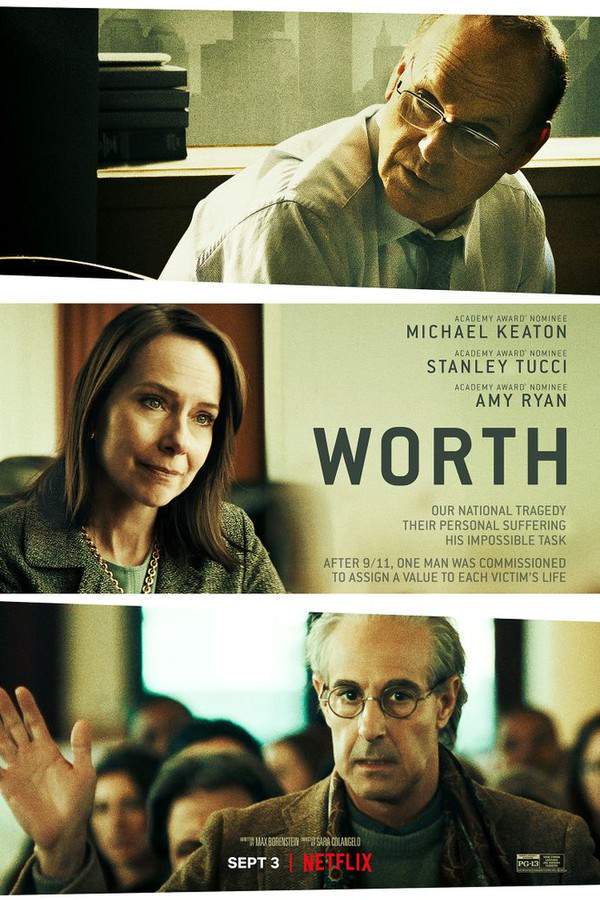
Following the 9/11 attacks, attorney Kenneth Feinberg is appointed to fairly distribute compensation funds to the victim’s families. He works alongside mediator Camille Biros, facing difficult ethical choices as he tries to balance legal processes with the immense grief of those affected. A poignant meeting with Charles Wolf, whose family suffered a terrible loss, profoundly impacts Feinberg, forcing him to deeply consider the emotional consequences of the tragedy and his role in helping the families heal.


Does Worth have end credit scenes?
No!
Worth does not have end credit scenes. You can leave when the credits roll.
Meet the Full Cast and Actors of Worth
Explore the complete cast of Worth, including both lead and supporting actors. Learn who plays each character, discover their past roles and achievements, and find out what makes this ensemble cast stand out in the world of film and television.

Stanley Tucci
Charles Wolf
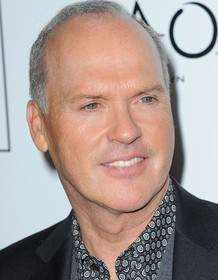
Michael Keaton
Ken Feinberg

Amy Ryan
Camille Biros

Talia Balsam
Dede Feinberg

Laura Benanti
Karen Donato
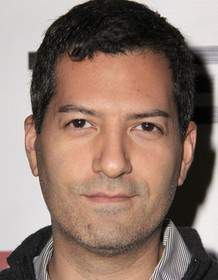
Alfredo Narciso
Defense Lawyer, William

Ato Blankson-Wood
Darryl Barnes
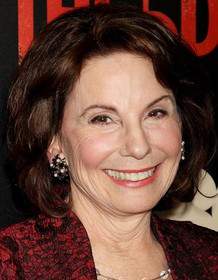
Carolyn Mignini
Gloria Toms
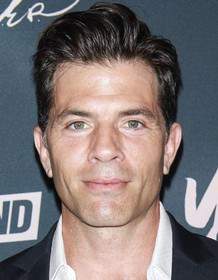
Chris Tardio
Frank Donato
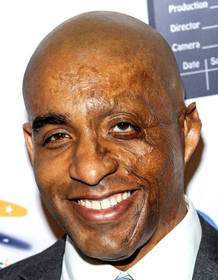
E.R. Ruiz

Shunori Ramanathan
Priya Khundi
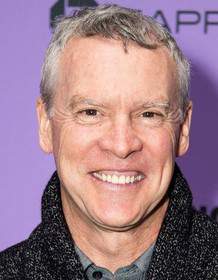
Tate Donovan
Lee Quinn
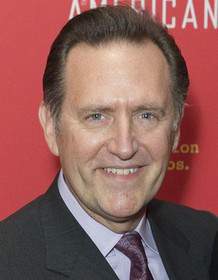
Victor Slezak
John Ashcroft
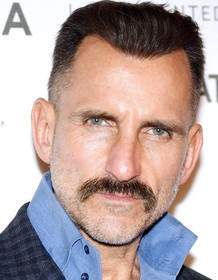
Wass Stevens

Zuzanna Szadkowski
External Links and Streaming Options
Discover where to watch Worth online, including streaming platforms, rental options, and official sources. Compare reviews, ratings, and in-depth movie information across sites like IMDb, TMDb, Wikipedia or Rotten Tomatoes.










Ratings and Reviews for Worth
See how Worth is rated across major platforms like IMDb, Metacritic, and TMDb. Compare audience scores and critic reviews to understand where Worth stands among top-rated movies in its genre.

The Movie Echo Score
Worth delivers a thoughtful but uneven dramatization of the 9/11 compensation fund. The film benefits from Michael Keaton's nuanced performance and moments of sharp dialogue, yet the narrative often stalls under melodramatic clichés and a by‑the‑numbers script. Direction and visual choices provide occasional tension, but inconsistent pacing hampers sustained engagement. In sum, the movie offers a respectable yet flawed exploration of a complex subject, making it a modestly compelling watch for interested audiences.
The Movie Echo Score Breakdown for Worth

Art & Craft
In terms of art and craft, the direction shows a sincere approach, creating arresting tension in key scenes. Critics note effective use of close-ups that reveal subtle facial expressions, while some comment on the film’s workmanlike editing. Visual composition receives occasional praise, though the overall aesthetic remains restrained. Consequently, the technical execution is competent with occasional highlights, positioning it above average but not exceptional.

Character & Emotion
When evaluating character and emotion, performances stand out as the film's primary strength. Michael Keaton and Stanley Tucci receive consistent commendation for depth and chemistry, delivering nuanced portrayals of complex individuals. Supporting actors are also described as in‑the‑moment, enhancing emotional resonance. Although the script limits character development, the acting elevates the material, resulting in a highly effective character experience.

Story & Flow
The story and flow aspect receives the most criticism. Reviewers highlight a confusing structure, reliance on melodramatic tropes, and an over‑by‑the‑numbers script that dilutes momentum. Pacing issues and missed opportunities to clarify the compensation framework further weaken narrative cohesion. While the premise is compelling, execution falls short, leading to a lukewarm overall impression of the film’s storytelling.

Sensory Experience
Sensory experience is moderately effective. The film employs focused camera work to emphasize internal states, and the visual palette is described as sober and appropriate for the subject. Sound design and score receive limited comment, suggesting they neither distract nor excel. Overall, the sensory elements support the narrative without achieving notable distinction.

Rewatch Factor
Rewatch factor is modest. While the strong central performances and occasional insightful scenes make a second viewing worthwhile for some, the uneven pacing and melodramatic moments diminish lasting appeal. Viewers are advised that the film serves as a decent option among similar releases but lacks the momentum to encourage frequent revisits.

67
Metascore
6.6
User Score


81%
TOMATOMETER

76%
User Score

6.8 /10
IMDb Rating

67
%
User Score

3.3
From 4 fan ratings

4.55/5
From 11 fan ratings
Take the Ultimate Worth Movie Quiz
Challenge your knowledge of Worth with this fun and interactive movie quiz. Test yourself on key plot points, iconic characters, hidden details, and memorable moments to see how well you really know the film.
Worth: The Compensation Fund Quiz: Test your knowledge about the film 'Worth', which explores the emotional and legal intricacies of valuing human life after the September 11 attacks.
Who is the main character responsible for managing the September 11th Victim Compensation Fund?
Full Plot Summary and Ending Explained for Worth
Read the complete plot summary of Worth, including all major events, twists, and the full ending explained in detail. Explore key characters, themes, hidden meanings, and everything you need to understand the story from beginning to end.
The film begins with Kenneth Feinberg engaging his class at Columbia University, providing a thoughtful perspective on the legal system’s valuation of a person’s life. However, events take a drastic turn with the September 11 attacks, leading to Feinberg’s appointment as the Special Master of the September 11th Victim Compensation Fund. His law partner, Camille Biros, takes on the role of administrative deputy. In the wake of this tragedy, Feinberg devises a stringent formula for determining payout amounts based on each victim’s income. He faces pressure to secure the signatures of at least 80 percent of the 7,000 estimated victims; failure to do so would allow them to pursue lawsuits that they may ultimately lose, jeopardizing the airline industry and risking a financial crisis.
With a deadline looming until December 22, 2003, Feinberg’s first attempt to meet victims proves challenging. During an initial meeting, his efforts to clarify the fund’s regulations are met with hostility. The angry crowd is tempered when Charles Wolf, who lost his wife in the attacks, boldly insists that they hear Feinberg out. However, the confrontation escalates when Frank Donato, the brother of a fallen firefighter, urges Feinberg to include his brother’s tragic story—a story of communication failure in a time of crisis. This moment highlights the tension between the legal framework and the emotional realities of loss.
As Camille Biros connects with victims, she is particularly moved by the plight of Graham Morris, a gay man whose partner perished in the attack. Unfortunately, due to Virginia’s lack of recognition for civil partnerships at the time, Morris cannot receive compensation. The pressure intensifies when well-off families of victims demand larger payouts, threatening the integrity of the fund and the collective effort for justice and remembrance.
Amid the outcry, Feinberg finds himself at an impasse with not only the victims but also the management of the fund. After an enlightening encounter with Charles Wolf at the opera, who shares a personal anecdote of enduring hardship, Feinberg regains his determination to connect compassionately with the families. With renewed vigor, he and Biros start utilizing the discretion afforded by the government to broaden the fund’s eligibility criteria.
As Feinberg engages more with the victims, he creates a dedicated shrine in his office from tokens provided by applicants, symbolizing the impact of their stories on his mission. When Wolf witnesses Feinberg’s genuine empathy towards those affected, he plays a pivotal role in rallying other victims to trust Feinberg’s judgment. By the approaching deadline, a significant number of eligible families decide to apply for compensation, leading to a remarkable success story. In a touching moment, Donato’s widow visits to contribute her late husband’s children’s claims, while Biros delivers emotional news to Morris about the fund’s support for other same-sex couples despite his own heart-wrenching circumstances.
The film concludes with a poignant title card affirming that Feinberg and Biros successfully distributed billions in government aid to 97 percent of eligible victims, and their dedication to helping others affected by similar tragedies continues.

Watch Trailers, Clips & Behind-the-Scenes for Worth
Watch official trailers, exclusive clips, cast interviews, and behind-the-scenes footage from Worth. Dive deeper into the making of the film, its standout moments, and key production insights.
Worth Themes and Keywords
Discover the central themes, ideas, and keywords that define the movie’s story, tone, and message. Analyze the film’s deeper meanings, genre influences, and recurring concepts.
Worth Other Names and Titles
Explore the various alternative titles, translations, and other names used for Worth across different regions and languages. Understand how the film is marketed and recognized worldwide.
Similar Movies To Worth You Should Know About
Browse a curated list of movies similar in genre, tone, characters, or story structure. Discover new titles like the one you're watching, perfect for fans of related plots, vibes, or cinematic styles.
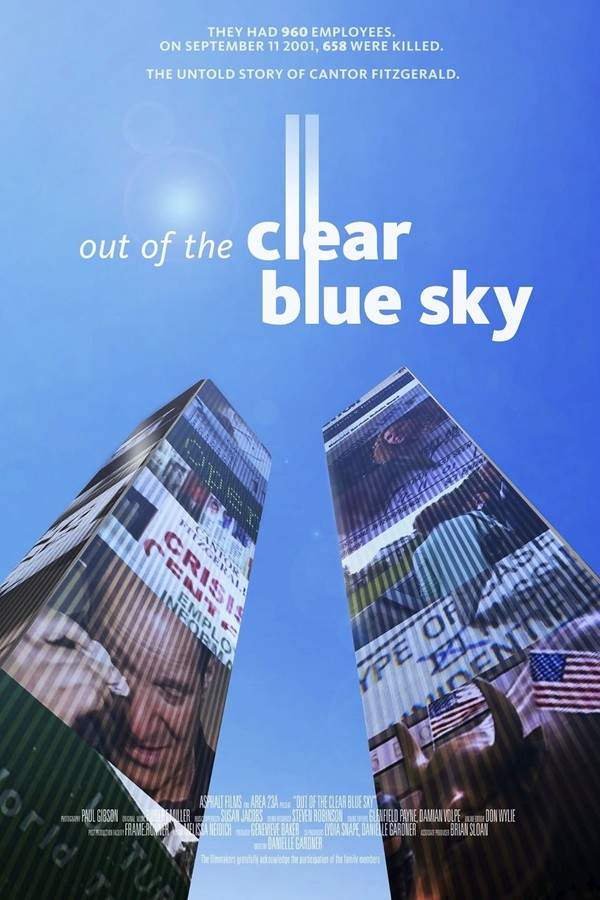
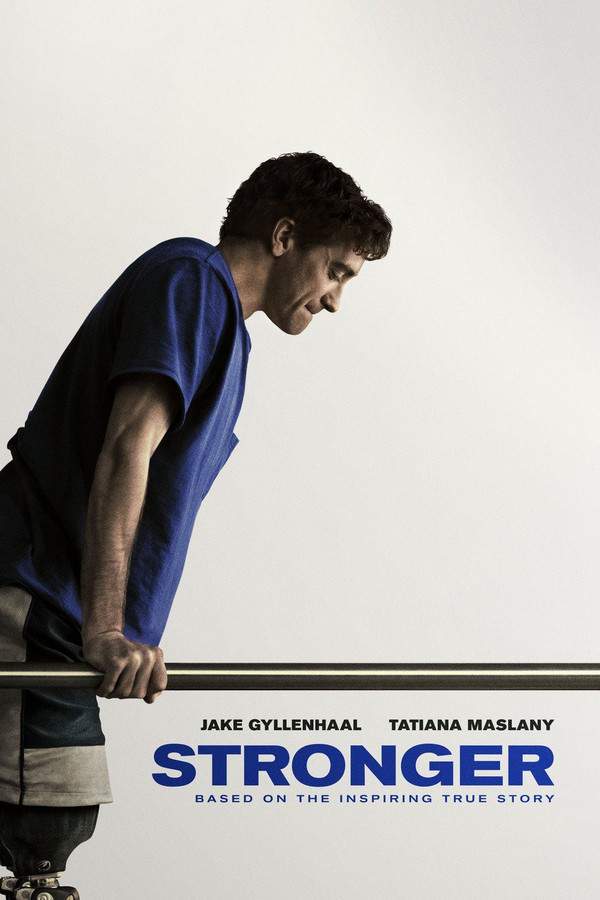

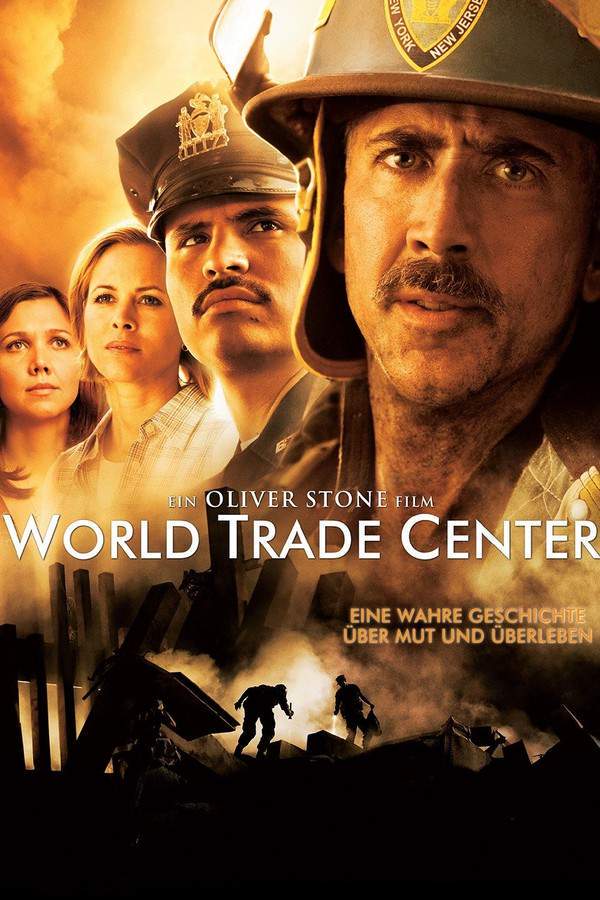


Quick Links: Summary, Cast, Ratings, More

What's After the Movie?
Not sure whether to stay after the credits? Find out!




Explore Our Movie Platform
New Movie Releases (2026)
Famous Movie Actors
Top Film Production Studios
Movie Plot Summaries & Endings
Major Movie Awards & Winners
Best Concert Films & Music Documentaries
Movie Collections and Curated Lists
© 2026 What's After the Movie. All rights reserved.