Whitey 1980

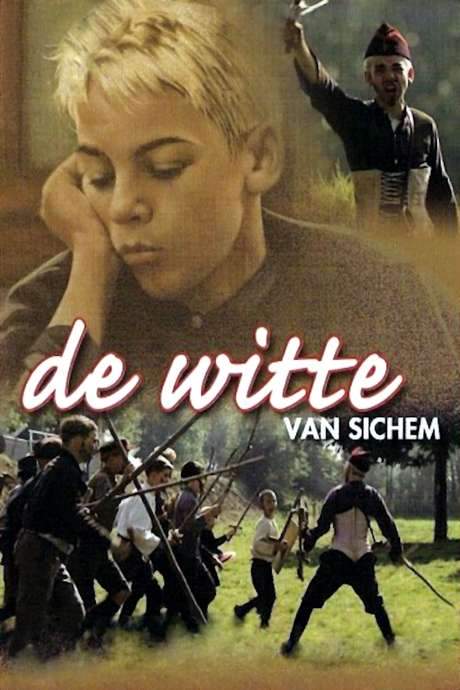
The colour adaptation of Ernest Claes’ Flemish novel, named after the blond‑haired boy whose nickname means “the White”. A clever but disobedient farmhand’s pranks anger teachers, his father’s landlord and the curate. When his mother catches him skinny‑diving she strips his clothes, forcing a humiliating walk home fearing his father’s wrath. The film highlights the story’s social and Flemish themes.


Does Whitey have end credit scenes?
No!
Whitey does not have end credit scenes. You can leave when the credits roll.
Meet the Full Cast and Actors of Whitey
Explore the complete cast of Whitey, including both lead and supporting actors. Learn who plays each character, discover their past roles and achievements, and find out what makes this ensemble cast stand out in the world of film and television.

Sam Bogaerts
Molenaarshulp
Anton Cogen
Wooden shoe maker
Fred Van Kuyk
Trommelaar
Chris Lomme
Rosette
Jaak Van Assche
Man in café
Michaël Pas
Schooljongen
Chris Cauwenberghs
Koster
Luk De Konink
De Ruige
Jos Verbist
Heinke Verheyden
Leo Martin
Muzikant
Reinhilde Decleir
Zigeuner
Paul-Emile Van Royen
Leraar/Fabriekschef
Marleen Merckx
Vriendin van Liza
Blanka Heirman
Moeder van de Witte
Yvonne Verbeeck
Werkster
Paul S'Jongers
Boer Coene
Clerckx Eric
Louis Verheyden/De Witte
Willy Vandermeulen
Vader van de Witte
Magda De Winter
Liza Coene
Martha Dewachter
Rozalien
Gaston Berghmans
Nand
Raymond van het Groenewoud
Kaartjesverkoper
Mieke Verheyden
Struikelende non
Ralf Troch
Nils Verheyden
Luc Philips
Pastoor Munte
Bert Struys
Wannes Raps
Bob Van der Veken
Mon
Yves Vetters
Dries
Joris Sustronck
Priester
Werther Vander Sarren
Jan Petrol
Wannes van de Velde
Zanger
External Links and Streaming Options
Discover where to watch Whitey online, including streaming platforms, rental options, and official sources. Compare reviews, ratings, and in-depth movie information across sites like IMDb, TMDb, Wikipedia or Letterboxd.




Take the Ultimate Whitey Movie Quiz
Challenge your knowledge of Whitey with this fun and interactive movie quiz. Test yourself on key plot points, iconic characters, hidden details, and memorable moments to see how well you really know the film.
Whitey (1980) Quiz: Test your knowledge of the film "Whitey" (1980), covering its plot, characters, and key events.
In which year does the main storyline of the film take place before the jump to 1980?
Full Plot Summary and Ending Explained for Whitey
Read the complete plot summary of Whitey, including all major events, twists, and the full ending explained in detail. Explore key characters, themes, hidden meanings, and everything you need to understand the story from beginning to end.
The film is set in and around Sichem in 1901, focusing on Louis Verheyden, an 11-year-old boy who lives with his parents and two brothers on a farm. His mother is irritable and grouchy, and his father works for the landowner Coene, rarely being home except for dinner. The family dynamic is tense: Louis endures his father’s occasional blows, and he is bullied by his brothers Nis and Heinke. School is a miserable place for him, largely because of a severe teacher who believes in harsh discipline. Corporal punishment is common in this era, and pupils are cuffed, scolded, or even locked away for misbehavior.
Louis is a mischievous child who stirs up trouble in small, cheeky ways: giving wrong directions, trying to haggle for money from his brothers, tying people to chairs during church, stealing smoking materials from Coene, instructing family members to salt the potatoes excessively, and chasing Coene’s horses. Almost every scheme ends with punishment, and one of the most humiliating moments comes after he goes skinny-dipping in the river Demer; when his mother discovers him, Louis is forced to return home naked after his clothes are taken away. The tension at home and at school pushes him toward bigger fantasies and braver but reckless actions.
A turning point comes when Coene sends Louis to the nearby Averbode Abbey to deliver a package. There, he is struck by the beauty inside—the serene Gregorian singing, the lush garden, and the bustling printing establishment. This glimpse of a more ordered world plants a seed of curiosity and possibility in him. Later, during another punishment in the cellar, Louis discovers books by Hendrik Conscience and becomes obsessed with The Lion of Flanders and the Battle of the Golden Spurs. His imagination turns him into a tiny warrior, as he coerces his friends into reenacting a battle, with some of the children ending up injured and their mothers and the local priest rushing to intervene. The scene pulls Louis further into a world of heroism and danger, even as his own body and voice betray him.
Desperation drives his mother to send Louis and Heinke on a pilgrimage, hoping to curb his unruly streak. The journey leads them into a street brawl between the police and socialist supporters, forcing them to flee into a pub. The pub, it turns out, is run by socialists. Heinke Verheyden, a Catholic, tries to impress the female bartender by boasting about his political leanings, which Louis sees as blasphemy and uses as leverage against his friend. He threatens Heinke by threatening to expose his relationship with his girlfriend Liza Coene.
The year culminates in the annual fair. Louis tricks his brother by claiming their mother has promised to give him 15 Belgian Cents. At the fair, he reunites with his mother and, once again, ends up with more money, prompting their furious father to demand that Louis work for Coene to repay the extra sum or be sent to a community home. In the midst of this tension, Louis experiences two troubling incidents: a suicide attempt in the river and the end of Liza’s relationship with Heinke. The events escalate into a chaotic fight in a spiegeltent during the fair’s ball, leaving a lasting impression on Louis and his world.
The story then shifts forward to 1980, when a blond student who bears a striking resemblance to Louis appears in the printing establishment at Averbode Abbey. This look-alike is played by Eric Clerckx, who, with a different haircut, embodies the same restless spirit. He works in the same printing house, and when he drops a box, his boss scolds him. Inside the box lies the 117th reprint of the novel, “Whitey,” hinting at how Louis’s youthful curiosities echo through the ages and linger in the memory of the place.

Coming soon on iOS and Android
The Plot Explained Mobile App
From blockbusters to hidden gems — dive into movie stories anytime, anywhere. Save your favorites, discover plots faster, and never miss a twist again.
Sign up to be the first to know when we launch. Your email stays private — always.
Explore the mobile appDiscover Film Music Concerts Near You – Live Orchestras Performing Iconic Movie Soundtracks
Immerse yourself in the magic of cinema with live orchestral performances of your favorite film scores. From sweeping Hollywood blockbusters and animated classics to epic fantasy soundtracks, our curated listings connect you to upcoming film music events worldwide.
Explore concert film screenings paired with full orchestra concerts, read detailed event information, and secure your tickets for unforgettable evenings celebrating legendary composers like John Williams, Hans Zimmer, and more.


Whitey Themes and Keywords
Discover the central themes, ideas, and keywords that define the movie’s story, tone, and message. Analyze the film’s deeper meanings, genre influences, and recurring concepts.
Whitey Other Names and Titles
Explore the various alternative titles, translations, and other names used for Whitey across different regions and languages. Understand how the film is marketed and recognized worldwide.
Similar Movies To Whitey You Should Know About
Browse a curated list of movies similar in genre, tone, characters, or story structure. Discover new titles like the one you're watching, perfect for fans of related plots, vibes, or cinematic styles.


Quick Links: Summary, Cast, Ratings, More

What's After the Movie?
Not sure whether to stay after the credits? Find out!
Check out our other apps:

SAT Sphere
Build confidence for the Digital SAT.

Mori Atlas
Discover wild places worth protecting.

Luntero
Search smarter for a home in Amsterdam.

Plot Explained
Unravel movie endings and hidden clues.

Pokechamp
Dive into Pokémon data and battle logic.

Driving Theory
Get ready for your European theory test.

Movie Dust
Plan your next cinema trip with ease.

Musemap
Find art and culture as you travel.

Selkobase
Compare credentials before committing.

Local Manual
Turn an unfamiliar country into practical next steps.

Lernavi
Compare school systems before your next move.

GymRoam
Find a workout stop wherever your plans take you.
Explore Our Movie Platform
New Movie Releases (2026)
Famous Movie Actors
Top Film Production Studios
Movie Plot Summaries & Endings
Major Movie Awards & Winners
Best Concert Films & Music Documentaries
Movie Collections and Curated Lists
© 2026 What's After the Movie. All rights reserved.
Privacy Policy