Two Half-Times in Hell 1961


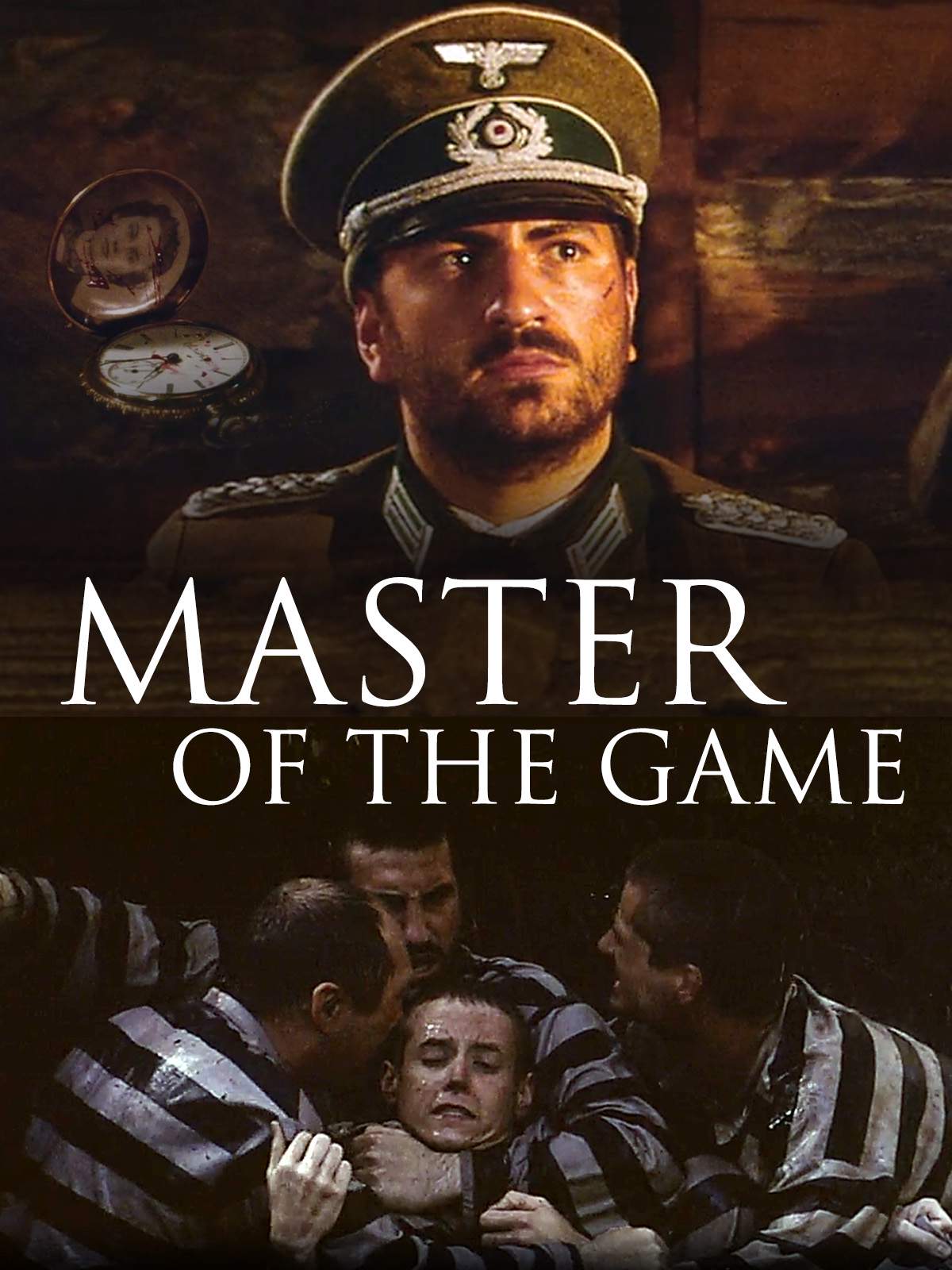
To celebrate Hitler’s birthday, the Nazis stage a soccer match pitting German soldiers against a group of Hungarian political prisoners. Among the inmates is a renowned pre‑war football star, whose presence turns the forced contest into a tense showdown that highlights both propaganda and the prisoners’ resilience.


Does Two Half-Times in Hell have end credit scenes?
No!
Two Half-Times in Hell does not have end credit scenes. You can leave when the credits roll.
Meet the Full Cast and Actors of Two Half-Times in Hell
Explore the complete cast of Two Half-Times in Hell, including both lead and supporting actors. Learn who plays each character, discover their past roles and achievements, and find out what makes this ensemble cast stand out in the world of film and television.

External Links and Streaming Options
Discover where to watch Two Half-Times in Hell online, including streaming platforms, rental options, and official sources. Compare reviews, ratings, and in-depth movie information across sites like IMDb, TMDb, Wikipedia or Letterboxd.




Full Plot Summary and Ending Explained for Two Half-Times in Hell
Read the complete plot summary of Two Half-Times in Hell, including all major events, twists, and the full ending explained in detail. Explore key characters, themes, hidden meanings, and everything you need to understand the story from beginning to end.
In the spring of 1944, Nazi officers plan a football match to celebrate Hitler’s birthday, pitting a German team against Hungarian labour servicemen. Ónódi, the famous Hungarian footballer, is portrayed by Imre Sinkovits and is ordered to assemble a squad.
Ónódi agrees, but he makes clear his demands: extra food, a training ball, and the chance to focus on training before the match rather than continuing with work. The Germans acquiesce to these requests but issue one grim caveat: Ónódi should not include Jews in the team. Among the potential players is Dezső Garas as Steiner, a Jew who cannot legally play football and who had lied to Ónódi out of fear of death.
To fill the ranks, Ónódi must recruit from another battalion, since only eight of the 98 servicemen can actually play. The squad begins to take shape with Tibor Molnár as Rácz and Zoltán Gera as Tankó Sándor, while Sándor Suka appears as Koczina among the hopefuls. The tension tightens as the players prepare, aware of the impossible odds and the looming threat.
During training, the group manages to subdue the Hungarian gendarmerie guarding them and makes a dangerous bid for escape. They are soon recaptured and confronted with the prospect of the death penalty, yet a Hungarian officer orders that the match must go on, insisting that sport and pressure continue to unfold under the oppressive gaze of their captors.
At the opening of the match, the Germans look sharp and rapid, scoring three goals while the Hungarians manage to put one on the board before the halftime whistle; the score stands 3–1 in favor of Germany. At the interval, the Hungarian commander hints that the players might avoid execution if they lose, a possibility the team refuses to believe. The second half erupts with renewed effort, and the Hungarians rally to notch three more goals, yet the bitter truth remains: as the match unfolds, the players are executed by the Germans, a grim culmination of fear, coercion, and war’s brutal logic.
The story unfolds with stark, somber clarity, underscoring how a game can be bent and corrupted by occupation and threat, and how loyalty, courage, and tragedy intertwine in the face of fascist brutality. The film’s ensemble cast includes Laboch Gerald in a supporting role, adding to the weight of the narrative.

Coming soon on iOS and Android
The Plot Explained Mobile App
From blockbusters to hidden gems — dive into movie stories anytime, anywhere. Save your favorites, discover plots faster, and never miss a twist again.
Sign up to be the first to know when we launch. Your email stays private — always.
Explore the mobile appDiscover Film Music Concerts Near You – Live Orchestras Performing Iconic Movie Soundtracks
Immerse yourself in the magic of cinema with live orchestral performances of your favorite film scores. From sweeping Hollywood blockbusters and animated classics to epic fantasy soundtracks, our curated listings connect you to upcoming film music events worldwide.
Explore concert film screenings paired with full orchestra concerts, read detailed event information, and secure your tickets for unforgettable evenings celebrating legendary composers like John Williams, Hans Zimmer, and more.


Two Half-Times in Hell Themes and Keywords
Discover the central themes, ideas, and keywords that define the movie’s story, tone, and message. Analyze the film’s deeper meanings, genre influences, and recurring concepts.
Two Half-Times in Hell Other Names and Titles
Explore the various alternative titles, translations, and other names used for Two Half-Times in Hell across different regions and languages. Understand how the film is marketed and recognized worldwide.
Similar Movies To Two Half-Times in Hell You Should Know About
Browse a curated list of movies similar in genre, tone, characters, or story structure. Discover new titles like the one you're watching, perfect for fans of related plots, vibes, or cinematic styles.



Quick Links: Summary, Cast, Ratings, More

What's After the Movie?
Not sure whether to stay after the credits? Find out!
Check out our other apps:

SAT Sphere
Build confidence for the Digital SAT.

Mori Atlas
Discover wild places worth protecting.

Luntero
Search smarter for a home in Amsterdam.

Plot Explained
Unravel movie endings and hidden clues.

Pokechamp
Dive into Pokémon data and battle logic.

Driving Theory
Get ready for your European theory test.

Movie Dust
Plan your next cinema trip with ease.

Musemap
Find art and culture as you travel.

Selkobase
Compare credentials before committing.

Local Manual
Turn an unfamiliar country into practical next steps.

Lernavi
Compare school systems before your next move.

GymRoam
Find a workout stop wherever your plans take you.
Explore Our Movie Platform
New Movie Releases (2026)
Famous Movie Actors
Top Film Production Studios
Movie Plot Summaries & Endings
Major Movie Awards & Winners
Best Concert Films & Music Documentaries
Movie Collections and Curated Lists
© 2026 What's After the Movie. All rights reserved.
Privacy Policy