Tragedy of a Ridiculous Man 1981


When the son of the owner of a large Italian cheese factory is kidnapped, the business teeters on the brink of bankruptcy. Determined to save both his child and his livelihood, the father devises a scheme to channel the ransom money directly back into the factory as a crucial reinvestment, hoping the infusion will stabilize the struggling operation.

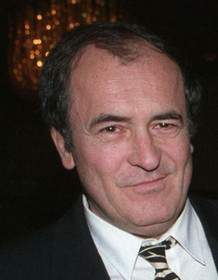

Does Tragedy of a Ridiculous Man have end credit scenes?
No!
Tragedy of a Ridiculous Man does not have end credit scenes. You can leave when the credits roll.
Meet the Full Cast and Actors of Tragedy of a Ridiculous Man
Explore the complete cast of Tragedy of a Ridiculous Man, including both lead and supporting actors. Learn who plays each character, discover their past roles and achievements, and find out what makes this ensemble cast stand out in the world of film and television.

Anouk Aimée
Barbara Spaggiari

Ugo Tognazzi
Primo Spaggiari
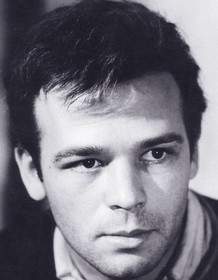
Renato Salvatori
Colonnello Macchi
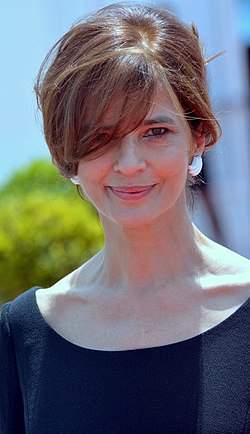
Laura Morante
Laura

Cosimo Cinieri
magistrato
Franco Trevisi
Victor Cavallo
Adelfo
Vittorio Caprioli
Maresciallo Angrisani
Olimpia Carlisi
la chiromante Romola
Margherita Chiari
la servante
Gaetano Ferrari
le garde
Pietro Longari Ponzoni
External Links and Streaming Options
Discover where to watch Tragedy of a Ridiculous Man online, including streaming platforms, rental options, and official sources. Compare reviews, ratings, and in-depth movie information across sites like IMDb, TMDb, Wikipedia or Letterboxd.




Full Plot Summary and Ending Explained for Tragedy of a Ridiculous Man
Read the complete plot summary of Tragedy of a Ridiculous Man, including all major events, twists, and the full ending explained in detail. Explore key characters, themes, hidden meanings, and everything you need to understand the story from beginning to end.
Primo Spaggiari [Ugo Tognazzi] is a small cheese factory owner from Parma, a self-made man whose peasant roots and elementary schooling shaped his practical, stubborn resolve. His wife, Barbara Spaggiari [Anouk Aimée], brings a touch of refinement and a contrasting worldview to their life, balancing the rustic world Primo governs with a more cosmopolitan sensibility. Their son, Giovanni Spaggiari [Ricky Tognazzi], stands at the center of a family already pressed by economic strain and the pressures of a changing Italy. In this tense setup, the family’s ordinary routine is shattered when Giovanni is snatched by a group of terrorists, and Primo learns that the ransom demanded is astronomical: one billion lire. The shock of the kidnapping comes at a moment when Primo’s dairy, already ailing under a severe economic crisis, faces an uncertain future that could drive the entire family into bankruptcy.
A young worker, Laura [Laura Morante], Giovanni’s girlfriend, and Adelfo [Victor Cavallo], a worker-priest who knows the factory floor and the community inside out, step into the unfolding drama. Their presence adds a new layer of insight into the kidnapping, offering Primo a different perspective on the case and the people around it. Through their eyes, Primo begins to see the broader network surrounding his son’s disappearance, and he starts to grasp that the truth may be more complex than a straightforward rescue mission. The involvement of Laura and Adelfo—two voices rooted in the everyday life of the shop and the parish—brings a sense of communal memory to the crisis, a reminder that in times of crisis the line between personal loss and collective responsibility can blur.
From Laura and Adelfo, Primo discovers a painful truth: his son Giovanni has died. This revelation would be enough to shatter a man who has built a life from nothing but grit and grit alone, but Primo refuses to let despair derail his efforts. Instead, he presses on, determined to protect what remains of his world. Barbara stands with him, pushing back against the sense that the boy’s fate negates the future they have fought to build. Together, the couple resolves to preserve not just their family but also the factory that sustains their livelihood. The stakes are now twofold: save Giovanni’s legacy and safeguard the livelihood of the workers who depend on the dairy’s survival.
The case draws in local authorities, including Colonnello Macchi [Renato Salvatori] and a magistrate [Cosimo Cinieri], who weigh in as the pressure and intrigue of the kidnapping escalate. They add a formal gravity to the tale, complicating Primo’s bid to navigate an impossible ransom while keeping the business afloat. The situation is further entangled by a web of rumors, loyalties, and hidden agendas that people on the ground—Laura, Adelfo, and the other workers—begin to unravel. Among the figures who drift in and out of the story is la chiromante Romola [Olimpia Carlisi], a fortune-teller whose presence hints at the way fear and superstition can color the judgments of a close-knit community. And in the shadows, the ever-present tension of power and surveillance is embodied by le garde [Gaetano Ferrari], a quiet reminder that the crisis sits at the crossroads of personal fate and social order.
As months turn into a stubborn test of resolve, the couple discovers that a false letter, written by Giovanni’s girlfriend, has given direction to the ransom deposit. In a crucial move, Primo and Barbara follow the enigmatic instruction to deposit the money in the indicated place, driven by a stubborn hope that any sign of Giovanni’s life might still be possible. The act itself is a paradox: money intended to buy a rescue becomes a test of faith in the very systems that universities, city halls, and factories rely on to govern themselves. The tension of the plot tightens as the expected moment of deliverance arrives—or does not—until Giovanni suddenly reappears, altering the narrative in a way that reveals the fragility of control in a world shaped by violence and greed.
In the wake of Giovanni’s return, the story pivots away from individual rescue toward collective transformation. The billion lire, rather than restoring the family’s personal fortune, is redirected into the dairy, which is reimagined as a cooperative owned and run by the workers. This dramatic shift marks a turning point not only for Primo and Barbara but for the entire community connected to the factory. The film uses this pivot to explore themes of resilience, solidarity, and the possibility that the strongest form of protection for a family is a shared enterprise built on mutual trust and a communal sense of purpose. As the workers take control, the legacy of Giovanni’s absence and the family’s endurance become a catalyst for a new social order, where collaboration and collective responsibility stand in for the lone hero’s power.
Throughout the narrative, the characters move through a landscape that blends intimate family drama with a broader social panorama. Primo’s stubborn pragmatism sits beside Barbara’s perceptive adaptability, while Laura and Adelfo embody a humane, grass-roots intelligence that helps steer the course of events. The presence of law enforcement and the magistrate underscores the formal pressures that accompany a kidnapping case, yet the heart of the story remains the relationship between a father who has built a life from nothing and a mother who refuses to abandon that life to despair. In the end, the film leaves us with a quiet, almost ceremonial, affirmation: sometimes the most enduring form of salvation is not a return to the past but a reimagining of the present, where a community’s labor and shared ownership can turn calamity into renewal.

Coming soon on iOS and Android
The Plot Explained Mobile App
From blockbusters to hidden gems — dive into movie stories anytime, anywhere. Save your favorites, discover plots faster, and never miss a twist again.
Sign up to be the first to know when we launch. Your email stays private — always.
Explore the mobile appDiscover Film Music Concerts Near You – Live Orchestras Performing Iconic Movie Soundtracks
Immerse yourself in the magic of cinema with live orchestral performances of your favorite film scores. From sweeping Hollywood blockbusters and animated classics to epic fantasy soundtracks, our curated listings connect you to upcoming film music events worldwide.
Explore concert film screenings paired with full orchestra concerts, read detailed event information, and secure your tickets for unforgettable evenings celebrating legendary composers like John Williams, Hans Zimmer, and more.


Tragedy of a Ridiculous Man Themes and Keywords
Discover the central themes, ideas, and keywords that define the movie’s story, tone, and message. Analyze the film’s deeper meanings, genre influences, and recurring concepts.
Tragedy of a Ridiculous Man Other Names and Titles
Explore the various alternative titles, translations, and other names used for Tragedy of a Ridiculous Man across different regions and languages. Understand how the film is marketed and recognized worldwide.
Similar Movies To Tragedy of a Ridiculous Man You Should Know About
Browse a curated list of movies similar in genre, tone, characters, or story structure. Discover new titles like the one you're watching, perfect for fans of related plots, vibes, or cinematic styles.


-hbTR_oK2SWsInw.jpg)


Quick Links: Summary, Cast, Ratings, More

What's After the Movie?
Not sure whether to stay after the credits? Find out!
Check out our other apps:

SAT Sphere
Build confidence for the Digital SAT.

Mori Atlas
Discover wild places worth protecting.

Luntero
Search smarter for a home in Amsterdam.

Plot Explained
Unravel movie endings and hidden clues.

Pokechamp
Dive into Pokémon data and battle logic.

Driving Theory
Get ready for your European theory test.

Movie Dust
Plan your next cinema trip with ease.

Musemap
Find art and culture as you travel.

Selkobase
Compare credentials before committing.

Local Manual
Turn an unfamiliar country into practical next steps.

Lernavi
Compare school systems before your next move.

GymRoam
Find a workout stop wherever your plans take you.
Explore Our Movie Platform
New Movie Releases (2026)
Famous Movie Actors
Top Film Production Studios
Movie Plot Summaries & Endings
Major Movie Awards & Winners
Best Concert Films & Music Documentaries
Movie Collections and Curated Lists
© 2026 What's After the Movie. All rights reserved.
Privacy Policy