Three Seats for the 26th 1988


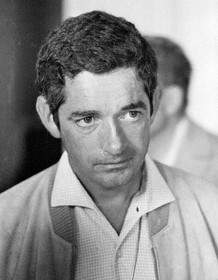
Yves Montand appears as himself, returning to his native Marseille to star in an autobiographical musical that mirrors his own experiences. While there he searches for the barmaid he once loved and meets the hopeful young Marion, to whom he offers a once‑in‑a‑lifetime opportunity to shine.


Does Three Seats for the 26th have end credit scenes?
No!
Three Seats for the 26th does not have end credit scenes. You can leave when the credits roll.
Meet the Full Cast and Actors of Three Seats for the 26th
Explore the complete cast of Three Seats for the 26th, including both lead and supporting actors. Learn who plays each character, discover their past roles and achievements, and find out what makes this ensemble cast stand out in the world of film and television.

Yves Montand
Yves Montand

Pierre Maguelon
Marius Ceredo
Françoise Fabian
Mylene de Lambert
Antoine Bourseiller
Fonteneau
Géraldine Pailhas
Dancer
Jacques Nolot
Marcel Amy
Mathilda May
Marion
Catriona MacColl
Betty Miller
Hélène Surgère
Librarian
Geoffrey Carey
Michael
Patrick Fierry
Toni Fontaine
Christophe Bourseiller
Serge
Jean-Benoît Terral
Gardien d'hôtel
Georges Neri
Gardien du port
Bertrand Lacy
Steve Larsenal
Raoul Curet
Directeur de l'hôtel
Katy Varda
Alice
Carlo Nell
Berlingot
Jean-Claude Bouillaud
Le Capitaine
Jean-Louis Rolland
Audifred
Christiane Minazzoli
Mme Simonot
Danielle Durou
Mlle Destain
Paul Guers
Max Leehman
Dominique Varda
Librarian
External Links and Streaming Options
Discover where to watch Three Seats for the 26th online, including streaming platforms, rental options, and official sources. Compare reviews, ratings, and in-depth movie information across sites like IMDb, TMDb, Wikipedia or Letterboxd.




Full Plot Summary and Ending Explained for Three Seats for the 26th
Read the complete plot summary of Three Seats for the 26th, including all major events, twists, and the full ending explained in detail. Explore key characters, themes, hidden meanings, and everything you need to understand the story from beginning to end.
The film opens with Yves Montand, a renowned singer and performer, arriving in Marseille—the city of his youth—to rehearse a new musical inspired by the arc of his own life. The project unfolds as a backstage diary, tracing his growth from days of relative anonymity to the bright glare of the stage, and it threads in the emotional highs and lows that shaped him. Throughout, the story glides between intimate moments and public spectacle, showing how fame interweaves with memory, longing, and the people who left a mark on him.
From his early years as an unknown artist to the heartbreak of losing a first great love, the film follows his evolving artistic and romantic ties. The narrative hints at connections with towering figures of song and cinema, including echoes of Édith Piaf and Marilyn Monroe, underscoring how the era’s legends shimmer around his own career. The pace shifts between quiet reflection and the energy of rehearsal rooms, where the thrill of performance meets the vulnerability of personal history.
Away from the spotlight, he reaches out to old friends and especially yearns to find Mylène, his first love who, in the past, endured life’s harsher roads and even worked as a prostitute. The search for her threads through his days, coloring his memories with both tenderness and ache, and it anchors a key thread of the narrative as it moves toward the present moment. A note arrives at his hotel from the Baronne de Lambert, inviting a meeting, hinting at unresolved chapters and long-buried feelings that may still resonate beneath the glossy surface of his life.
In the hotel’s corridors and backstage, a young fan named Marion captures Yves’s attention. Trained in acting, song, and dance but working in a perfume shop, she arrives with a practical request: three seats on the 26th so that she and the two women she works with can attend the sold-out opening night. Marion’s mix of ambition, talent, and vulnerability quickly makes her more than just a couple of scenes’ warmth; she becomes a symbol of possibility in a life defined by performance. When the leading lady must leave the cast because of pregnancy, Marion volunteers and is suddenly given a role that puts her in the spotlight, a turning point that reveals how chance can steer a life toward new horizons.
As Yves reaches out to the mysterious baroness, he recognizes in her voice that she is Mylène, and their reunion unfolds with a delicate, bittersweet tenderness in the familiar bar where they first met. The confrontation carries both memory and longing, as Mylène explains her current situation: she is living with the daughter she had after they parted, yet she faces the threat of losing her home because her husband has been imprisoned for five years. The scene pairs warmth with the weight of real-world consequences, grounding the romance in human stakes rather than fantasy.
The opening night itself becomes a triumph, setting the stage for a Paris run and cementing the show’s successful pivot from rehearsal to performance. Marion spends the night with Yves, and over breakfast they exchange stories that reveal how their lives intersect in unexpected ways. The moment is charged with revelation: Marion discovers that she is, in fact, his daughter, a truth that reshapes their bond and reframes the very nature of love and legacy in Yves’s world.
By the end, the film circles back to the core circle of people who shaped his life—the two women he has loved most, Mylène and Marion—who together join Yves on a train bound for Paris. The journey hints at fresh starts and continued art, suggesting that memory, talent, and affection can travel together toward new stages and shared horizons.

Coming soon on iOS and Android
The Plot Explained Mobile App
From blockbusters to hidden gems — dive into movie stories anytime, anywhere. Save your favorites, discover plots faster, and never miss a twist again.
Sign up to be the first to know when we launch. Your email stays private — always.
Explore the mobile appDiscover Film Music Concerts Near You – Live Orchestras Performing Iconic Movie Soundtracks
Immerse yourself in the magic of cinema with live orchestral performances of your favorite film scores. From sweeping Hollywood blockbusters and animated classics to epic fantasy soundtracks, our curated listings connect you to upcoming film music events worldwide.
Explore concert film screenings paired with full orchestra concerts, read detailed event information, and secure your tickets for unforgettable evenings celebrating legendary composers like John Williams, Hans Zimmer, and more.


Three Seats for the 26th Themes and Keywords
Discover the central themes, ideas, and keywords that define the movie’s story, tone, and message. Analyze the film’s deeper meanings, genre influences, and recurring concepts.
Three Seats for the 26th Other Names and Titles
Explore the various alternative titles, translations, and other names used for Three Seats for the 26th across different regions and languages. Understand how the film is marketed and recognized worldwide.
Similar Movies To Three Seats for the 26th You Should Know About
Browse a curated list of movies similar in genre, tone, characters, or story structure. Discover new titles like the one you're watching, perfect for fans of related plots, vibes, or cinematic styles.





Quick Links: Summary, Cast, Ratings, More

What's After the Movie?
Not sure whether to stay after the credits? Find out!
Check out our other apps:

SAT Sphere
Build confidence for the Digital SAT.

Mori Atlas
Discover wild places worth protecting.

Luntero
Search smarter for a home in Amsterdam.

Plot Explained
Unravel movie endings and hidden clues.

Pokechamp
Dive into Pokémon data and battle logic.

Driving Theory
Get ready for your European theory test.

Movie Dust
Plan your next cinema trip with ease.

Musemap
Find art and culture as you travel.

Selkobase
Compare credentials before committing.

Local Manual
Turn an unfamiliar country into practical next steps.

Lernavi
Compare school systems before your next move.

GymRoam
Find a workout stop wherever your plans take you.
Explore Our Movie Platform
New Movie Releases (2026)
Famous Movie Actors
Top Film Production Studios
Movie Plot Summaries & Endings
Major Movie Awards & Winners
Best Concert Films & Music Documentaries
Movie Collections and Curated Lists
© 2026 What's After the Movie. All rights reserved.
Privacy Policy