
Thousand Cranes (1969): Cast & Plot
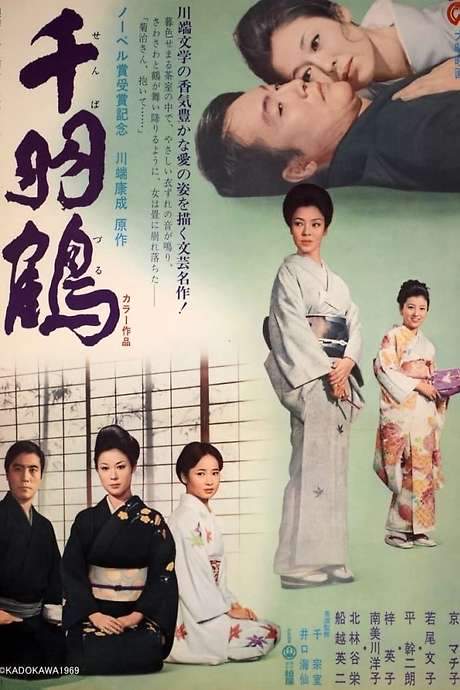
Thousand Cranes is a 1969 romantic drama directed by Yasuzō Masumura, starring Mikijiro Hira as Kikuji Mitani, Machiko Kyô and Yôko Namikawa. It runs 1 hour 36 minutes.
- Released
- Runtime
- 1h 36m (96 min)
- Director
- Yasuzō Masumura
- Original language
-
 Japanese
 - Studio
- Daiei Film
- After the credits
- No No extra scene
What Is Thousand Cranes About?
The premise of Thousand Cranes without spoilers. The whole story is in the plot summary further down.
The entangled relations between the son of a seductive tea-ceremony teacher and the women in his father’s life. Based on the novel by Kawabata Yasunari.
Thousand Cranes Themes & Keywords
· 13 tags- novel
- women
- teacher
- zen
- tea ceremony
- love
- literature
- japan
- japanese
- japanese culture
- 1960s
- remake
+1 more Show fewer
- based on novel
Thousand Cranes Cast & Characters
Mikijiro Hira leads the cast as Kikuji Mitani, with Machiko Kyô as Chikako Kurimoto and Yôko Namikawa as Yukiko Inamura. Directed by Yasuzō Masumura; 11 actors are credited in all.
- Director Yasuzō Masumura
- Mikijiro Hira as Kikuji Mitani
- Machiko Kyô as Chikako Kurimoto
- Yôko Namikawa as Yukiko Inamura
- Ayako Wakao as Mrs. Ota
Also Starring in Thousand Cranes
· 7 more- Eiko Azusa Fumiko
- Tanie Kitabayashi Toyo
- Eiji Funakoshi Kikuji's father
- Sachiko Meguro
- Yoshio Takee
- Nobuko Shingu
- Sumire Mikasa
Thousand Cranes Plot Summary
What happens in Thousand Cranes from start to finish, spoilers included, with a timeline of 14 key events. The opening is below; the full summary is a 3-minute read.
Spoilers ahead
The novel is divided into five chapters, titled “Thousand Cranes,” “The Grove in the Evening Sun,” “Figured Shino,” “Her Mother’s Lipstick,” and “Double Star.”
Full summary
The whole story of Thousand Cranes, scene by scene
How Well Do You Know Thousand Cranes?
10 questions about the story, each with a hint if you get stuck. Pick an answer to see whether you were right.
Question 1 of 10
- Question 1: not answered
- Question 2: not answered
- Question 3: not answered
- Question 4: not answered
- Question 5: not answered
- Question 6: not answered
- Question 7: not answered
- Question 8: not answered
- Question 9: not answered
- Question 10: not answered
What is Kikuji Mitani's occupation in the film?
Thousand Cranes Also Known As
2 alternative titles: “Senba zuru” and “千羽鹤”.
- Also known as
-
- Senba zuru
- 千羽鹤
Seen Thousand Cranes?
Movies Like Thousand Cranes
Films with a similar story, tone or audience, including Love of a Thousand Years - Story of Genji, Sadako and the Thousand Paper Cranes and The Daughter of the Samurai.
-
 Love of a Thousand Years - Story of Genji 2001
 -
 Sadako and the Thousand Paper Cranes 1991
 -
 The Daughter of the Samurai 1937
 -
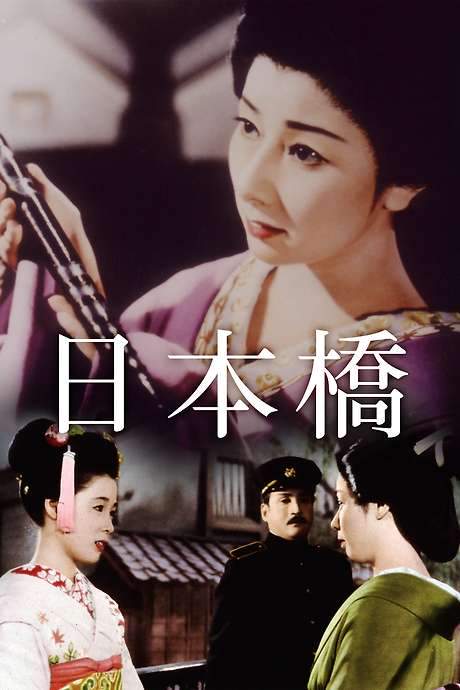 Bridge of Japan 1956
 -
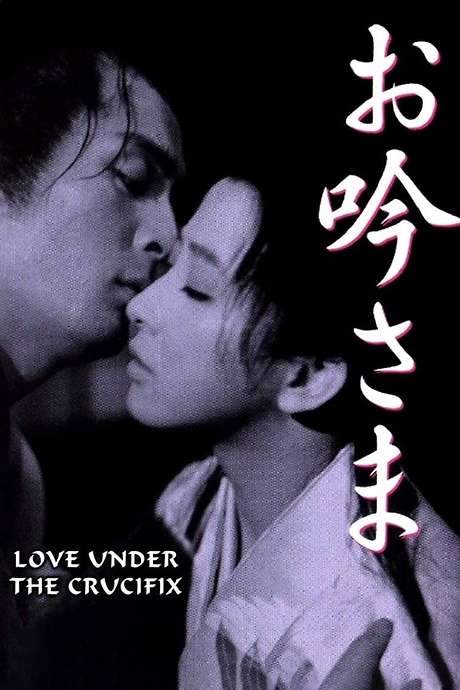 Love Under the Crucifix 1962
 -
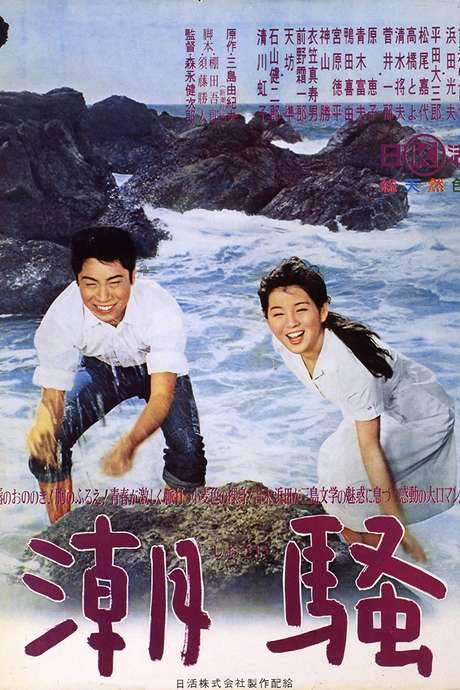 The Sound of Waves 1964
 -
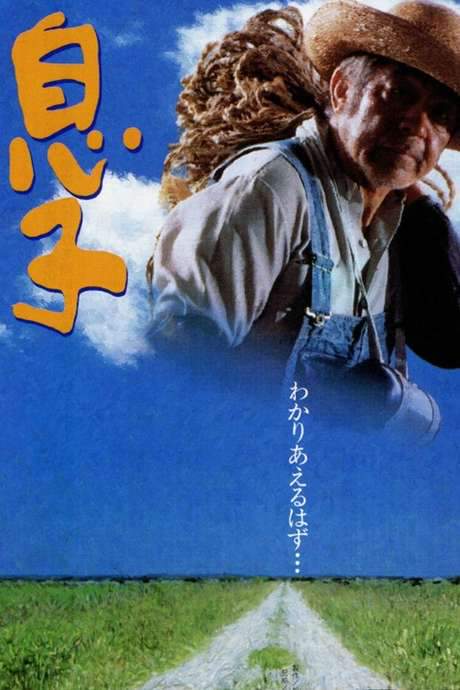 My Sons 1991
 -
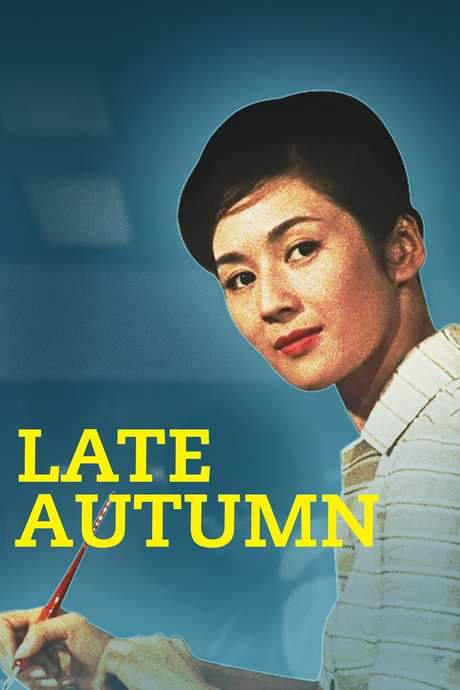 Late Autumn 1960
 -
 Spring Snow 2005
 -
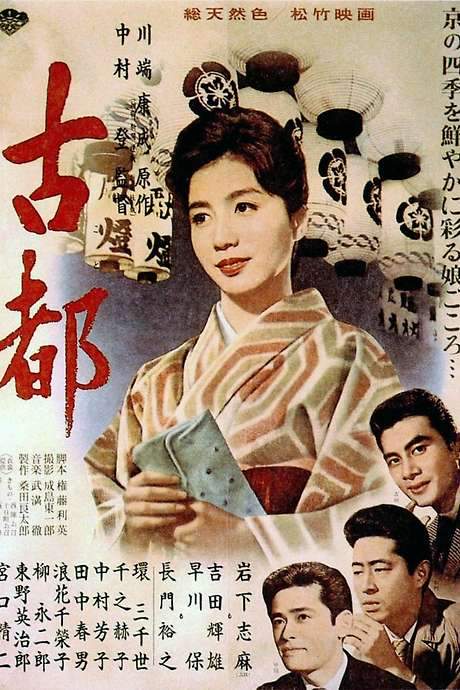 Twin Sisters of Kyoto 1963
 -
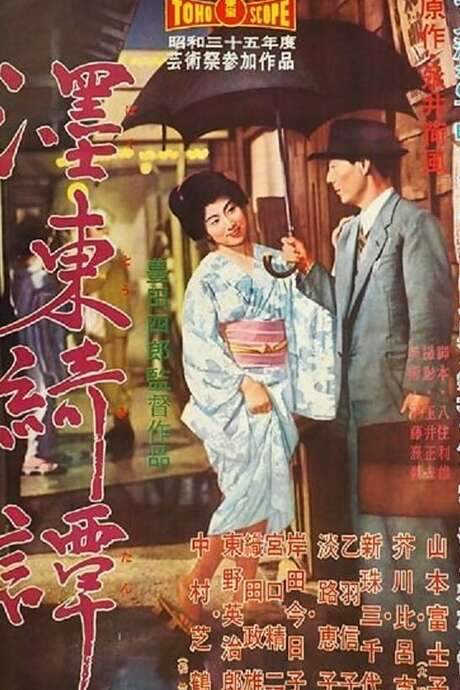 The Twilight Story 1960
 -
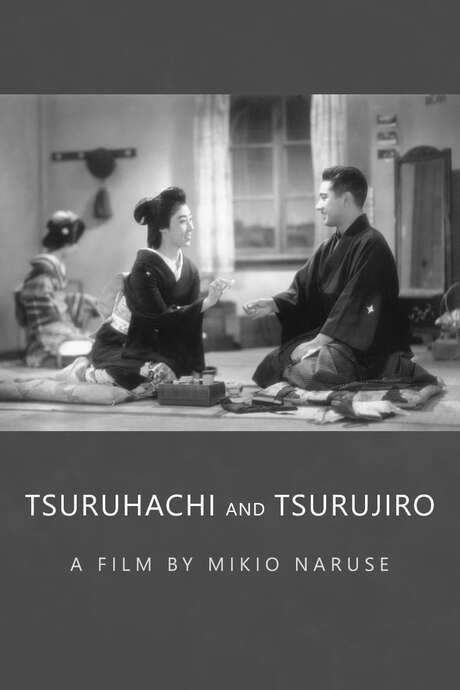 Tsuruhachi and Tsurujiro 1938
Thousand Cranes FAQ: Cast, Runtime & Release Date
Runtime, release date, director, cast, post-credit scenes and language of Thousand Cranes, each answered in a sentence.
How long is Thousand Cranes?
Thousand Cranes runs 1 hour 36 minutes (96 minutes).
When was Thousand Cranes released?
Thousand Cranes was released on April 19, 1969.
Who directed Thousand Cranes?
Thousand Cranes was directed by Yasuzō Masumura.
More films by Yasuzō Masumura Who is in the cast of Thousand Cranes?
Thousand Cranes stars Mikijiro Hira as Kikuji Mitani, Machiko Kyô as Chikako Kurimoto and Yôko Namikawa as Yukiko Inamura, among 11 credited actors.
Does Thousand Cranes have a post-credit scene?
No. Thousand Cranes has no extra scene during or after the credits.
What language is Thousand Cranes in?
The original language of Thousand Cranes is Japanese.
Coming soon to your phone
The Plot Explained Movie Summary App
From blockbusters to hidden gems: plot summaries, endings explained and timelines on your phone. Save your favorites and never miss a twist again.
Be the first to know when it launches. Your email stays private, always. Learn more about the app
