The Sacrifice 1986


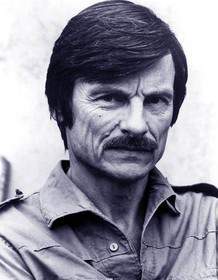
In Tarkovsky’s final film, Alexander – a journalist, philosopher and retired actor – gathers friends and family to celebrate his birthday in a secluded house. Their reunion is shattered when a radio announcement declares that nuclear war has begun, forcing Alexander to confront mortality, faith and the meaning of sacrifice amid looming catastrophe.

Does The Sacrifice have end credit scenes?
No!
The Sacrifice does not have end credit scenes. You can leave when the credits roll.
Meet the Full Cast and Actors of The Sacrifice
Explore the complete cast of The Sacrifice, including both lead and supporting actors. Learn who plays each character, discover their past roles and achievements, and find out what makes this ensemble cast stand out in the world of film and television.
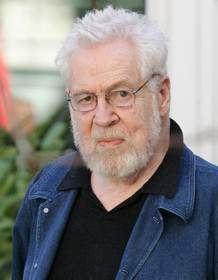
Erland Josephson
Alexander

Susan Fleetwood
Adelaide
Sven Wollter
Victor
Allan Edwall
Otto
Tintin Anderzon
(voice)
Valérie Mairesse
Julia
Guðrún Gísladóttir
Maria
Helena Brodin
(voice)
Jan-Olof Strandberg
(voice)
Birgit Carlstén
(voice)
Martin Lindström
(voice)
Tommy Kjellqvist
Little Man
Filippa Franzén
Marta
Per Källman
Ambulance Driver
Tommy Nordahl
Ambulance Driver
Jane Friedmann
(voice)
Christian Jarder
External Links and Streaming Options
Discover where to watch The Sacrifice online, including streaming platforms, rental options, and official sources. Compare reviews, ratings, and in-depth movie information across sites like IMDb, TMDb, Wikipedia or JustWatch.






Take the Ultimate The Sacrifice Movie Quiz
Challenge your knowledge of The Sacrifice with this fun and interactive movie quiz. Test yourself on key plot points, iconic characters, hidden details, and memorable moments to see how well you really know the film.
The Sacrifice (1986) Quiz: Test your knowledge of the film's characters, plot events, and themes.
What is the profession of Alexander before he leaves the stage?
Full Plot Summary and Ending Explained for The Sacrifice
Read the complete plot summary of The Sacrifice, including all major events, twists, and the full ending explained in detail. Explore key characters, themes, hidden meanings, and everything you need to understand the story from beginning to end.
Alexander is a once-renowned actor who has stepped away from the stage to work as a journalist, critic, and lecturer on aesthetics. He lives in a beautiful seaside house with his actress wife Adelaide, his stepdaughter Marta, and his young son, the quiet Little Man, who is temporarily mute after a throat operation. The family’s calm routine is punctured when Alexander and Little Man plant a tree by the shore, a moment that seeds a growing unease about the world around them.
Their world shifts when Alexander’s friend Otto, a part‑time postman and amateur psychical investigator, brings a birthday card and a casual reminder of life’s fragile edges. Otto’s visit prompts an exchange about faith, as Alexander bluntly admits that his relationship with God feels “nonexistent.” Soon after, the arrival of Victor, a medical doctor and a close family friend who helped Little Man after the operation, brings a plan to drive the family home in Victor’s car. Yet Alexander, unsettled, chooses to stay behind to speak more with his son, resisting the urge to leave their tranquil refuge.
What follows is a lengthy, intimate monologue in which Alexander recalls how he and Adelaide discovered their house by the sea—how they fell in love with its setting and its surroundings—before turning that fond memory into a bitter meditation on the state of modern humanity. He speaks of the pressures of change, the discord within the family, and a creeping fear of how technology seems to erode authentic human connection. The scene is punctuated by a troubling, impulsive moment when Little Man hides away, leaps onto his father’s back as a surprise, and is accidentally nose‑bleeded by Alexander’s reflexive swat.
As the narrative voice turns toward reflection, Tarkovsky’s influence is evident: Alexander has “grown to hate the emptiness of human speech,” a weariness that shadows every interaction. The dinner-tide at the house among the family, Victor, and Otto is interrupted by the blare of jet fighters overhead, and a news broadcast proclaims the onset of what appears to be World War III—a nuclear‑tinged horror that unsettles every pulse in the room. Adelaide’s nerves fracture under the weight of fear, and Victor must comfort and sedate her, while Alexander drifts toward a stark vow: he will renounce all he loves, including Little Man, if such an act could undo the impending catastrophe.
Otto suggests a perilous route to escape: a liaison with Maria, described as a witch “in the best possible sense.” Following this advice, Alexander steals a pistol from Victor’s medical bag, leaves a note behind, and rides off on Otto’s bike toward Maria’s house. He confesses a haunting memory about tending his mother’s garden—how he once fixed it up to bring order, only to see it lose its beauty in his meddling. Maria receives his advance with bewilderment, yet when he places the gun to his temple and begs, “Don’t kill us, Maria,” the jet‑fighter noises surge again, and she calms him. They share a transformative, ethereal coupling as they float above her bed, a sequence whose meaning remains cloudy and ambiguous in his wake.
Morning light reveals a return to a fragile normalcy, yet Alexander is not cured. He sets a plan in motion to relinquish all that he loves again, luring the others outside for a walk and then setting the family’s house ablaze. When the flames spread, the group races back, and Alexander loudly confesses to the act, his fear and determination visible in every gesture. Maria emerges unseen before, and Alexander’s attempt to approach her is blocked by those around him. An ambulance arrives, two paramedics surge forward, and they drive away with him as if he has already slipped beyond control.
Maria departs on her bicycle, while Little Man remains at the foot of the tree, watering it in quiet ritual. The final image anchors the moment in a stark, almost devotional line: the mute child’s question, echoing the opening of a sacred text, lands with a final, haunting clarity.
“In the beginning was the Word. Why is that, Papa?”

Coming soon on iOS and Android
The Plot Explained Mobile App
From blockbusters to hidden gems — dive into movie stories anytime, anywhere. Save your favorites, discover plots faster, and never miss a twist again.
Sign up to be the first to know when we launch. Your email stays private — always.
Explore the mobile appDiscover Film Music Concerts Near You – Live Orchestras Performing Iconic Movie Soundtracks
Immerse yourself in the magic of cinema with live orchestral performances of your favorite film scores. From sweeping Hollywood blockbusters and animated classics to epic fantasy soundtracks, our curated listings connect you to upcoming film music events worldwide.
Explore concert film screenings paired with full orchestra concerts, read detailed event information, and secure your tickets for unforgettable evenings celebrating legendary composers like John Williams, Hans Zimmer, and more.


The Sacrifice Themes and Keywords
Discover the central themes, ideas, and keywords that define the movie’s story, tone, and message. Analyze the film’s deeper meanings, genre influences, and recurring concepts.
The Sacrifice Other Names and Titles
Explore the various alternative titles, translations, and other names used for The Sacrifice across different regions and languages. Understand how the film is marketed and recognized worldwide.
Similar Movies To The Sacrifice You Should Know About
Browse a curated list of movies similar in genre, tone, characters, or story structure. Discover new titles like the one you're watching, perfect for fans of related plots, vibes, or cinematic styles.








Quick Links: Summary, Cast, Ratings, More

What's After the Movie?
Not sure whether to stay after the credits? Find out!
Check out our other apps:

SAT Sphere
Build confidence for the Digital SAT.

Mori Atlas
Discover wild places worth protecting.

Luntero
Search smarter for a home in Amsterdam.

Plot Explained
Unravel movie endings and hidden clues.

Pokechamp
Dive into Pokémon data and battle logic.

Driving Theory
Get ready for your European theory test.

Movie Dust
Plan your next cinema trip with ease.

Musemap
Find art and culture as you travel.

Selkobase
Compare credentials before committing.

Local Manual
Turn an unfamiliar country into practical next steps.

Lernavi
Compare school systems before your next move.

GymRoam
Find a workout stop wherever your plans take you.
Explore Our Movie Platform
New Movie Releases (2026)
Famous Movie Actors
Top Film Production Studios
Movie Plot Summaries & Endings
Major Movie Awards & Winners
Best Concert Films & Music Documentaries
Movie Collections and Curated Lists
© 2026 What's After the Movie. All rights reserved.
Privacy Policy