The Prisoner 1955


After being charged with treason, a revered cardinal—celebrated for his wartime defiance against the Nazis and later for opposing a new totalitarian regime—is imprisoned. There his relentless interrogator seeks a confession, hoping to shatter the cardinal’s influence and undermine the hope he embodies for his people. The conflict explores moral compromise and the cost of resistance.


Does The Prisoner have end credit scenes?
No!
The Prisoner does not have end credit scenes. You can leave when the credits roll.
Meet the Full Cast and Actors of The Prisoner
Explore the complete cast of The Prisoner, including both lead and supporting actors. Learn who plays each character, discover their past roles and achievements, and find out what makes this ensemble cast stand out in the world of film and television.
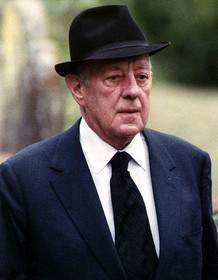
Alec Guinness
The Cardinal
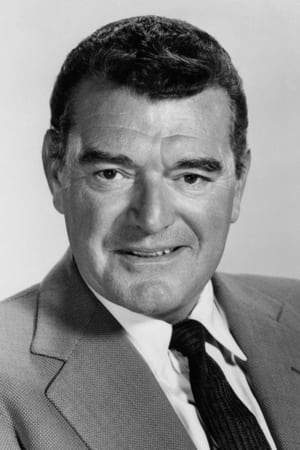
Jack Hawkins
The Interrogator
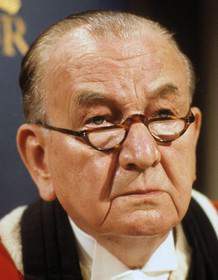
Raymond Huntley
The General

Percy Herbert
Soldier (uncredited)
Wilfrid Lawson
The Jailer
Ronald Lewis
The Guard
Kenneth Griffith
The Secretary
Mark Dignam
The Governor
Oscar Quitak
Cafe Waiter (uncredited)
Denis Shaw
Plainclothesman (uncredited)
Gerard Heinz
The Doctor
Jeanette Sterke
The Girl
External Links and Streaming Options
Discover where to watch The Prisoner online, including streaming platforms, rental options, and official sources. Compare reviews, ratings, and in-depth movie information across sites like IMDb, TMDb, Wikipedia or Letterboxd.





Take the Ultimate The Prisoner Movie Quiz
Challenge your knowledge of The Prisoner with this fun and interactive movie quiz. Test yourself on key plot points, iconic characters, hidden details, and memorable moments to see how well you really know the film.
The Prisoner (1955) Quiz: Test your knowledge of the 1955 film The Prisoner, focusing on its characters, plot, and themes.
Which actor portrays The Cardinal in the film?
Full Plot Summary and Ending Explained for The Prisoner
Read the complete plot summary of The Prisoner, including all major events, twists, and the full ending explained in detail. Explore key characters, themes, hidden meanings, and everything you need to understand the story from beginning to end.
Alec Guinness as The Cardinal finds himself in a postwar Europe where a newly installed communist regime has quietly replaced the Nazi occupation, and a popular religious figure is falsely branded a traitor. In this tense atmosphere, the state’s case rests on breaking his resolve rather than proving a crime, and the interrogator who once stood by his side in the resistance becomes the instrument of this brutal reversal. The regime hopes that public pressure and a manufactured sense of guilt will force a confession that fits their narrative, but the cardinal’s inner dignity and spiritual strength challenge the process from the start.
The task falls to Jack Hawkins as The Interrogator, a longtime confidant turned loyal facilitator of the regime’s will. He understands the cardinal’s prior endurance under torture during the Nazi era and realizes that conventional coercion will fail; the man’s faith has already survived the worst torture imaginable. So the Interrogator leans on psychology rather than force, trying to chip away at the cardinal’s certainty about the righteousness of his resistance to the state. The power dynamics are clear: the interrogator believes that persuasion—dressed as evidence and procedure—can unmask the cardinal’s supposed selfish motives, if not his actual beliefs.
Initially, the exchanges are stilted and unproductive. The state’s lawyers grow impatient, and clumsy attempts to manufacture incriminating documents only reveal their own desperation and spark occasional humiliation for the prosecutors. The cardinal remains unshaken, answering questions with quiet precision and moral clarity. To intensify the pressure, the Interrogator employs a relentless routine of sleep deprivation, relentless questioning, and a calculated disruption of meals and sleep patterns. Between interrogations, the cardinal’s conversations with the jailer—Wilfrid Lawson, the quiet man who brings his food—drift into topics that range from theology to politics, offering moments of reflective calm amid coercive stress. The jailer’s presence reveals a human, almost intimate, counterpoint to the brutal machinery of the state.
As the days grind on, the Interrogator deepens his strategy, using isolation to erode the cardinal’s self-image. He aims to force the cardinal to confront a troubling question: whether his path into the priesthood was truly a calling to serve others, or merely a way to escape poverty and vanity. The cardinal’s humility becomes the battleground, and in the long silences of extended solitary confinement, the interrogator believes he has found a chink in the armor. The exchange of ideas that unfolds in these periods—often intertwined with the jailer’s gentle, plainspoken reflections on faith and power—begins to reveal a man who has always measured his actions against conscience rather than expediency.
The moment of reckoning comes in a dramatic show trial where the cardinal, worn down yet unbowed, confesses to every alleged falsehood the state has pressed against him. He admits to lying about collaborations with the Nazis, yet his true meaning remains anchored in a desire for forgiveness. Privately, however, his gaze turns toward the divine for absolution, not the court or the crowd, and this distinction becomes the core of his unwritten testimony.
On the day of the execution, the regime makes a last calculated move: the sentence has been commuted, a quiet admission that martyrdom could still become a political liability. The Interrogator, sensing that despair might still be a tool, offers a stark option—the possibility of shooting him and claiming an attempted escape. The cardinal declines, choosing not to ask the men who have controlled his fate to commit murder in his name. He tells the Interrogator that he cannot bear to have him bear that burden either. Moved by this restraint and by a sense of shared humanity, the Interrogator falters, and the cardinal walks out of the prison into a waiting, silent crowd whose true feelings towards him remain unknown. The ending lingers with a quiet ambiguity that invites reflection on the nature of courage, faith, and the price of truth under an authoritarian regime.
Meanwhile, a romantic thread threads through the grim backdrop: a young guard at the prison becomes entangled in a forbidden love with a married girl who dreams of leaving the country to join her husband, who has already departed because of the political upheaval. Their hopes and risks mirror the cardinal’s own struggle in a world where personal desires are often crushed beneath the weight of ideology, and where loyalty, love, and faith must contend with the harsh realities of state power.
In the end, the film leaves us with a measured, contemplative portrait of endurance and moral resilience. The cardinal’s journey is not one of triumphant martyrdom, but of a profound, introspective struggle to preserve integrity in a system built on control and fear. The Interrogator’s actions provoke questions about duty, guilt, and the limits of human mercy, while the cardinal’s quiet assent to forgiveness—even as the world around him fails to understand him—offers a stark meditation on what it means to stay true to one’s conscience in the face of unbearable pressure. The film invites viewers to weigh the costs of resistance, the weight of confession, and the uncertain meaning of justice in a world remade by ideology.

Coming soon on iOS and Android
The Plot Explained Mobile App
From blockbusters to hidden gems — dive into movie stories anytime, anywhere. Save your favorites, discover plots faster, and never miss a twist again.
Sign up to be the first to know when we launch. Your email stays private — always.
Explore the mobile appDiscover Film Music Concerts Near You – Live Orchestras Performing Iconic Movie Soundtracks
Immerse yourself in the magic of cinema with live orchestral performances of your favorite film scores. From sweeping Hollywood blockbusters and animated classics to epic fantasy soundtracks, our curated listings connect you to upcoming film music events worldwide.
Explore concert film screenings paired with full orchestra concerts, read detailed event information, and secure your tickets for unforgettable evenings celebrating legendary composers like John Williams, Hans Zimmer, and more.


Cars Featured in The Prisoner
Explore all cars featured in The Prisoner, including their makes, models, scenes they appear in, and their significance to the plot. A must-read for car enthusiasts and movie buffs alike.
The Prisoner Other Names and Titles
Explore the various alternative titles, translations, and other names used for The Prisoner across different regions and languages. Understand how the film is marketed and recognized worldwide.
Quick Links: Summary, Cast, Ratings, More

What's After the Movie?
Not sure whether to stay after the credits? Find out!
Check out our other apps:

SAT Sphere
Build confidence for the Digital SAT.

Mori Atlas
Discover wild places worth protecting.

Luntero
Search smarter for a home in Amsterdam.

Plot Explained
Unravel movie endings and hidden clues.

Pokechamp
Dive into Pokémon data and battle logic.

Driving Theory
Get ready for your European theory test.

Movie Dust
Plan your next cinema trip with ease.

Musemap
Find art and culture as you travel.

Selkobase
Compare credentials before committing.

Local Manual
Turn an unfamiliar country into practical next steps.

Lernavi
Compare school systems before your next move.

GymRoam
Find a workout stop wherever your plans take you.
Explore Our Movie Platform
New Movie Releases (2026)
Famous Movie Actors
Top Film Production Studios
Movie Plot Summaries & Endings
Major Movie Awards & Winners
Best Concert Films & Music Documentaries
Movie Collections and Curated Lists
© 2026 What's After the Movie. All rights reserved.
Privacy Policy