The Egyptian 1954


When the Babylonian temptress Nefer appears, he sacrifices his parents’ hope of immortality. In 18th dynasty Egypt, orphan Sinuhe becomes a physician and, with friend Horemheb, is appointed to serve the new Pharaoh. His triumphs and tragedies unfold amid the turbulent 18th dynasty, and court intrigue reveals the answers he has sought since birth.



Does The Egyptian have end credit scenes?
No!
The Egyptian does not have end credit scenes. You can leave when the credits roll.
Meet the Full Cast and Actors of The Egyptian
Explore the complete cast of The Egyptian, including both lead and supporting actors. Learn who plays each character, discover their past roles and achievements, and find out what makes this ensemble cast stand out in the world of film and television.

Harry Shearer
Boy

John Carradine
Grave Robber

Jean Simmons
Merit

Judith Evelyn
Taia
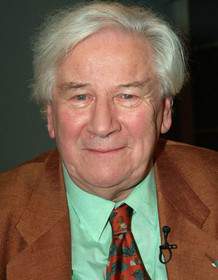
Peter Ustinov
Kaptah

Henry Daniell
Mekere
Mike Mazurki
Foreman, House of Death
Gene Tierney
Baketamon
Ian Macdonald
Ship's Captain
Edmund Purdom
Sinuhe
Mimi Gibson
Princess
Michael Ansara
Hittite Commander
Henry Corden
Hittite Officer
Rama Bai
Citizen
Angela Clarke
Kipa
Michael Wilding
Akhnaton
Victor Mature
Horemheb
Don Blackman
Nubian Prince
Richard Allan
Student in School of Life
Bella Darvi
Nefer
Carl Benton Reid
Senmut
Brad Brown
Palace Soldier
Peter Reynolds
Sinuhe - Age 10
Carmen De Lavallade
Egyptian Dancer
Harry Thompson
Nubian
Franco Fantasia
Hittite Officer
Tommy Rettig
Thoth
Lars Hensen
Citizen
Alice Tissot
Old Woman Near the House of Death
John George
Man in Street (uncredited)
Donna Martell
Lady in Waiting
Don Bender
Boy
Joan Winfield
Governess
James Dime
Soldier
Edmund Cobb
Patient
John Roy
Servant
John Mooney
Officer
Ray Spiker
Soldier
Nico Minardos
George Bruggeman
Soldier
Michael Granger
Officer
Tiger Joe Marsh
Libyan Guard
Tyler MacDuff
Cadet
Karl 'Killer' Davis
Libyan Guard
Kay Koury
Citizen
Mady Comfort
Egyptian Female
Anitra Stevens
Queen Nefertiti
Sharon Jan Altman
Princess
Geraldine Bogdonovich
Tavern Waitress
George Chester
Nubian Guard
Alvin Burke Deer
Boy
Dede Gainor
Princess
Aurello Galli
Boy
Yeghishe Harout
Syrian at Nefer's
Wilma Reid
Nefer's Maid
Lawrence Ryle
Priest
Paul Salata
Egyptian Official
Saye Sumi
Nefer's Maid
External Links and Streaming Options
Discover where to watch The Egyptian online, including streaming platforms, rental options, and official sources. Compare reviews, ratings, and in-depth movie information across sites like IMDb, TMDb, Wikipedia or Letterboxd.




Take the Ultimate The Egyptian Movie Quiz
Challenge your knowledge of The Egyptian with this fun and interactive movie quiz. Test yourself on key plot points, iconic characters, hidden details, and memorable moments to see how well you really know the film.
The Egyptian (1954) Quiz: Test your knowledge of the 1954 historical drama "The Egyptian", covering its characters, plot events, and themes.
Who portrays the physician Sinuhe in the film?
Full Plot Summary and Ending Explained for The Egyptian
Read the complete plot summary of The Egyptian, including all major events, twists, and the full ending explained in detail. Explore key characters, themes, hidden meanings, and everything you need to understand the story from beginning to end.
In 18th dynasty Egypt, a struggling physician named Sinuhe, Edmund Purdom, joins a lion-hunting excursion that brings him into contact with two remarkable figures: his friend Horemheb, Victor Mature, who will rise to a central military role, and the newly ascendant pharaoh Akhnaton, Michael Wilding, who has withdrawn to the desert in the wake of a profound religious epiphany. Akhnaton is determined to promote a new faith that centers on monolatry of the sun, Aten, rejecting the traditional Egyptian pantheon. This spiritual shift stirs fierce hostility among the priesthood, powerful and deeply invested in Egypt’s old religious order. The moment marks the beginning of a clash between a ruler trying to reinvent a civilization and a system that resists any change to its centuries-old institutions.
As Akhnaton ushers in Atenism, Sinuhe is swept into a new life that pulls him away from his original ambition to serve the poor and heal the sick. He becomes entangled with Merit, a Babylonian courtesan, Jean Simmons whose allure and independence draw him into a dangerous emotional pursuit. He sinks into extravagance—pouring resources into gifts for Merit—only to discover that her heart does not mirror his; she rejects him, leaving him shattered. When he returns home, he learns that his parents have taken their own lives after his behavior spiraled out of control. Overwhelmed by guilt and debt, Sinuhe orders their bodies embalmed and faces the grim task of paying for their posthumous rites.
Without a tomb for his parents’ mummies, Sinuhe and his family’s remains are buried in the sands near the lavish funerary complexes of the Valley of the Kings. It is here that Merit’s warnings reach him: Akhnaton’s regime has decreed his death because a tragedy—one of the pharaoh’s daughters falling ill and dying while Sinuhe was employed as an embalmer—has become a political weapon against him. Merit urges Sinuhe to flee Egypt and rebuild his life elsewhere, and the two share a final intimate night before he departs by ship, leaving behind a country that would soon undergo radical change.
For a decade, Sinuhe and his trusted servant Kaptah, Peter Ustinov, wander the known world. His medical skill earns him a growing reputation as a healer, and he uses his growing influence to amass enough wealth to return home. Back in Egypt, he offers a strategic piece of intelligence that earns him a place at court and the respect of Horemheb, who now commands the Egyptian army. The information reveals that the Hittite threat—armed with iron weapons—could overwhelm a Bronze Age Egypt if left unchecked, a revelation that strengthens Akhnaton’s resolve while testing the faith of the people who have embraced Aten.
With Sinuhe’s return to favor comes a complicated reunion with Merit. The people of Egypt—drawn to the new religion’s message of mercy and pacifism—provide a measure of support for Akhnaton, and Merit seems to be among those moved by the dawning faith. It is during this period that Merit reveals she bore Sinuhe’s child, a son named Thoth, whose interests in medicine echo his father’s own vocation. Yet the tapestry of relationships remains fragile: Nefer, once a celebrated beauty and now impoverished, returns to Sinuhe seeking healing, her illness a matter partially hinted at but never fully disclosed. The dynamic between Sinuhe, Merit, Nefer, and Thoth enriches the narrative with themes of love, loss, and responsibility.
Meanwhile, the old gods’ priests become increasingly vocal in their opposition to Aten worship. They urge Sinuhe to contribute to a conspiracy that would poison Akhnaton and crown Horemheb as ruler. The temptation grows stronger when the princess Baketamun—Gene Tierney—begs him to consider a plot that could secure his own place on the throne. But Sinuhe’s sense of mercy and his new faith keep him morally unsettled as he weighs a deed that could topple a divine reform and plunge Egypt back into religious strife.
The political and military crisis intensifies as foreign threats become concrete. Kaptah helps smuggle Thoth out of the country to protect the boy’s future, while Merit dies seeking sanctuary at the altar of the new god. Grief drives Sinuhe to a drastic act: he poisons Akhnaton during a later meeting, a deed he attempts to justify as a correction of a flawed divine experiment. Akhnaton’s final words reveal a humility that surprises Sinuhe: he still believes his faith is true, but recognizes that it has been imperfectly realized. In the moment of death, Akhnaton’s mercy casts a long shadow over the future of Egypt, and Sinuhe is warned that Horemheb’s own power may be compromised as a result.
As Akhnaton dies, Sinuhe’s sense of duty shifts once more. He warns Horemheb that his own wine carries poison, a move that clears the way for Horemheb to marry the princess and ascend to the throne. Yet the political calculus continues to tilt toward exile rather than triumph. Sinuhe is banished to the shores of the Red Sea, where he spends his remaining days recording the life he has lived in the hope that future generations—perhaps Thoth or his descendants—will read his account. The narrative closes with the weight of the ages on a single, stark reminder: these events, the film asserts, occurred thirteen centuries before the birth of Jesus Christ.
These things happened thirteen centuries before the birth of Jesus Christ
In a sweeping, character-rich panorama, the tale traces a man torn between science and faith, love and duty, personal ambition and the broader responsibilities of leadership. The film juxtaposes intimate human dramas—the heartbreak of Merit, the resilience of Sinuhe, the political gambits of Baketamun and Baketamon, the spiritual upheaval sparked by Atenism—with a grand historical tableau: the court at the heart of a crumbling old order, the deserts and temples that shape a civilization, and the slow, inexorable shifts of power that redefine a nation. The performances capture both the immediacy of personal crisis and the larger question of how belief can sculpt a society, for better or worse.
Characters emerge as vividly drawn embodiments of their worlds: Sinuhe as the healer caught between two moral universes, Edmund Purdom in his portrayal; Akhnaton as a reformer whose idealism collides with entrenched interests, Michael Wilding; Merit as a luminous figure whose passions fuel tragedy, Jean Simmons; Kaptah as a steadfast companion and witness to history, Peter Ustinov; Nefer’s tragic arc that threads through the palace politics; and Horemheb, the complex, rising power that tests whether a new faith can survive the constraints of conquest and governance, Victor Mature.
The film weaves a dense network of relationships—romantic heartbreak, parental duties, loyalty to friends, and the temptations of power—into a cohesive, immersive historical drama. It remains grounded in the human costs of reform, the sacrifices demanded by leadership, and the enduring question of whether a society can reinvent itself without losing its soul.

Coming soon on iOS and Android
The Plot Explained Mobile App
From blockbusters to hidden gems — dive into movie stories anytime, anywhere. Save your favorites, discover plots faster, and never miss a twist again.
Sign up to be the first to know when we launch. Your email stays private — always.
Explore the mobile appWatch Trailers, Clips & Behind-the-Scenes for The Egyptian
Watch official trailers, exclusive clips, cast interviews, and behind-the-scenes footage from The Egyptian. Dive deeper into the making of the film, its standout moments, and key production insights.
The Egyptian Themes and Keywords
Discover the central themes, ideas, and keywords that define the movie’s story, tone, and message. Analyze the film’s deeper meanings, genre influences, and recurring concepts.
The Egyptian Other Names and Titles
Explore the various alternative titles, translations, and other names used for The Egyptian across different regions and languages. Understand how the film is marketed and recognized worldwide.
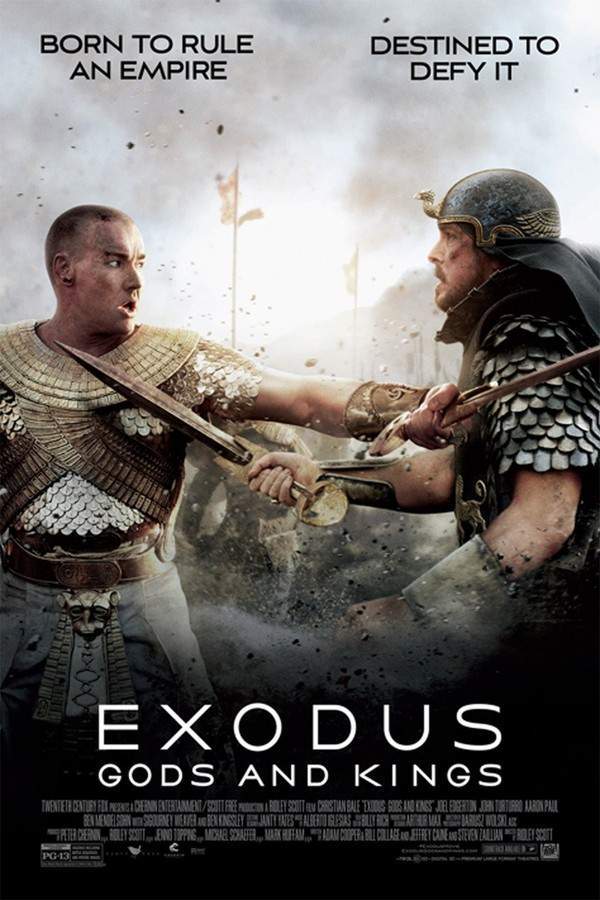
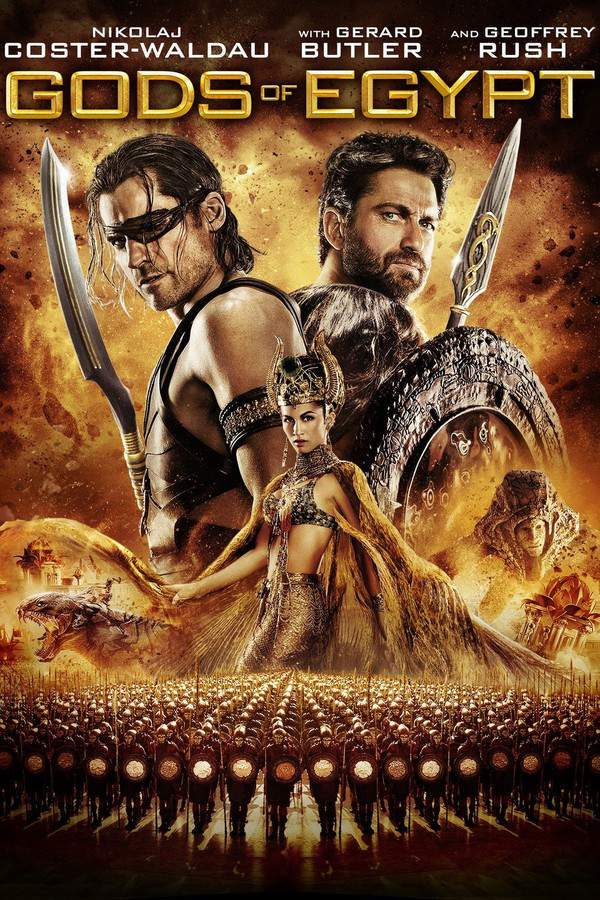
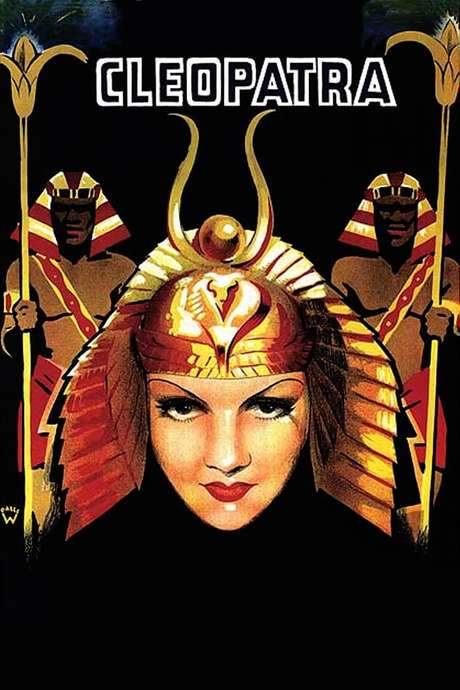
Similar Movies To The Egyptian You Should Know About
Browse a curated list of movies similar in genre, tone, characters, or story structure. Discover new titles like the one you're watching, perfect for fans of related plots, vibes, or cinematic styles.








Quick Links: Summary, Cast, Ratings, More

What's After the Movie?
Not sure whether to stay after the credits? Find out!
Check out our other apps:

SAT Sphere
Build confidence for the Digital SAT.

Mori Atlas
Discover wild places worth protecting.

Luntero
Search smarter for a home in Amsterdam.

Plot Explained
Unravel movie endings and hidden clues.

Pokechamp
Dive into Pokémon data and battle logic.

Driving Theory
Get ready for your European theory test.

Movie Dust
Plan your next cinema trip with ease.

Musemap
Find art and culture as you travel.

Selkobase
Compare credentials before committing.

Local Manual
Turn an unfamiliar country into practical next steps.

Lernavi
Compare school systems before your next move.

GymRoam
Find a workout stop wherever your plans take you.
Explore Our Movie Platform
New Movie Releases (2026)
Famous Movie Actors
Top Film Production Studios
Movie Plot Summaries & Endings
Major Movie Awards & Winners
Best Concert Films & Music Documentaries
Movie Collections and Curated Lists
© 2026 What's After the Movie. All rights reserved.
Privacy Policy