
The Train Has Stopped 1982


The drama follows the tragic crash of a locomotive in which a courageous engineer deliberately sacrifices himself to prevent the train from derailing, saving all passengers from injury or death. Investigator Ermakov probes the cause, while journalist Malinin seeks to honor the fallen engineer, highlighting a tension between truth‑seeking and heroic commemoration within a socio‑political context.


Does The Train Has Stopped have end credit scenes?
No!
The Train Has Stopped does not have end credit scenes. You can leave when the credits roll.
Meet the Full Cast and Actors of The Train Has Stopped
Explore the complete cast of The Train Has Stopped, including both lead and supporting actors. Learn who plays each character, discover their past roles and achievements, and find out what makes this ensemble cast stand out in the world of film and television.

Nina Ruslanova
Maria Ignatyevna
Aleksandr Pashutin
Mikhail Gluzskiy
Panteleyev
Oleg Borisov
Ermakov, an investigator
Anatoliy Solonitsyn
Malinin, a journalist
Nikolai Skorobogatov
Golovanov
Aleksandra Kharitonova
Stanislav Korenev
Lyudmila Zaytseva
Timonina
Pyotr Kolbasin
Gubkin
Iosif Ryklin
doctor
Nikolai Simkin
Viktor Volkov
External Links and Streaming Options
Discover where to watch The Train Has Stopped online, including streaming platforms, rental options, and official sources. Compare reviews, ratings, and in-depth movie information across sites like IMDb, TMDb, Wikipedia or Letterboxd.




Take the Ultimate The Train Has Stopped Movie Quiz
Challenge your knowledge of The Train Has Stopped with this fun and interactive movie quiz. Test yourself on key plot points, iconic characters, hidden details, and memorable moments to see how well you really know the film.
The Train Has Stopped (1982) Quiz: Test your knowledge of the key characters, plot points, and themes of the Soviet drama "The Train Has Stopped".
Which train driver’s quick reaction prevented a larger disaster?
Full Plot Summary and Ending Explained for The Train Has Stopped
Read the complete plot summary of The Train Has Stopped, including all major events, twists, and the full ending explained in detail. Explore key characters, themes, hidden meanings, and everything you need to understand the story from beginning to end.
Late at night, a shocking train accident disrupts the quiet of the rail network: four empty lorries suddenly roll down a slope and crash into a high-velocity passenger train. The disaster is narrowly averted thanks to the decisive action of the driver Timonin, whose courage keeps the locomotive on a path that prevents an even larger catastrophe. Tragically, the driver does not survive the ordeal.
Detective Ermakov takes charge of the investigation, and his path soon brings him into contact with passenger and journalist Malinin in a hotel room, where the two men discuss the wreck and what it means for those left behind. As Malinin’s words turn into a vivid article praising the driver’s heroism, Ermakov’s growing table of facts begins to tell a different story.
The investigation points to a chain of seemingly “minor” violations that collectively doomed the train. The first misstep comes from railroad shunter Panteleyev, who ignores instructions and fails to set the second boot, allowing the lorries to break away and roll toward the passenger train. The second factor is the depot’s leadership: Golovanov releases a locomotive with a faulty speed gauge. And the third critical fault rests with the dead driver [Timonin], who, as the report notes, had no right to start his run without ensuring the speed meter was fixed.
From Ermakov’s perspective, the findings are stark: there was no heroic sacrifice at play, only a widespread pattern of carelessness that culminated in a fatal loss of life. This assessment triggers anger and hostility toward the investigator from the public and from the city’s leadership, who feel the truth damages cherished narratives of bravery. Even Malinin, who initially sympathized with Ermakov’s pursuit of facts, grows indignant at the rejection of a heroic frame and veers toward the majority’s view.
Let this be an act of bravery!
With this moment, the journalist shifts his stance, aligning with the crowd’s sentiment and turning the debate toward the uncomfortable reality behind the tragedy. The balance between what is celebrated as heroism and what is exposed as procedural failure becomes the central tension, inviting the audience to reassess how such accidents are interpreted and remembered.

Discover Film Music Concerts Near You – Live Orchestras Performing Iconic Movie Soundtracks
Immerse yourself in the magic of cinema with live orchestral performances of your favorite film scores. From sweeping Hollywood blockbusters and animated classics to epic fantasy soundtracks, our curated listings connect you to upcoming film music events worldwide.
Explore concert film screenings paired with full orchestra concerts, read detailed event information, and secure your tickets for unforgettable evenings celebrating legendary composers like John Williams, Hans Zimmer, and more.


The Train Has Stopped Themes and Keywords
Discover the central themes, ideas, and keywords that define the movie’s story, tone, and message. Analyze the film’s deeper meanings, genre influences, and recurring concepts.
The Train Has Stopped Other Names and Titles
Explore the various alternative titles, translations, and other names used for The Train Has Stopped across different regions and languages. Understand how the film is marketed and recognized worldwide.
Similar Movies To The Train Has Stopped You Should Know About
Browse a curated list of movies similar in genre, tone, characters, or story structure. Discover new titles like the one you're watching, perfect for fans of related plots, vibes, or cinematic styles.
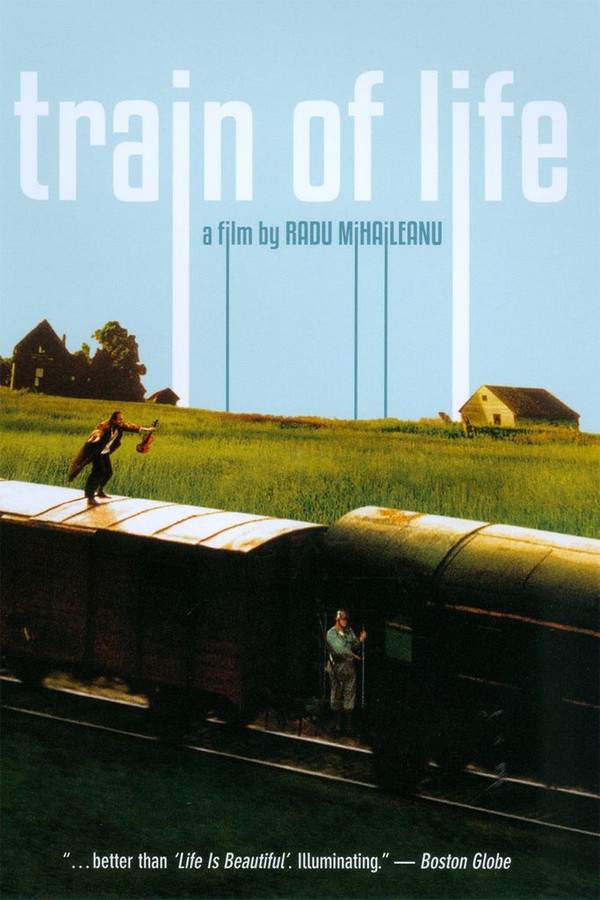
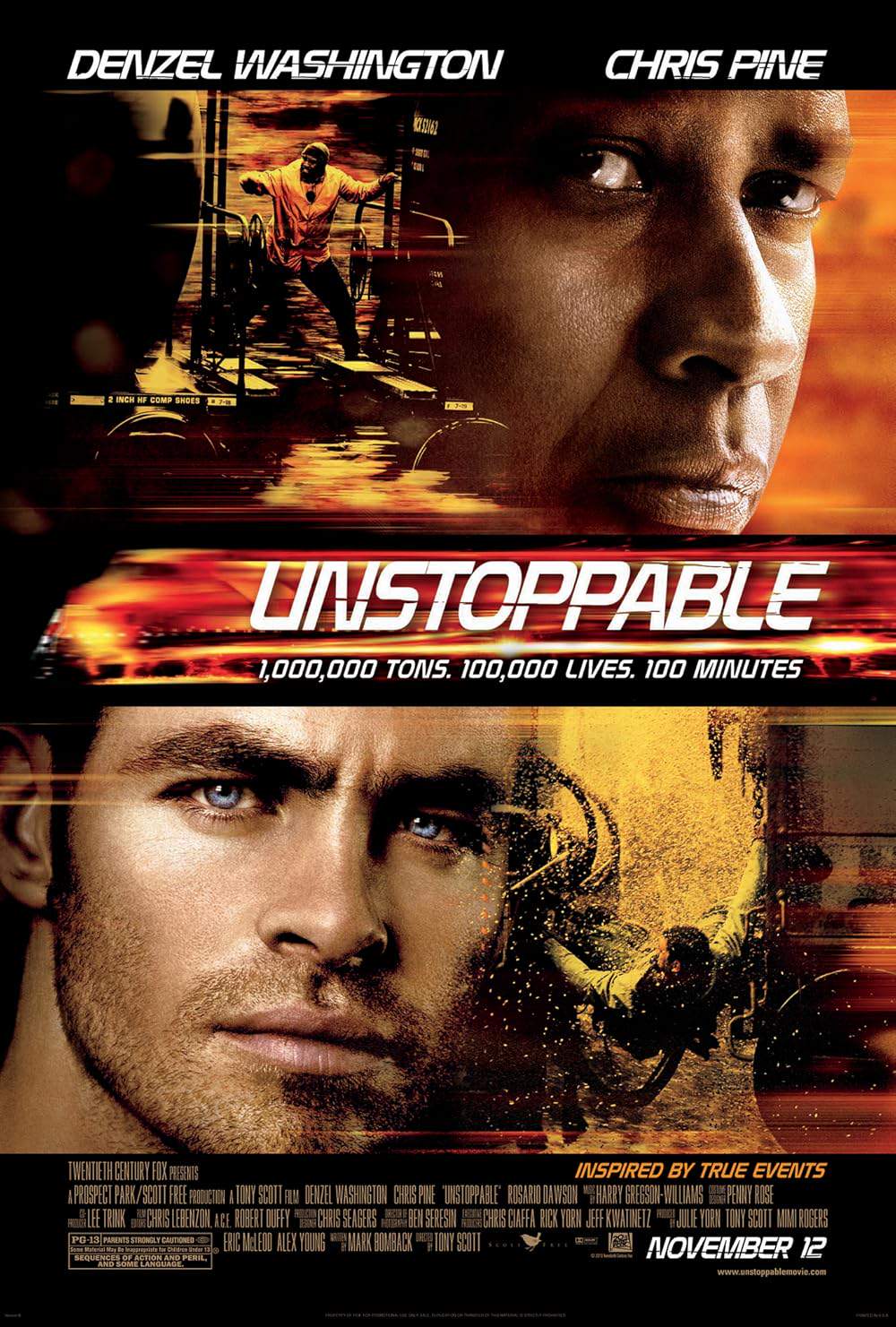
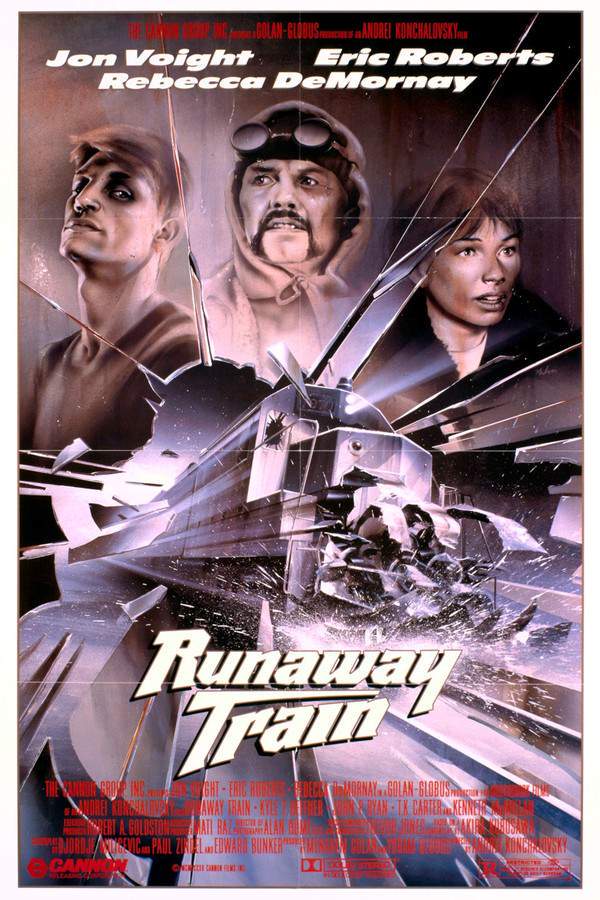




Quick Links: Summary, Cast, Ratings, More

What's After the Movie?
Not sure whether to stay after the credits? Find out!




Explore Our Movie Platform
New Movie Releases (2026)
Famous Movie Actors
Top Film Production Studios
Movie Plot Summaries & Endings
Major Movie Awards & Winners
Best Concert Films & Music Documentaries
Movie Collections and Curated Lists
© 2026 What's After the Movie. All rights reserved.