Train Dreams 2025


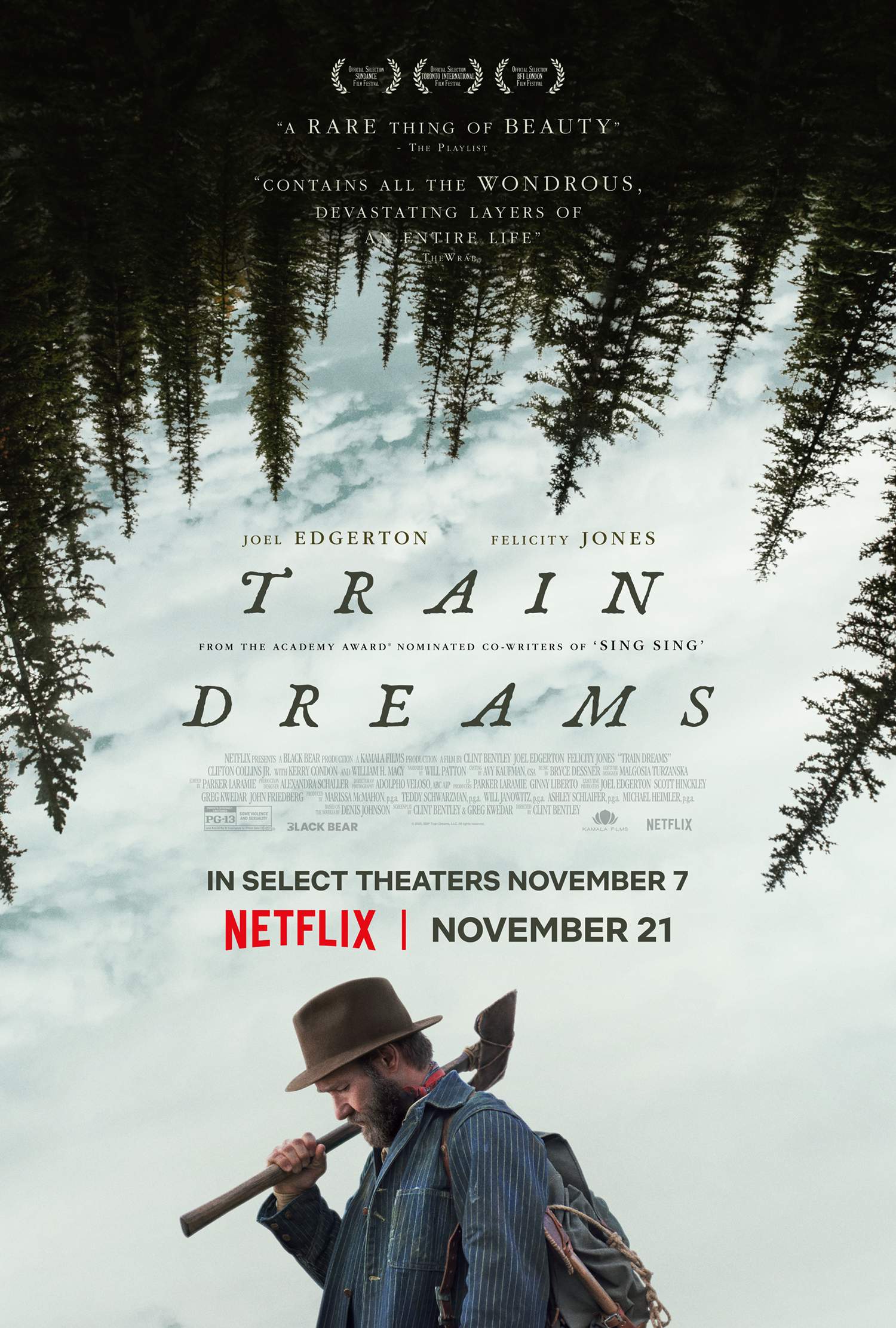
Robert Grainier is a logger working to expand the railways across America. The demanding job forces him to spend long periods away from his wife, Gladys, and their young daughter, creating a strain on their family. As he works, Grainier grapples with his place in a rapidly changing nation, experiencing moments of great love and facing profound loss. His journey reveals unique connections and explores themes of love, family, and the impact of progress on individuals.

Does Train Dreams have end credit scenes?
No!
Train Dreams does not have end credit scenes. You can leave when the credits roll.
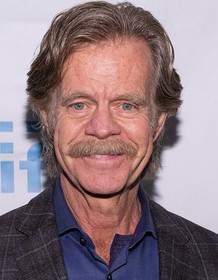
Meet the Full Cast and Actors of Train Dreams
Explore the complete cast of Train Dreams, including both lead and supporting actors. Learn who plays each character, discover their past roles and achievements, and find out what makes this ensemble cast stand out in the world of film and television.





External Links and Streaming Options
Discover where to watch Train Dreams online, including streaming platforms, rental options, and official sources. Compare reviews, ratings, and in-depth movie information across sites like IMDb, TMDb, Wikipedia or Rotten Tomatoes.






Ratings and Reviews for Train Dreams
See how Train Dreams is rated across major platforms like IMDb, Metacritic, and TMDb. Compare audience scores and critic reviews to understand where Train Dreams stands among top-rated movies in its genre.

The Movie Echo Score
Train Dreams excels as a cohesive work of poetic cinema, where its visual artistry and subtle storytelling combine to leave a lasting emotional impression. The film’s restrained direction and striking cinematography create a vivid portrayal of the frontier, while Joel Edgerton’s nuanced performance anchors the narrative with quiet intensity. Its measured pacing and evocative soundscape further enhance immersion, encouraging repeated viewings. Overall, the movie delivers a resonant, aesthetically rich experience that rewards both initial and subsequent encounters.
The Movie Echo Score Breakdown for Train Dreams

Art & Craft
ART: The direction adopts a restrained, contemplative tone that mirrors the film’s meditative narrative, while the cinematography showcases sweeping wilderness vistas with an understated color palette. Production design grounds the period setting in authentic detail, and the editing maintains a deliberate rhythm that lets scenes breathe. Collectively, these elements craft a visually compelling and artistically cohesive experience.

Character & Emotion
CHARACTER: Joel Edgerton delivers a nuanced, restrained performance that conveys deep emotional undercurrents without overt dramatics. Supporting characters are sketched with sufficient depth to complement the protagonist’s journey, fostering subtle relational dynamics. The ensemble’s chemistry sustains the film’s introspective mood, allowing audiences to connect with the characters’ quiet struggles. Overall, the acting ensemble anchors the film’s emotional resonance.

Story & Flow
STORY: The narrative unfolds with measured pacing, allowing the central voyage to evolve organically while maintaining thematic focus on loss and hope. Plot elements are presented with understated complexity, avoiding melodrama and fostering an intimate connection to the protagonist’s inner world. Though concise, the storytelling achieves a resonant arc that feels both original and emotionally satisfying.

Sensory Experience
SENSORY: The soundscape blends ambient wilderness tones with a restrained score, reinforcing the film’s contemplative atmosphere. Visual style employs natural lighting and composed framing to highlight the stark beauty of the frontier, while the color grading favors muted earth tones that echo the narrative’s somber mood. Together, these sensory choices immerse the viewer in a cohesive, evocative environment.

Rewatch Factor
REWATCH: The film’s understated narrative and rich visual composition encourage repeated viewings, as subtle details and layered emotional currents become more apparent on subsequent watches. Its concise runtime and measured pacing ensure that the experience remains engaging without fatigue. Consequently, Train Dreams possesses a lasting appeal that rewards audiences who return for deeper appreciation.


%
TOMATOMETER

0%
User Score

7.5 /10
IMDb Rating

73
%
User Score
Take the Ultimate Train Dreams Movie Quiz
Challenge your knowledge of Train Dreams with this fun and interactive movie quiz. Test yourself on key plot points, iconic characters, hidden details, and memorable moments to see how well you really know the film.
Train Dreams from 2025 - In-Depth Quiz: Test your knowledge on the intricate details and themes of the movie 'Train Dreams from 2025'.
In what year does Robert Grainier first leave for northwestern Washington to help repair the Robinson Gorge Bridge?
Awards & Nominations for Train Dreams
Discover all the awards and nominations received by Train Dreams, from Oscars to film festival honors. Learn how Train Dreams and its cast and crew have been recognized by critics and the industry alike.

Best Original Song
Best Feature

Best Cinematography
Darryl F. Zanuck Award for Outstanding Producer of Theatrical Motion Pictures
Full Plot Summary and Ending Explained for Train Dreams
Read the complete plot summary of Train Dreams, including all major events, twists, and the full ending explained in detail. Explore key characters, themes, hidden meanings, and everything you need to understand the story from beginning to end.
In the summer of 1917, the journey begins for Robert Grainier, a young man who finds himself embroiled in a tense situation involving a Chinese laborer accused of stealing from the Spokane International Railway’s company stores in the Idaho Panhandle. Robert Grainier, played by Joel Edgerton, and the other white workers attempt to force the man over a nearby bridge during their construction project, but the laborer manages to escape their grasp. That day, Robert stops in Meadow Creek and buys a bottle of sarsaparilla for his wife, Felicity Jones, Gladys, and their four-month-old daughter, Kate. As he’s making his way home to his cabin, Robert has a fleeting thought that he might have seen the fleeing Chinese man again, which fills him with a sense of foreboding and the belief that he has somehow cursed him.
The time jumps to 1920, where Robert Grainier heads northward, to the rugged landscapes of Washington, to assist in repairing the formidable Robinson Gorge Bridge. During this period, he also cuts and transports timber for the Simpson Company, forging a hard-working existence. Here, he comes across Arn Peeples, an old friend and fellow laborer, known for fearless—though somewhat superstitious—work using dynamite to excavate tunnels. Unfortunately, Arn meets a tragic end when a falling dead branch strikes him down. The story then moves to the early 1960s or possibly 1963, where Robert is seen observing young ironworkers constructing a new highway, reflecting the passage of decades in his life. In the mid-1950s, Robert witnesses startling sights such as the World’s Fattest Man, and recalls with nostalgia flying in a biplane in 1927 and observing Elvis Presley’s private train in Troy, Montana.
Robert Grainier’s backstory is as rich and complex as his present life. Born in 1886, his origins are somewhat ambiguous, possibly in Utah or Canada. As a child, he arrives in Idaho in 1893 as an orphan aboard the Great Northern Railway, eventually being adopted by a local family. His childhood is marked by witnessing the brutal mass deportation of Chinese families from the town, an event that influences his understanding of prejudice and loss. By 1899, the towns of Fry and Eatonville are merged into what is now Bonners Ferry. Robert leaves school early in his teens, turning his attention to fishing and simple work. One poignant moment occurs when he stumbles upon William Coswell Haley, a dying man, whom he offers water from his boot, highlighting a tender yet somber act of compassion.
In his early adult years, Robert is hired out by the railroad and local families, working around town. At 31, he marries Gladys Olding. By the summer of 1920, Robert returns from work in Washington, only to find their cabin destroyed by a wildfire, and Gladys and Kate missing. The next spring, he finds their abandoned cabin and semi-communes with the memory of his wife. One surreal night, while sleeping by the river, Robert believes he sees Gladys’ spirit passing by, her white bonnet floating above him. He spends the summer alone, adopting a red dog as his companion. Later, he takes a train to Bonners Ferry and stays through the winter, rebuilding his life and his cabin by the Moyea Valley in spring. Over time, the red dog produces four puppies, and Robert befriends a Kootenai Indian named Bob, who, tragically, is run over by trains during a drunken escapade.
Four years into his solitary life, Robert realizes he can no longer escape the seasons of summer work in Washington and winter stays in Bonners Ferry. By 1925, he remains in town, taking on jobs such as loading sacks of cornmeal onto wagons, and acquiring the horses and wagon of the Pinkham family after witnessing their grandson Hank collapse and die. During this period, rumors circulate about a wolf-girl, adding a layer of folklore and mystery to his rural existence.
A haunting visitation occurs when Robert encounters a figure he believes to be Gladys. She tells him she died after falling and breaking her back on rocks by the river before drowning. Before her death, she unknots her bodice to ensure her daughter Kate could escape, an act that leaves an indelible mark on Robert’s psyche. From this point, he continues living in his cabin, working diligently through the seasons, only taking a final summer in Washington to earn enough for the winter. His life includes a memorable trip on the Great Northern Railway and a flight in an early airplane, marking the technological advances he witnesses.
Throughout his life, Robert endures physical pain from arthritis and rheumatism but refuses to quit. A nightmarish encounter with a pack of wolves at his cabin leads him to believe he sees the wolf-girl again, who, despite growling and barking, allows him to splint her broken leg before disappearing into the night, never to be seen again. His story culminates in his peaceful death in November 1968, found the following spring by hikers. In a poignant memory from 1935, Robert attends a sideshow to see a wolf-boy. The crowd laughs at him, but he’s moved by the creature’s roar, understanding perhaps that some beasts dwell within.
The novella concludes with a reflection on the passage of time, ending with the stark statement: “And suddenly it all went black. And that time was gone forever.” A deeply contemplative tale of life, loss, and the enduring spirit of a man shaped by the rugged landscapes and turbulent history surrounding him.

Coming soon on iOS and Android
The Plot Explained Mobile App
From blockbusters to hidden gems — dive into movie stories anytime, anywhere. Save your favorites, discover plots faster, and never miss a twist again.
Sign up to be the first to know when we launch. Your email stays private — always.
Explore the mobile appWatch Trailers, Clips & Behind-the-Scenes for Train Dreams
Watch official trailers, exclusive clips, cast interviews, and behind-the-scenes footage from Train Dreams. Dive deeper into the making of the film, its standout moments, and key production insights.
Train Dreams Themes and Keywords
Discover the central themes, ideas, and keywords that define the movie’s story, tone, and message. Analyze the film’s deeper meanings, genre influences, and recurring concepts.

Unlock the World of Movies with Our Comprehensive Wiki
Dive into our Movie Wiki for in-depth film encyclopedia entries, including cast biographies, production trivia, plot synopses, behind-the-scenes facts, and thematic analyses. Whether you’re researching iconic directors, exploring genre histories, or discovering hidden easter eggs, our expertly curated movie database has everything you need to fuel your cinematic passion.

Similar Movies To Train Dreams You Should Know About
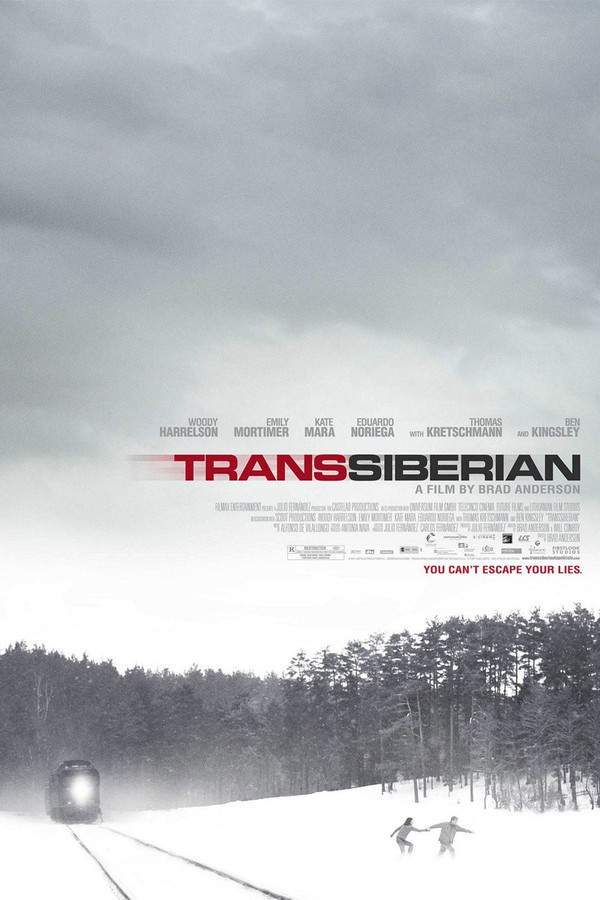
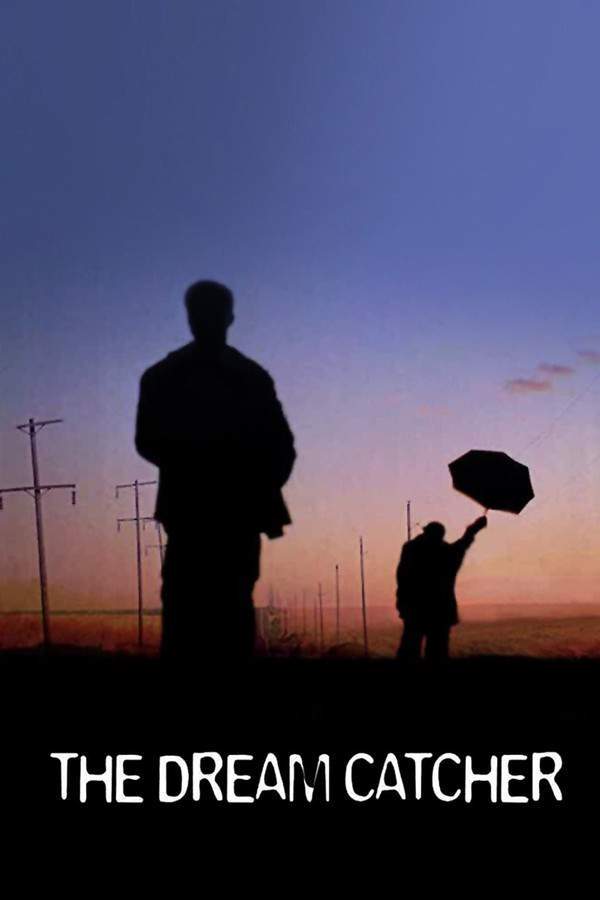
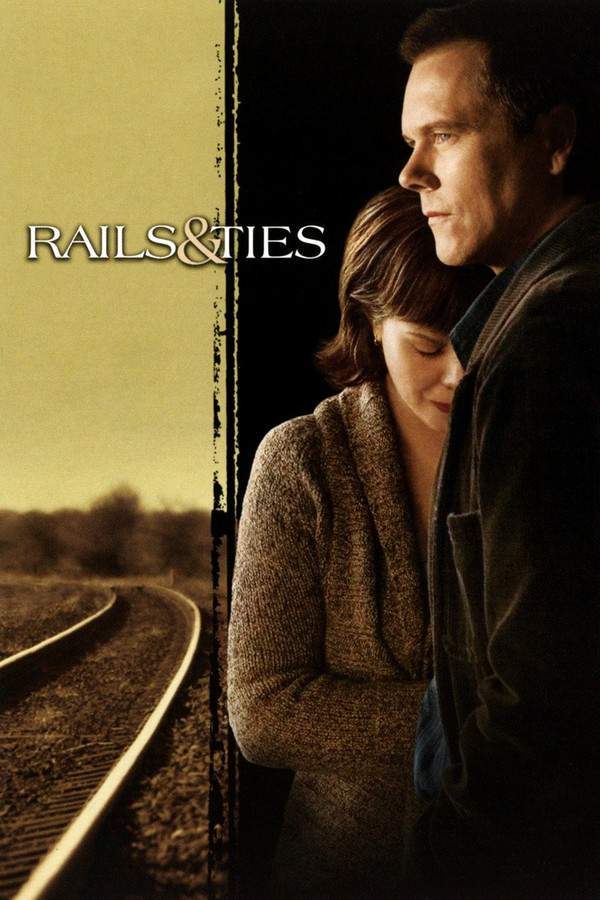
Browse a curated list of movies similar in genre, tone, characters, or story structure. Discover new titles like the one you're watching, perfect for fans of related plots, vibes, or cinematic styles.





Quick Links: Summary, Cast, Ratings, More

What's After the Movie?
Not sure whether to stay after the credits? Find out!
Check out our other apps:

SAT Sphere
Build confidence for the Digital SAT.

Mori Atlas
Discover wild places worth protecting.

Luntero
Search smarter for a home in Amsterdam.

Plot Explained
Unravel movie endings and hidden clues.

Pokechamp
Dive into Pokémon data and battle logic.

Driving Theory
Get ready for your European theory test.

Movie Dust
Plan your next cinema trip with ease.

Musemap
Find art and culture as you travel.

Selkobase
Compare credentials before committing.

Local Manual
Turn an unfamiliar country into practical next steps.

Lernavi
Compare school systems before your next move.

GymRoam
Find a workout stop wherever your plans take you.
Explore Our Movie Platform
New Movie Releases (2026)
Famous Movie Actors
Top Film Production Studios
Movie Plot Summaries & Endings
Major Movie Awards & Winners
Best Concert Films & Music Documentaries
Movie Collections and Curated Lists
© 2026 What's After the Movie. All rights reserved.
Privacy Policy