The Outsider 2018

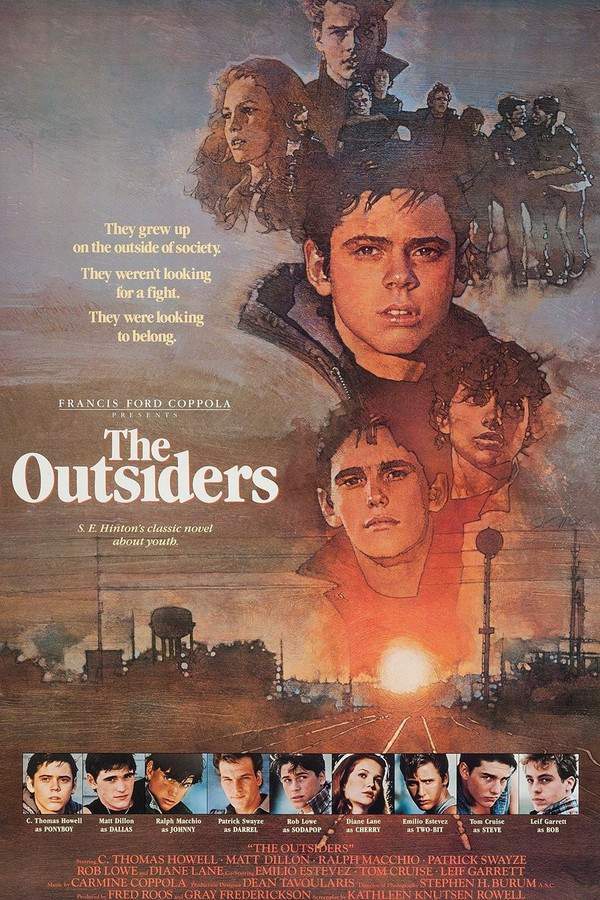
When a disturbing child murder shocks a community, a determined detective partners with a unique investigator to unravel the case. Their search leads them into an unsettling mystery, challenging their perceptions and blurring the boundary between what's real and what's sinister. As they delve deeper, they must confront their own hidden anxieties and fears to find the truth.


Does The Outsider have end credit scenes?
No!
The Outsider does not have end credit scenes. You can leave when the credits roll.
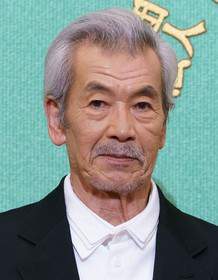
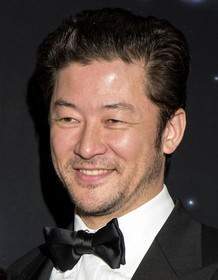
Meet the Full Cast and Actors of The Outsider
Explore the complete cast of The Outsider, including both lead and supporting actors. Learn who plays each character, discover their past roles and achievements, and find out what makes this ensemble cast stand out in the world of film and television.






External Links and Streaming Options
Discover where to watch The Outsider online, including streaming platforms, rental options, and official sources. Compare reviews, ratings, and in-depth movie information across sites like IMDb, TMDb, Wikipedia or Rotten Tomatoes.










Ratings and Reviews for The Outsider
See how The Outsider is rated across major platforms like IMDb, Metacritic, and TMDb. Compare audience scores and critic reviews to understand where The Outsider stands among top-rated movies in its genre.

The Movie Echo Score
The Outsider delivers visual polish that stands out against a backdrop of uneven storytelling and tentative character work. While the film’s art direction and cinematography earn consistent praise for their period details and measured framing, the narrative frequently relies on familiar crime-drama tropes and telegraphed twists that undercut its engagement. Character performances vary widely, with supporting cast members providing credibility but the lead’s understated approach limiting emotional resonance. As a result, the film offers moderate sensory appeal but mixed overall satisfaction.
The Movie Echo Score Breakdown for The Outsider

Art & Craft
The film’s art and craft elements stand out as its most consistent strength. In terms of direction and production design, reviewers highlighted polished period details and varied framing that evoke 1950s Japan. Cinematography receives particular note for its measured pacing of visual set pieces. Editing was occasionally critiqued for dragging in places, but overall the film’s visual styling and craft contribute a dependable polish.

Character & Emotion
Character and emotion work in the film is uneven, reflecting a mix of credible support and lackluster lead presence. When it comes to acting, several reviewers praised the Japanese ensemble for grounding the narrative, but many found the central performance to be restrained and lacking emotional range. Emotional resonance fluctuates as characters are introduced with minimal depth and limited chemistry in key scenes. Character engagement is moderate but inconsistent.

Story & Flow
Story and flow exhibit a blend of familiar genre conventions and inconsistent pacing that limit engagement. In terms of plot coherence, critiques pointed to telegraphed twists and unoriginal narrative beats that diminish suspense. Pacing is deliberate but often heavy, leading to extended sequences that some found tedious. While the premise of an outsider in the Yakuza offers intrigue, the overall storyline falls short of delivering compelling originality.

Sensory Experience
Sensory experience delivers a measured audio-visual presentation that supports the film’s tone without overwhelming. When it comes to soundtrack and sound design, the score is restrained, complementing scenes rather than punctuating them. Visual style benefits from a consistent color palette and polished production design, though some sequences lack dynamic energy. Overall, the sensory elements provide a solid backdrop that enhances mood but rarely surprises.

Rewatch Factor
The film’s rewatch potential is moderate, reflecting its visual strengths alongside narrative inconsistencies. In terms of replay value, viewers appreciated the period detail and measured pacing on subsequent viewings, but many noted that familiar plot beats and a restrained lead performance limit lasting engagement. The atmospheric design encourages a second viewing to appreciate production elements, yet the underlying story prevents the film from becoming a frequent rewatch.

30
Metascore
6.8
User Score


71%
TOMATOMETER

82%
User Score

7.6 /10
IMDb Rating
Take the Ultimate The Outsider Movie Quiz
Challenge your knowledge of The Outsider with this fun and interactive movie quiz. Test yourself on key plot points, iconic characters, hidden details, and memorable moments to see how well you really know the film.
The Outsider (2018) Quiz: Test your knowledge of the 2018 film *The Outsider* with these ten questions ranging from easy to difficult.
Who is the main protagonist of the film?
Full Plot Summary and Ending Explained for The Outsider
Read the complete plot summary of The Outsider, including all major events, twists, and the full ending explained in detail. Explore key characters, themes, hidden meanings, and everything you need to understand the story from beginning to end.
In 1954, nine years after the Pacific War, Nick Lowell—the only non-Japanese inmate in an Osaka prison—finds himself surrounded by a sea of tattooed yakuza, his presence a quiet anomaly among the clattering steel and whispered codes of the men who rule the night. When he pulls a fellow prisoner named Kiyoshi from the gallows, Nick’s act of restraint earns him a debt of gratitude from Shiromatsu, a yakuza clan, who arrange for his early release as a favor to their new ally. The repayment comes with a price: a path into a world where loyalty is bought with blood and silence, and where every choice can pull him deeper into a storm he never asked to join.
Once outside, Nick is ushered into Shiromatsu’s waterfront headquarters and offered a job that frames the rest of his life. At the negotiation table with Anthony Panetti, an American businessman embittered by the residual animosity of the war, Nick’s appetite for leverage—and for making Panetti reconsider the terms of the deal—explodes in a single, brutal moment: he slams a typewriter into Panetti’s skull, forcing a pause in the stilted talks and tilting the balance of power decisively in Shiromatsu’s favor. The exchange inaugurates Nick as a player in a game where miscalculation carries a price.
When a Seizu force arrives from Kobe to intimidate Shiromatsu at their nightclub, Nick’s instinct to protect what he’s just begun to trust erupts in violence. He smashes a bottle into a Seizu member and narrowly averts a full-blown firefight, and the Seizu retreat only because they misread his resolve. In the wake of this confrontation, Kiyoshi grows to rely on Nick, granting him a lavish apartment and a sharp suit as signs of respect and belonging. He also entrusts Nick with the duty of driving his intoxicated sister Miyu home after one of her nights out, drawing Nick closer to Miyu’s orbit and to the complicated toll of family secrets. As Nick spends more nights at Shiromatsu’s club and grows closer to Miyu, he accepts a deeper role within the clan, and a tattoo maps the new chapter on his back to match Miyu’s own ink—a bond that binds his fate to hers.
The clan’s position hardens as the old patriarch’s stubborn inertia fails to adapt to the post-war economy, and Shiromatsu finds itself squeezed between aging tradition and new power players. Kiyoshi sends Nick on a delicate, dangerous mission to a harbor, where a black-market weapons deal should be secured with help from a traitorous soldier. Instead, Nick discovers a corpse and is ambushed by four Seizu operatives. In the ensuing skirmish, the cash Nick carried vanishes, but he fights back with skilled ferocity, killing two of his attackers. Back at Shiromatsu HQ, the patriarch’s relief is tempered by the realization that a war with Seizu has begun, one that Nick has narrowly reignited. To avert all-out war, Nick and Kiyoshi offer a painful gesture of reconciliation to the Seizu: yubitsume, the ritual amputation of fingertips, sent to the Seizu patriarch as a sign of apology and the clans’ willingness to walk the road of blood and ink together. The ritual solidifies Nick’s integration into Shiromatsu as he undergoes an initiation ceremony in a countryside temple, becoming a full member of the clan.
During a fateful sumo contest, the two families meet again and the Seizu patriarch proposes a grim peace: Shiromatsu would be absorbed, the old ways replaced by Seizu dominance. The Shiromatsu refuse, and the confrontation hints at the deeper treacheries brewing beneath the surface. On the streets, Nick is unexpectedly recognized by Lieutenant Paulie Bowers, a US Marine on leave and his former captain who was believed dead by his own command. Paulie tries to coerce Nick into a new kind of arrangement, luring him back to his apartment and ending Nick’s life with a brutal neck slashing. The world tilts again, and Nick must confront a past that refuses to stay buried.
The next morning brings harsher news: Miyu has been assaulted by a former lover, Orochi, who is also a Shiromatsu member. Miyu’s strength and her confession that she is pregnant push Nick toward a protective resolve. He confesses his relationship with Miyu to Kiyoshi, who recognizes the weight of the situation and entrusts him with a duty greater than personal desire: keep Miyu safe. Kiyoshi then gives Nick a daishō, a pair of swords symbolizing honor, and together they lay to rest Bowers’ body in the woods, a grim reaffirmation of the lines Nick is willing to cross for family.
Days later, the patriarch accompanies Nick and Kiyoshi to a tailor shop, where an ominous delay in the fitting signals danger. Nick senses the tension, checks on the patriarch, and finds a silent killer straining behind the façade. In a flash, Kiyoshi shoots the assassin, but the Seizu exploit the moment, ambushing the trio as they flee in a car. Kiyoshi is fatally shot in the escape, his death marking a brutal turning point. It becomes clear that a fifth of Shiromatsu, Orochi among them, has defected to the Seizu, fracturing the clan from within. Nick pushes the patriarch toward a broader war, joining a campaign against the Seizu with renewed ferocity, assassinating multiple targets to avenge his own losses and to defend the survivors of Shiromatsu.
The Seizu patriarch, sensing a turning point, calls for peace talks at a harbor, but Orochi murders the Shiromatsu patriarch in a chilling, intimate moment, stabbing him as they embrace, and Nick barely survives a sniper’s wound to the leg. The police ultimately burn down the Shiromatsu club, a nightmarish symbol of the clan’s final stand and its dissolution into smoke and ash.
Driven by a single, unyielding purpose, Nick marches to the Seizu dojo with Kiyoshi’s sword, demanding a chance to kill Orochi and end the blood feud. Orochi scoffs at him, calling him a gaijin—an outsider who can never truly be one of them—and refuses to duel. Nick seizes his opportunity when Orochi returns his sword, drawing it in a clean, decisive arc and cutting Orochi’s throat. The Seizu patriarch intervenes, telling Nick to depart after this act of brutal justice, and Nick retaliates with quiet resolve before returning to a secure apartment where Miyu awaits under guard.
In the quiet that follows, Nick cradles Miyu and receives the final, sacred bow of the remaining Shiromatsu members, signaling that he has earned a darker kind of respect and responsibility. The story closes on a stark, hard-won note: Nick is no longer just an outsider among Osaka’s underworld; he has become the new head of the Shiromatsu clan, a man who has forged his own code of honor in a world where loyalty is survival and survival requires a constant, costly vigilance.

Coming soon on iOS and Android
The Plot Explained Mobile App
From blockbusters to hidden gems — dive into movie stories anytime, anywhere. Save your favorites, discover plots faster, and never miss a twist again.
Sign up to be the first to know when we launch. Your email stays private — always.
Explore the mobile appDiscover Film Music Concerts Near You – Live Orchestras Performing Iconic Movie Soundtracks
Immerse yourself in the magic of cinema with live orchestral performances of your favorite film scores. From sweeping Hollywood blockbusters and animated classics to epic fantasy soundtracks, our curated listings connect you to upcoming film music events worldwide.
Explore concert film screenings paired with full orchestra concerts, read detailed event information, and secure your tickets for unforgettable evenings celebrating legendary composers like John Williams, Hans Zimmer, and more.


Cars Featured in The Outsider
Explore all cars featured in The Outsider, including their makes, models, scenes they appear in, and their significance to the plot. A must-read for car enthusiasts and movie buffs alike.
The Outsider Themes and Keywords
Discover the central themes, ideas, and keywords that define the movie’s story, tone, and message. Analyze the film’s deeper meanings, genre influences, and recurring concepts.

Unlock the World of Movies with Our Comprehensive Wiki
Dive into our Movie Wiki for in-depth film encyclopedia entries, including cast biographies, production trivia, plot synopses, behind-the-scenes facts, and thematic analyses. Whether you’re researching iconic directors, exploring genre histories, or discovering hidden easter eggs, our expertly curated movie database has everything you need to fuel your cinematic passion.
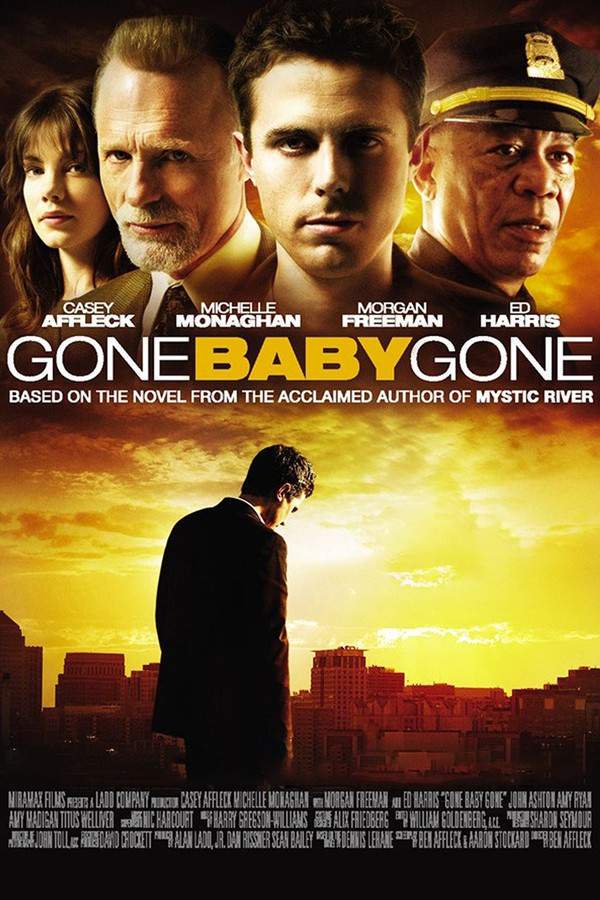
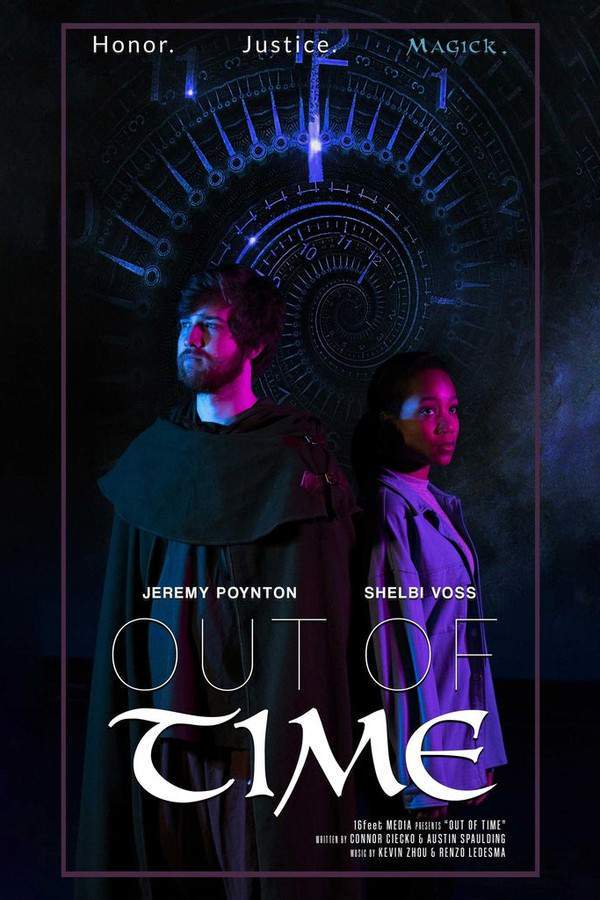
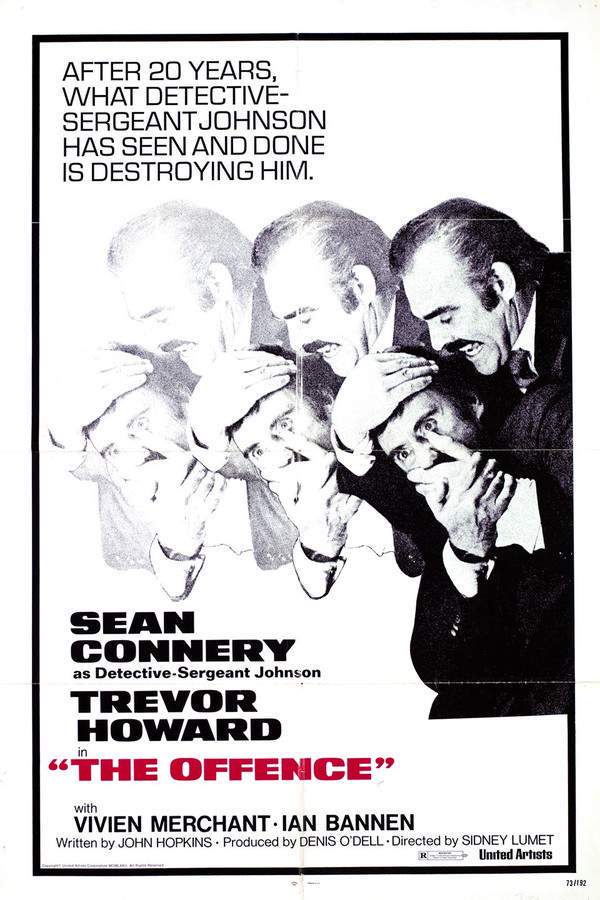
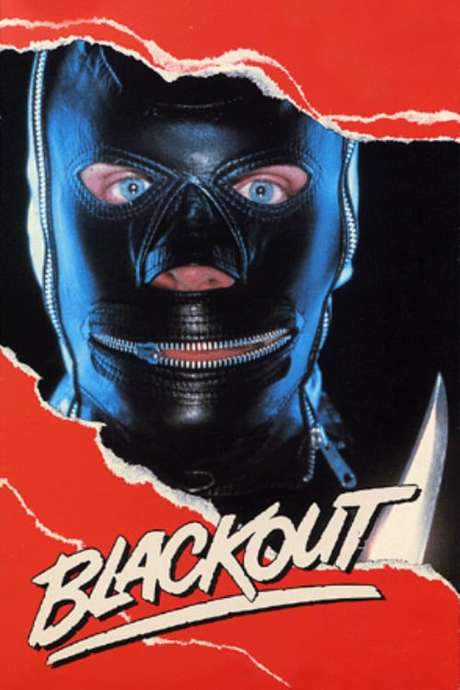
Similar Movies To The Outsider You Should Know About
Browse a curated list of movies similar in genre, tone, characters, or story structure. Discover new titles like the one you're watching, perfect for fans of related plots, vibes, or cinematic styles.









Quick Links: Summary, Cast, Ratings, More

What's After the Movie?
Not sure whether to stay after the credits? Find out!
Check out our other apps:

SAT Sphere
Build confidence for the Digital SAT.

Mori Atlas
Discover wild places worth protecting.

Luntero
Search smarter for a home in Amsterdam.

Plot Explained
Unravel movie endings and hidden clues.

Pokechamp
Dive into Pokémon data and battle logic.

Driving Theory
Get ready for your European theory test.

Movie Dust
Plan your next cinema trip with ease.

Musemap
Find art and culture as you travel.

Selkobase
Compare credentials before committing.

Local Manual
Turn an unfamiliar country into practical next steps.

Lernavi
Compare school systems before your next move.

GymRoam
Find a workout stop wherever your plans take you.
Explore Our Movie Platform
New Movie Releases (2026)
Famous Movie Actors
Top Film Production Studios
Movie Plot Summaries & Endings
Major Movie Awards & Winners
Best Concert Films & Music Documentaries
Movie Collections and Curated Lists
© 2026 What's After the Movie. All rights reserved.
Privacy Policy