
The Old Negro Space Program (2004): Cast & Plot
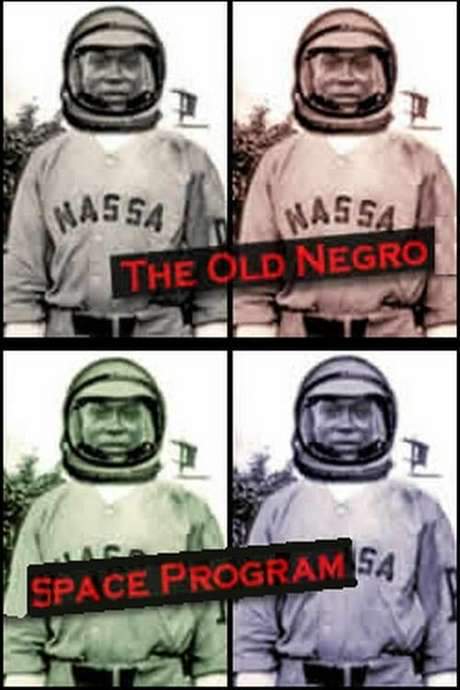
The Old Negro Space Program is a 2004 short comedy starring Johnny Brown as Wallace 'Suitcase' Jefferson, Jordan Black and Rodney Saulsberry. It runs 10 minutes.
 English
 What Is The Old Negro Space Program About?
The premise of The Old Negro Space Program without spoilers. The whole story is in the plot summary further down.
The suppressed history of America’s Black space program, in mockumentary form broadly satirizing Ken Burns and histories of the Negro Baseball Leagues.
The Old Negro Space Program Themes & Keywords
· 8 tags- alternate history
- race
- reference to the space race
- nasa
- american racism
- alternative history
- racism in the u.s.
- mockumentary
The Old Negro Space Program Cast & Characters
Johnny Brown leads the cast as Wallace 'Suitcase' Jefferson, with Jordan Black as Sullivan Carew (voice) and Rodney Saulsberry.
- Johnny Brown as Wallace 'Suitcase' Jefferson
- Jordan Black as Sullivan Carew (voice)
- Rodney Saulsberry
- Andy Bobrow as Dr. Warren Fingerroot
The Old Negro Space Program Plot Summary
What happens in The Old Negro Space Program from start to finish, spoilers included, with a timeline of 15 key events. The opening is below; the full summary is a 2-minute read.
Spoilers ahead
Wallace “Suitcase” Jefferson, Johnny Brown, is determined to win the heart of the girl he likes and applies for a job at NASA, the newly formed space program. Yet the era’s pervasive racism is laid bare as NASA remains whites-only, a reflection of the country’s segregated reality. Undeterred, he teams up with his friend Louie Hays to form the Negro American Space Society of Astronauts (NASSA), a bold venture that captures the imagination of many.
Sullivan Carew, Jordan Black voices the pivotal role, and the cast includes Rodney Saulsberry alongside Johnny Brown and Andy Bobrow as Dr. Warren Fingerroot. Together, they drive a story about ambition, friendship, and a stubborn belief that space belongs to everyone, not just a select few.
Full summary
The whole story of The Old Negro Space Program, scene by scene
How Well Do You Know The Old Negro Space Program?
10 questions about the story, each with a hint if you get stuck. Pick an answer to see whether you were right.
Question 1 of 10
- Question 1: not answered
- Question 2: not answered
- Question 3: not answered
- Question 4: not answered
- Question 5: not answered
- Question 6: not answered
- Question 7: not answered
- Question 8: not answered
- Question 9: not answered
- Question 10: not answered
What nickname does Wallace Jefferson go by?
Seen The Old Negro Space Program?
Movies Like The Old Negro Space Program
Films with a similar story, tone or audience, including Black History: Lost, Stolen or Strayed, The Race for Space and Race to Space.
-
 Black History: Lost, Stolen or Strayed 1968
 -
 The Race for Space 1959
 -
 Race to Space 2001
 -
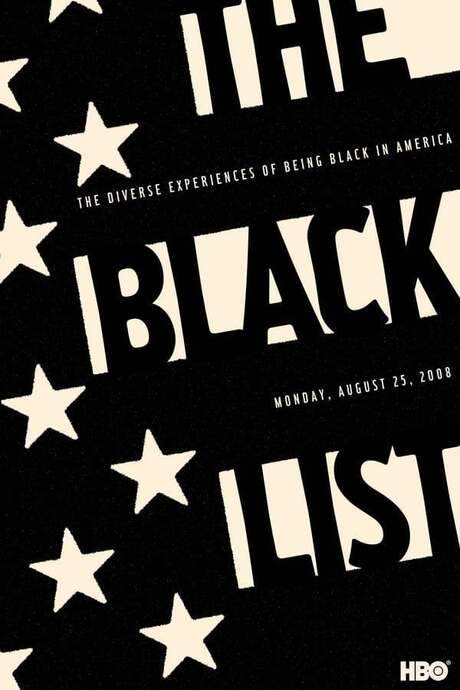 The Black List: Volume One 2008
 -
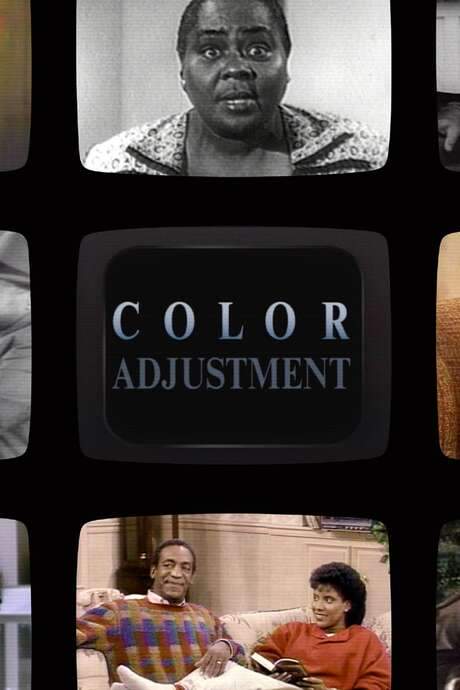 Color Adjustment 1992
 -
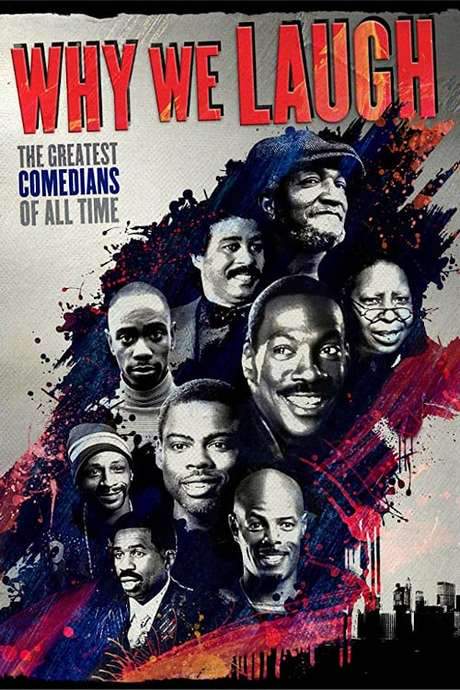 Why We Laugh: Black Comedians on Black Comedy 2009
 -
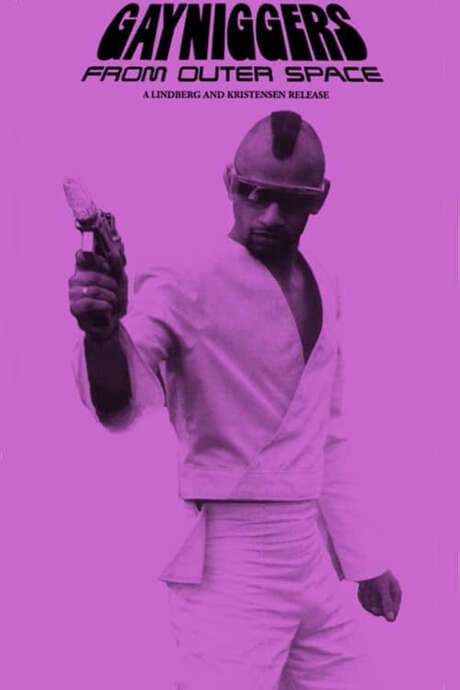 Gayniggers from Outer Space 1992
 -
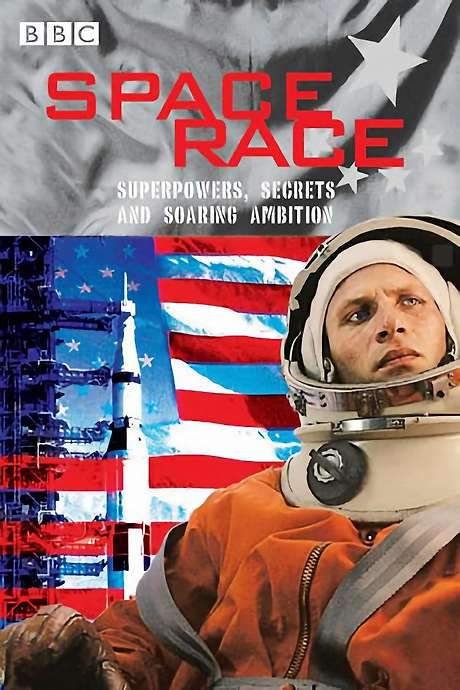 Space Race 2005
 -
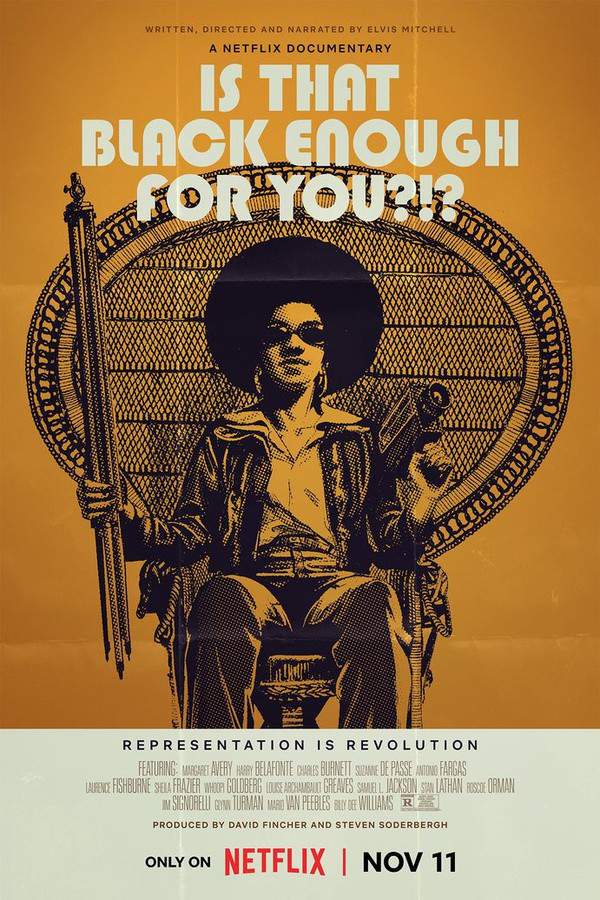 Is That Black Enough for You?!? 2022
 -
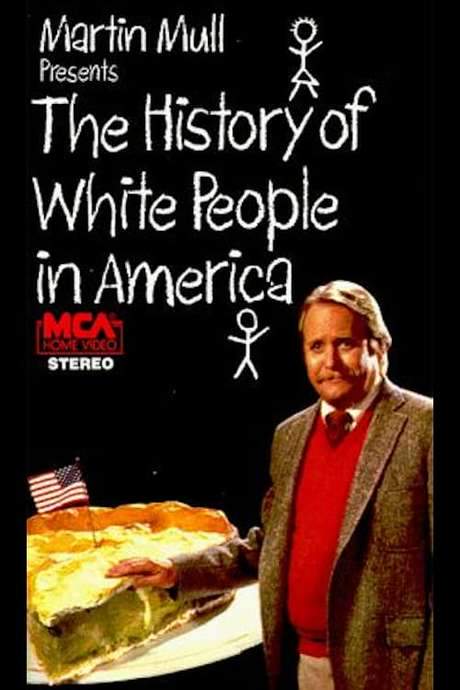 The History of White People in America 1985
 -
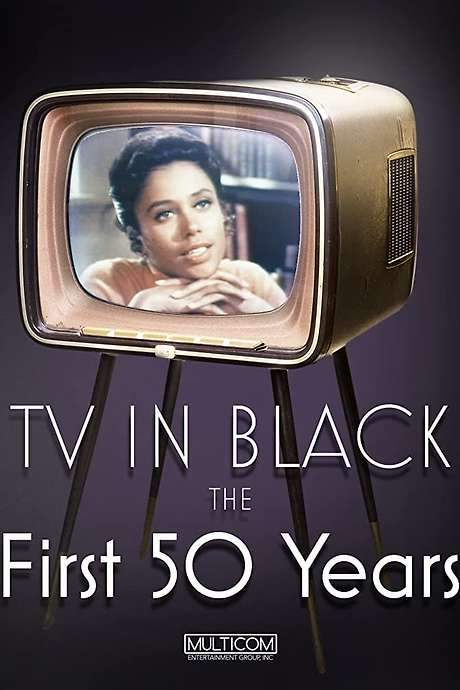 TV in Black: The First Fifty Years 2004
 -
 Space Cop 2016
The Old Negro Space Program FAQ: Cast & Runtime
Runtime, release date, cast and post-credit scenes of The Old Negro Space Program, each answered in a sentence.
How long is The Old Negro Space Program?
The Old Negro Space Program runs 10 minutes.
When was The Old Negro Space Program released?
The Old Negro Space Program was released on March 4, 2004.
Who is in the cast of The Old Negro Space Program?
The Old Negro Space Program stars Johnny Brown as Wallace 'Suitcase' Jefferson, Jordan Black as Sullivan Carew (voice) and Rodney Saulsberry, among 4 credited actors.
Does The Old Negro Space Program have a post-credit scene?
No. The Old Negro Space Program has no extra scene during or after the credits.
Coming soon to your phone
The Plot Explained Movie Summary App
From blockbusters to hidden gems: plot summaries, endings explained and timelines on your phone. Save your favorites and never miss a twist again.
Be the first to know when it launches. Your email stays private, always. Learn more about the app
