The Man Who Killed Hitler and Then The Bigfoot 2019


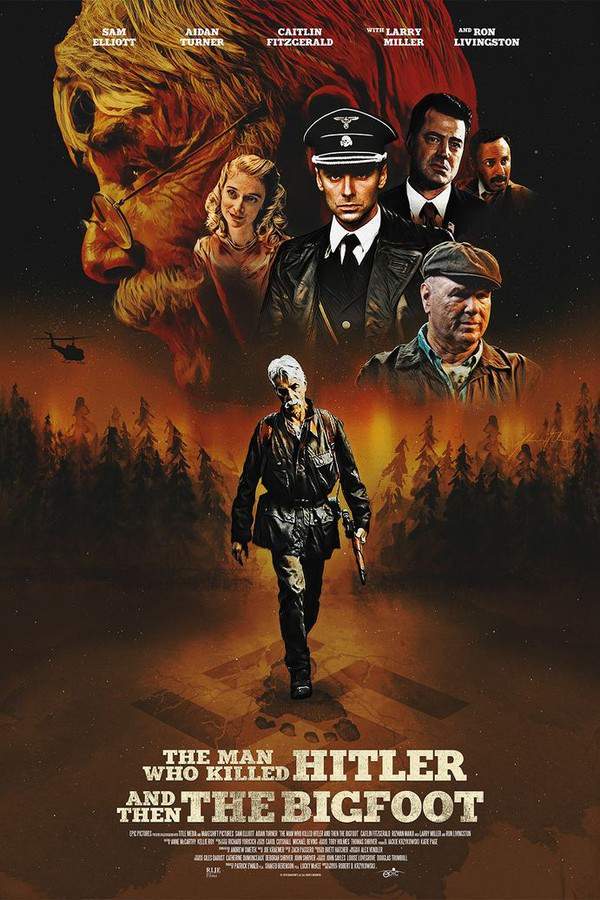
A World War II veteran, Calvin Barr, is called back into action when Bigfoot unleashes a deadly plague that could devastate the world. Haunted by his covert wartime experiences, Calvin must confront the monstrous creature and stop the outbreak. He draws upon his military skills and wartime experience to save humanity from this unprecedented threat.


Does The Man Who Killed Hitler and Then The Bigfoot have end credit scenes?
No!
The Man Who Killed Hitler and Then The Bigfoot does not have end credit scenes. You can leave when the credits roll.
Where to Watch The Man Who Killed Hitler and Then The Bigfoot
See current US streaming, rental, and purchase options for The Man Who Killed Hitler and Then The Bigfoot (2019) via JustWatch.

Philo
HD
Hoopla
SD
Fandango at Home Free
HD
The Roku Channel
HD
Tubi TV
SD
YouTube Free
HD
Amazon Video
SD
Apple TV Store
4K Fandango At Home
SD
Google Play Movies
SD
YouTube
SD Streaming availability powered by 
Meet the Full Cast and Actors of The Man Who Killed Hitler and Then The Bigfoot
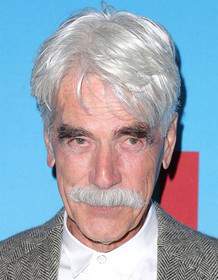
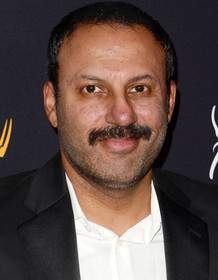
Explore the complete cast of The Man Who Killed Hitler and Then The Bigfoot, including both lead and supporting actors. Learn who plays each character, discover their past roles and achievements, and find out what makes this ensemble cast stand out in the world of film and television.






External Links and Streaming Options
Discover where to watch The Man Who Killed Hitler and Then The Bigfoot online, including streaming platforms, rental options, and official sources. Compare reviews, ratings, and in-depth movie information across sites like IMDb, TMDb, Wikipedia or Rotten Tomatoes.










Ratings and Reviews for The Man Who Killed Hitler and Then The Bigfoot
See how The Man Who Killed Hitler and Then The Bigfoot is rated across major platforms like IMDb, Metacritic, and TMDb. Compare audience scores and critic reviews to understand where The Man Who Killed Hitler and Then The Bigfoot stands among top-rated movies in its genre.

The Movie Echo Score
The Man Who Killed Hitler and Then The Bigfoot presents an uneven blend of genre elements that yields a mixed reception. Across various reviews, commentators noted a strong lead performance yet divergent opinions on narrative cohesion and pacing. Some praised the film’s originality and touching moments, while others found the tone disjointed and the humor lacking. The net impression is of a film that occasionally engages but struggles to sustain focus and clarity.
The Movie Echo Score Breakdown for The Man Who Killed Hitler and Then The Bigfoot

Art & Craft
In terms of art and craft, the film shows an ambitious yet inconsistent visual style. Direction and production design deliver occasional atmospheric flair, but uneven editing and tonal shifts undermine cohesion. Cinematography and editing are competent without being distinctive, and the overall craft feels deliberate yet unstable. The net effect is a visual approach that intrigues sporadically but struggles to maintain steady execution.

Character & Emotion
In terms of character and emotion, the film benefits greatly from Sam Elliott’s nuanced performance as an aging soldier grappling with regret. Critics and viewers acknowledged strong emotional resonance in moments of solitude and reflection, though some supporting relationships lack depth. Chemistry in the romance subplot is uneven and feels ancillary. Overall, the lead portrayal elevates the narrative amidst uneven emotional pacing.

Story & Flow
In terms of story and flow, responses to the film’s narrative structure are mixed. Many praised its imaginative premise and thematic exploration of loneliness and regret, yet pacing issues and abrupt tonal shifts leave parts feeling uneven and underdeveloped. Flashback sequences and an ancillary romance subplot received criticism for detracting from the central mission. The result is a conceptually rich but narratively inconsistent experience.

Sensory Experience
In terms of sensory experience, the film offers moments of atmospheric sound design and an understated musical score that complement its somber tone. However, the visual style is undermined by occasional arch cheesiness and a Bigfoot creature design that can appear unconvincing. Soundtrack and transitions garner some praise, but the overall sensory impact remains modest and inconsistent.

Rewatch Factor
In terms of rewatch value, opinions diverge on the film’s lasting appeal. The unconventional premise and moments of emotional introspection inspire curiosity for repeat viewings, yet uneven pacing and tonal inconsistencies discourage sustained engagement. The ancillary romance and disjointed transitions are cited as hurdles for subsequent enjoyment. Overall, the film’s unique concept offers rewatch potential but struggles to maintain cohesion on repeated viewings.

51
Metascore
4.9
User Score


75%
TOMATOMETER

51%
User Score

5.7 /10
IMDb Rating

54
%
User Score

2.8
From 24 fan ratings

2.50/5
From 4 fan ratings
Take the Ultimate The Man Who Killed Hitler and Then The Bigfoot Movie Quiz
Challenge your knowledge of The Man Who Killed Hitler and Then The Bigfoot with this fun and interactive movie quiz. Test yourself on key plot points, iconic characters, hidden details, and memorable moments to see how well you really know the film.
The Man Who Killed Hitler and Then The Bigfoot Quiz: Test your knowledge on the unique story of Calvin Barr and his extraordinary adventures.
In which year does the story of Calvin Barr take place?
Awards & Nominations for The Man Who Killed Hitler and Then The Bigfoot
Discover all the awards and nominations received by The Man Who Killed Hitler and Then The Bigfoot, from Oscars to film festival honors. Learn how The Man Who Killed Hitler and Then The Bigfoot and its cast and crew have been recognized by critics and the industry alike.
Full Plot Summary and Ending Explained for The Man Who Killed Hitler and Then The Bigfoot
Read the complete plot summary of The Man Who Killed Hitler and Then The Bigfoot, including all major events, twists, and the full ending explained in detail. Explore key characters, themes, hidden meanings, and everything you need to understand the story from beginning to end.
As the sun dips below the horizon in 1987, Calvin Barr, portrayed by Sam Elliott, finds himself reflecting on the twilight of his life, marked by an air of resignation and the weight of bygone days. His memories drift back to his earlier years as a World War II special ops soldier who undertook the daring mission to eliminate Adolf Hitler. Yet, the classified nature of the operation has left him with an emptiness that feeds into his current melancholic existence. Despite his valiant efforts, Barr feels a profound disappointment at the lack of recognition and impact his audacious act has had over the years.
In the present, Barr passes his time visiting his brother Ed, played by Larry Miller, at a quaint barbershop. Their conversations, filled with light banter and camaraderie, provide him with a semblance of comfort. However, this peaceful routine is abruptly shattered when a group of thugs pursues him for his vehicle, and he also finds himself under the constant surveillance of enigmatic government agents. These agents, representing a joint mission between the U.S. and Canada, reveal a dire threat looming over the world: a mysterious virus that could potentially extinguish all life on Earth. They believe that Barr, due to his rare immunity and exceptional skills, is their only hope to track down the source of this catastrophe: Bigfoot.
Equipped with his faithful dog, Barr embarks on an arduous expedition into the unforgiving wilderness. In their initial encounter, he succeeds in wounding the elusive creature, but it is only after much perseverance that he manages to corner the ailing Bigfoot. Caught in a moral dilemma, Barr feels a pang of sympathy for the creature’s suffering and opts to cremate it rather than surrender it to the authorities, unaware that this act of mercy holds dire consequences for him.
As Barr lies wounded and on the verge of death, the scene transitions to a somber funeral where Ed delivers a heartfelt eulogy. Time flows on, and Ed, while fishing with Barr’s devoted canine companion, remains blissfully unaware that Barr has survived his ordeal in secret. Eventually, Barr reappears to reunite with his brother on the river, their connection deepened through shared trials.
Finally at peace for having thwarted the looming threat and having made peace with his past, Barr is able to confront the ghosts that have haunted him for so long. In an emotional turn, he unearths his own coffin to retrieve a mysterious box, its contents hidden away along with his previous life as he walks off into the sunset, his spirit finally at rest.

Coming soon on iOS and Android
The Plot Explained Mobile App
From blockbusters to hidden gems — dive into movie stories anytime, anywhere. Save your favorites, discover plots faster, and never miss a twist again.
Sign up to be the first to know when we launch. Your email stays private — always.
Explore the mobile appWatch Trailers, Clips & Behind-the-Scenes for The Man Who Killed Hitler and Then The Bigfoot
Watch official trailers, exclusive clips, cast interviews, and behind-the-scenes footage from The Man Who Killed Hitler and Then The Bigfoot. Dive deeper into the making of the film, its standout moments, and key production insights.
Cars Featured in The Man Who Killed Hitler and Then The Bigfoot
Explore all cars featured in The Man Who Killed Hitler and Then The Bigfoot, including their makes, models, scenes they appear in, and their significance to the plot. A must-read for car enthusiasts and movie buffs alike.
The Man Who Killed Hitler and Then The Bigfoot Themes and Keywords
Discover the central themes, ideas, and keywords that define the movie’s story, tone, and message. Analyze the film’s deeper meanings, genre influences, and recurring concepts.
The Man Who Killed Hitler and Then The Bigfoot Other Names and Titles
Explore the various alternative titles, translations, and other names used for The Man Who Killed Hitler and Then The Bigfoot across different regions and languages. Understand how the film is marketed and recognized worldwide.
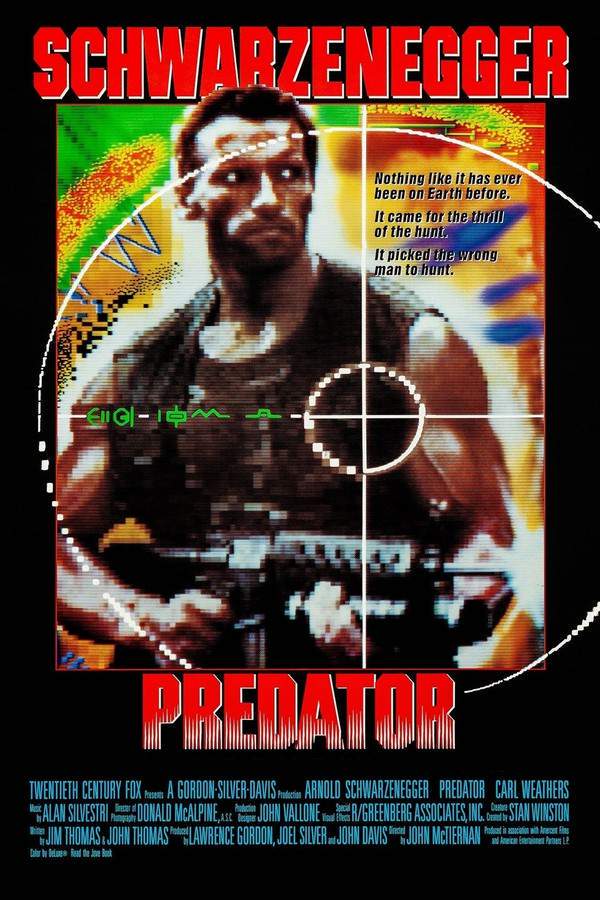
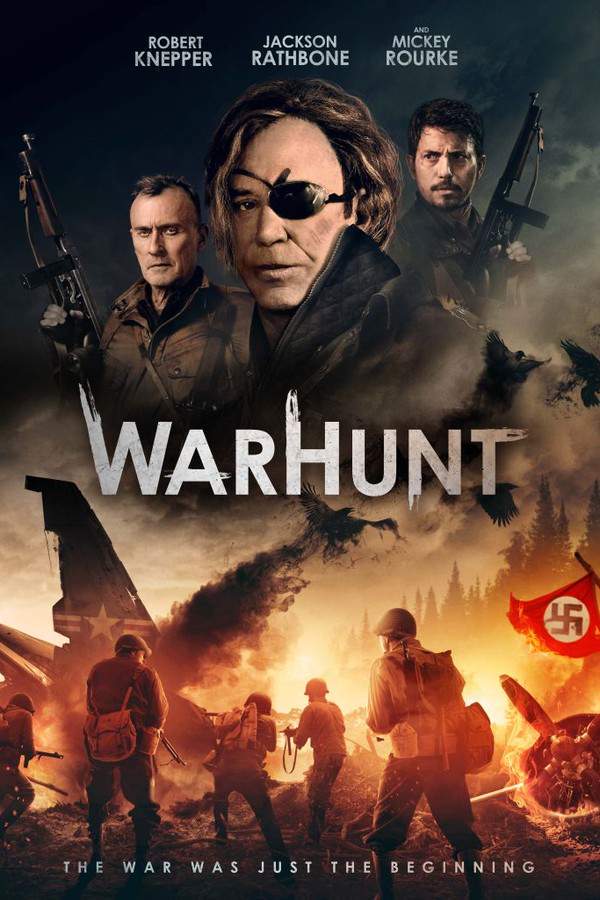
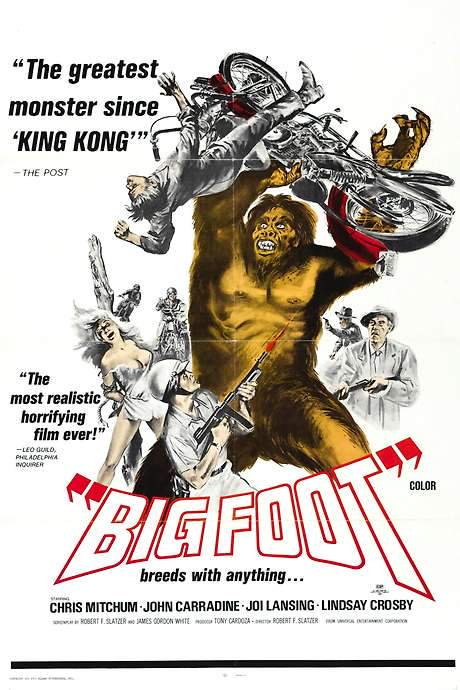
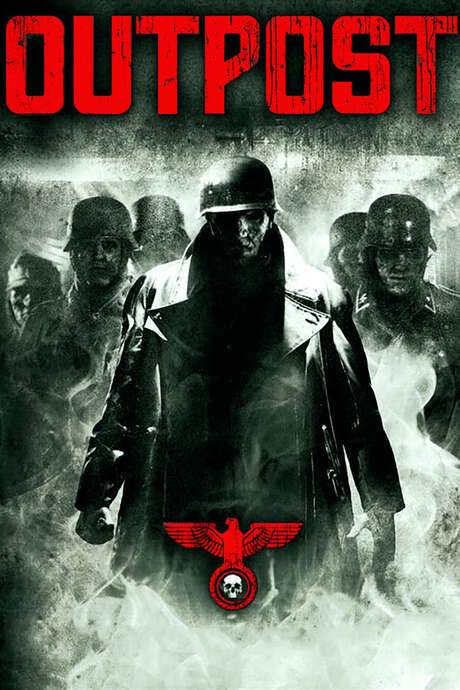
Similar Movies To The Man Who Killed Hitler and Then The Bigfoot You Should Know About
Browse a curated list of movies similar in genre, tone, characters, or story structure. Discover new titles like the one you're watching, perfect for fans of related plots, vibes, or cinematic styles.




Quick Links: Summary, Cast, Ratings, More

What's After the Movie?
Not sure whether to stay after the credits? Find out!
Check out our other apps:

SAT Sphere
Build confidence for the Digital SAT.

Mori Atlas
Discover wild places worth protecting.

Luntero
Search smarter for a home in Amsterdam.

Plot Explained
Unravel movie endings and hidden clues.

Pokechamp
Dive into Pokémon data and battle logic.

Driving Theory
Get ready for your European theory test.

Movie Dust
Plan your next cinema trip with ease.

Musemap
Find art and culture as you travel.

Selkobase
Compare credentials before committing.

Local Manual
Turn an unfamiliar country into practical next steps.

Lernavi
Compare school systems before your next move.

GymRoam
Find a workout stop wherever your plans take you.
Explore Our Movie Platform
New Movie Releases (2026)
Famous Movie Actors
Top Film Production Studios
Movie Plot Summaries & Endings
Major Movie Awards & Winners
Best Concert Films & Music Documentaries
Movie Collections and Curated Lists
© 2026 What's After the Movie. All rights reserved.
Privacy Policy