
The Mad Genius 1931


A crippled puppeteer saves an abused child and molds him into a brilliant ballet dancer. As the dancer matures, he falls passionately for a young woman who also enchants the puppeteer, sparking a volatile love triangle. The story delves into cruel passions, mad longings, and the monstrous grip each character has on the others’ souls.

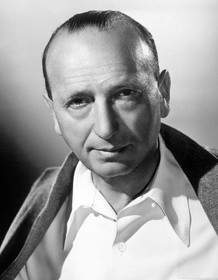

Does The Mad Genius have end credit scenes?
No!
The Mad Genius does not have end credit scenes. You can leave when the credits roll.
Meet the Full Cast and Actors of The Mad Genius
Explore the complete cast of The Mad Genius, including both lead and supporting actors. Learn who plays each character, discover their past roles and achievements, and find out what makes this ensemble cast stand out in the world of film and television.
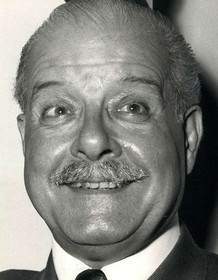
André Luguet
Count Robert Renaud
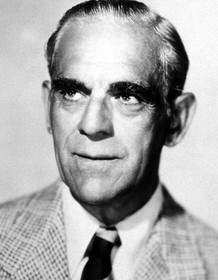
Boris Karloff
Fedor's Father (uncredited)
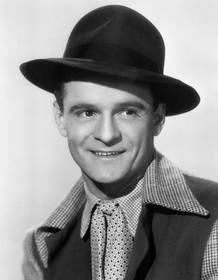
Frankie Darro
Fedor as a Boy

Luis Alberni
Sergei Bankieff
Donald Cook
Fedor Ivanoff
John Barrymore
Vladimar Ivan Tsarakov
Mae Madison
Olga Chekova (uncredited)
Walter Miller
Opera Spectator (uncredited)
Lee Moran
Montmartre Cabaret Director (uncredited)
Carmel Myers
Sonya Preskoya
Harry Wilson
Curtain Man (uncredited)
Marian Marsh
Nana Carlova
Charles Butterworth
Karimsky
Charles Brinley
Poster Hanger (uncredited)
Chester A. Bachman
Poster Hanger (uncredited)
External Links and Streaming Options
Discover where to watch The Mad Genius online, including streaming platforms, rental options, and official sources. Compare reviews, ratings, and in-depth movie information across sites like IMDb, TMDb, Wikipedia or Letterboxd.





Discover Film Music Concerts Near You – Live Orchestras Performing Iconic Movie Soundtracks
Immerse yourself in the magic of cinema with live orchestral performances of your favorite film scores. From sweeping Hollywood blockbusters and animated classics to epic fantasy soundtracks, our curated listings connect you to upcoming film music events worldwide.
Explore concert film screenings paired with full orchestra concerts, read detailed event information, and secure your tickets for unforgettable evenings celebrating legendary composers like John Williams, Hans Zimmer, and more.


The Mad Genius Themes and Keywords
Discover the central themes, ideas, and keywords that define the movie’s story, tone, and message. Analyze the film’s deeper meanings, genre influences, and recurring concepts.

Unlock the World of Movies with Our Comprehensive Wiki
Dive into our Movie Wiki for in-depth film encyclopedia entries, including cast biographies, production trivia, plot synopses, behind-the-scenes facts, and thematic analyses. Whether you’re researching iconic directors, exploring genre histories, or discovering hidden easter eggs, our expertly curated movie database has everything you need to fuel your cinematic passion.
Similar Movies To The Mad Genius You Should Know About
Browse a curated list of movies similar in genre, tone, characters, or story structure. Discover new titles like the one you're watching, perfect for fans of related plots, vibes, or cinematic styles.




Quick Links: Summary, Cast, Ratings, More

What's After the Movie?
Not sure whether to stay after the credits? Find out!




Explore Our Movie Platform
New Movie Releases (2025)
Famous Movie Actors
Top Film Production Studios
Movie Plot Summaries & Endings
Major Movie Awards & Winners
Best Concert Films & Music Documentaries
Movie Collections and Curated Lists
© 2025 What's After the Movie. All rights reserved.