
The Lady Says No (1951): Cast & Plot
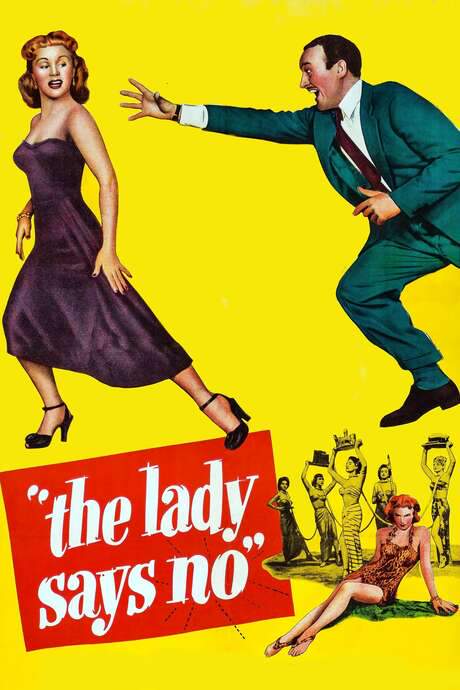
The Lady Says No is a 1951 romantic comedy directed by Frank Ross, starring David Niven as Bill Shelby, James Robertson Justice and Joan Caulfield. It runs 1 hour 20 minutes.
- Released
- Runtime
- 1h 20m (80 min)
- Director
- Frank Ross
- Original language
-
 English
 - After the credits
- No No extra scene
What Is The Lady Says No About?
The premise of The Lady Says No without spoilers. The whole story is in the plot summary further down.
…but she didn’t mean it! The feminist author of a national best-seller titled The Lady Says No meets a sexist magazine photographer and decides she’d rather say yes.
The Lady Says No Themes & Keywords
· 50 tags- banana cream pie
- cutting off a necktie
- lipstick on nose
- pie in the face
- pie fight
- reference to pabst blue ribbon beer
- major general
- banana split
- army base
- author rejects own book
- ends with kiss
- hitchhiking
+38 more Show fewer
- reference to kodak brownie camera
- gender relations
- film developing
- photo shoot
- humiliation
- magazine cover
- kiss
- camera
- dream sequence
- brawl
- trading clothes
- clothes swap
- cantina
- monterey california
- carmel california
- book
- military personnel
- dress
- marital trouble
- traffic violation
- photojournalist
- car packed with people
- trailer home
- darkroom
- u.s. army
- fort ord army base
- female author
- pacific ocean
- husband wife estrangement
- photograph on life magazine
- irishman
- magazine cover photo
- house trailer
- female pianist
- cocktail lounge
- jazz cafe
- magazine photographer
- uncle niece relationship
The Lady Says No Cast & Characters
David Niven leads the cast as Bill Shelby, with James Robertson Justice as Matthew Huntington Hatch and Joan Caulfield as Dorinda Hatch. Directed by Frank Ross; 11 actors are credited in all.
- Director Frank Ross
-
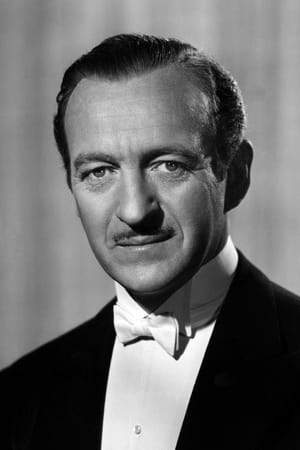 David Niven as Bill Shelby
 -
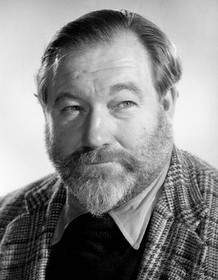 James Robertson Justice as Matthew Huntington Hatch
 - Joan Caulfield as Dorinda Hatch
-
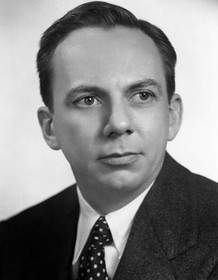 Henry Jones as Potsy
Also Starring in The Lady Says No
· 7 more- Lenore Lonergan Goldie
- Frances Bavier Alice Hatch
- George Davis Bartender
- Robert B. Williams Horatio Schofield
- Jeff York Goose
- Peggy Maley Midge
- Mary Lawrence Mary
The Lady Says No Plot Summary
What happens in The Lady Says No from start to finish, spoilers included, with a timeline of 12 key events. The opening is below; the full summary is a 4-minute read.
Spoilers ahead
” Rather than meeting a dour spinster, he finds a lively, effortlessly magnetic woman who challenges his expectations and stirs a growing attraction. As their conversations unfold, Dorinda’s sharp wit and flirtatious defiance begin to chip away at the rigid feminist stance she’s long defended, and Bill’s patient, worldly perspective tests the boundaries of her carefully curated beliefs. The tension between them is not merely romantic; it becomes a serious debate about love, autonomy, and whether feelings can be both a choice and an impulse. Dorinda’s internal conflict—between intellectual theory and emotional impulse—is dramatized through candid exchanges, intimate silences, and a dream sequence that surfacingly probes how she sees desire and loyalty.
Full summary
The whole story of The Lady Says No, scene by scene
How Well Do You Know The Lady Says No?
10 questions about the story, each with a hint if you get stuck. Pick an answer to see whether you were right.
Question 1 of 10
- Question 1: not answered
- Question 2: not answered
- Question 3: not answered
- Question 4: not answered
- Question 5: not answered
- Question 6: not answered
- Question 7: not answered
- Question 8: not answered
- Question 9: not answered
- Question 10: not answered
Which profession does Bill Shelby have?
Cars in The Lady Says No
7 cars on screen, including the 1950 Chrysler New Yorker and the 1949 Mercury Convertible.
-
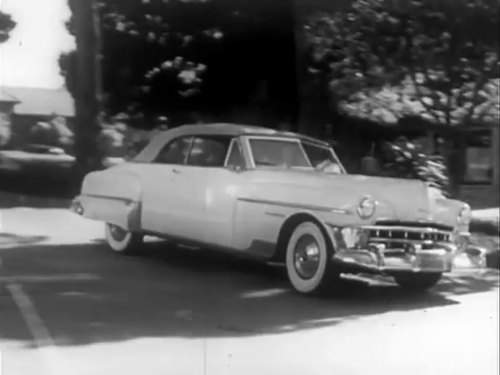 1950 Chrysler New Yorker Main role
 -
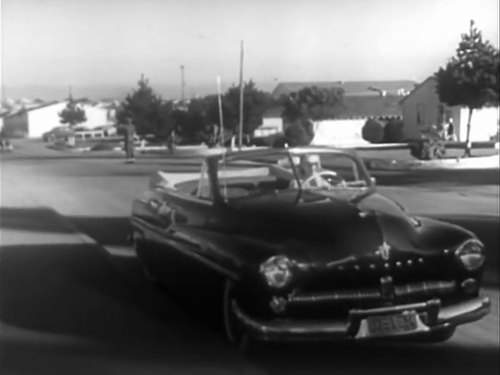 1949 Mercury Convertible Important role
 -
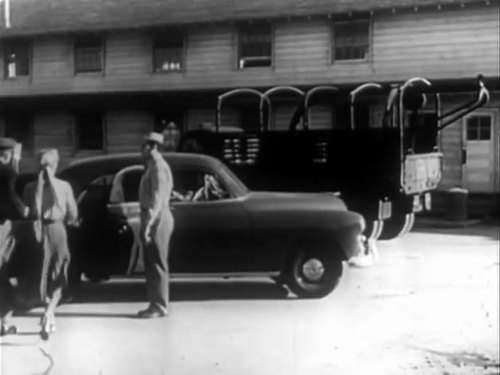 1950 Chevrolet Styleline Special Minor role
 -
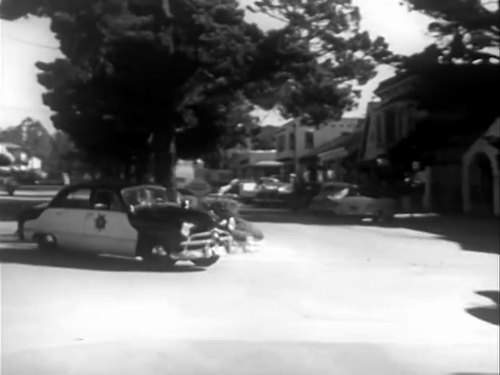 1949 Ford Minor role
Seen The Lady Says No?
Movies Like The Lady Says No
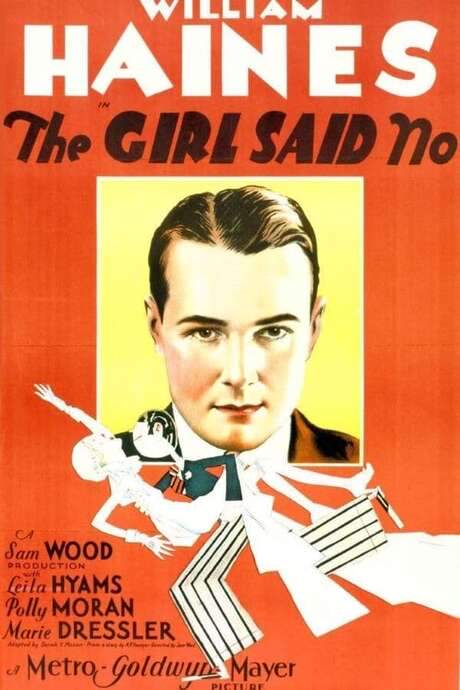
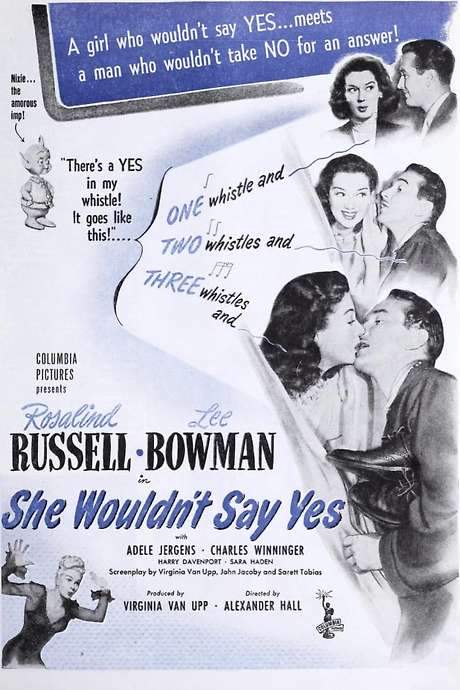
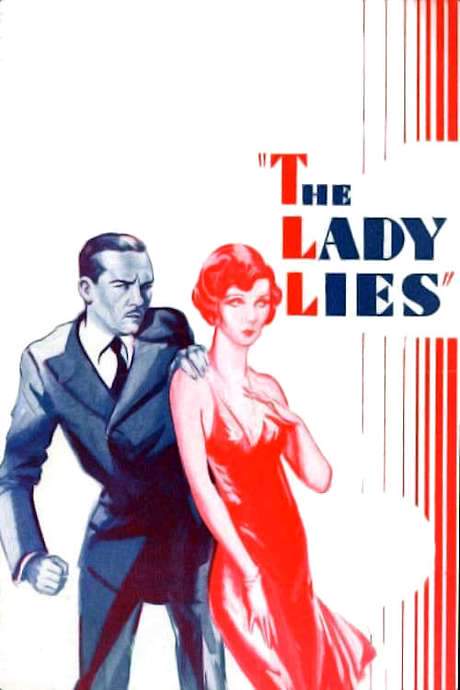
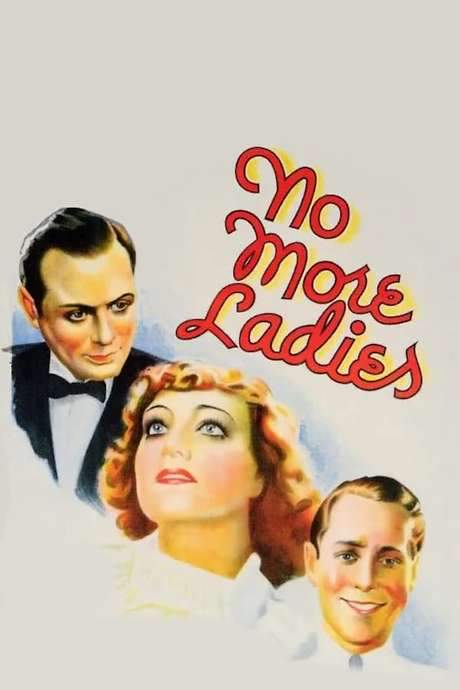
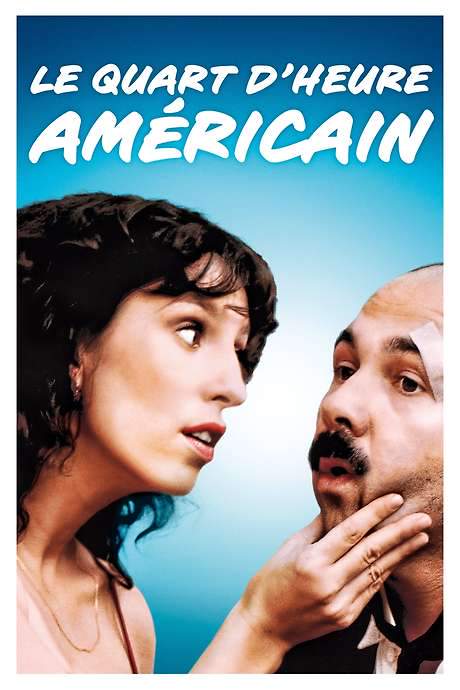
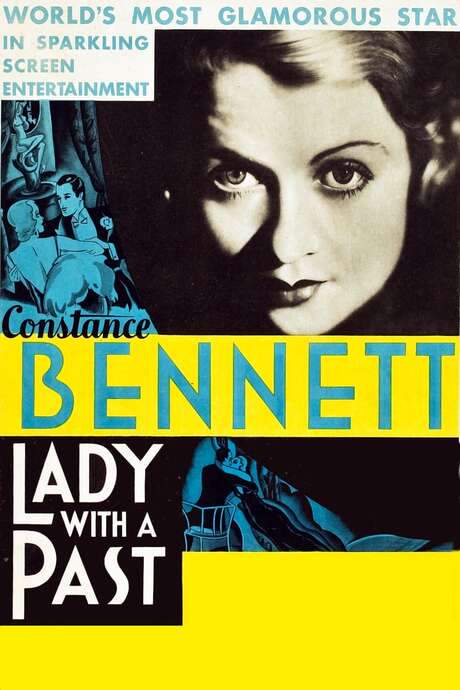
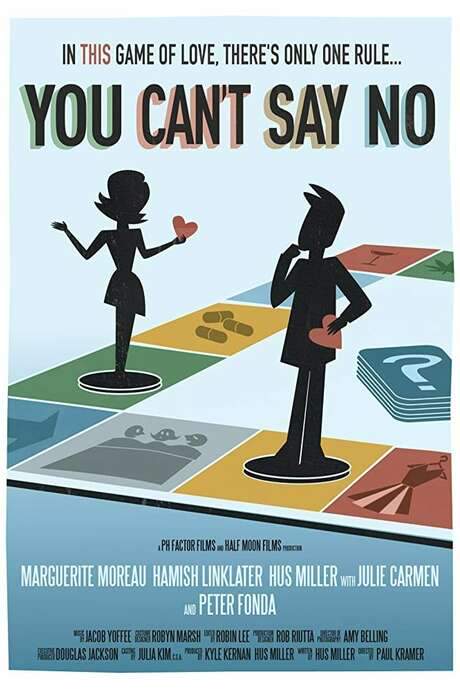
Films with a similar story, tone or audience, including The Girl Said No, She Wouldn’t Say Yes and The Lady Lies.
The Lady Says No FAQ: Cast, Runtime & Release Date
Runtime, release date, director, cast and post-credit scenes of The Lady Says No, each answered in a sentence.
How long is The Lady Says No?
The Lady Says No runs 1 hour 20 minutes (80 minutes).
When was The Lady Says No released?
The Lady Says No was released on December 14, 1951.
Who directed The Lady Says No?
The Lady Says No was directed by Frank Ross.
More films by Frank Ross Who is in the cast of The Lady Says No?
The Lady Says No stars David Niven as Bill Shelby, James Robertson Justice as Matthew Huntington Hatch and Joan Caulfield as Dorinda Hatch, among 11 credited actors.
Does The Lady Says No have a post-credit scene?
No. The Lady Says No has no extra scene during or after the credits.
Coming soon to your phone
The Plot Explained Movie Summary App
From blockbusters to hidden gems: plot summaries, endings explained and timelines on your phone. Save your favorites and never miss a twist again.
Be the first to know when it launches. Your email stays private, always. Learn more about the app
