The Judge and the General 2008


A Chilean judge uncovers long buried secrets of former dictator Augusto Pinochet and, in the process, must confront his own role in that dark past.


Does The Judge and the General have end credit scenes?
No!
The Judge and the General does not have end credit scenes. You can leave when the credits roll.
Meet the Full Cast and Actors of The Judge and the General
Explore the complete cast of The Judge and the General, including both lead and supporting actors. Learn who plays each character, discover their past roles and achievements, and find out what makes this ensemble cast stand out in the world of film and television.
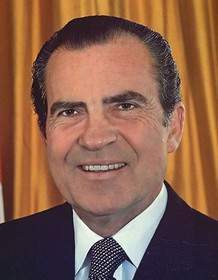
Richard Nixon
Self (archive footage)

Carmen Hertz
Self - Attorney, Vicariate of Solidarity. Widow of Victim
Augusto Pinochet
Self (archive footage)
Salvador Allende
Self (archive footage)
Michelle Bachelet
Self (archive footage)
Jack Straw
Self - British Home Secretary (archive footage)
Mónica González
Self - Journalist. Imprisoned under Pinochet
Ricardo Lagos
Self - President of Chile 2000 - 2006
Mónica Pérez Marín
Self (archive footage)
External Links and Streaming Options
Discover where to watch The Judge and the General online, including streaming platforms, rental options, and official sources. Compare reviews, ratings, and in-depth movie information across sites like IMDb, TMDb, Wikipedia or Rotten Tomatoes.





Take the Ultimate The Judge and the General Movie Quiz
Challenge your knowledge of The Judge and the General with this fun and interactive movie quiz. Test yourself on key plot points, iconic characters, hidden details, and memorable moments to see how well you really know the film.
The Judge and the General Quiz: Test your knowledge of the 2008 documentary *The Judge and the General*, which follows Chilean Appeals Court Judge Juan Guzmán as he confronts the legacy of the Pinochet regime.
What is the name of the Chilean judge featured in the documentary?
Full Plot Summary and Ending Explained for The Judge and the General
Read the complete plot summary of The Judge and the General, including all major events, twists, and the full ending explained in detail. Explore key characters, themes, hidden meanings, and everything you need to understand the story from beginning to end.
The Judge and the General is a deeply personal, meticulously observed documentary about a Chilean judge who descends into the moral labyrinth of Pinochet’s dictatorship, a journey he himself describes as the “abyss.” Throughout the film, the narrative threads together personal memory, legal duty, and a nation’s struggle with its dark history, presenting a portrait of how one man’s refusal to look away eventually collides with his own past and the weight of history.
From the outset, the court room and the courtroom’s echoes frame the story with real-world gravity. The film situates its inquiries within the broader shadow of a coup and its aftermath, including archive footage of Augusto Pinochet and Salvador Allende, reminding viewers that the path Guzmán walks is inseparable from a country reeling from political violence and human rights abuses. The documentary also threads in perspectives from others tied to that era, including Richard Nixon and Jack Straw, signaling how foreign and domestic pressures shaped Chile’s fate even as Guzmán’s own life choices—what he believed and what he did not—began to catch up with him.
A central arc follows Guzmán’s unexpected assignment in 1998, chosen by lottery, to preside over the first criminal cases against Pinochet. The film makes clear that Chilean judges are the ones who investigate, prosecute, and try these cases, and Guzmán’s path into these proceedings is presented as both a legal mission and a journey into personal conscience. The documentary follows two intersecting investigations that broaden the scope of the crimes under scrutiny. The first centers on Manuel Donoso, a young sociology professor who was detained, tortured, and killed in the chaotic months following the coup. The camera moves between the present-day disinterment of Donoso’s remains and the wife’s intimate retelling of his arrest and the brutality he endured, widening the lens to show how many families endured similar fates and how the system attempted to erase them.
The second investigation takes the viewers into the case of Cecilia (Chechi) Castro, whose family’s harrowing tale echoes a modern tragedy of survival against a ruthless regime. Cecilia’s mother, Edita, faced a harrowing choice to reveal her granddaughter’s hiding place to the secret police in order to save a life. The documentary follows Guzmán and a team of detectives as they pursue leads that take them to off-shore locales and even beneath the surface of the sea. Underwater cameras capture the stark images of divers recovering rails that had been tied to the bodies of political prisoners thrown into the ocean—an emblem of the brutality Guzmán is trying to bring to light.
Throughout the film, Guzmán’s past as a clerk in the Court of Appeals during the harsh years of repression looms large. He remembers contributing to the denial of countless habeas corpus petitions on behalf of victims who disappeared into secret detention centers, a memory that haunts him as he weighs the moral costs of pursuing indictment. The narrative contrasts his past actions with the weight of new evidence and the evolving conscience that pushes him to question whether he should indict Pinochet after all. In moments of reflection, Guzmán acknowledges how his own perspective hardened—and how the process of investigation changes not just him, but everyone around him.
The documentary gives voice to Guzmán’s inner turmoil in vivid terms. He confronts the claim that he is “the good German,” a critique of someone blind to the crimes that surround him until a chance investigation forces him to see. The film captures his confession of awakening: “I would say it opened the eyes of my soul.” This moment crystallizes the tension at the heart of the film—between loyalty to established institutions and the imperative to seek justice for victims, even when it means reexamining one’s long-held beliefs.
The narrative voice also widens its scope by featuring perspectives from the courtroom’s wider circle, including others who were involved in or affected by these events. Mónica González, a journalist who endured imprisonment under Pinochet, appears in the broader mosaic, as do other figures connected to Chile’s struggle for accountability. The presence of Ricardo Lagos, who would later serve as president, and Mónica Pérez Marín in archival form, helps situate Guzmán’s investigations within a national timeline of political change and legal reckoning.
As the film moves toward its culmination, it returns to the troubling spectacle of Pinochet’s funeral in Santiago in December 2006, where taunts from supporters evoke the era’s killings and abuses. These moments of public confrontation force Guzmán to confront the full arc of history—the hatred, the chaos, and the attempts to rewrite or erase it. The documentary ultimately asks whether Guzmán’s courageous but controversial inquiries will be vindicated by his peers: will his colleagues, attorneys, and judges stand with him or doubt him as more evidence comes into focus?
The strength of The Judge and the General lies in its patient, unflinching examination of a single jurist’s conscience within the larger crucible of Chile’s recent past. It invites viewers to watch not just as observers of history, but as witnesses to a man’s transformation under the pressure of truth, accountability, and the unresolved questions that linger when a society confronts its darkest chapters. The film, through its two tightly interwoven investigations and the personal testimonies that accompany them, offers a nuanced, emotionally resonant account that stays true to the complex fabric of Chile’s turbulent decades. It leaves audiences with a sense of unresolved tension—an invitation to readers and viewers to consider what justice requires when memory collides with duty, and when the pursuit of accountability challenges the very institutions that once shielded those who committed crimes.

Coming soon on iOS and Android
The Plot Explained Mobile App
From blockbusters to hidden gems — dive into movie stories anytime, anywhere. Save your favorites, discover plots faster, and never miss a twist again.
Sign up to be the first to know when we launch. Your email stays private — always.
Explore the mobile appDiscover Film Music Concerts Near You – Live Orchestras Performing Iconic Movie Soundtracks
Immerse yourself in the magic of cinema with live orchestral performances of your favorite film scores. From sweeping Hollywood blockbusters and animated classics to epic fantasy soundtracks, our curated listings connect you to upcoming film music events worldwide.
Explore concert film screenings paired with full orchestra concerts, read detailed event information, and secure your tickets for unforgettable evenings celebrating legendary composers like John Williams, Hans Zimmer, and more.


The Judge and the General Other Names and Titles
Explore the various alternative titles, translations, and other names used for The Judge and the General across different regions and languages. Understand how the film is marketed and recognized worldwide.
Quick Links: Summary, Cast, Ratings, More

What's After the Movie?
Not sure whether to stay after the credits? Find out!
Check out our other apps:

SAT Sphere
Build confidence for the Digital SAT.

Mori Atlas
Discover wild places worth protecting.

Luntero
Search smarter for a home in Amsterdam.

Plot Explained
Unravel movie endings and hidden clues.

Pokechamp
Dive into Pokémon data and battle logic.

Driving Theory
Get ready for your European theory test.

Movie Dust
Plan your next cinema trip with ease.

Musemap
Find art and culture as you travel.

Selkobase
Compare credentials before committing.

Local Manual
Turn an unfamiliar country into practical next steps.

Lernavi
Compare school systems before your next move.

GymRoam
Find a workout stop wherever your plans take you.
Explore Our Movie Platform
New Movie Releases (2026)
Famous Movie Actors
Top Film Production Studios
Movie Plot Summaries & Endings
Major Movie Awards & Winners
Best Concert Films & Music Documentaries
Movie Collections and Curated Lists
© 2026 What's After the Movie. All rights reserved.
Privacy Policy