The Great Sinner 1949


A great star for every role in a great drama A young man succumbs to gambling fever.


Does The Great Sinner have end credit scenes?
No!
The Great Sinner does not have end credit scenes. You can leave when the credits roll.
Meet the Full Cast and Actors of The Great Sinner
Explore the complete cast of The Great Sinner, including both lead and supporting actors. Learn who plays each character, discover their past roles and achievements, and find out what makes this ensemble cast stand out in the world of film and television.
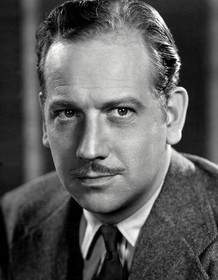
Melvyn Douglas
Armand De Glasse
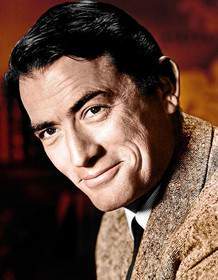
Gregory Peck
Fedja
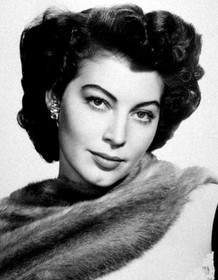
Ava Gardner
Pauline Ostrovsky
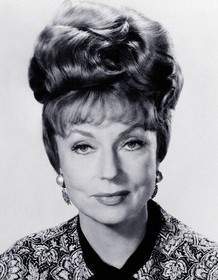
Agnes Moorehead
Emma Getzel

William Bailey
Gambling Casino Accountant (uncredited)
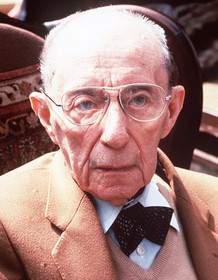
Curt Bois
Jeweler / Money Lender
James Anderson
Nervous Young Gambler (uncredited)
Leonid Kinskey
Bandleader in Park (uncredited)
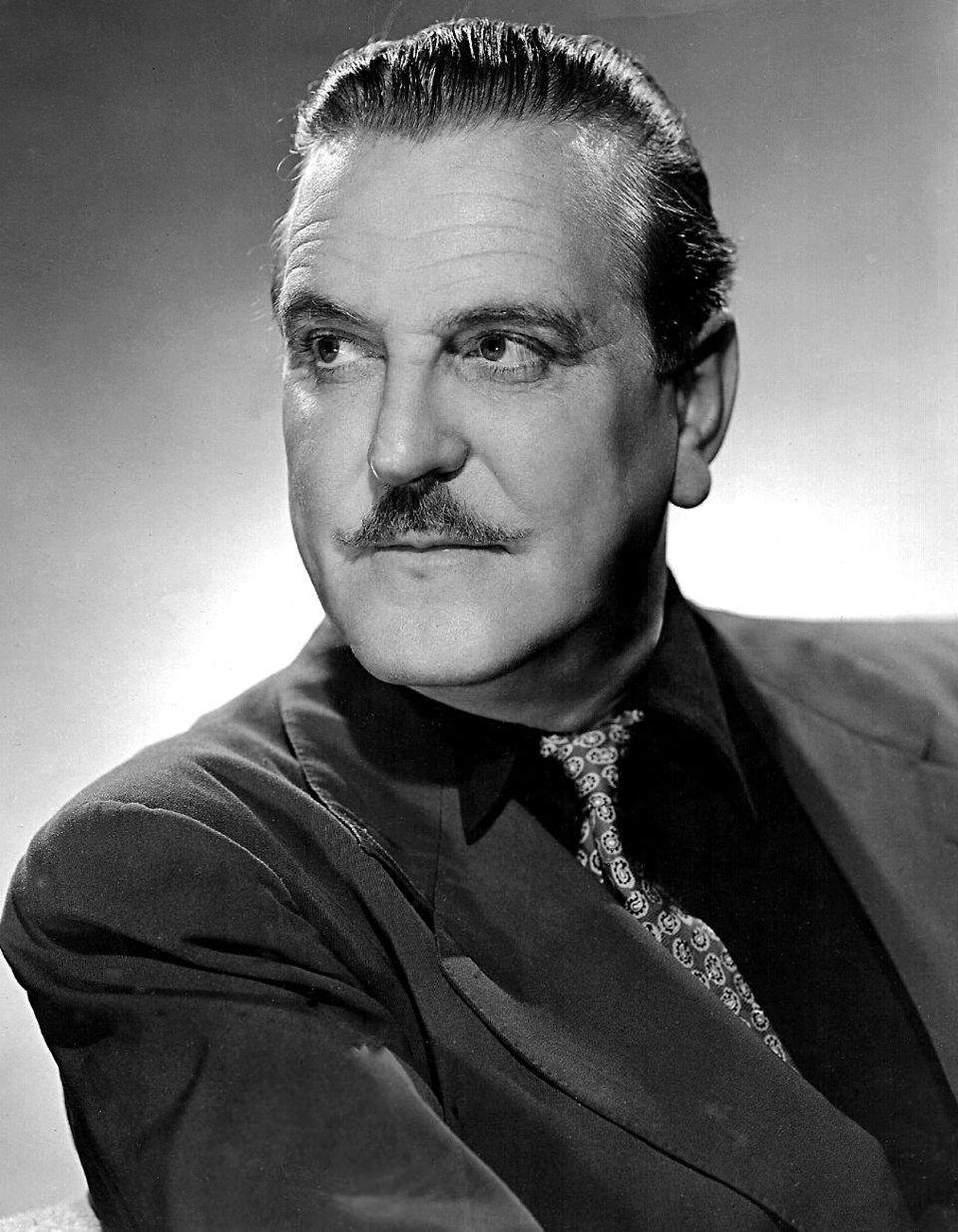
Frank Morgan
Aristide Pitard
Kenneth Tobey
Cabbie (uncredited)
Friedrich von Ledebur
Casino Secretary
George Calliga
Gambling Casino Patron (uncredited)
Martha Bamattre
Female Fountain Attendant (uncredited)
Walter Huston
General Ostrovsky
Jean Del Val
Croupier (uncredited)
Fred Aldrich
Gambling Casino Patron (uncredited)
Paul Bradley
Gambling Casino Patron (uncredited)
Sam Harris
Gambling Casino Patron (uncredited)
John Arnold
Croupier (uncredited)
Ethel Barrymore
Grandmother Ostrovsky
Frank O'Connor
Gambling Casino Patron (uncredited)
Sue Casey
Pretty Girl (uncredited)
Eloise Hardt
Young Girl (uncredited)
Carl M. Leviness
Gambling Casino Patron (uncredited)
Larry Steers
Gambling Casino Patron (uncredited)
Gino Corrado
Standing Casino Patron (uncredited)
Edward Biby
Gambling Casino Patron (uncredited)
Kenner G. Kemp
Gambling Casino Patron (uncredited)
Martín Garralaga
Maharajah (uncredited)
Robert Haines
Gambling Casino Patron (uncredited)
Jeffrey Sayre
Roulette Stickman (uncredited)
Chet Brandenburg
Hotel Valet (uncredited)
Rudy Germane
Gambling Casino Patron (uncredited)
Chalky Williams
Servant (uncredited)
Elspeth Dudgeon
Fearful Old Gambling Woman (uncredited)
Herbert Evans
Roulette Player (uncredited)
Geraldine Jordan
Maid (uncredited)
Ernö Verebes
Hotel Valet
Russell Custer
Servant (uncredited)
Charles Wagenheim
Gambler with Ring (uncredited)
Gene Coogan
Gambling Casino Patron (uncredited)
Paul Cristo
Gambling Casino Patron (uncredited)
Sayre Dearing
Croupier (uncredited)
Sol Murgi
Gambling Casino Patron (uncredited)
George Nardelli
Gambling Casino Patron (uncredited)
Spencer Chan
Gambler (uncredited)
William Hawes
Nervous Englishman (uncredited)
André Charlot
Distinguished Man (uncredited)
Ludwig Stössel
Hotel Manager
Vincent Renno
Casino Inspector (uncredited)
Helen Dickson
Woman on Park Bench (uncredited)
Margaret Bert
Gambling Casino Patron (uncredited)
Jack Chefe
Gambling Casino Patron (uncredited)
Frank Jaquet
Doorman (uncredited)
Joe Ploski
Hotel Valet (uncredited)
Ludwig Donath
Doctor
Fred Nurney
Porter (uncredited)
Ilka Grüning
Pauline's Duenna (uncredited)
Wheaton Chambers
Priest (uncredited)
Daniel de Jonghe
Hotel Valet (uncredited)
Jack Deery
Hotel Worker (uncredited)
Antonio Filauri
Señor Pinto (uncredited)
John Piffle
Fat Man (uncredited)
Emil Rameau
Fearful Old Man (uncredited)
Dick Simmons
Gambler with Betting Story (uncredited)
Robert R. Stephenson
Hotel Valet (uncredited)
Norman Stevans
Gambling Casino Patron (uncredited)
Jay Eaton
Gambler (uncredited)
Lisa Golm
Elderly Lady (uncredited)
Frank Elliott
Englishman (uncredited)
Phil Schumacher
Gambling Casino Patron (uncredited)
William Stelling
Assistant Hotel Manager (uncredited)
Lester Sharpe
Inspector (uncredited)
Gisela Werbisek
Greedy Woman (uncredited)
Everett Glass
Pince-Nez Man at Casino (uncredited)
Irene Seidner
Female Vendor (uncredited)
Lotte Stein
Buxom Woman (uncredited)
Manfred Inger
Conductor (uncredited)
Max Willenz
Policeman (uncredited)
Mickey Golden
Gambling Casino Patron (uncredited)
Bert Hanlon
Porter (uncredited)
Paul Ravel
Gambling Casino Patron (uncredited)
Manfred Fürst
Mr. Huber (uncredited)
Perry Ivins
Croupier (uncredited)
Joan Miller
Cold Woman (uncredited)
Sam Scar
Turk (uncredited)
Hanna Axmann-Rezzori
Staring Casino Patron (uncredited)
Jane Howard
Girl at Baccarat Table (uncredited)
Holger Bendixen
Waiter (uncredited)
Richard Bartell
Cloakroom Attendant (uncredited)
Art Howard
Gambling Casino Patron (uncredited)
June Booth
Woman in Room (uncredited)
Marianne Budrow
Little Girl (uncredited)
John Cortay
Inspector (uncredited)
Lorinne Crawford
Pretty Blonde (uncredited)
Victor Desny
Hotel Valet (uncredited)
Else Heims
Gambling Woman with Cigar (uncredited)
Hans Hopf
Hurdy-Gurdy Man (uncredited)
Thomas Ingersoll
Priest (uncredited)
Fred Lorenz
Conductor (uncredited)
Michael Macey
Hotel Valet (uncredited)
George Paris
Soldier (uncredited)
Walter Rode
Man in Room (uncredited)
Erica Strong
Girl in Flower Shop (uncredited)
Ann Sturgis
Pretty Brunette (uncredited)
External Links and Streaming Options
Discover where to watch The Great Sinner online, including streaming platforms, rental options, and official sources. Compare reviews, ratings, and in-depth movie information across sites like IMDb, TMDb, Wikipedia or Letterboxd.




Take the Ultimate The Great Sinner Movie Quiz
Challenge your knowledge of The Great Sinner with this fun and interactive movie quiz. Test yourself on key plot points, iconic characters, hidden details, and memorable moments to see how well you really know the film.
The Great Sinner Quiz: Test your knowledge of the 1949 film *The Great Sinner*, its characters, plot twists, and themes.
Which actor portrays the writer Fedya in the film?
Full Plot Summary and Ending Explained for The Great Sinner
Read the complete plot summary of The Great Sinner, including all major events, twists, and the full ending explained in detail. Explore key characters, themes, hidden meanings, and everything you need to understand the story from beginning to end.
On the film’s opening, set in the 1860s Wiesbaden, a storm tears through a shabby attic where Gregory Peck as Fedya lies on a bed, the pages of a manuscript scattering through the air. A woman—later revealed to be Pauline Ostrovsky, played by Ava Gardner—enters, closes the windows, and regards Fedya with a quiet, almost tender concern. She notices that the fluttering pages form a memoir Fedya has been writing, and this discovery sets the stage for a long, reflective journey that unfolds as an extended flashback, sometimes carried by Fedya’s own voice. The atmosphere is intimate, almost claustrophobic, as the storm outside mirrors the storm of motives and temptations swirling inside the story.
Fedya’s tale travels back to a chance encounter on a train from Moscow toward Paris, where he is a writer seeking meaning and the thrill of another kind of truth. It’s on this journey that he meets Pauline, who occupies her travel time with solitaire, calm and focused even as life’s roulette wheel spins around her. Intrigued and drawn to her, Fedya disembarks with her at Wiesbaden and follows her to a casino, where he discovers that Pauline shares a long, unwelcome history with gambling. Her father, General Ostrovsky, is a formidable presence at the casino, a man whose wealth and power are tightly wound with the family’s gambling world. The General’s demeanor—unfazed by the crisis his wealth creates for others—pulls Fedya into a study of addiction, a preoccupation that soon consumes more than just Pauline’s past or the ostentatious displays of fortune.
In this casino-filled landscape, a man named Aristide Pitard emerges—a seasoned thief and compulsive gambler who has his own uneasy code. Frank Morgan embodies Pitard, who claims Fedya’s winnings with a quick, practiced grin. Fedya, moved by pity and curiosity, offers Pitard money to leave the city, hoping to buffer the world from Pitard’s destructive tendencies. But Pitard refuses to walk away. He uses the money to gamble again, and after a tense, inexorable losing streak, he shoots himself in a blaze of desperation. Before his death, Pitard passes Fedya a pawn ticket and asks him to redeem it and return a certain item to its rightful owner, a request that will pull Fedya deeper into the moral maze of debt and obligation. When Fedya retrieves the pledged object, he discovers that the pawned article is a religious medal—and, to his growing astonishment, it belongs to Pauline herself.
Love enters the equation with a profound, aching force. Fedya’s feelings for Pauline deepen as he learns more about her past, and he discovers a cautious tenderness beneath her outward resilience. Yet the road to a possible union is obstructed by a stark truth: Pauline is pledged to Armand de Glasse, a wealthy and ruthless casino owner who exerts immense control over her life through the weight of debt and arrangement. Melvyn Douglas brings Armand’s cold charisma to life, a man whose affluence and power are weapons as easily wielded as charm. Fedya’s response is not to walk away, but to become part of the very machine he set out to study. He decides to gamble himself, hoping to earn enough money to clear the General Ostrovsky’s debts that threaten Pauline’s autonomy and happiness.
What follows is a perilous ascent and rapid descent into gambling obsession. Fedya’s luck appears almost magical at first as he rides a spectacular winning streak at roulette, his early success fueling his belief that the world can be rearranged by sheer luck and cleverness. The winnings he accumulates are meant to cover the General’s enormous debt—about 200,000 marks—and to secure Pauline’s future from a merciless arrangement. But the euphoria proves temporary. Armand’s insistence on redeeming the General’s marker becomes a stubborn bottleneck, and Fedya’s fortune begins to sag as his mind fixates on “lucky numbers” that seem to haunt him everywhere. The once-glittering casino glow fades into a haze of risk, fear, and escalating bets that threaten to swallow him whole.
The nadir comes in the private Baccarat rooms where Fedya, driven to recoup losses, borrows against his future earnings to keep playing. The casino’s merciless atmosphere—its velvet darkness and gleaming chips—becomes a laboratory of temptation, and Fedya’s discipline breaks down under pressure. He loses what remains, including the collateral that should have steadied him against the fall. Armand, unscrupulous as ever, is only too happy to take everything Fedya has left, further entwining debt, desire, and despair. In the wake of these losses, Fedya clings to whatever remains, pawning his few possessions in a desperate bid to salvage the situation, only to be overtaken by the crushing gravity of his own addiction.
Despair deepens into a hallucinatory turn when Aristide—appearing in a spectral form—hands Fedya a gun and an unthinkable prompt to end it all. In this haze, Pauline reappears, and Fedya, in a frenzy of fear and longing, grabs her religious medal and tries to sell it to Emma Getzel, the pawnbroker who later proves crucial to the narrative’s moral texture. Emma Getzel, played by Agnes Moorehead, refuses to buy the medal, underscoring the medal’s significance beyond mere wealth or possession. Fedya’s violence nearly erupts in this moment, but the act collapses into a faint, a collapse into consciousness that pauses the downward spiral just long enough for a new reckoning to begin.
Meanwhile, Pauline’s grandmother—drawn with the weight of her own loss and the cruel unpredictability of fortune—arrives in the story’s orbit. The General Ostrovsky, a man whose life has hinged on the rhythm of baccarat and debt, moves this older generation into the casino’s brutal dance, with Pauline’s grandmother ultimately meeting a tragic end at the gaming table after draining a fortune. This tragedy compounds the moral questions at the heart of the film: What is the price of desire? How do love, loyalty, and duty fare when economics and addiction pull in opposite directions?
In the film’s final stretch, Fedya completes his manuscript—a confession and a meditation on gambling’s obsessions, written with the clarity that only a man who has walked through the flames of recklessness can command. The act of writing becomes a form of redemption, a way to distill experience into meaning. And in the most crucial, intimate turn, Pauline forgives Fedya for his rapturous plunge into risk and obsession. The memory of their shared longing—fueled by the medal, the debts, the memoir, and the gamble—lives on as the story’s quiet, unresolved mercy. The film ends not with a dramatic rescue or a clean victory, but with a fragile, human pause: forgiveness, memory, and a manuscript that seeks to answer the question of whether gambling’s siren song can ever be written away.

Coming soon on iOS and Android
The Plot Explained Mobile App
From blockbusters to hidden gems — dive into movie stories anytime, anywhere. Save your favorites, discover plots faster, and never miss a twist again.
Sign up to be the first to know when we launch. Your email stays private — always.
Explore the mobile appDiscover Film Music Concerts Near You – Live Orchestras Performing Iconic Movie Soundtracks
Immerse yourself in the magic of cinema with live orchestral performances of your favorite film scores. From sweeping Hollywood blockbusters and animated classics to epic fantasy soundtracks, our curated listings connect you to upcoming film music events worldwide.
Explore concert film screenings paired with full orchestra concerts, read detailed event information, and secure your tickets for unforgettable evenings celebrating legendary composers like John Williams, Hans Zimmer, and more.


The Great Sinner Themes and Keywords
Discover the central themes, ideas, and keywords that define the movie’s story, tone, and message. Analyze the film’s deeper meanings, genre influences, and recurring concepts.
The Great Sinner Other Names and Titles
Explore the various alternative titles, translations, and other names used for The Great Sinner across different regions and languages. Understand how the film is marketed and recognized worldwide.
Similar Movies To The Great Sinner You Should Know About
Browse a curated list of movies similar in genre, tone, characters, or story structure. Discover new titles like the one you're watching, perfect for fans of related plots, vibes, or cinematic styles.


Quick Links: Summary, Cast, Ratings, More

What's After the Movie?
Not sure whether to stay after the credits? Find out!
Check out our other apps:

SAT Sphere
Build confidence for the Digital SAT.

Mori Atlas
Discover wild places worth protecting.

Luntero
Search smarter for a home in Amsterdam.

Plot Explained
Unravel movie endings and hidden clues.

Pokechamp
Dive into Pokémon data and battle logic.

Driving Theory
Get ready for your European theory test.

Movie Dust
Plan your next cinema trip with ease.

Musemap
Find art and culture as you travel.

Selkobase
Compare credentials before committing.

Local Manual
Turn an unfamiliar country into practical next steps.

Lernavi
Compare school systems before your next move.

GymRoam
Find a workout stop wherever your plans take you.
Explore Our Movie Platform
New Movie Releases (2026)
Famous Movie Actors
Top Film Production Studios
Movie Plot Summaries & Endings
Major Movie Awards & Winners
Best Concert Films & Music Documentaries
Movie Collections and Curated Lists
© 2026 What's After the Movie. All rights reserved.
Privacy Policy