The Gene Krupa Story 1959


Gene Krupa, a jazz drummer, refuses his parents' wish he become a priest and follows his passion for drums. After his father's death he leaves seminary, joins Eddie's band and with Ethel moves to New York. There he rises to fame, falls for Ethel, spirals into drugs, alcohol and parties. When she leaves, he hits rock bottom and must choose his way.


Does The Gene Krupa Story have end credit scenes?
No!
The Gene Krupa Story does not have end credit scenes. You can leave when the credits roll.
Meet the Full Cast and Actors of The Gene Krupa Story
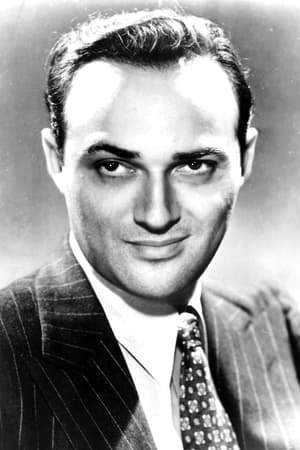
Explore the complete cast of The Gene Krupa Story, including both lead and supporting actors. Learn who plays each character, discover their past roles and achievements, and find out what makes this ensemble cast stand out in the world of film and television.

External Links and Streaming Options
Discover where to watch The Gene Krupa Story online, including streaming platforms, rental options, and official sources. Compare reviews, ratings, and in-depth movie information across sites like IMDb, TMDb, Wikipedia or Letterboxd.




Take the Ultimate The Gene Krupa Story Movie Quiz
Challenge your knowledge of The Gene Krupa Story with this fun and interactive movie quiz. Test yourself on key plot points, iconic characters, hidden details, and memorable moments to see how well you really know the film.
The Gene Krupa Story Quiz: Test your knowledge of the 1959 biographical film about drummer Gene Krupa, his rise to fame, personal struggles, and relationships.
What instrument does Gene Krupa play in the film?
Full Plot Summary and Ending Explained for The Gene Krupa Story
Read the complete plot summary of The Gene Krupa Story, including all major events, twists, and the full ending explained in detail. Explore key characters, themes, hidden meanings, and everything you need to understand the story from beginning to end.
The young Gene Krupa brings home a set of drums and places them in the family room as his mother and brothers look on, while his father makes his stance clear once again: he wants Gene to become “somebody fine…a priest, maybe.” On the brink of high school graduation, Gene resists the idea of seminary life and insists that his future lies behind a drum kit. When his father finally destroys the drum set, Gene vows to find a way to keep playing, believing he has a chance to earn money by jamming with a group.
During early rehearsals, Krupa meets a girl, Ethel Maguire, whose attraction to his drumming grows into something deeper. At a swim party they share a long, candid conversation about dreams and future plans. Ethel reveals she wants to move to New York City after graduation to study and write music, and the pair start to fall in love.
After his father dies, Krupa tries to honor his memory by pursuing the priesthood, but the seminary life unsettles him. He imagines “syncopated versions” of Ave Maria when prayer should calm him, and even after a year there, the drumbeat of his true calling continues to pull him away. The priest counseling him frames the priesthood as a fulfillment, not a penance, and suggests a summer back home to reconsider whether this life fits him.
Back at home, old friends keep the music alive in a local speakeasy, and Krupa’s curiosity about performing returns. He is invited to sit in, and his rhythm rekindles his appetite for music. Eventually he quits the seminary and joins the band, his mother quietly expressing disappointment while Ethel urges that their music might rise above the dives they’ve played in. The couple decides to move to New York, where opportunities feel more real even if the path remains tough.
In New York, the trio wrestles with finding steady work. Ethel lands a job as a switchboard operator, while Gene and his friend Eddie Sirota embark on recording sessions and gigs in elite clubs. At an upscale party, Krupa takes the spotlight with bandleader Tommy Dorsey, his brother Jimmy, and Red Nichols, who offers him a position in his pit band for George Gershwin’s new show Strike Up the Band.
Krupa’s star begins to rise as he records with top ensembles and plays in fashionable venues. A performance of “Cherokee” with the Benny Goodman Orchestra marks a significant breakthrough, and his career rapidly accelerates. The attention and success bring a volatile mix of exhilaration and excess: he hosts wild parties, indulges in alcohol, and cheats on Ethel, which strains their relationship and drives a wedge between him and Eddie. A seductive singer introduces marijuana into his life, and his use of the drug spirals into a broader confidence crisis. Despite his growing fame as a bandleader, Krupa’s timing falters on stage, a problem he later traces to the drug. A crucial turning point comes when he is busted on marijuana-related charges, convicted, and sentenced to 90 days in jail. The case appears to be a frame-up, possibly the work of a jealous coworker, yet the legal result is harsh and career-altering.
Upon release, Krupa faces a difficult reality: the public now views him as an addict, and offers to join major bands dry up. He performs in dives and strip joints, struggling to find a path back to the music he loves. Ethel locates him in one of these venues and informs him that Tommy Dorsey is forming a new band that could use a strong drummer. She also convinces him to master reading music, a skill he never learned, and he studies under a member of the New York Philharmonic to prepare for the comeback.
Tommy Dorsey’s people want to showcase Krupa with a “special return appearance,” a moment that could redefine his career. The performance starts strong, but hecklers threaten to derail him. In a gesture of solidarity, the Tommy Dorsey Band drummer, Shelly Manne, steps up to keep the beat when Krupa falters, allowing him to recover and finish with a two-man drum solo that earns a standing ovation. The moment reinforces Krupa’s resilience and presence, even as the crowd’s reaction hints at a complicated trajectory ahead.
As the film closes, Ethel tries to slip away, worried that Krupa might relapse into old habits. He catches up with her and asks where she’s headed, asking, “without me?” Their walk into the night suggests that, despite the trials, they remain connected. In real life, the two married from 1934 to 1942, remarried in 1946, and stayed together until Ethel’s death in 1955, a testament to a relationship that weathered the drummer’s turbulent ascent.

Coming soon on iOS and Android
The Plot Explained Mobile App
From blockbusters to hidden gems — dive into movie stories anytime, anywhere. Save your favorites, discover plots faster, and never miss a twist again.
Sign up to be the first to know when we launch. Your email stays private — always.
Explore the mobile appWatch Trailers, Clips & Behind-the-Scenes for The Gene Krupa Story
Watch official trailers, exclusive clips, cast interviews, and behind-the-scenes footage from The Gene Krupa Story. Dive deeper into the making of the film, its standout moments, and key production insights.
The Gene Krupa Story Themes and Keywords
Discover the central themes, ideas, and keywords that define the movie’s story, tone, and message. Analyze the film’s deeper meanings, genre influences, and recurring concepts.

Unlock the World of Movies with Our Comprehensive Wiki
Dive into our Movie Wiki for in-depth film encyclopedia entries, including cast biographies, production trivia, plot synopses, behind-the-scenes facts, and thematic analyses. Whether you’re researching iconic directors, exploring genre histories, or discovering hidden easter eggs, our expertly curated movie database has everything you need to fuel your cinematic passion.

Similar Movies To The Gene Krupa Story You Should Know About
Browse a curated list of movies similar in genre, tone, characters, or story structure. Discover new titles like the one you're watching, perfect for fans of related plots, vibes, or cinematic styles.





Quick Links: Summary, Cast, Ratings, More

What's After the Movie?
Not sure whether to stay after the credits? Find out!
Check out our other apps:

SAT Sphere
Build confidence for the Digital SAT.

Mori Atlas
Discover wild places worth protecting.

Luntero
Search smarter for a home in Amsterdam.

Plot Explained
Unravel movie endings and hidden clues.

Pokechamp
Dive into Pokémon data and battle logic.

Driving Theory
Get ready for your European theory test.

Movie Dust
Plan your next cinema trip with ease.

Musemap
Find art and culture as you travel.

Selkobase
Compare credentials before committing.

Local Manual
Turn an unfamiliar country into practical next steps.

Lernavi
Compare school systems before your next move.

GymRoam
Find a workout stop wherever your plans take you.
Explore Our Movie Platform
New Movie Releases (2026)
Famous Movie Actors
Top Film Production Studios
Movie Plot Summaries & Endings
Major Movie Awards & Winners
Best Concert Films & Music Documentaries
Movie Collections and Curated Lists
© 2026 What's After the Movie. All rights reserved.
Privacy Policy