The Chamber 1996


Idealistic lawyer Adam Hall takes on the death row case of his grandfather, a man he barely knew. As he investigates, he uncovers a complex web of family secrets and long-buried lies. With only 28 days until the scheduled execution, Adam races against time to uncover the truth and confront a dangerous past, ultimately seeking a path toward justice and his own redemption.


Does The Chamber have end credit scenes?
No!
The Chamber does not have end credit scenes. You can leave when the credits roll.
Where to Watch The Chamber
See current US streaming, rental, and purchase options for The Chamber (1996) via JustWatch.






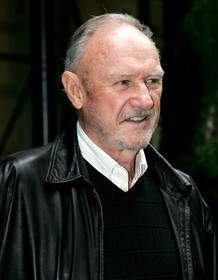
Meet the Full Cast and Actors of The Chamber
Explore the complete cast of The Chamber, including both lead and supporting actors. Learn who plays each character, discover their past roles and achievements, and find out what makes this ensemble cast stand out in the world of film and television.

External Links and Streaming Options
Discover where to watch The Chamber online, including streaming platforms, rental options, and official sources. Compare reviews, ratings, and in-depth movie information across sites like IMDb, TMDb, Wikipedia or Rotten Tomatoes.










Ratings and Reviews for The Chamber
See how The Chamber is rated across major platforms like IMDb, Metacritic, and TMDb. Compare audience scores and critic reviews to understand where The Chamber stands among top-rated movies in its genre.

45
Metascore
6.7
User Score


%
TOMATOMETER

0%
User Score

6.0 /10
IMDb Rating
Take the Ultimate The Chamber Movie Quiz
Challenge your knowledge of The Chamber with this fun and interactive movie quiz. Test yourself on key plot points, iconic characters, hidden details, and memorable moments to see how well you really know the film.
The Chamber (1996) Quiz: Test your knowledge of the 1996 film The Chamber, covering characters, plot points, and historical details featured in the story.
What is the name of the young attorney who represents Sam Cayhall?
Full Plot Summary and Ending Explained for The Chamber
Read the complete plot summary of The Chamber, including all major events, twists, and the full ending explained in detail. Explore key characters, themes, hidden meanings, and everything you need to understand the story from beginning to end.
In April 1967, the office of Marvin Kramer, a Jewish civil rights lawyer in Indianola, Mississippi, is bombed by the Ku Klux Klan. The attack kills Kramer’s five-year-old twin sons and leaves him gravely injured, ultimately leading to the amputation of his legs and his later suicide. The Klansman responsible, Sam Cayhall, is tried for murder in the bombing and is eventually convicted and sentenced to die in the gas chamber at the Mississippi State Penitentiary. Twenty-nine years pass before a new chapter begins.
Adam Hall, a young attorney at the Chicago firm Kravitz and Bane, is assigned to take on Cayhall’s case as a pro bono matter in the weeks leading up to Cayhall’s scheduled execution. He is Cayhall’s grandson, part of a family that has moved away from the South and changed their name to escape the weight of the past. Adam is driven by a desire to understand the dark legacy that shaped his father’s life and his own, including the circumstances surrounding his father’s suicide, which Adam recalls from his childhood when he found his body. As Adam travels to the South for the case, he reencounters his aunt, Lee Bowen, a glamorous but alcoholic socialite who has managed to keep her tie to the family quiet. She cautions him about digging too deep into a past that might ruin what remains of their lives.
On death row, [Sam Cayhall] is a blunt, bitter, and unapologetic racist who repeatedly boasts about his role in the Klan bombing campaign, though he denies that the incidents were meant to kill. He agrees to let Adam represent him, but he forbids any clemency requests to Governor McAllister, who had prosecuted him in a prior retrial and built his political career on that case. Yet the Governor’s aide, Nora Stark, approaches Adam with a contrary possibility: clemency could be possible if Cayhall would reveal information about unidentified co-conspirators. This twist nudges Adam into a broader investigation of the bombing’s origins and its possible connections to a wider network.
As Adam digs, inconsistencies surface. The facts of the original case appear muddier than Cayhall would admit, suggesting he may not have acted alone or with sole responsibility for the bomb. Stark and a former FBI agent hint at a broader conspiracy involving the Mississippi State Sovereignty Commission and White Citizens’ Councils, organizations active at the time in opposing civil rights progress. Cayhall himself resists accessing the Sovereignty Commission’s sealed files, fearing exposure of former allies in the Klan and fearing the Governor’s true motive—political leverage rather than justice.
Meanwhile, Adam presses forward with legal maneuvers—motions for stays of execution and arguments that Cayhall may be legally insane due to indoctrination into the Ku Klux Klan, arguing that his client’s ability to distinguish right from wrong could be compromised. In parallel, Lee confronts her own past. She reveals that in the early 1950s, as children, she and Adam’s father witnessed Eddie, their brother, murder their Black neighbor Joe Lincoln after a dispute over a toy soldier. Eddie’s guilt, and Lee’s failure to intervene, contribute to his later suicide and to her own spiraling alcoholism. They also share a historical photograph showing Sam Cayhall as a boy at a lynching, a vivid reminder of the family’s long-tangled history.
Adam and Nora secretly gain access to the Sovereignty Commission’s files, which illuminate a wider conspiracy and indicate the participation of an accomplice. A former FBI agent reappears to tell Adam that the FBI had identified Rollie Wedge, the accomplice the agency could not convict, who now reunites with other Klan members to mark the bombing on the eve of Cayhall’s execution. Adam attends a Klan reunion, where he is assaulted and threatened at gunpoint by Wedge. The confrontation intensifies as the truth about Sam’s hatred and its devastating impact on his family emerges, and Sam begins to soften, mending fences with Lee and expressing remorse for the damage his actions caused. He nonetheless rejects Wedge’s attempts to push him toward silence, and it becomes clear that Wedge built and timed the bomb.
Despite Adam’s perseverance, the courts—including the United States Supreme Court—deny the stay of execution. Even though Cayhall eventually authorizes the release of the Sovereignty Commission files, Governor McAllister refuses clemency, turning the files into political leverage as Cayhall had feared. Rollie Wedge is eventually identified and arrested as a consequence of the newly uncovered evidence.
In the end, [Sam Cayhall] is executed in the gas chamber. Adam remains a steadfast advocate for his grandfather until the last moment, and he and Lee share a quiet embrace, holding out hope that the ghosts of the past might fade, even as the system’s final decision underscores how deeply history and personal guilt can collide, shaping a family across generations. The case closes with a somber reminder of the costs of bigotry and the long shadow it casts over those entangled in its wake.

Coming soon on iOS and Android
The Plot Explained Mobile App
From blockbusters to hidden gems — dive into movie stories anytime, anywhere. Save your favorites, discover plots faster, and never miss a twist again.
Sign up to be the first to know when we launch. Your email stays private — always.
Explore the mobile appWatch Trailers, Clips & Behind-the-Scenes for The Chamber
Watch official trailers, exclusive clips, cast interviews, and behind-the-scenes footage from The Chamber. Dive deeper into the making of the film, its standout moments, and key production insights.
Cars Featured in The Chamber
Explore all cars featured in The Chamber, including their makes, models, scenes they appear in, and their significance to the plot. A must-read for car enthusiasts and movie buffs alike.
The Chamber Themes and Keywords
Discover the central themes, ideas, and keywords that define the movie’s story, tone, and message. Analyze the film’s deeper meanings, genre influences, and recurring concepts.
The Chamber Other Names and Titles
Explore the various alternative titles, translations, and other names used for The Chamber across different regions and languages. Understand how the film is marketed and recognized worldwide.
Similar Movies To The Chamber You Should Know About
Browse a curated list of movies similar in genre, tone, characters, or story structure. Discover new titles like the one you're watching, perfect for fans of related plots, vibes, or cinematic styles.





Quick Links: Summary, Cast, Ratings, More

What's After the Movie?
Not sure whether to stay after the credits? Find out!
Check out our other apps:

SAT Sphere
Build confidence for the Digital SAT.

Mori Atlas
Discover wild places worth protecting.

Luntero
Search smarter for a home in Amsterdam.

Plot Explained
Unravel movie endings and hidden clues.

Pokechamp
Dive into Pokémon data and battle logic.

Driving Theory
Get ready for your European theory test.

Movie Dust
Plan your next cinema trip with ease.

Musemap
Find art and culture as you travel.

Selkobase
Compare credentials before committing.

Local Manual
Turn an unfamiliar country into practical next steps.

Lernavi
Compare school systems before your next move.

GymRoam
Find a workout stop wherever your plans take you.
Explore Our Movie Platform
New Movie Releases (2026)
Famous Movie Actors
Top Film Production Studios
Movie Plot Summaries & Endings
Major Movie Awards & Winners
Best Concert Films & Music Documentaries
Movie Collections and Curated Lists
© 2026 What's After the Movie. All rights reserved.
Privacy Policy