The Browning Version 1994


Andrew Crocker-Harris, a bitter, despised Greek and Latin teacher at a British prep school, faces forced retirement after nearly two decades, with his pension in jeopardy. The pupils view him as a tyrant, and his unfaithful wife Laura constantly undermines him. He is forced to confront his failures and attempt to rebuild his self‑esteem.


Does The Browning Version have end credit scenes?
No!
The Browning Version does not have end credit scenes. You can leave when the credits roll.
Where to Watch The Browning Version
See current US streaming, rental, and purchase options for The Browning Version (1994) via JustWatch.







Meet the Full Cast and Actors of The Browning Version
Explore the complete cast of The Browning Version, including both lead and supporting actors. Learn who plays each character, discover their past roles and achievements, and find out what makes this ensemble cast stand out in the world of film and television.

Greta Scacchi
Laura Crocker-Harris
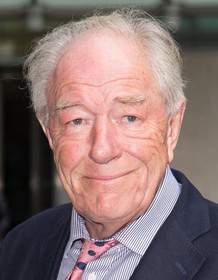
Michael Gambon
Dr. Frobisher
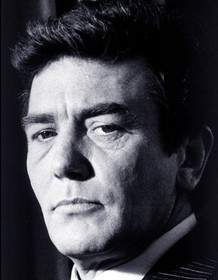
Albert Finney
Andrew Crocker-Harris

Julian Sands
Tom Gilbert

Matthew Modine
Frank Hunter

Maryam d'Abo
Diana
Bruce Myers
Dr. Rafferty

Jim Sturgess
Bryant
George Harris
Adakendi Senior
Oliver Milburn
Trubshaw
Marc Bolton
Grantham
Heathcote Williams
Dr. Lake
David Pullan
Trimmer
Jotham Annan
Prince Abakendi
Jeff Nuttall
Lord Baxter
Dinah Stabb
Jane Frobisher
Joseph Beattie
Wilson
Ben Silverstone
Taplow
Mark Long
Foster
Belinda Low
Rowena Baxter
Tom Havelock
Grantham
Walter Micklethwait
Buller
David Lever
David Fletcher
Stephen Mitchelson
Newton
External Links and Streaming Options
Discover where to watch The Browning Version online, including streaming platforms, rental options, and official sources. Compare reviews, ratings, and in-depth movie information across sites like IMDb, TMDb, Wikipedia or Rotten Tomatoes.






Take the Ultimate The Browning Version Movie Quiz
Challenge your knowledge of The Browning Version with this fun and interactive movie quiz. Test yourself on key plot points, iconic characters, hidden details, and memorable moments to see how well you really know the film.
The Browning Version Quiz: Test your knowledge of the key characters, events, and themes from the 1994 film *The Browning Version*.
What subject does Andrew Crocker-Harris teach at the school?
Full Plot Summary and Ending Explained for The Browning Version
Read the complete plot summary of The Browning Version, including all major events, twists, and the full ending explained in detail. Explore key characters, themes, hidden meanings, and everything you need to understand the story from beginning to end.
Andrew Crocker-Harris is a veteran master of Greek and Latin at a distinguished British public school, a man whose nearly two decades of service have left him worn and isolated. The school community treats him with a mix of avoidance and resignation: colleagues tolerate him as a relic of a stricter era, while students endure his relentless discipline, finding his lectures rigid, uninspiring, and more about form than feeling. Yet beneath the austere exterior lies a mind capable of genuine scholarly passion, a flicker of warmth that rarely breaks through the surface. In this climate of quiet bitterness and professional fatigue, the idea of retirement arrives like a long shadow, cast under the pretext of failing health and an uncertain pension, threatening to strip him of the last recognitions of his authority.
His home life mirrors the emotional vacancy he cultivates at school. Laura Crocker-Harris, his younger wife, navigates a different kind of battlefield—one where affection has frayed into neglect and distance. She moves through their shared spaces with a cool, calculating resolve, carrying the weight of a mounting dissatisfaction and an affair with a younger American teacher who has won the favor of the pupils with a gentler touch and a more forgiving, modern approach to classroom life. Frank Hunter is charming and popular, a contrast to Andrew’s rigid firm hand, and his influence among the students grows as the term advances. The tension between the two men is not voiced aloud but is felt in every exchanged glance, every missed opportunity for connection, and every decision to protect appearances rather than address the ache beneath.
In his final term, a moment of unexpected vitality cuts through the routine. During a closing class, Andrew, while reading from a Greek play, reveals a capacity for fervent engagement that hints at what he might have become under different circumstances. It’s a small, almost private revelation that resonates with the students and leaves his peers quietly awed and unsettled. The contrast between this moment of real teaching spark and the rest of his tenure underscores the complexity of a man whose authority has never quite translated into human warmth. The presence of the young, earnest Tom Gilbert—the nervous, capable replacement who looks up to the older man with a mixture of fear and admiration—reminds Andrew of the path not taken. Tom embodies both the temptations and the dangers of emulating a mentor whose own life has been frayed by disappointment; against the headmaster’s urgings, Andrew advises him not to imitate his own failed example, a paradox that speaks to a complicated pedagogy about influence and restraint.
A turning point arrives in the form of a quiet, thoughtful pupil named Taplow. Taplow reaches out with a simple gift—a rare early edition of the Browning Version, Robert Browning’s translation of Aeschylus’ Agamemnon. The gesture breaks through Andrew’s armor, revealing a man capable of gratitude and subtle tenderness, the kind of emotional connection he has long denied himself. Taplow’s generosity prompts Andrew to re-evaluate his emotional distance, stirring a response that his students and colleagues never expected from him. This small moment of grace stands in stark relief to the tensions at home and the outward calm of the classroom, offering a glimmer of the teacher he could have been if life had offered different terms.
As the term draws to a close, the intimate fractures of Andrew’s world become harder to ignore. Laura, sensing the shifting emotional weather, tells him that she wishes to end their marriage, signaling a final Concordat of separation that will force both of them to stand alone in the wake of a shared past. The senior staff, meanwhile, arrange a farewell sequence that prioritizes a younger successor’s cricketing ambitions, skipping the usual ceremonial symmetry. Yet Andrew refuses to play the part prescribed by others; he insists on delivering his own farewell, choosing to go second in the assembly. The moment arrives with a power that catches everyone by surprise. His speech is a confession wrapped in apology: he lays bare his failings as a teacher and a husband, seeking forgiveness and offering a candid, unflinching reckoning with the life he has lived. The room responds with a thunderous, overwhelming applause, a public acknowledgment of a private truth that has finally found its voice.
The emotional impact of that speech resonates beyond the auditorium. In a profound gesture of gratitude, Andrew tells Taplow that he has arranged a place for him in Frank Hunter’s science class, acknowledging Taplow’s talent and giving him a chance to follow a path that might offer him the ardor and fulfillment that Andrew could not provide. The moment also reshapes Laura’s view of her husband; a newfound respect and recognition bloom as she witnesses the depth and humility that marks the end of this chapter. The parting scene is quiet, almost ceremonial in its restraint: Laura drives away, leaving behind a man who confronts the next phase of life with a calm acceptance, middle-aged but not defeated, and ready to navigate a future shaped by honesty rather than pretense.
In the end, the film lingers on Andrew’s quiet dignity rather than a dramatic resolution. The story does not offer easy answers or grand reconciliations; instead, it presents a portrait of a man who has spent years controlling others through discipline and intellect, only to discover that vulnerability and connection—though fragile—are the true measures of a life well-lived. The tale is as much about the cost of emotional withholding as it is about the redemptive power of a single, brave confession. With its restrained, observant style, the narrative invites viewers to consider what a teacher is for his students, what a husband might be toward his partner, and what it takes to move from a life of meticulous control to one of honest engagement.
Notes on characters and actors:
- Andrew Crocker-Harris remains the quiet center of the story, a figure whose intellectual rigor masks a deeper yearning for connection.
- Laura Crocker-Harris embodies the restless strain in a marriage, her choices shaping the emotional weather around him.
- Frank Hunter provides a counterpoint to Andrew’s stern discipline, a younger spirit whose popularity with students exposes different kinds of influence.
- Tom Gilbert stands as a tentative beacon of mentorship, a mirror to Andrew’s past and a caution for his future.
- Taplow is the perceptive pupil who reaches out with a simple gift, unlocking a latent warmth in a man long accustomed to distance.
- Diana appears as a figure connected to the larger emotional web surrounding Andrew and Laura, her role underscoring the domestic tensions at the heart of the narrative.

Coming soon on iOS and Android
The Plot Explained Mobile App
From blockbusters to hidden gems — dive into movie stories anytime, anywhere. Save your favorites, discover plots faster, and never miss a twist again.
Sign up to be the first to know when we launch. Your email stays private — always.
Explore the mobile appWatch Trailers, Clips & Behind-the-Scenes for The Browning Version
Watch official trailers, exclusive clips, cast interviews, and behind-the-scenes footage from The Browning Version. Dive deeper into the making of the film, its standout moments, and key production insights.
The Browning Version Themes and Keywords
Discover the central themes, ideas, and keywords that define the movie’s story, tone, and message. Analyze the film’s deeper meanings, genre influences, and recurring concepts.
The Browning Version Other Names and Titles
Explore the various alternative titles, translations, and other names used for The Browning Version across different regions and languages. Understand how the film is marketed and recognized worldwide.
Similar Movies To The Browning Version You Should Know About
Browse a curated list of movies similar in genre, tone, characters, or story structure. Discover new titles like the one you're watching, perfect for fans of related plots, vibes, or cinematic styles.


Quick Links: Summary, Cast, Ratings, More

What's After the Movie?
Not sure whether to stay after the credits? Find out!
Check out our other apps:

SAT Sphere
Build confidence for the Digital SAT.

Mori Atlas
Discover wild places worth protecting.

Luntero
Search smarter for a home in Amsterdam.

Plot Explained
Unravel movie endings and hidden clues.

Pokechamp
Dive into Pokémon data and battle logic.

Driving Theory
Get ready for your European theory test.

Movie Dust
Plan your next cinema trip with ease.

Musemap
Find art and culture as you travel.

Selkobase
Compare credentials before committing.

Local Manual
Turn an unfamiliar country into practical next steps.

Lernavi
Compare school systems before your next move.

GymRoam
Find a workout stop wherever your plans take you.
Explore Our Movie Platform
New Movie Releases (2026)
Famous Movie Actors
Top Film Production Studios
Movie Plot Summaries & Endings
Major Movie Awards & Winners
Best Concert Films & Music Documentaries
Movie Collections and Curated Lists
© 2026 What's After the Movie. All rights reserved.
Privacy Policy