The Bells of St. Mary’s 1945


Bing Crosby and Ingrid Bergman star as Father O’Malley and Sister Benedict. Father O’Malley is assigned to St. Mary’s, a dilapidated parochial school on the brink of demolition. He joins forces with the spirited Sister Benedict to save the school, but their opposing methods—his pragmatic tactics versus her idealistic zeal—lead to frequent, good‑natured quarrels that add humor to their earnest campaign.


Does The Bells of St. Mary’s have end credit scenes?
No!
The Bells of St. Mary’s does not have end credit scenes. You can leave when the credits roll.
Where to Watch The Bells of St. Mary’s
See current US streaming, rental, and purchase options for The Bells of St. Mary’s (1945) via JustWatch.

Fawesome
HD
Mometu
HD
Plex
HD
Plex Channel
HD
The Roku Channel
HD
Tubi TV
SD
Amazon Video
SD
Apple TV Store
HD
Fandango At Home
HD
Google Play Movies
SD
MovieMe
HD
YouTube
SD Streaming availability powered by 
Meet the Full Cast and Actors of The Bells of St. Mary’s
Explore the complete cast of The Bells of St. Mary’s, including both lead and supporting actors. Learn who plays each character, discover their past roles and achievements, and find out what makes this ensemble cast stand out in the world of film and television.

Ingrid Bergman
Sister Mary Benedict

Rhys Williams
Dr. McKay

Bing Crosby
Father Chuck O'Malley
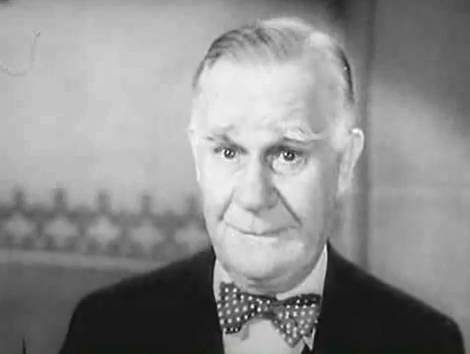
Henry Travers
Horace P. Bogardus
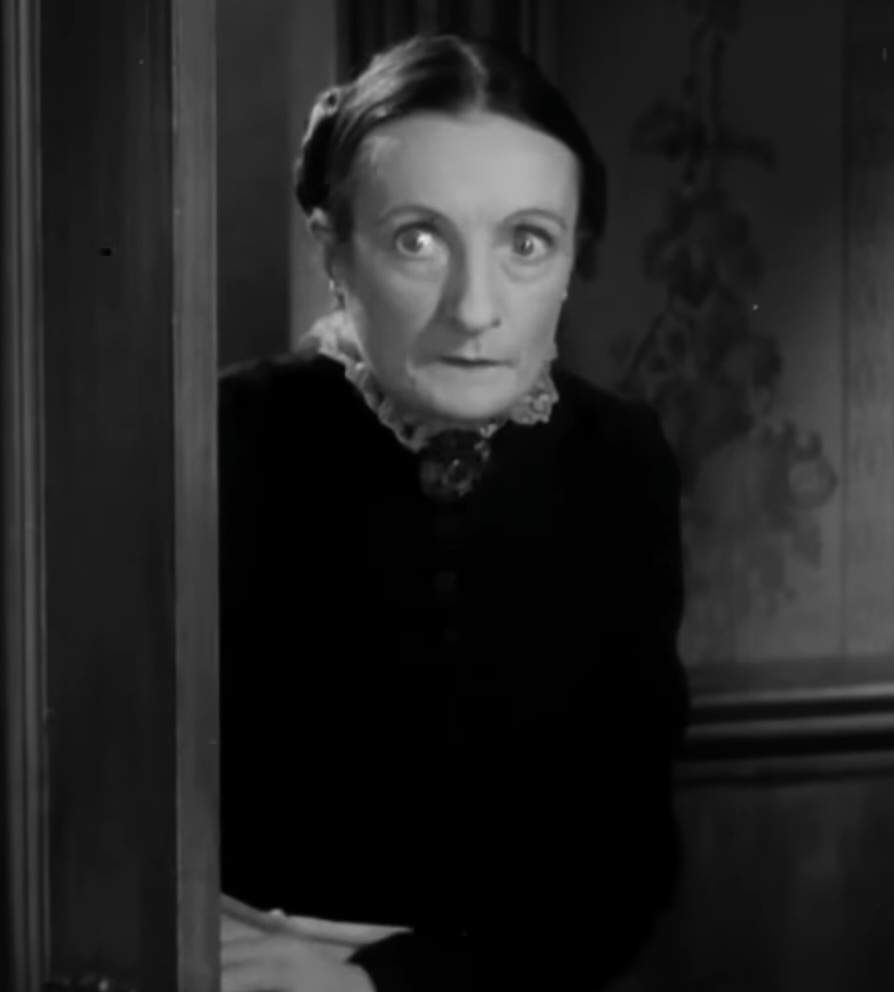
Una O'Connor
Mrs. Breen

William Gargan
Joe Gallagher
Ruth Donnelly
Sister Michael
John Smith
Choir Member (uncredited)
Edna May Wonacott
Delphine Ford (uncredited)
Matt Mchugh
Sporting Goods Salesman (uncredited)
Jimmie Dundee
Cabbie (uncredited)
Dewey Robinson
Pedestrian Pulling Bogardus from Under Truck (uncredited)
Joe Palma
Workman (uncredited)
Minerva Urecal
Landlady (uncredited)
Eva Novak
Nun (uncredited)
Richard Tyler
Eddie Breen
Martha Sleeper
Mary Gallagher
Pietro Sosso
Blind Man (uncredited)
Peggy McKim
Schoolgirl (uncredited)
Gwen Crawford
Nun (uncredited)
Joan Carroll
Patsy Gallagher
Georgie Nokes
Boy (uncredited)
Jimmy Crane
Luther (uncredited)
Aina Constant
Nun (uncredited)
Cora Shannon
Elderly Woman (uncredited)
Betty Jean Nichols
Schoolgirl (uncredited)
Edward Coch Jr.
Baby Jesus (uncredited)
Bobby Dolan Jr.
Bobby (uncredited)
Bobby Frasco
Tommy Smith (uncredited)
External Links and Streaming Options
Discover where to watch The Bells of St. Mary’s online, including streaming platforms, rental options, and official sources. Compare reviews, ratings, and in-depth movie information across sites like IMDb, TMDb, Wikipedia or JustWatch.







Take the Ultimate The Bells of St. Mary’s Movie Quiz
Challenge your knowledge of The Bells of St. Mary’s with this fun and interactive movie quiz. Test yourself on key plot points, iconic characters, hidden details, and memorable moments to see how well you really know the film.
The Bells of St. Mary's (1945) Quiz: Test your knowledge of the classic 1945 film starring Bing Crosby and Ingrid Bergman.
Who portrays Father Chuck O'Malley in the film?
Full Plot Summary and Ending Explained for The Bells of St. Mary’s
Read the complete plot summary of The Bells of St. Mary’s, including all major events, twists, and the full ending explained in detail. Explore key characters, themes, hidden meanings, and everything you need to understand the story from beginning to end.
Father Chuck O’Malley arrives at St. Mary’s parish with a reputation for being unorthodox, taking on a mission that involves steering a small, nun-led inner-city school toward a brighter future. The housekeeper warns him that the last priest who lived there aged quickly, and the image of a ticking clock hangs over his new responsibilities. He is tasked with overseeing a structure that is more of a community project than a polished institution, a place where hope and hardship share the same walls.
In the bustling halls, the first day becomes a test of nerves for the Sister Mary Benedict as she tries to keep order while a large group of nuns struggles to settle down. The moment is almost comic as the nun run school adjusts to a new energy, and a mischievous kitten steals the spotlight, revealing how unpredictable life at St. Mary’s can be. The Father learns quickly that the school’s real challenge isn’t curriculum alone but the spirit of its students and staff.
The sisters have a plan that centers on a possible redeployment of the building next door, a modern facility donated by a local businessman, Horace P. Bogardus. They believe his contribution could transform the school into something sustainable, a legacy that would outlast their tenure. Yet they are equally determined to keep the present place alive, choosing to fight for its future rather than abandon it for a more comfortable option.
As the two leads clash and collaborate, the story introduces the children who make the mission personal. Among them is Patsy Gallagher, an eighth-grader from Syracuse who has come under the parish’s care while her mother navigates a difficult path. Patsy’s backstory hints at a complicated family life, including a father she briefly longs to reconnect with, and her presence soon becomes a measure of the school’s capacity to nurture rather than merely judge.
When Eddie Breen experiences bullying, the pair of educators tries a different approach. The initial impulse to respond with quiet resilience yields to a more proactive strategy, as the Father and Sister Benedict guide the students through a small experiment in standing up for themselves. Patsy, initially learning to navigate the tension between authority and encouragement, is observed by the Sister who carefully weighs how much of Patsy’s background should be disclosed to those who teach her.
A turning point arrives as the Father and Sister Benedict motivate the students to produce original work. Patsy’s paper, sharpened by the Father’s coaching, earns a high mark, and the classroom begins to see the value of creativity alongside discipline. In the meantime, the dynamic between the two leaders inches toward a shared understanding: education thrives when compassion and structure walk hand in hand.
Meanwhile, the idea of a potential donation takes on a life of its own. The pair point out to Horace P. Bogardus that gifting the modern building would be a lasting testament to his generosity—and it would secure the school’s future. The patient care of a doctor also hints that Bogardus’s heart—literally and figuratively—needs gentler handling, foreshadowing his own evolution toward selfless acts.
On a personal front, the Father helps to facilitate a long-awaited reconciliation between Patsy’s mother and the father she once hoped to see again. Through a network of musicians, he locates the missing musician, and the couple reunites in a heartfelt moment witnessed by Patsy, who discovers the truth through a kiss they share. That scene underscores how the school’s journey is inseparable from the lives of those who inhabit it.
As the school year progresses, the tension surrounding Patsy’s exams comes to a head. Sister Benedict fears the marks might not reflect her true abilities, but the Father urges a broader view of achievement, arguing that self-esteem and perseverance matter as much as grades. His perspective begins to shape the conversation around what it means to succeed.
Bogardus begins to shift from donor to doer, influenced by the doctor’s counsel about his own health. He starts performing acts of kindness: supporting a blind beggar, helping an older woman with transportation, and even adopting a homeless dog. In a decisive moment, he offers the sisters the building that would become the school’s new home, a tangible legacy that aligns with the shared vision of a brighter future.
Patsy’s graduation day arrives with a mix of relief and joy. The Mother and child stand at the center of the celebration, and the Father uses the moment to confirm that Patsy’s own learning has truly blossomed. The scene also foreshadows the next chapter for Sister Benedict, whose path will soon diverge from the school’s daily routines.
In a final turn, Sister Benedict is diagnosed with tuberculosis, and the physician recommends a transfer to a dry climate for her health. The move is framed as a professional decision, but she senses a personal shift in the arrangement, feeling that it is tied to ongoing disagreements with the Father. The Father chooses to reveal the deeper, compassionate reason behind her transfer, setting the stage for a hopeful return. They part with a sense of purpose intact, and Sister Benedict departs with the promise of a future reunion, looking forward to her eventual return to the community she helped shape.

Coming soon on iOS and Android
The Plot Explained Mobile App
From blockbusters to hidden gems — dive into movie stories anytime, anywhere. Save your favorites, discover plots faster, and never miss a twist again.
Sign up to be the first to know when we launch. Your email stays private — always.
Explore the mobile appWatch Trailers, Clips & Behind-the-Scenes for The Bells of St. Mary’s
Watch official trailers, exclusive clips, cast interviews, and behind-the-scenes footage from The Bells of St. Mary’s. Dive deeper into the making of the film, its standout moments, and key production insights.
Cars Featured in The Bells of St. Mary’s
Explore all cars featured in The Bells of St. Mary’s, including their makes, models, scenes they appear in, and their significance to the plot. A must-read for car enthusiasts and movie buffs alike.
The Bells of St. Mary’s Themes and Keywords
Discover the central themes, ideas, and keywords that define the movie’s story, tone, and message. Analyze the film’s deeper meanings, genre influences, and recurring concepts.

Unlock the World of Movies with Our Comprehensive Wiki
Dive into our Movie Wiki for in-depth film encyclopedia entries, including cast biographies, production trivia, plot synopses, behind-the-scenes facts, and thematic analyses. Whether you’re researching iconic directors, exploring genre histories, or discovering hidden easter eggs, our expertly curated movie database has everything you need to fuel your cinematic passion.

Similar Movies To The Bells of St. Mary’s You Should Know About
Browse a curated list of movies similar in genre, tone, characters, or story structure. Discover new titles like the one you're watching, perfect for fans of related plots, vibes, or cinematic styles.


Quick Links: Summary, Cast, Ratings, More

What's After the Movie?
Not sure whether to stay after the credits? Find out!
Check out our other apps:

SAT Sphere
Build confidence for the Digital SAT.

Mori Atlas
Discover wild places worth protecting.

Luntero
Search smarter for a home in Amsterdam.

Plot Explained
Unravel movie endings and hidden clues.

Pokechamp
Dive into Pokémon data and battle logic.

Driving Theory
Get ready for your European theory test.

Movie Dust
Plan your next cinema trip with ease.

Musemap
Find art and culture as you travel.

Selkobase
Compare credentials before committing.

Local Manual
Turn an unfamiliar country into practical next steps.

Lernavi
Compare school systems before your next move.

GymRoam
Find a workout stop wherever your plans take you.
Explore Our Movie Platform
New Movie Releases (2026)
Famous Movie Actors
Top Film Production Studios
Movie Plot Summaries & Endings
Major Movie Awards & Winners
Best Concert Films & Music Documentaries
Movie Collections and Curated Lists
© 2026 What's After the Movie. All rights reserved.
Privacy Policy