Symmetry 2003

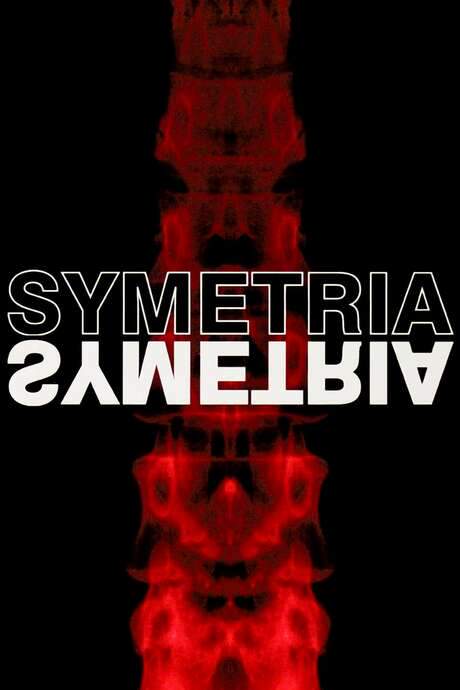
Łukasz, a job‑less geography graduate, is mistakenly identified and arrested for robbery. His weak alibi collapses when the supposed victim dies shortly after the arrest. Though his lawyer pledges to fight, Łukasz is detained and must adapt to the brutal prison hierarchy. He seeks refuge in the cell of the “grypsujący,” inmates who exchange coded messages.


Does Symmetry have end credit scenes?
No!
Symmetry does not have end credit scenes. You can leave when the credits roll.
Meet the Full Cast and Actors of Symmetry
Explore the complete cast of Symmetry, including both lead and supporting actors. Learn who plays each character, discover their past roles and achievements, and find out what makes this ensemble cast stand out in the world of film and television.

Borys Szyc
Albert

Andrzej Chyra
Dawid

Andrzej Andrzejewski
"Zborek"
Janusz Chabior
oddziałowy
Kinga Preis
żona Dawida
Mariusz Jakus
"Kosior"
Dariusz Biskupski
Adolf
Stanisław Penksyk
oficer przesłuchujący Łukasza
Aleksander Mikołajczak
adwokat Łukasza
Marcin Jędrzejewski
"Siwy"
Arkadiusz Detmer
Łukasz Machnacki
Grzegorz Kowalczyk
gwałciciel żony Dawida
Norbert Rakowski
wychowawca
Dawid Lepkowski
synek Dawida
Maria Klejdysz
poszkodowana
Paweł Szczesny
pedofil
Janusz Bukowski
Roman
Elżbieta Kijowska
matka Łukasza
Jan Jeruzal
"Zgredzik"
Antonina Federowicz
dziewczynka (w napisach nazwisko: Fedorowicz)
Janusz Błaszczyk
[obsada aktorska]
External Links and Streaming Options
Discover where to watch Symmetry online, including streaming platforms, rental options, and official sources. Compare reviews, ratings, and in-depth movie information across sites like IMDb, TMDb, Wikipedia or Rotten Tomatoes.






Take the Ultimate Symmetry Movie Quiz
Challenge your knowledge of Symmetry with this fun and interactive movie quiz. Test yourself on key plot points, iconic characters, hidden details, and memorable moments to see how well you really know the film.
Symmetry (2003) Quiz: A ten‑question quiz that tests knowledge of the main events, characters, and themes of the film Symmetry.
What is the name of the film’s protagonist who is arrested after leaving a cinema?
Full Plot Summary and Ending Explained for Symmetry
Read the complete plot summary of Symmetry, including all major events, twists, and the full ending explained in detail. Explore key characters, themes, hidden meanings, and everything you need to understand the story from beginning to end.
Before the title credits roll, the film opens with a prison guard drafting a report about a death found in one of the cells, marking the cause as a suicide. The scene suggests that this tragedy is connected to the events that will unfold, even though the full chain of cause and effect isn’t stated outright. This prologue casts a shadow over what follows, hinting at the moral and social consequences simmering beneath the surface of prison life.
On a very rainy evening, Łukasz Machnacki steps out of a cinema and is immediately corralled by the police. He is handcuffed and hauled into a squad car, then thrust into a police lineup where he’s identified by an elderly robbery victim. He protests his innocence, but with no solid alibi to offer, he is arrested and told that his freedom will depend on a lengthy investigation. The shock of the moment leaves him reeling as the reality of a harsh future in custody begins to sink in.
Once in custody, Łukasz is placed into a transition cell, where he meets Zborek, a man jailed for car theft. Zborek explains the brutal pecking order inside prison and presses Łukasz to join the notorious grypsera—an inmate subculture that commands respect and protection. He warns that if Łukasz refuses, he risks becoming a target and a “loser.” Faced with this stark choice, Łukasz agrees to enter the grypsera, a decision that surprises a staff interviewer who doubted he’d go along with it. But the arrangement is quickly sealed, and Łukasz finds himself moved into a cell where the subculture already holds sway.
In the new cell, the dynamics are immediately clear. The apparent leader, Kosior, governs with a confident, threatening calm; Siwy stands as a tough member of the group; Albert is a younger, volatile presence; Roman sits lower in the hierarchy, often overlooked; and Dawid is the quiet bookish figure whose restrained demeanor earns quiet respect. Albert’s teasing, and Siwy’s challenge to Łukasz’s willingness to prove himself, set the tone for how the new inmate must navigate this rough, unwritten code. Roman patiently teaches the everyday rules, while Kosior lays out the deeper code of the grypsera, explaining how to survive in this environment.
A lawyer hired by Łukasz’s mother drops by to deliver news from outside. The prosecutor is weighing charges that extend beyond robbery to unintentional homicide, after the elderly witness who identified Łukasz dies shortly thereafter. The lawyer pledges to push for Łukasz’s release, but he warns that the process could take months. The legal question hangs over the block, compounding the psychological strain of prison life.
The following days bring a stark glimpse into the violence beneath the surface. Albert recounts a disturbing tale about abducting a girl for sex, and Dawid reels against it, grabbing Albert in a threat that makes clear the stakes of any loose talk. The next day Kosior explains Dawid’s past violence in context, and Łukasz observes weekly visits from Dawid’s wife. The two share a gaze rather than words, hinting at a relationship strained by fear, propriety, and the unspoken pressure of life behind bars.
Nightmares haunt Łukasz as he tries to adjust, and a brutal disciplinary measure—being forced to drink a detergent mixture as punishment for breaking a minor rule—remains a painful memory. A guard then announces Łukasz’s release, only to pull it back at the last moment: the door opens and then closes, and the cruel joke leaves him devastated, pushing him toward a suicide attempt. The resilience necessary to keep going is tested to the limit.
After this crisis, Łukasz begins to accept his situation and study the grypsera’s rules with Kosior. He earns formal acceptance as a member of the group, and even wins some respect from Albert by turning a piece of Albert’s contraband to his own advantage when it’s discovered by an officer. The once-terrifying environment becomes a familiar, albeit clawing, social order where survival often hinges on wit and nerve.
When Łukasz’s trial finally comes around, Siwy is transferred out and a new inmate arrives in the cell: a man accused of child sexual abuse. Kosior does not tolerate any noise, and the guards do little to intervene as the new prisoner is subjected to humiliation and rough treatment. The shift starts to test the loyalties and nerves of all involved, especially Łukasz, who has to weigh his own safety against the moral cost of staying true to the group.
Then comes a thread of hope. Łukasz’s attorney brings news that the prosecutor plans to remit the case due to lack of evidence, hinting at an imminent release. The family drama intensifies as his mother and younger sister visit, creating a tense, emotionally charged moment in which Łukasz—watching the accused man nearby—tells his family to leave, and that he loves them.
The potential release stirs dangerous plans within the cell. Albert suggests killing the man and making his death look like a suicide, a lurid idea that Kosior condones. Łukasz hesitates, but Kosior presses him by appealing to his protective feelings for his sister. Roman resists, but Albert threatens him with harm if he objects. That night, Łukasz knocks Roman out with a chair to reduce the risk of interference, and the group proceeds to murder the new prisoner—strangling him and hanging the body from the window bars to suggest a suicide.
In the aftermath, Łukasz’s mother returns for another visit, this time through a glass partition with a phone. She is overwhelmed with worry and grief as Łukasz tries to explain that life in prison operates on a different logic that she would not understand from the outside. He ends the call with a quiet, heavy confession about the choices he has made and the distance that now lies between them.

Coming soon on iOS and Android
The Plot Explained Mobile App
From blockbusters to hidden gems — dive into movie stories anytime, anywhere. Save your favorites, discover plots faster, and never miss a twist again.
Sign up to be the first to know when we launch. Your email stays private — always.
Explore the mobile appDiscover Film Music Concerts Near You – Live Orchestras Performing Iconic Movie Soundtracks
Immerse yourself in the magic of cinema with live orchestral performances of your favorite film scores. From sweeping Hollywood blockbusters and animated classics to epic fantasy soundtracks, our curated listings connect you to upcoming film music events worldwide.
Explore concert film screenings paired with full orchestra concerts, read detailed event information, and secure your tickets for unforgettable evenings celebrating legendary composers like John Williams, Hans Zimmer, and more.


Symmetry Themes and Keywords
Discover the central themes, ideas, and keywords that define the movie’s story, tone, and message. Analyze the film’s deeper meanings, genre influences, and recurring concepts.
Symmetry Other Names and Titles
Explore the various alternative titles, translations, and other names used for Symmetry across different regions and languages. Understand how the film is marketed and recognized worldwide.
Similar Movies To Symmetry You Should Know About
Browse a curated list of movies similar in genre, tone, characters, or story structure. Discover new titles like the one you're watching, perfect for fans of related plots, vibes, or cinematic styles.











Quick Links: Summary, Cast, Ratings, More

What's After the Movie?
Not sure whether to stay after the credits? Find out!
Check out our other apps:

SAT Sphere
Build confidence for the Digital SAT.

Mori Atlas
Discover wild places worth protecting.

Luntero
Search smarter for a home in Amsterdam.

Plot Explained
Unravel movie endings and hidden clues.

Pokechamp
Dive into Pokémon data and battle logic.

Driving Theory
Get ready for your European theory test.

Movie Dust
Plan your next cinema trip with ease.

Musemap
Find art and culture as you travel.

Selkobase
Compare credentials before committing.

Local Manual
Turn an unfamiliar country into practical next steps.

Lernavi
Compare school systems before your next move.

GymRoam
Find a workout stop wherever your plans take you.
Explore Our Movie Platform
New Movie Releases (2026)
Famous Movie Actors
Top Film Production Studios
Movie Plot Summaries & Endings
Major Movie Awards & Winners
Best Concert Films & Music Documentaries
Movie Collections and Curated Lists
© 2026 What's After the Movie. All rights reserved.
Privacy Policy