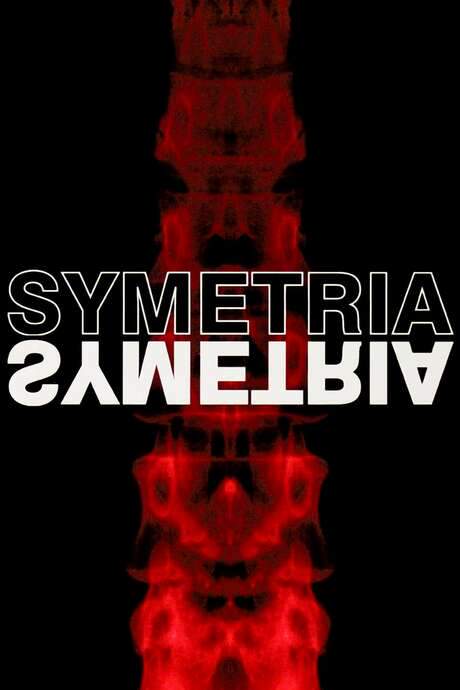
Symmetry 2003

Directed by

Konrad Niewolski
Made by

SPI International Polska
Symmetry Plot Summary
Read the complete plot summary and ending explained for Symmetry (2003). From turning points to emotional moments, uncover what really happened and why it matters.
Before the title credits roll, the film opens with a prison guard drafting a report about a death found in one of the cells, marking the cause as a suicide. The scene suggests that this tragedy is connected to the events that will unfold, even though the full chain of cause and effect isn’t stated outright. This prologue casts a shadow over what follows, hinting at the moral and social consequences simmering beneath the surface of prison life.
On a very rainy evening, Łukasz Machnacki steps out of a cinema and is immediately corralled by the police. He is handcuffed and hauled into a squad car, then thrust into a police lineup where he’s identified by an elderly robbery victim. He protests his innocence, but with no solid alibi to offer, he is arrested and told that his freedom will depend on a lengthy investigation. The shock of the moment leaves him reeling as the reality of a harsh future in custody begins to sink in.
Once in custody, Łukasz is placed into a transition cell, where he meets Zborek, a man jailed for car theft. Zborek explains the brutal pecking order inside prison and presses Łukasz to join the notorious grypsera—an inmate subculture that commands respect and protection. He warns that if Łukasz refuses, he risks becoming a target and a “loser.” Faced with this stark choice, Łukasz agrees to enter the grypsera, a decision that surprises a staff interviewer who doubted he’d go along with it. But the arrangement is quickly sealed, and Łukasz finds himself moved into a cell where the subculture already holds sway.
In the new cell, the dynamics are immediately clear. The apparent leader, Kosior, governs with a confident, threatening calm; Siwy stands as a tough member of the group; Albert is a younger, volatile presence; Roman sits lower in the hierarchy, often overlooked; and Dawid is the quiet bookish figure whose restrained demeanor earns quiet respect. Albert’s teasing, and Siwy’s challenge to Łukasz’s willingness to prove himself, set the tone for how the new inmate must navigate this rough, unwritten code. Roman patiently teaches the everyday rules, while Kosior lays out the deeper code of the grypsera, explaining how to survive in this environment.
A lawyer hired by Łukasz’s mother drops by to deliver news from outside. The prosecutor is weighing charges that extend beyond robbery to unintentional homicide, after the elderly witness who identified Łukasz dies shortly thereafter. The lawyer pledges to push for Łukasz’s release, but he warns that the process could take months. The legal question hangs over the block, compounding the psychological strain of prison life.
The following days bring a stark glimpse into the violence beneath the surface. Albert recounts a disturbing tale about abducting a girl for sex, and Dawid reels against it, grabbing Albert in a threat that makes clear the stakes of any loose talk. The next day Kosior explains Dawid’s past violence in context, and Łukasz observes weekly visits from Dawid’s wife. The two share a gaze rather than words, hinting at a relationship strained by fear, propriety, and the unspoken pressure of life behind bars.
Nightmares haunt Łukasz as he tries to adjust, and a brutal disciplinary measure—being forced to drink a detergent mixture as punishment for breaking a minor rule—remains a painful memory. A guard then announces Łukasz’s release, only to pull it back at the last moment: the door opens and then closes, and the cruel joke leaves him devastated, pushing him toward a suicide attempt. The resilience necessary to keep going is tested to the limit.
After this crisis, Łukasz begins to accept his situation and study the grypsera’s rules with Kosior. He earns formal acceptance as a member of the group, and even wins some respect from Albert by turning a piece of Albert’s contraband to his own advantage when it’s discovered by an officer. The once-terrifying environment becomes a familiar, albeit clawing, social order where survival often hinges on wit and nerve.
When Łukasz’s trial finally comes around, Siwy is transferred out and a new inmate arrives in the cell: a man accused of child sexual abuse. Kosior does not tolerate any noise, and the guards do little to intervene as the new prisoner is subjected to humiliation and rough treatment. The shift starts to test the loyalties and nerves of all involved, especially Łukasz, who has to weigh his own safety against the moral cost of staying true to the group.
Then comes a thread of hope. Łukasz’s attorney brings news that the prosecutor plans to remit the case due to lack of evidence, hinting at an imminent release. The family drama intensifies as his mother and younger sister visit, creating a tense, emotionally charged moment in which Łukasz—watching the accused man nearby—tells his family to leave, and that he loves them.
The potential release stirs dangerous plans within the cell. Albert suggests killing the man and making his death look like a suicide, a lurid idea that Kosior condones. Łukasz hesitates, but Kosior presses him by appealing to his protective feelings for his sister. Roman resists, but Albert threatens him with harm if he objects. That night, Łukasz knocks Roman out with a chair to reduce the risk of interference, and the group proceeds to murder the new prisoner—strangling him and hanging the body from the window bars to suggest a suicide.
In the aftermath, Łukasz’s mother returns for another visit, this time through a glass partition with a phone. She is overwhelmed with worry and grief as Łukasz tries to explain that life in prison operates on a different logic that she would not understand from the outside. He ends the call with a quiet, heavy confession about the choices he has made and the distance that now lies between them.
Symmetry Timeline
Follow the complete movie timeline of Symmetry (2003) with every major event in chronological order. Great for understanding complex plots and story progression.
Opening scene: suicide report
A prison guard writes a report about a dead body found in a cell, noting suicide as the probable cause. The scene hints at events that will unfold later in the story. It occurs before the title credits.
Arrest and lineup
Łukasz is arrested after a rainy evening and taken to a police lineup where an elderly robbery victim identifies him. He protests his innocence but cannot provide an alibi. He learns that his detention will likely last a long time.
Transition to prison and joining grypsera
Łukasz is transferred to pre-trial detention and placed in a transition cell. There he meets Zborek, who explains the prison subculture and pressurizes him to join grypzera. Fear of abuse pushes Łukasz to agree to join and he is placed with the subculture inmates.
First impressions in the cell
In his new cell, Łukasz meets Kosior, Siwy, Albert, Roman, and Dawid. Albert and Siwy tease him about a fist fight, and Łukasz goes along to avoid appearing weak. Roman teaches basic prison rules and Kosior introduces the grypzera and their code.
Charges explained by a lawyer
An attorney visits Łukasz to explain that the prosecutor plans to charge him with unintentional homicide in addition to robbery. The case could take months to resolve, leaving him in limbo inside the prison.
Dawid’s backstory and the visiting wife
Albert tells a disturbing story about kidnapping, which triggers Dawid to threaten him. Kosior recounts Dawid’s violence toward the rapist, and Dawid’s wife visits weekly, silently watching him with restrained emotion.
Punishment and fear
Łukasz endures a punishment that includes drinking a detergent mixture for breaking a rule. The harsh treatment intensifies his fear and solidifies his dependence on the cell’s power structure.
False release joke and suicide attempt
A guard tells Łukasz to pack as if he will be released, only to order him to unpack moments later. The cruel joke devastates him and drives him toward a suicide attempt.
Becoming part of the gang
After a period of despair, Łukasz passes the knowledge test for the subculture and is officially accepted into grypzera. He earns some respect by claiming a portion of Albert's contraband, which affects Albert’s visiting privileges.
New prisoner arrives and is abused
A new prisoner accused of child abuse is placed in the cell. Kosior angrily tells him to stay quiet, and the newcomer is beaten and forced to eat in the toilet while guards ignore the abuse.
Remission talks and family visit
Łukasz’s attorney brings news that the prosecutor intends to remit the case for lack of evidence, suggesting an imminent release. His mother and little sister visit, but they notice the nearby new prisoner and Łukasz asks them to leave, insisting that he loves them.
Murder plan forms
Albert proposes killing the soon-to-be-released prisoner to fake a suicide. Łukasz hesitates, but Kosior persuades him, and Roman is knocked out to prevent interference during the plan.
The murder is carried out
That night, Łukasz, Kosior, Albert, and Dawid strangulate the new prisoner and hang his body on the window bars to make it look like a suicide. The cell’s brutality is completed by this calculated act.
Aftermath with the mother
In the following visit, Łukasz tells his mother that life in prison is different and that she would not understand it. The conversation ends with a quiet goodbye as they speak through the glass and phone.
Symmetry Characters
Explore all characters from Symmetry (2003). Get detailed profiles with their roles, arcs, and key relationships explained.
Łukasz Machnacki (Arkadiusz Detmer)
A young detainee who is abruptly thrust into prison life. He begins naive and frightened, then gradually adapts to the grypsera to avoid becoming a target. His evolving loyalty and moral compromises drive much of the film’s tension.
Kosior (Mariusz Jakus)
The cell’s de facto leader, adept at intimidation and manipulation. He teaches Łukasz the rules of the grypsera and pushes the group toward violent actions to maintain his place at the top. His calculated ruthlessness makes him a central pillar of the cell’s power structure.
Siwy (Marcin Jędrzejewski)
A volatile mob member who uses aggression to police the group and intimidate Łukasz. His cruelty and unpredictability illustrate the constant threat of violence within the cell.
Albert (Borys Szyc)
A younger mobster who tests boundaries with rough humor and quick violence. He initiates the discussion about killing the new prisoner and embodies casual brutality under the guise of camaraderie.
Roman (Janusz Bukowski)
The lowest rung in the cell hierarchy, who tries to stay out of trouble but is drawn into plans for murder. His reluctance highlights the moral cost of power plays and the fragility of safety in prison.
Dawid (Dawid Lepkowski)
A quiet, bookish inmate whose restraint earns respect. He becomes entangled in the murder plan, showing that even reflective prisoners can be drawn into violence when survival is at stake.
Zborek (Andrzej Andrzejewski)
The cell member who explains the grypsera and tests Łukasz’s willingness to join. He acts as a gatekeeper within the subculture, shaping the newcomer’s path and the cell’s power dynamics.
Adwokat Łukasza (Aleksander Mikołajczak)
The attorney hired to defend Łukasz, connecting the outside legal system with his prison life. He informs him of potential remittance and works to secure release, underscoring the tension between prison and law.
Symmetry Settings
Learn where and when Symmetry (2003) takes place. Explore the film’s settings, era, and how they shape the narrative.
Location
Polish prison
The story largely unfolds inside a Polish prison, where inmates live in tight cells and a strict hierarchy governs every interaction. The dominant prison subculture, grypsera, dictates who is protected and who is abused. Guards observe the dynamics but often tolerate or overlook brutal rules that shape daily life.
Symmetry Themes
Discover the main themes in Symmetry (2003). Analyze the deeper meanings, emotional layers, and social commentary behind the film.
🗝️
Belonging
Łukasz’s entry into the grypsera shows that survival in prison depends on fitting into a fixed clan. The lure of protection and status comes at the cost of personal morality and loyalty to others. Belonging drives his choices and moral compromises.
💥
Violence and power
The inmates wield violence and social influence to maintain control, culminating in a calculated murder to assert dominance. The guards’ passivity reinforces the sense that force rules the cell. Violence becomes a tool for settling disputes and preserving status.
🧭
Moral ambiguity
Łukasz wrestles with fear, survival, and competing impulses toward right and wrong. As he sinks deeper into the gang, personal autonomy fades and instincts of loyalty blur with criminal ambition. The film questions what it means to choose humanity under pressure.

Coming soon on iOS and Android
The Plot Explained Mobile App
From blockbusters to hidden gems — dive into movie stories anytime, anywhere. Save your favorites, discover plots faster, and never miss a twist again.
Sign up to be the first to know when we launch. Your email stays private — always.
Explore the mobile appSymmetry Spoiler-Free Summary
Discover the spoiler-free summary of Symmetry (2003). Get a concise overview without any spoilers.
In the rain‑soaked streets of an unnamed city, a recent geography graduate finds his ordinary life shattered when a mistaken identification lands him in the unforgiving world of a state prison. Łukasz steps from a cinema into handcuffs, his future suddenly reduced to the cold corridors and rigid routines of incarceration, where every glance carries the weight of a hidden hierarchy.
Inside, the prison is a micro‑cosm of its own rules and rituals, dominated by an underground brotherhood known as the “grypsera.” The inmates communicate through coded messages, trading fragments of knowledge and protection for allegiance. Early on, Zborek, a seasoned car‑theft offender, introduces Łukasz to the brutal pecking order and the stark choice between isolation and inclusion. The atmosphere is tense, a blend of looming violence and whispered camaraderie, as newcomers must quickly learn the unspoken code that governs survival.
The cell block itself becomes a stage for intricate social dynamics. At its center stands Kosior, whose calm authority commands respect, while Siwy and Albert embody the raw, volatile energy that pulses through the ranks. Roman and Dawid offer quieter perspectives, hinting at the varied ways inmates cope with confinement. Together they form a tightly knit network that both shields and challenges Łukasz, forcing him to navigate loyalty, fear, and the constant threat of aggression.
Through muted corridors and the echo of distant footsteps, the film paints a stark portrait of institutional life, where hope and desperation coexist in narrow spaces. The oppressive ambiance is balanced by moments of uneasy solidarity, inviting the audience to wonder how far a man will go to preserve his identity when the world outside seems more distant than ever.
Movies with Similar Twists and Themes
Uncover films that echo the narrative beats, emotional arcs, or dramatic twists of the one you're exploring. These recommendations are handpicked based on story depth, thematic resonance, and spoiler-worthy moments — perfect for fans who crave more of the same intrigue.


Featured on this page

What's After the Movie?
Not sure whether to stay after the credits? Find out!
Check out our other apps:

SAT Sphere
Build confidence for the Digital SAT.

Mori Atlas
Discover wild places worth protecting.

Luntero
Search smarter for a home in Amsterdam.

Plot Explained
Unravel movie endings and hidden clues.

Pokechamp
Dive into Pokémon data and battle logic.

Driving Theory
Get ready for your European theory test.

Movie Dust
Plan your next cinema trip with ease.

Musemap
Find art and culture as you travel.

Selkobase
Compare credentials before committing.

Local Manual
Turn an unfamiliar country into practical next steps.

Lernavi
Compare school systems before your next move.

GymRoam
Find a workout stop wherever your plans take you.
Explore Our Movie Platform
New Movie Releases (2026)
Famous Movie Actors
Top Film Production Studios
Movie Plot Summaries & Endings
Major Movie Awards & Winners
Best Concert Films & Music Documentaries
Movie Collections and Curated Lists
© 2026 What's After the Movie. All rights reserved.
Privacy Policy