Superstar: The Karen Carpenter Story 1987


The final 17 years of American singer and musician Karen Carpenter, performed almost entirely by modified Barbie dolls.


Does Superstar: The Karen Carpenter Story have end credit scenes?
No!
Superstar: The Karen Carpenter Story does not have end credit scenes. You can leave when the credits roll.
Meet the Full Cast and Actors of Superstar: The Karen Carpenter Story
Explore the complete cast of Superstar: The Karen Carpenter Story, including both lead and supporting actors. Learn who plays each character, discover their past roles and achievements, and find out what makes this ensemble cast stand out in the world of film and television.
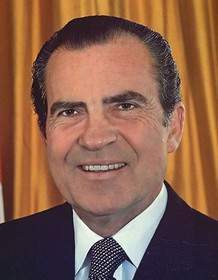
Richard Nixon
Self (archive footage)

Ronald Reagan
Self (archive footage)

Rob LaBelle
Dad / Mr. A&M (voice)
Michael Edwards
Richard (voice)
Melissa Brown
Mother (voice)
Bruce Tuthill
Narrator (voice)
Cynthia Schneider
Dionne Warwick (voice)
Merrill Gruver
Karen (voice)
Gwen Kraus
Narrator (voice)
Nannie Doyle
Cherry Boone
Larry Kole
Announcer
Joanne Barrett
Self-Singer
Michele Manenti
Michelle Hoyt, Musician
Moira McCarty
(voice)
External Links and Streaming Options
Discover where to watch Superstar: The Karen Carpenter Story online, including streaming platforms, rental options, and official sources. Compare reviews, ratings, and in-depth movie information across sites like IMDb, TMDb, Wikipedia or JustWatch.





Take the Ultimate Superstar: The Karen Carpenter Story Movie Quiz
Challenge your knowledge of Superstar: The Karen Carpenter Story with this fun and interactive movie quiz. Test yourself on key plot points, iconic characters, hidden details, and memorable moments to see how well you really know the film.
Superstar: The Karen Carpenter Story Quiz: Test your knowledge of the 1987 film that chronicles Karen Carpenter's life, its distinctive visual style, and key factual details presented in the movie.
In which year did Karen Carpenter pass away?
Full Plot Summary and Ending Explained for Superstar: The Karen Carpenter Story
Read the complete plot summary of Superstar: The Karen Carpenter Story, including all major events, twists, and the full ending explained in detail. Explore key characters, themes, hidden meanings, and everything you need to understand the story from beginning to end.
Karen Carpenter’s life is presented as a quietly devastating arc, tracing her rise from a young singer to a national icon and, ultimately, to a heartbreaking end in 1983. The film unfolds through the perspective of Karen’s mother, Agnes, beginning in Downey, California, on February 4, 1983, when Agnes discovers Karen’s body in a closet. From that grim kickoff, the narrative slides back to 1966, charting the moments that defined Karen’s path: the duo’s signing with a major label, their meteoric early success, and the slow unraveling that followed. The story moves through Karen’s battle with anorexia nervosa, her 14-month marriage to Thomas Burris, a dramatic onstage collapse in Las Vegas, and her search for treatment as she tries to restart a faltering career. A troubling thread emerges around her use of syrup of ipecac, a practice that she didn’t fully understand would damage her heart and contribute to the cardiac arrest that ended her life.
Director Todd Haynes crafts the film with a bold, nearly experimental approach that shapes the entire experience. Rather than conventional performances, most characters are brought to life by modified Barbie dolls, with the Karen figure subtly losing features over time to symbolize the deepening illness. The sets—carefully scaled to the dolls—recreate key locations from Karen’s world: the Carpenter home in Downey, an apartment in Century City, intimate restaurants, and the studios where music was made. Even everyday props, like wine bottles and Ex-Lax boxes, are shrunk to match the doll-scale world, underscoring a sense of distortion that mirrors the protagonist’s fragility. The visual rhythm is punctuated by documentary-style inserts that present facts about anorexia and the era, along with blurred, distorted flashes that interrupt the flow as a form of stylistic commentary. The score blends an unofficial soundtrack loaded with era hits—Elton John and Kiki Dee, Captain & Tennille, Gilbert O’Sullivan, Leon Russell, and the Carpenters themselves—with eerie, experimental synthesizer motifs that mark moments of tension and inner turmoil.
The film is notably sympathetic to Karen, peeling back layers of care and vulnerability, while offering a more critical portrayal of other figures in Karen’s orbit. The portrayal of her parents—often depicted as controlling and focused on keeping Karen within the family home—moves the narrative toward a compassionate but unsettled view of the pressures she faced. The film hints at family tensions, including the perfectionist dynamic surrounding the Carpenters, and it uses dramatic scenes to suggest the emotional cost of such pressures. When Karen’s struggle comes to a head, a memorable moment captures a harsh confrontation where Richard yells, “What are you trying to do? Ruin both of our careers?” This line is presented within a larger tapestry of tension that the director threads throughout the film. > “What are you trying to do? Ruin both of our careers?”
Within this doll-driven world, the characters carry weight beyond their plastic exteriors. Karen Carpenter is voiced by Merrill Gruver, whose performance anchors the emotional core of the film. The project also features a cast of real-people figures wired into the narrative through archival and voice work: the Selfs of Richard Nixon and Ronald Reagan appear through archival footage to ground the era in its historical shadow, while the voice of Michael Edwards gives shape to the character of Richard, Karen’s brother who is portrayed as a forceful advocate of the family’s career ambitions. The film introduces a number of other voices and faces that expand the world: Cynthia Schneider voices [Dionne Warwick], a key figure whose presence adds further texture to the musical landscape of the time; Nannie Doyle brings Cherry Boone to life, a figure connected to the broader pop-music milieu; Michele Manenti appears as [Michelle Hoyt], a musician who participates in the film’s layered soundscape; and Moira McCarty contributes additional vocal textures that enrich the soundtrack and the doll-based storytelling. The narration threads provided by Gwen Kraus and the occasional voice segments by others deepen the documentary feel that sits alongside the fictionalized tableaux.
The film’s fusion of documentary-style context with the doll-portrait style invites viewers to reflect on the era’s pressures on young performers and the personal costs of fame. The score’s blend of familiar pop hits and synthetic motifs mirrors the contrast between the outward gloss of stardom and the inward strain of illness. The Barbie-doll medium adds a layer of uncanny abstraction, turning intimate moments into tableaux that feel both distant and intimate at once, while the subtle physical transformation of the Karen figure dramatizes the slow, visible toll of anorexia nervosa without turning tragedy into sensational spectacle.
In the end, the film remains faithful to its central subject by maintaining a compassionate focus on Karen’s experience, even as it invites critique of the people and systems around her. It paints a portrait of a gifted artist who wrestled with an illness inside a high-pressure industry, using a highly stylized, unsettling aesthetic to convey the complexity of her life and the abruptness of her loss. The result is a provocative, emotionally resonant exploration of talent, vulnerability, and the costs of stardom, anchored by a memorable, boundary-pushing directorial voice.

Coming soon on iOS and Android
The Plot Explained Mobile App
From blockbusters to hidden gems — dive into movie stories anytime, anywhere. Save your favorites, discover plots faster, and never miss a twist again.
Sign up to be the first to know when we launch. Your email stays private — always.
Explore the mobile appWatch Trailers, Clips & Behind-the-Scenes for Superstar: The Karen Carpenter Story
Watch official trailers, exclusive clips, cast interviews, and behind-the-scenes footage from Superstar: The Karen Carpenter Story. Dive deeper into the making of the film, its standout moments, and key production insights.
Superstar: The Karen Carpenter Story Themes and Keywords
Discover the central themes, ideas, and keywords that define the movie’s story, tone, and message. Analyze the film’s deeper meanings, genre influences, and recurring concepts.
Superstar: The Karen Carpenter Story Other Names and Titles
Explore the various alternative titles, translations, and other names used for Superstar: The Karen Carpenter Story across different regions and languages. Understand how the film is marketed and recognized worldwide.
Similar Movies To Superstar: The Karen Carpenter Story You Should Know About
Browse a curated list of movies similar in genre, tone, characters, or story structure. Discover new titles like the one you're watching, perfect for fans of related plots, vibes, or cinematic styles.









Quick Links: Summary, Cast, Ratings, More

What's After the Movie?
Not sure whether to stay after the credits? Find out!
Check out our other apps:

SAT Sphere
Build confidence for the Digital SAT.

Mori Atlas
Discover wild places worth protecting.

Luntero
Search smarter for a home in Amsterdam.

Plot Explained
Unravel movie endings and hidden clues.

Pokechamp
Dive into Pokémon data and battle logic.

Driving Theory
Get ready for your European theory test.

Movie Dust
Plan your next cinema trip with ease.

Musemap
Find art and culture as you travel.

Selkobase
Compare credentials before committing.

Local Manual
Turn an unfamiliar country into practical next steps.

Lernavi
Compare school systems before your next move.

GymRoam
Find a workout stop wherever your plans take you.
Explore Our Movie Platform
New Movie Releases (2026)
Famous Movie Actors
Top Film Production Studios
Movie Plot Summaries & Endings
Major Movie Awards & Winners
Best Concert Films & Music Documentaries
Movie Collections and Curated Lists
© 2026 What's After the Movie. All rights reserved.
Privacy Policy