
Sunday Bloody Sunday (1971): Cast, Box Office & Plot
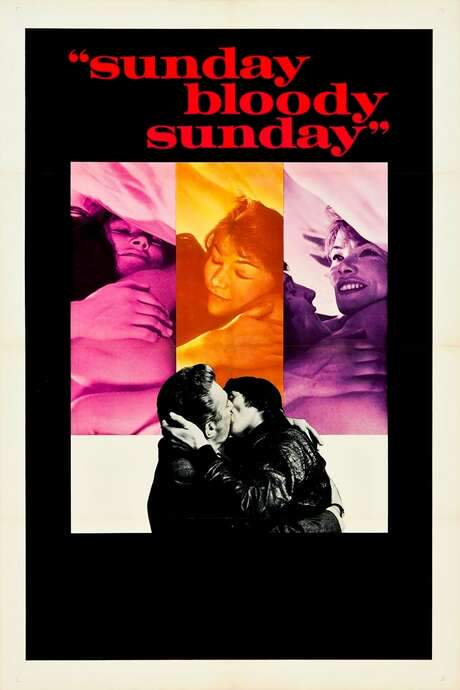
Sunday Bloody Sunday is a 1971 drama directed by John Schlesinger, starring Peggy Ashcroft as Mrs. Greville, Glenda Jackson and Peter Finch. It runs 1 hour 50 minutes and earned $27 worldwide.
- Released
- Runtime
- 1h 50m (110 min)
- Director
- John Schlesinger
- Genre
- Drama
- Original language
-
 English
 - Studio
- Vic Films Productions
- After the credits
- No No extra scene
What Is Sunday Bloody Sunday About?
The premise of Sunday Bloody Sunday without spoilers. The whole story is in the plot summary further down.
Recently divorced career woman Alex Greville begins a romance with mod artist Bob Elkin, fully aware that Bob is also involved with middle‑aged doctor Daniel Hirsh. For both Alex and Daniel, Bob represents an escape from their repressive pasts, and despite the rivalry, neither is willing to give up youthful energy he brings to their lives.
Sunday Bloody Sunday Themes & Keywords
· 50 tags- bisexual man
- female nudity
- gay doctor
- gay kiss
- homosexual relationship
- doctor
- open relationship
- jew
- bisexual
- gay character
- repetition in title
- bisexuality
+38 more Show fewer
- rain
- london england
- day in title
- f rated
- noisy child
- jackson and finch
- young
- england
- united kingdom
- executive
- female executive
- kiss
- hugging
- artist
- sociologist
- gay protagonist
- loss
- dog hit by a car
- survival
- bourgeoisie
- record player
- wealth
- trauma
- age difference
- aging
- radio
- eating
- compromise
- classical music
- love
- commitment
- drawing
- art
- electronics
- telephone exchange
- telephone operator
- telephone switchboard
- flashback
Sunday Bloody Sunday Cast & Characters
Peggy Ashcroft leads the cast as Mrs. Greville, with Glenda Jackson as Alex Greville and Peter Finch as Dr. Daniel Hirsh. Directed by John Schlesinger; 68 actors are credited in all.
-
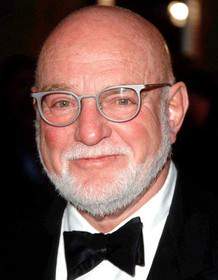 Director John Schlesinger
-
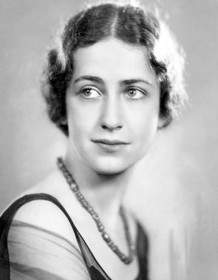 Peggy Ashcroft as Mrs. Greville
 - Glenda Jackson as Alex Greville
-
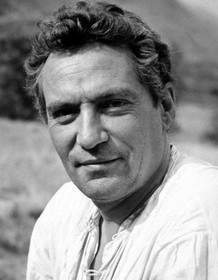 Peter Finch as Dr. Daniel Hirsh
 - Cindy Burrows as Alex as a Child (uncredited)
Also Starring in Sunday Bloody Sunday
· 64 more- Murray Head Bob Elkin
- Frank Windsor Bill Hodson
- Vivian Pickles Alva Hodson
- Russell Lewis Hodson Child
- Martin Lawrence Barmitzvah Guest
- Jon Finch Scotsman
- June Brown Woman Patient
- Richard Loncraine Bob's Partner
- Maurice Denham Mr. Greville
- Robert Clarke Man under Umbrella (uncredited)
- Robert Rietti Daniel's Brother
- Bessie Love Answering Service Lady
- Richard Pearson Patient
- Donald Sumpter Party Guest
- Aileen Lewis Woman under Umbrella (uncredited)
- Joe Wadham Lorry Driver
Show all 68 cast members Show fewer cast members
- Jill Goldston Woman at Synagogue (uncredited)
- Thomas Baptiste Prof. Johns
- Peter Halliday Rowing Husband
- Edward Evans Husband at Hospital
- John Rae Airline Doctor
- Marie Burke Aunt Astrid
- Ann Firbank Party Guest
- Daniel Day-Lewis Child Vandal (uncredited)
- Tony Britton George Harding
- Harold Goldblatt Daniel's Father
- Ellis Dale Chemist
- David Webb Restaurant Owner (scenes deleted)
- Petra Markham Bob's Partner's/Designer's Girlfriend (uncredited)
- Caroline Blakiston Rowing Wife
- Niké Arrighi Party Guest
- George Belbin Next Door Neighbour
- Gabrielle Daye Wife at Hospital
- Murray Kash Man at TWA Desk (uncredited)
- Jack Arrow Commuter (uncredited)
- Royce Mills Bob's Partner
- Arthur Goodman Rabbi (uncredited)
- John Warner Party Guest
- Rohan McCullough Party Guest
- Helen Lindsay
- William Job Party Guest
- Bunny Seaman Sleeping Woman in Beauty Salon (uncredited)
- Henry Gilbert Rabbi, 1930s Flashback
- Robert Wilde Party Guest
- Hilary Hardiman Barmitzvah Guest
- Liane Aukin Daniel's Sister-in-Law
- Douglas Lambert Man at Party
- Esta Charkham Barmitzvah Guest
- Simon Joseph Barmitzvah Guest
- Hannah Norbert Daniel's Mother
- Barbara Markham Party Guest
- Derek Gilbert Party Guest
- Gideon Kolb Barmitzvah Guest
- Mercia Mansfield Barmitzvah Guest
- Robin Presky Daniel's Nephew
- Kimi Tallmadge Hodson Child
- Carl Ferber Hodson Child
- Emma Schlesinger Hodson Child
- Patrick Thornberry Hodson Child
- Francis Ghent Party Guest
- Monica Vasileiou Travel Agent
- Henry Danziger Cantor
- Reuben Elvy Barmitzvah Guest
- Jovey Douben Barmitzvah Guest
Sunday Bloody Sunday Plot Summary
What happens in Sunday Bloody Sunday from start to finish, spoilers included, with a timeline of 12 key events. The opening is below; the full summary is a 3-minute read.
Spoilers ahead
Daniel Hirsh Peter Finch and Alex Greville Glenda Jackson are drawn into an open, unconventional love triangle with Bob Elkin Murray Head in a London that feels intimate and crowded at once. The three of them drift between affection and ambiguity, aware that Bob is seeing both of them while also staying in touch through mutual friends. Yet despite the risk of heartbreak, Daniel and Alex tolerate the arrangement because losing Bob feels worse than the complexity they share. Bob moves freely between them, a restless artist who values independence as much as companionship.
Full summary
The whole story of Sunday Bloody Sunday, scene by scene
Sunday Bloody Sunday Box Office
Sunday Bloody Sunday grossed $27 worldwide.
Worldwide gross
$27
Sunday Bloody Sunday Trailers & Videos
2 videos: 1 trailer and 1 featurette.
- Featurette Three Reasons: Sunday Bloody Sunday
How Well Do You Know Sunday Bloody Sunday?
10 questions about the story, each with a hint if you get stuck. Pick an answer to see whether you were right.
Question 1 of 10
- Question 1: not answered
- Question 2: not answered
- Question 3: not answered
- Question 4: not answered
- Question 5: not answered
- Question 6: not answered
- Question 7: not answered
- Question 8: not answered
- Question 9: not answered
- Question 10: not answered
Which actor plays Daniel Hirsh in the film?
Cars in Sunday Bloody Sunday
26 cars on screen, including the 1965 Rover 2000 MkI P6 and the 1969 Triumph Herald 13/60 Convertible.
-
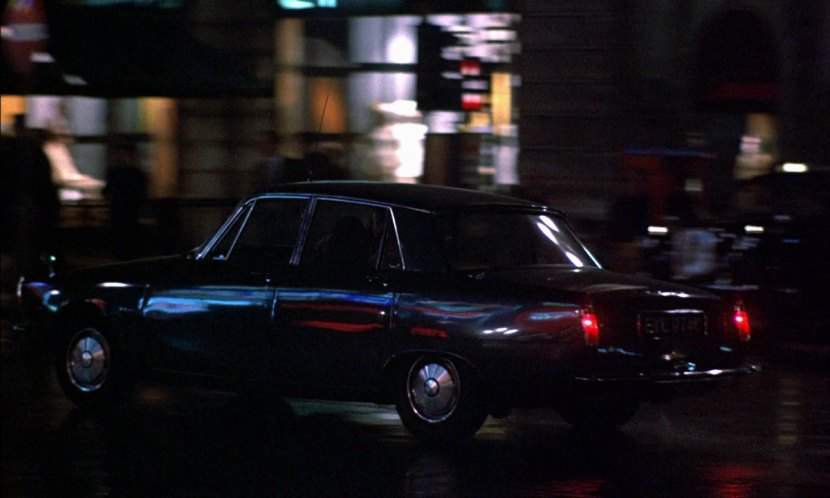 1965 Rover 2000 MkI P6 Important role
 -
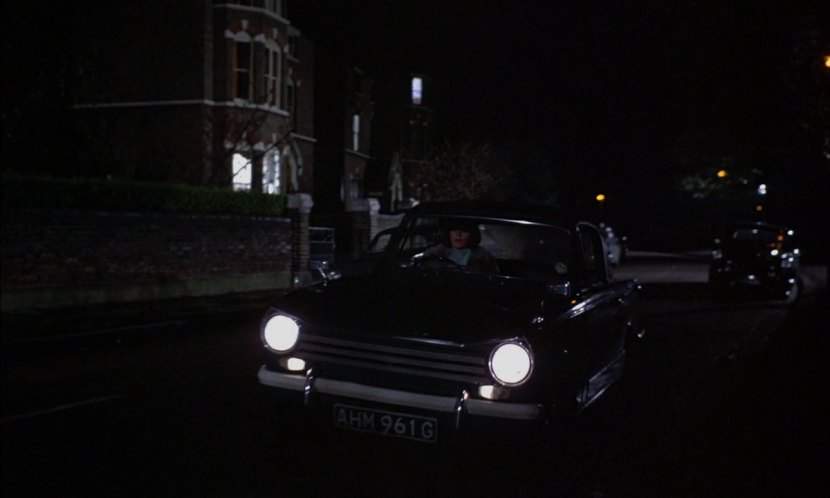 1969 Triumph Herald 13/60 Convertible Important role
 -
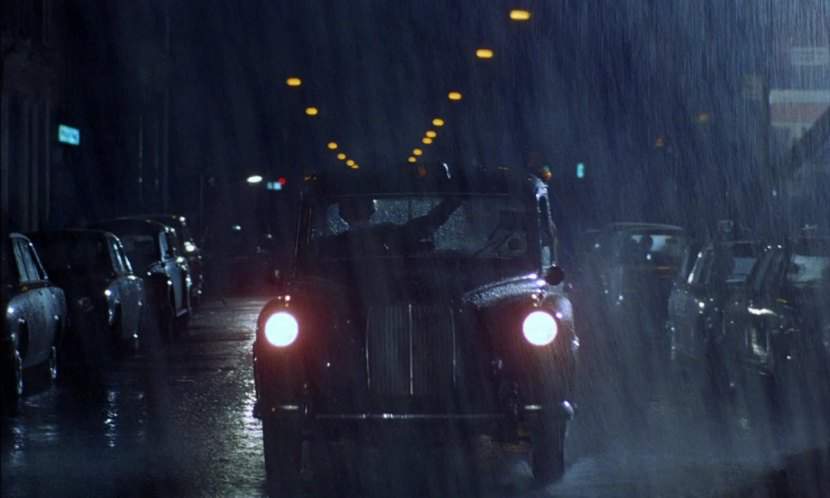 1958 Austin FX4 Minor role
 -
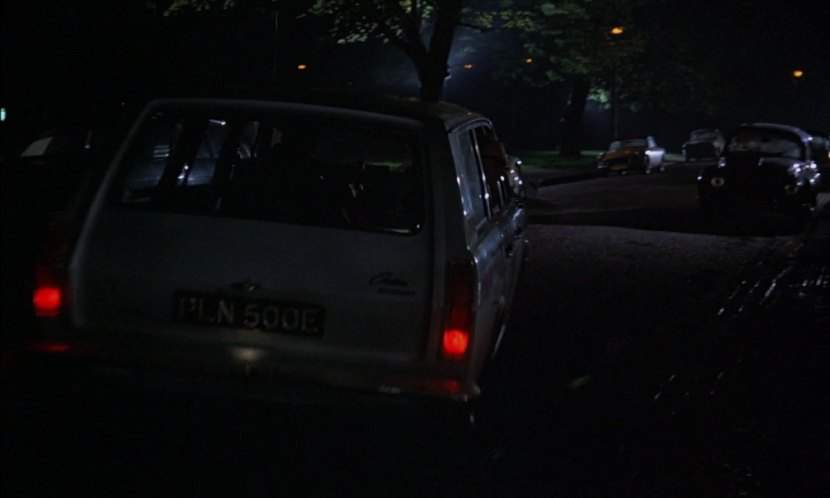 1967 Ford Cortina Estate MkII Minor role
Sunday Bloody Sunday Also Known As
15 alternative titles, including “Domingo, maldito domingo” and “Un dimanche comme les autres”.
- Also known as
-
- Domingo, maldito domingo
- Un dimanche comme les autres
- Domingo
- Maldito Domingo
- Domenica, maledetta domenica
- Неділя, проклята неділя
- 血腥星期天
- יום ראשון הארור
- Ta przeklęta niedziela
- 사랑의 여로
- Vasárnap, átkozott vasárnap
- Domingo Maldito
+3 more Show fewer
- Неделя, проклета неделя
- Воскрешение кровавого воскресения
- Söndag satans söndag
Seen Sunday Bloody Sunday?
Movies Like Sunday Bloody Sunday
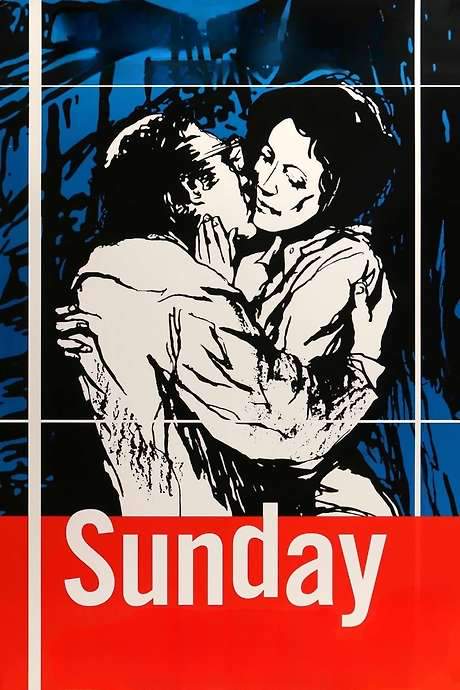
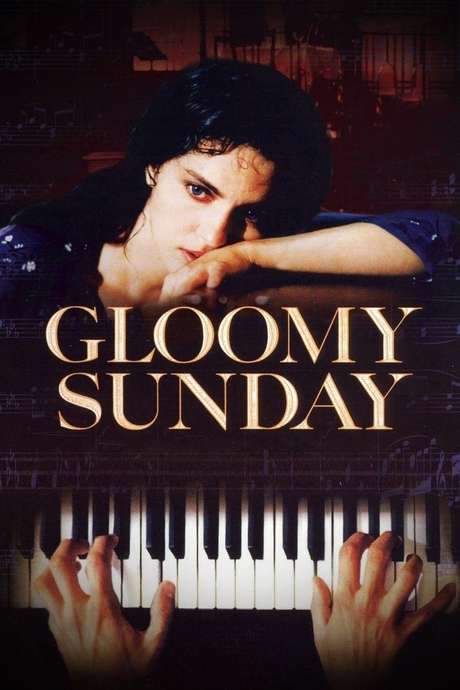
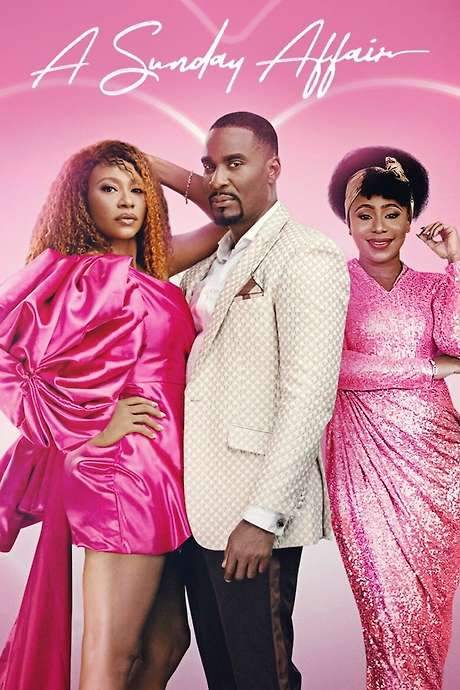
Films with a similar story, tone or audience, including Sunday, Gloomy Sunday and A Sunday Affair.


Sunday Bloody Sunday FAQ: Cast, Box Office & Runtime
Runtime, release date, director, cast, box office and post-credit scenes of Sunday Bloody Sunday, each answered in a sentence.
How long is Sunday Bloody Sunday?
Sunday Bloody Sunday runs 1 hour 50 minutes (110 minutes).
When was Sunday Bloody Sunday released?
Sunday Bloody Sunday was released on July 1, 1971.
Who directed Sunday Bloody Sunday?
Sunday Bloody Sunday was directed by John Schlesinger.
More films by John Schlesinger Who is in the cast of Sunday Bloody Sunday?
Sunday Bloody Sunday stars Peggy Ashcroft as Mrs. Greville, Glenda Jackson as Alex Greville and Peter Finch as Dr. Daniel Hirsh, among 68 credited actors.
How much did Sunday Bloody Sunday make at the box office?
Sunday Bloody Sunday grossed $27 worldwide.
Does Sunday Bloody Sunday have a post-credit scene?
No. Sunday Bloody Sunday has no extra scene during or after the credits.
Coming soon to your phone
The Plot Explained Movie Summary App
From blockbusters to hidden gems: plot summaries, endings explained and timelines on your phone. Save your favorites and never miss a twist again.
Be the first to know when it launches. Your email stays private, always. Learn more about the app
