Stoic 2009


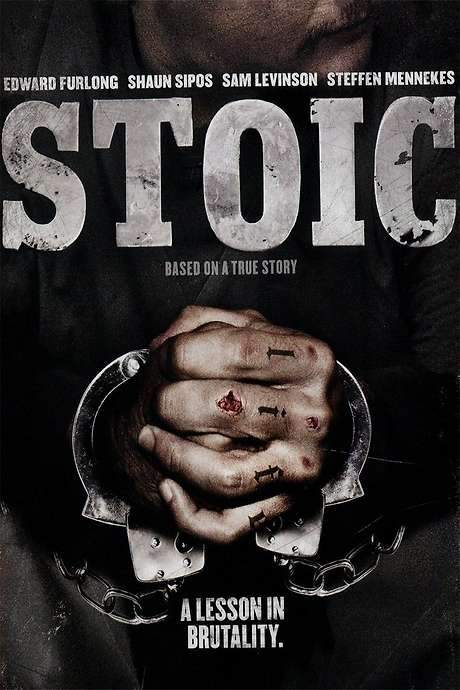
A heated game of poker causes three men incarcerated for nonviolent offenses to brutalize their cellmate before taking drastic measures in order to cover up their crime.



Does Stoic have end credit scenes?
No!
Stoic does not have end credit scenes. You can leave when the credits roll.
Where to Watch Stoic
See current US streaming, rental, and purchase options for Stoic (2009) via JustWatch.

Amazon Prime Video
HD
Amazon Prime Video with Ads
HD
Fawesome
HD
Plex
HD
Plex Channel
HD
Amazon Video
SD Streaming availability powered by 
Meet the Full Cast and Actors of Stoic
Explore the complete cast of Stoic, including both lead and supporting actors. Learn who plays each character, discover their past roles and achievements, and find out what makes this ensemble cast stand out in the world of film and television.



External Links and Streaming Options
Discover where to watch Stoic online, including streaming platforms, rental options, and official sources. Compare reviews, ratings, and in-depth movie information across sites like IMDb, TMDb, Wikipedia or Rotten Tomatoes.






Take the Ultimate Stoic Movie Quiz
Challenge your knowledge of Stoic with this fun and interactive movie quiz. Test yourself on key plot points, iconic characters, hidden details, and memorable moments to see how well you really know the film.
Stoic (2009) Quiz: Test your knowledge of the 2009 prison drama "Stoic" with these ten questions ranging from easy to difficult.
Which inmate is serving time for armed robbery?
Full Plot Summary and Ending Explained for Stoic
Read the complete plot summary of Stoic, including all major events, twists, and the full ending explained in detail. Explore key characters, themes, hidden meanings, and everything you need to understand the story from beginning to end.
The film unfolds through a series of flashbacks as three inmates — Peter Thompson, Harry Katish, and Jack Ulrich — are interviewed about the apparent suicide of their cellmate Mitch Palmer. Across these interviews, the audience learns the grim truth: Mitch Palmer was subjected to torture and humiliation at the hands of his fellow inmates long before his death, and the three men confess their roles in the escalating abuse.
The story begins with the four cellmates sharing a game of poker for cigarettes, trading stories from their lives before confinement. Mitch wins the round and dares to stake his entire cigarette stash on one more game. The bet flips the dynamic: the loser must eat an entire tube of toothpaste. Mitch loses, and the others press him to fulfill the bizarre punishment. What starts as coercion soon spirals into a chain of coercive cruelties.
Harry, who is in for armed robbery, stages a mock wash-up and wraps a towel around a bar of soap, then targets Mitch with a brutal soap beatdown while the others restrain him. Mitch’s stomach turns as the attackers force him to swallow the toothpaste. Peter, feigning concern, offers a “special drink”—water flavored with salt and pepper—only to threaten Mitch with renewed discipline if he resists. Mitch, wary and wary of the others, is pressured to drink, but he pushes the cup away, and the taunting continues.
The circle of torment deepens when Peter proposes another drink: this time it is tainted with urine and feces from the toilet. Mitch struggles, choking and vomiting as the others loom over him, counting down the seconds and pushing him to comply. The brutality escalates further when Jack, enraged by the violence, physically beats Mitch and belittles him with humiliating commands, insisting that Mitch lick up his own vomit. Mitch’s pleas to stop are met with cold indifference as the others watch, indifferent to the pain.
One of the most shocking moments comes next as the group’s cruelty turns sexual and violent. After a late-night moment where Mitch tries to signal for help via the prison’s emergency intercom, Peter lies to the guards, claiming it was an accident. The trio presses Mitch and violence intensifies; Jack becomes openly enraged that Mitch pressed the emergency button, while Harry stares with a cold gaze and participates in the abuse. The moments grow darker as Harry grabs a mop handle and, in a brutal act, uses it in a sexual assault, then forces the bloodied implement into Mitch’s mouth. Mitch’s state deteriorates into catatonia as the scene plays out, and Peter, plagued by remorse, wavers between guilt and fear.
From this point, the group hatches a chilling rationale: Mitch’s death could, in their minds, lessen their own sentences. They recount an urban myth that the psychological trauma inflicted on fellow inmates can influence sentencing when a cellmate commits suicide. The plan is cruelly clear: Mitch must hang himself. They try first with a TV cord, propping Mitch against a barred window, but the cord snaps under the weight. They try again with Mitch’s bedsheets, lifting him onto a garbage can so he can take a final cigarette. When Harry finally delivers the decisive kick that ends Mitch’s life, Peter is left in tears, while Jack and Harry watch the television as if nothing happened.
The morning after the death, the three cellmates stage a scene for the interviews, claiming to be moved by the tragedy, though Peter remains quietly silent. Harry denies any real involvement, and Jack offers a remorseful confession: he doesn’t fully understand why he acted the way he did and longs to wash his hands clean. Peter, however, is engulfed in tears, insisting the hanging was his idea and that Mitch did not deserve the abuse he endured.
In the closing text, the film reveals the grim consequences of their actions: each of the three cellmates, originally serving 2- to 3-year sentences, receives an additional 8 to 15 years for their roles in Mitch Palmer’s death. Mitch, by contrast, had been serving a 6-month sentence for vagrancy and resisting arrest. The final frames show a fleeting, uneasy sense of connection as Mitch helps Peter perform proper pushups, hinting at a fragile, troubled bond formed in the worst of circumstances.
remember who made the drink
enough of this shit
“already a part of this”

Coming soon on iOS and Android
The Plot Explained Mobile App
From blockbusters to hidden gems — dive into movie stories anytime, anywhere. Save your favorites, discover plots faster, and never miss a twist again.
Sign up to be the first to know when we launch. Your email stays private — always.
Explore the mobile appWatch Trailers, Clips & Behind-the-Scenes for Stoic
Watch official trailers, exclusive clips, cast interviews, and behind-the-scenes footage from Stoic. Dive deeper into the making of the film, its standout moments, and key production insights.
Stoic Themes and Keywords
Discover the central themes, ideas, and keywords that define the movie’s story, tone, and message. Analyze the film’s deeper meanings, genre influences, and recurring concepts.
Stoic Other Names and Titles
Explore the various alternative titles, translations, and other names used for Stoic across different regions and languages. Understand how the film is marketed and recognized worldwide.
Similar Movies To Stoic You Should Know About
Browse a curated list of movies similar in genre, tone, characters, or story structure. Discover new titles like the one you're watching, perfect for fans of related plots, vibes, or cinematic styles.







Quick Links: Summary, Cast, Ratings, More

What's After the Movie?
Not sure whether to stay after the credits? Find out!
Check out our other apps:

SAT Sphere
Build confidence for the Digital SAT.

Mori Atlas
Discover wild places worth protecting.

Luntero
Search smarter for a home in Amsterdam.

Plot Explained
Unravel movie endings and hidden clues.

Pokechamp
Dive into Pokémon data and battle logic.

Driving Theory
Get ready for your European theory test.

Movie Dust
Plan your next cinema trip with ease.

Musemap
Find art and culture as you travel.

Selkobase
Compare credentials before committing.

Local Manual
Turn an unfamiliar country into practical next steps.

Lernavi
Compare school systems before your next move.

GymRoam
Find a workout stop wherever your plans take you.
Explore Our Movie Platform
New Movie Releases (2026)
Famous Movie Actors
Top Film Production Studios
Movie Plot Summaries & Endings
Major Movie Awards & Winners
Best Concert Films & Music Documentaries
Movie Collections and Curated Lists
© 2026 What's After the Movie. All rights reserved.
Privacy Policy