Spring and Port Wine 1970


Raising a family feels like a lifetime, yet a single weekend can threaten to unravel everything. In the working‑class town of Bolton, a strict father and a permissive mother grapple with the triumphs and troubles of their four children, confronting love, rebellion and the pressures of everyday life.


Does Spring and Port Wine have end credit scenes?
No!
Spring and Port Wine does not have end credit scenes. You can leave when the credits roll.
Meet the Full Cast and Actors of Spring and Port Wine
Explore the complete cast of Spring and Port Wine, including both lead and supporting actors. Learn who plays each character, discover their past roles and achievements, and find out what makes this ensemble cast stand out in the world of film and television.

James Mason
Rafe Crompton
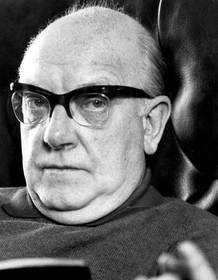
Arthur Lowe
Mr. Aspinall

Hannah Gordon
Florence Crompton
Len Jones
Wilfred Crompton
Susan George
Hilda Crompton
Bernard Bresslaw
Lorry Driver
Adrienne Posta
Betty Duckworth
Rodney Bewes
Harold Crompton
Bryan Pringle
Bowler 3
Keith Buckley
Arthur Gasket
Reginald Green
Bowler 1
Diana Coupland
Daisy Crompton
Joseph Greig
Allan (T.V. Man)
Frank Windsor
Ned Duckworth
Ken Parry
Pawnbroker
John Sharp
Bowler 4
Avril Elgar
Betsy-Jane Duckworth
Marjorie Rhodes
Mrs. Gasket
Christopher Timothy
Joe (T.V. Man)
Jack Howarth
Bowler 2
Bernard Smidowicz
Van Driver
Maria Mantella
Weaver
External Links and Streaming Options
Discover where to watch Spring and Port Wine online, including streaming platforms, rental options, and official sources. Compare reviews, ratings, and in-depth movie information across sites like IMDb, TMDb, Wikipedia or JustWatch.






Take the Ultimate Spring and Port Wine Movie Quiz
Challenge your knowledge of Spring and Port Wine with this fun and interactive movie quiz. Test yourself on key plot points, iconic characters, hidden details, and memorable moments to see how well you really know the film.
Spring and Port Wine (1970) Quiz: Test your knowledge of the 1970 film "Spring and Port Wine" with these ten questions ranging from easy to challenging.
Which actor portrays Rafe Crompton in the film?
Full Plot Summary and Ending Explained for Spring and Port Wine
Read the complete plot summary of Spring and Port Wine, including all major events, twists, and the full ending explained in detail. Explore key characters, themes, hidden meanings, and everything you need to understand the story from beginning to end.
Rafe Crompton [James Mason] works in a weaving mill. He is a proud man but not a rich one, living in a garden-city style council house that sits beyond the town’s row of brick terraces. At the end of every week, he gathers the wages from his children and passes the money to his wife, Daisy [Diana Coupland], who, with their eldest daughter Florence [Hannah Gordon], keeps the family budget in order. Daisy often makes small allowances for unexpected challenges, and at the start of the film she feels compelled to lend a neighbour cash to prevent the repossession of a hire-purchase TV—even though she initially refuses the neighbour’s request, which angers Mrs Duckworth and invites a sharp rebuke about women’s work in housekeeping.
Daisy’s need to borrow from her son to help Mrs Duckworth save face with her drunken husband sets the stage for the family’s fragile balance to tilt. The tension erupts at the Friday teacake ceremony when the family sits around the table and recalls the memory of the economic depression that once drove some people to suicide, even to the canal. Florence’s younger sister, Hilda Crompton [Susan George], refuses to eat the herring prepared for “tea,” and Mr Crompton resolves to serve it to her again tomorrow until she changes her mind.
The Cromptons’ quiet routine is further unsettled when a box arrives containing a fine overcoat and a receipt for 40 guineas, a development that unsettles Daisy as she weighs the potential cost to the family’s finances. Mr Crompton, a fan of singing hymns, leads the family in a piano rendition as they try to find normalcy in the midst of rising tensions.
The herring mystery reaches a head when it goes missing, only to be found outside the house being eaten by the cat. Mr Crompton becomes suspicious and compels Wilfred Crompton [Len Jones] to swear on the Bible that he did not move the herring. The pressure causes Wilfred to faint, and soon both Florence and Hilda choose to leave the home—Florence to be with her fiancé Arthur [Keith Buckley], while Hilda goes to stay with the Duckworth neighbours. The move appears to be a step down rather than up, and Mrs Duckworth—still in her own tense, demanding world—navigates life around a poorly kept home, where Mr Duckworth’s blunt needs contrast with his wife’s steady chores, and where their daughter, Hilda, appears to be pregnant. The family’s economic fragility deepens as Mrs Crompton pawns the newly acquired coat to help her daughter, while Mrs Duckworth demonstrates how to break into the bureau to access the cash box.
In a moment of misdirection, Rafe discovers a missing button on his raincoat and, following a misguided impulse from his sons, ends up back upstairs with the overcoat. Realizing the risk of exposure, Mrs Crompton bolts into the rain and he chases after her, finding her staring into the canal, a clear sign she is contemplating suicide. He confesses that his parsimony is rooted in childhood trauma—his parents’ debt, his mother nearly gassing herself as a result—and he reassures her that their family’s safety matters more than the coat or the money.
Meanwhile, the Crompton brothers begin to pack up, prepared to leave, and the parents confront their collective reality. On the way home, Mr Crompton reflects that Hilda’s choice to remain unfed by herring may be connected to her pregnancy, and he vows to protect and love her if she is indeed expecting. In a turning point of trust, he reveals that he has always known of Hilda’s machinations with housekeeping money, but, as a sign of faith, he gives Hilda the key to the bureau and the cash box. Florence agrees to stay at home until she marries, while Hilda is asked to stay as well. The boys decide to stay rather than depart, and the family is restored.
Back inside, Mr Crompton plays the piano as Hilda joins in with a hymn, and the rest of the family gathers around the living room chairs. In the end, the Crompton family finds unity again, a quiet resilience born of shared hardship, and the sense that mutual trust can outlast financial worry and personal pride. The room fills with music, forgiveness, and a renewed commitment to weather the next chapter together.

Coming soon on iOS and Android
The Plot Explained Mobile App
From blockbusters to hidden gems — dive into movie stories anytime, anywhere. Save your favorites, discover plots faster, and never miss a twist again.
Sign up to be the first to know when we launch. Your email stays private — always.
Explore the mobile appWatch Trailers, Clips & Behind-the-Scenes for Spring and Port Wine
Watch official trailers, exclusive clips, cast interviews, and behind-the-scenes footage from Spring and Port Wine. Dive deeper into the making of the film, its standout moments, and key production insights.
Cars Featured in Spring and Port Wine
Explore all cars featured in Spring and Port Wine, including their makes, models, scenes they appear in, and their significance to the plot. A must-read for car enthusiasts and movie buffs alike.
Spring and Port Wine Themes and Keywords
Discover the central themes, ideas, and keywords that define the movie’s story, tone, and message. Analyze the film’s deeper meanings, genre influences, and recurring concepts.
Spring and Port Wine Other Names and Titles
Explore the various alternative titles, translations, and other names used for Spring and Port Wine across different regions and languages. Understand how the film is marketed and recognized worldwide.
Similar Movies To Spring and Port Wine You Should Know About
Browse a curated list of movies similar in genre, tone, characters, or story structure. Discover new titles like the one you're watching, perfect for fans of related plots, vibes, or cinematic styles.







Quick Links: Summary, Cast, Ratings, More

What's After the Movie?
Not sure whether to stay after the credits? Find out!
Check out our other apps:

SAT Sphere
Build confidence for the Digital SAT.

Mori Atlas
Discover wild places worth protecting.

Luntero
Search smarter for a home in Amsterdam.

Plot Explained
Unravel movie endings and hidden clues.

Pokechamp
Dive into Pokémon data and battle logic.

Driving Theory
Get ready for your European theory test.

Movie Dust
Plan your next cinema trip with ease.

Musemap
Find art and culture as you travel.

Selkobase
Compare credentials before committing.

Local Manual
Turn an unfamiliar country into practical next steps.

Lernavi
Compare school systems before your next move.

GymRoam
Find a workout stop wherever your plans take you.
Explore Our Movie Platform
New Movie Releases (2026)
Famous Movie Actors
Top Film Production Studios
Movie Plot Summaries & Endings
Major Movie Awards & Winners
Best Concert Films & Music Documentaries
Movie Collections and Curated Lists
© 2026 What's After the Movie. All rights reserved.
Privacy Policy