Skokie 1981

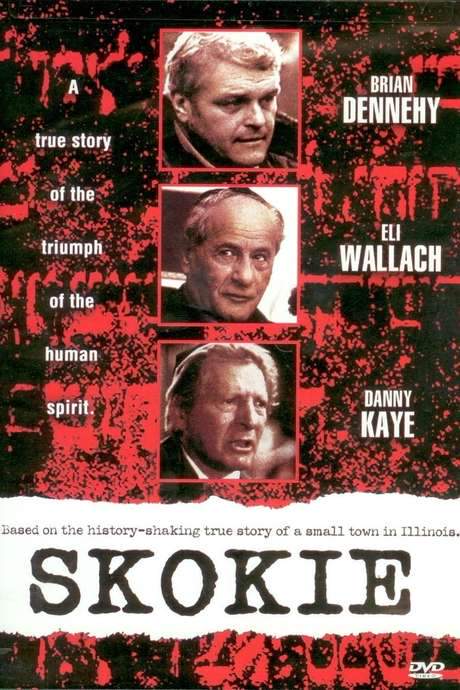
A dramatization of the controversial trial concerning the right for Neo-Nazis to march in the predominantly Jewish community of Skokie, Illinois.

Does Skokie have end credit scenes?
No!
Skokie does not have end credit scenes. You can leave when the credits roll.
Meet the Full Cast and Actors of Skokie
Explore the complete cast of Skokie, including both lead and supporting actors. Learn who plays each character, discover their past roles and achievements, and find out what makes this ensemble cast stand out in the world of film and television.
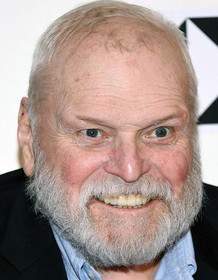
Brian Dennehy
Police Chief Arthur Buchanan

Eli Wallach
Bert Silverman
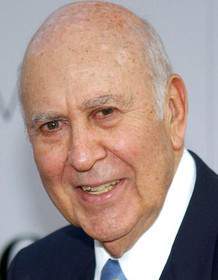
Carl Reiner
Abbot Rosen

Dan Conway
Anchorman
Nancy Cartwright
(uncredited)
John Rubinstein
Herb Lewisohn
Ed Flanders
Mayor Albert J. Smith
David Hurst
Sol Goldstein
Kim Hunter
Bertha Feldman

Chelcie Ross
Nazi
Danny Kaye
Max Feldman
Robin Bartlett
JDL Girl
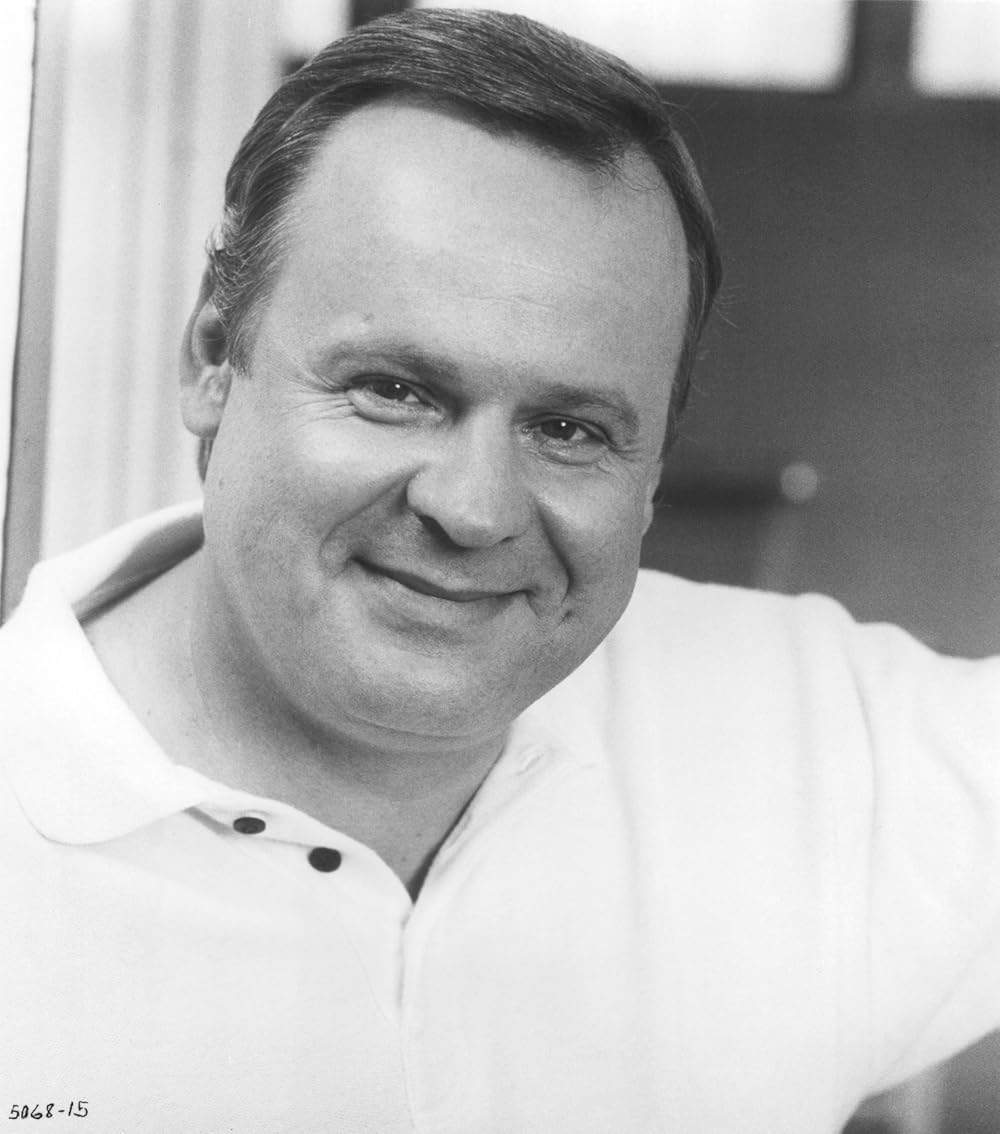
George Dzundza
Frank Collin
Lee Strasberg
Morton Weisman
Ruth Nelson
Grandma Jannsen
Charles Levin
Rabbi Steinberg
Marin Kanter
Janet Feldman
James Sutorius
David Hamlin
Herbert Wise
Beatrice Fredman
Survivor
Ned Schmidtke
Reporter
Jack Orend
Nazi
Ward Ohrman
Judge
Jack Callahan
Father Kelly
Ted Liss
Justice
Stephen D. Newman
Aryeh Neier
Taylor Williams
Reporter
Joseph Leon
Hershkowitz
Michele Shay
Sheila
Robin Morse
Penny Jannsen
Douglas Alan-Mann
Minister
Richard Cusak
Board Member
Harry Elders
Judge
Robert J. Jones Jr.
Reporter
Pamela Keith
Reporter
Dan Le Monnier
Murray
Mitch Litrofsky
C.A.R. Leader
Bob McCord
Bailiff
Marie Mathay
Phyllis
Patti Wilkus
Survivor
External Links and Streaming Options
Discover where to watch Skokie online, including streaming platforms, rental options, and official sources. Compare reviews, ratings, and in-depth movie information across sites like IMDb, TMDb, Wikipedia or Letterboxd.




Full Plot Summary and Ending Explained for Skokie
Read the complete plot summary of Skokie, including all major events, twists, and the full ending explained in detail. Explore key characters, themes, hidden meanings, and everything you need to understand the story from beginning to end.
In Skokie, a peaceful suburb just north of Chicago, the calm of daily life is upended when Frank Collin George Dzundza selects the town for a neo-Nazi rally. With a Jewish population that makes up a substantial share of the community—many survivors of the Holocaust—the locals understand that such a march would carry the weight of history into the present, reviving memories that many hoped would never return.
Two moderate leaders step into the breach to guide the response: Bert Silverman Eli Wallach and Abbot Rosen Carl Reiner. They advocate a policy of quarantine, arguing that the best course is to ignore the Nazis and refuse to feed the event with publicity. Their plan rests on a simple premise: if the community does not acknowledge the rally, it cannot gain traction in the public eye, and the threat will fade away without provoking a larger confrontation.
But not everyone agrees. A Holocaust survivor named Max Feldman Danny Kaye steps forward as a countervoice. He recalls the taunting whispers that accompanied the Nazi era in Germany and insists that silence can be lethal. “I was told to ignore them then, and I nearly paid with my life,” he says, and his fierce conviction—to act rather than abdicate—begins to sway neighbors who were leaning toward the quarantine approach. He makes it clear that this time he is prepared to take a stand, even to the point of risking bloodshed if necessary. His resolve electrifies the discussion and pushes many villagers to reconsider how they will respond to hate.
As the debate intensifies, a broad coalition begins to form around the idea of protest and public memory. The town’s policing and political leadership—led by Police Chief Arthur Buchanan Brian Dennehy and Mayor Albert J. Smith Ed Flanders—must balance civil rights, public safety, and the emotional stakes of a community determined not to forget. The question at the heart of their deliberations is whether there is a place for dissenting voices in the street while still preserving a space where history cannot be erased or ignored.
The film follows survivors, families, and ordinary residents as they navigate fear, memory, and moral duty. It captures the tension between protecting civil liberties and standing up to hatred, illustrating how a town can mobilize a peaceful counterstatement that honors those who suffered while confronting the danger posed by extremist rhetoric. Through meetings, demonstrations, and quiet, resolute acts, the narrative threads together how a community chooses its response in the face of an affront to humanity.
Throughout, the story emphasizes the fragile line between vigilance and vengeance, between memory and Macabre spectacle. It presents a nuanced, sober portrait of a community wrestling with the hardest questions: How do we honor the past without surrendering to fear in the present? How do we ensure that history’s darkest moments are neither repeated nor rewritten? And how does a town define its moral stance when confronted with a challenge that seeks to test its unity and resolve? The answer lies in collective courage, informed by memory, and guided by a steadfast commitment to never forget.

Coming soon on iOS and Android
The Plot Explained Mobile App
From blockbusters to hidden gems — dive into movie stories anytime, anywhere. Save your favorites, discover plots faster, and never miss a twist again.
Sign up to be the first to know when we launch. Your email stays private — always.
Explore the mobile appDiscover Film Music Concerts Near You – Live Orchestras Performing Iconic Movie Soundtracks
Immerse yourself in the magic of cinema with live orchestral performances of your favorite film scores. From sweeping Hollywood blockbusters and animated classics to epic fantasy soundtracks, our curated listings connect you to upcoming film music events worldwide.
Explore concert film screenings paired with full orchestra concerts, read detailed event information, and secure your tickets for unforgettable evenings celebrating legendary composers like John Williams, Hans Zimmer, and more.


Skokie Themes and Keywords
Discover the central themes, ideas, and keywords that define the movie’s story, tone, and message. Analyze the film’s deeper meanings, genre influences, and recurring concepts.
Skokie Other Names and Titles
Explore the various alternative titles, translations, and other names used for Skokie across different regions and languages. Understand how the film is marketed and recognized worldwide.
Similar Movies To Skokie You Should Know About
Browse a curated list of movies similar in genre, tone, characters, or story structure. Discover new titles like the one you're watching, perfect for fans of related plots, vibes, or cinematic styles.




Quick Links: Summary, Cast, Ratings, More

What's After the Movie?
Not sure whether to stay after the credits? Find out!
Check out our other apps:

SAT Sphere
Build confidence for the Digital SAT.

Mori Atlas
Discover wild places worth protecting.

Luntero
Search smarter for a home in Amsterdam.

Plot Explained
Unravel movie endings and hidden clues.

Pokechamp
Dive into Pokémon data and battle logic.

Driving Theory
Get ready for your European theory test.

Movie Dust
Plan your next cinema trip with ease.

Musemap
Find art and culture as you travel.

Selkobase
Compare credentials before committing.

Local Manual
Turn an unfamiliar country into practical next steps.

Lernavi
Compare school systems before your next move.

GymRoam
Find a workout stop wherever your plans take you.
Explore Our Movie Platform
New Movie Releases (2026)
Famous Movie Actors
Top Film Production Studios
Movie Plot Summaries & Endings
Major Movie Awards & Winners
Best Concert Films & Music Documentaries
Movie Collections and Curated Lists
© 2026 What's After the Movie. All rights reserved.
Privacy Policy