Seven Songs from the Tundra 2000


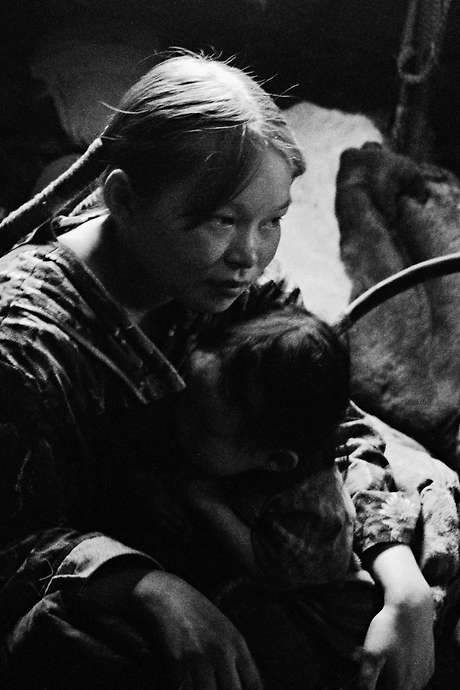
An anthology of stories about the indigenous Nenet peoples of the Northern Russian tundra, and how their way of life was disrupted by the advent of Soviet power.


Does Seven Songs from the Tundra have end credit scenes?
No!
Seven Songs from the Tundra does not have end credit scenes. You can leave when the credits roll.
Meet the Full Cast and Actors of Seven Songs from the Tundra
Explore the complete cast of Seven Songs from the Tundra, including both lead and supporting actors. Learn who plays each character, discover their past roles and achievements, and find out what makes this ensemble cast stand out in the world of film and television.

Igor Hudi
Hadko Japtik
Vitalina Hudi
Anatoli Hudi
Tajuda Hudi
Ivan Japtik
Arkadi Laptander
Viktor Pistsulin
Lidija Okotetto
Janina Serotetto
Aidar Ahmetzjanov
Aleksandr Bukrejev
Marija Pando
Dmitri Didenko
Andrei Pando
Verane Pando
Ivan Tusida
Hatjako Yzangi
Sergei Zabenin
Gregory Anaguritsi
Sergei Kotsherov
Fjodor Kovganko
Andrei Soljanov
Gennadi Puikko
Pjotr Tuboltsev
Olga Antonen
Natalia Averjanova
Anastasija Hudi
Nikolai Bykov
Denis Hudi
Jana Hudi
Jevgeni Hudi
Radik Hudi
Gennadi Konopatski
Vytsu Lapsui
Marija Shevtshenko
Olga Sytnik
Timur Sytnik
Oksana Tregubova
Valentina Vahnina
Nadezha Volodeeva
Sergei Harjutshi
Anton Horolja
Maksim Horolja
Nadezhda Horotetto
Valerija Horotetto
Vera Horotetto
Papakotsha Hudi
Marija Jadne
Svetlana Jadne
Vika Serotetto
Zhenja Serotetto
Elena Tadibe
Jevgenija Vanuito
Ruslan Vanuito
Alla Vengo
Sergei Volkov
Lidija Zautoshvili
External Links and Streaming Options
Discover where to watch Seven Songs from the Tundra online, including streaming platforms, rental options, and official sources. Compare reviews, ratings, and in-depth movie information across sites like IMDb, TMDb, Wikipedia or Rotten Tomatoes.






Take the Ultimate Seven Songs from the Tundra Movie Quiz
Challenge your knowledge of Seven Songs from the Tundra with this fun and interactive movie quiz. Test yourself on key plot points, iconic characters, hidden details, and memorable moments to see how well you really know the film.
Seven Songs from the Tundra Quiz: Test your knowledge of the 2000 film "Seven Songs from the Tundra", which presents seven vignettes of Nenets life under Soviet influence.
Which animal is central to the opening vignette titled "Sacrifice"?
Full Plot Summary and Ending Explained for Seven Songs from the Tundra
Read the complete plot summary of Seven Songs from the Tundra, including all major events, twists, and the full ending explained in detail. Explore key characters, themes, hidden meanings, and everything you need to understand the story from beginning to end.
Sacrifice
In this opening vignette, a community of Nenets gathers beneath a solitary tree in the vast tundra, their ceremony marked by antlers, a small bell, and the ritual of killing a reindeer. The blood of the animal is coaxed onto the trunk to anoint it, and the severed head rests at the tree’s base as the group settles in to share a stark, intimate meal. They drink reindeer blood from ceramic cups and pass the meat around, a ritual that binds them to the land and to one another. The scene feels both austere and ceremonial, a meditation on life, death, and the reciprocity between people and animals in a world shaped by cold, wind, and seasons. The tone is hushed and respectful, letting the viewer observe how tradition persists even as the winds of change begin to blow across the tundra.
The Bride
A Nenets girl carries a playful, flirtatious spark as she navigates the dynamics of village life, where the attentions of the young men are a constant presence. When news arrives that she has been promised to a man from another village, she leaves with him, only to slip away on the return journey and return home in a moment of quiet rebellion. Her mother’s response is stern, framing the girl’s autonomy within a strict code of obedience, while the mother’s insistence on duty contrasts with the girl’s own desires. A montage follows, showing the girl in a demanding cycle of work—mending clothes, cleaning hides, washing dishes, and tending to boots—so hard that her eyes well with tears. The men she was promised to begin to treat her as a servant, and her outburst—“You swore eternal love to me when my brothers were alive”—speaks to a deeper sense of betrayal and lost innocence. One of the men admits, with a hint of regret, “I must’ve been drunk if something like that slipped out of my mouth.” The narrative culminates years later as she moves through her life, eventually crossing paths with the man she would have married and lamenting the passage of beauty and innocence she once possessed. The story captures the friction between personal agency and the social arrangements that bind communities to tradition and to one another.
An Independent Person
A Nenets man works the wood when four Soviet soldiers arrive, accompanied by a Nenets translator, who announces the arrival of kolkhoz and the need to seize the man’s reindeer. The elder man tries to insist on a cooperative, easygoing ethos—“If this Kolkoze is poor, then of course we help him. It’s the way things are here on the tundra.” But the translator frames the man as shrewd and evasive, painting him as someone who resists the new order. The clash escalates as the soldiers and the man are set against each other, and in the end, a soldier draws a gun. The tension foregrounds the collision between indigenous life and centralized, coercive authority, and it leaves an impression of power that can override ordinary consideration for years of tradition.
God
Two Nenets men pause at a Lenin statue to share a quiet drink and a small meal in a town square. One of them—a war veteran—speaks of the war years, recalling how he once poured vodka on the ground and prayed to Lenin that bullets would miss him. He remembers the devastation of Vesyoly Village, the wounds he endured, and the dead it left behind, and he bitterly notes the statue as he points to the city he once protected: “I protected Lenin’s city, Leningrad.” A white man in a suit interrupts, offering a seat and then instructing colleagues to move the veterans along. The Nenets explain that they were simply praying for good weather and a bountiful catch before heading out to fish. The soldiers mock the idea that Lenin could be a god, underscoring a persistent tension between reverence, memory, and the secular, bureaucratic attitudes of the era.
Enemies of the People
Inside a log cabin, a group of Russian women—old, young, related and not—sing and dance to keep their spirits up as the Nenets around them move with a mix of endurance and fatigue. A young girl named Olesya gazes longingly toward the yard, while a Nenets boy watches from a distance, his mother warning him not to look at those exiled from their homeland. The Commissar arrives with reports and receipts, pushing for perfect records even as the group laments their heavy workload and the demands of schooling. The leader, Ivan, offers hospitality, but the Commissar refuses, declaring, “You’re not people. You’re enemies of the Soviet power. I’d rather swallow smoke or feed mosquitoes in a tepee.” The scene deepens as Olesya slips outside to the lake, watching a Nenets couple in a rowboat and smiling at their simple joy. Ivan speaks of a life marked by hardship, wishing aloud that the people he loves could live differently. The Russian visitors and the Nenets share stories and memories by the fireside, and as the day ends, Mashka and Olesya deliver a missing report on the fish. The Commissar’s stern judgment remains, but the final line offers a glimmer of resilience: “Don’t worry, tomorrow will be better.”
Syako
Syako, a young Nenets girl, prays to the gods for invisibility so that the Russian schoolteachers won’t locate their dwelling. The family’s struggle to move or stay, to preserve their way of life while facing the demands of collective life, becomes a central thread. A white man and a Nenets keeper arrive with orders: the summer and autumn work is finished and new goals are set, with a blunt insistence on the visibility of Soviet symbols—pictures of Stalin and Lenin—everywhere. The father voices concern that their daughter is not ready for school, noting that other children tease her developmentally, while the mother fiercely resists the idea of sending her daughter away. The white man insists, “She’s nine years old, she must go to school. […] You’ll destroy her future.” The mother’s retort is defiant, announcing she will not surrender her daughter to assimilation, and the family’s struggle culminates in a forceful separation as Syako is taken to school, with the mother pursuing the scene in a desperate, futile chase.
Lullaby
The final beat is a quiet, intimate moment: a Nenets woman sings to soothe a newborn, a tender counterpoint to the external pressures that ripple through the earlier stories. The lullaby feels both personal and universal, a moment of calm that underscores the continuity of life and care in the face of upheaval.
The film as a whole presents seven almost fable-like vignettes that together sketch a portrait of life on the tundra under the weight of Soviet collectivation and modernization. Each story balances moments of intimate humanity with the broader political currents of the era, conveying both resilience and vulnerability in equal measure. The atmosphere is contemplative, the imagery stark and expansive, and the moral tone remains restrained and humane, inviting viewers to witness how tradition, memory, and power intertwine in the lived experiences of the Nenets people.

Coming soon on iOS and Android
The Plot Explained Mobile App
From blockbusters to hidden gems — dive into movie stories anytime, anywhere. Save your favorites, discover plots faster, and never miss a twist again.
Sign up to be the first to know when we launch. Your email stays private — always.
Explore the mobile appDiscover Film Music Concerts Near You – Live Orchestras Performing Iconic Movie Soundtracks
Immerse yourself in the magic of cinema with live orchestral performances of your favorite film scores. From sweeping Hollywood blockbusters and animated classics to epic fantasy soundtracks, our curated listings connect you to upcoming film music events worldwide.
Explore concert film screenings paired with full orchestra concerts, read detailed event information, and secure your tickets for unforgettable evenings celebrating legendary composers like John Williams, Hans Zimmer, and more.


Seven Songs from the Tundra Themes and Keywords
Discover the central themes, ideas, and keywords that define the movie’s story, tone, and message. Analyze the film’s deeper meanings, genre influences, and recurring concepts.
Seven Songs from the Tundra Other Names and Titles
Explore the various alternative titles, translations, and other names used for Seven Songs from the Tundra across different regions and languages. Understand how the film is marketed and recognized worldwide.
Similar Movies To Seven Songs from the Tundra You Should Know About
Browse a curated list of movies similar in genre, tone, characters, or story structure. Discover new titles like the one you're watching, perfect for fans of related plots, vibes, or cinematic styles.






Quick Links: Summary, Cast, Ratings, More

What's After the Movie?
Not sure whether to stay after the credits? Find out!
Check out our other apps:

SAT Sphere
Build confidence for the Digital SAT.

Mori Atlas
Discover wild places worth protecting.

Luntero
Search smarter for a home in Amsterdam.

Plot Explained
Unravel movie endings and hidden clues.

Pokechamp
Dive into Pokémon data and battle logic.

Driving Theory
Get ready for your European theory test.

Movie Dust
Plan your next cinema trip with ease.

Musemap
Find art and culture as you travel.

Selkobase
Compare credentials before committing.

Local Manual
Turn an unfamiliar country into practical next steps.

Lernavi
Compare school systems before your next move.

GymRoam
Find a workout stop wherever your plans take you.
Explore Our Movie Platform
New Movie Releases (2026)
Famous Movie Actors
Top Film Production Studios
Movie Plot Summaries & Endings
Major Movie Awards & Winners
Best Concert Films & Music Documentaries
Movie Collections and Curated Lists
© 2026 What's After the Movie. All rights reserved.
Privacy Policy