







Culture
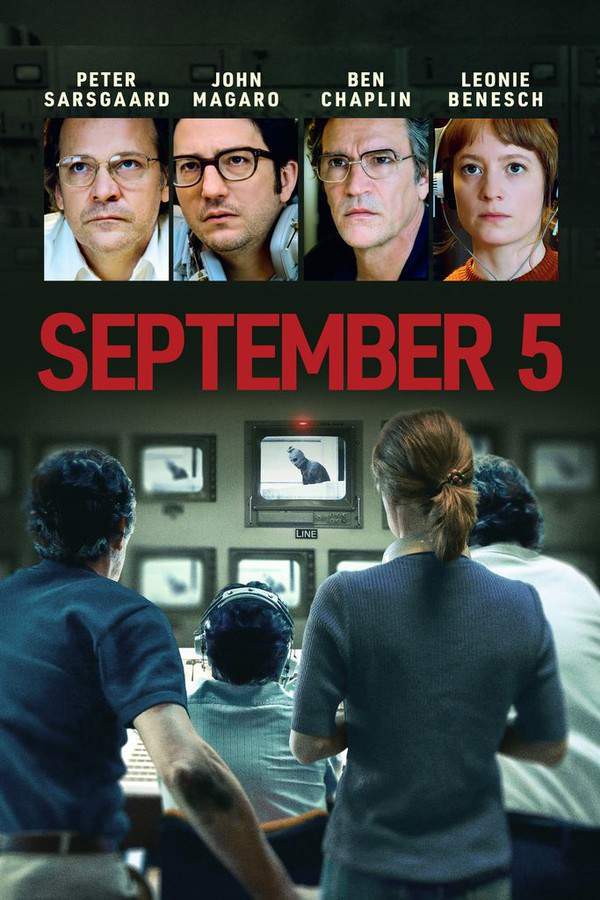
September 5 is a 2024 historical thriller directed by Tim Fehlbaum, starring Peter Sarsgaard as Roone Arledge, Benjamin Walker and Ben Chaplin. It runs 1 hour 31 minutes and earned $8.2 million worldwide. It was nominated for 1 Oscar. Critics gave it 76 on Metacritic, and IMDb users rate it 7.1/10.
 English
 The premise of September 5 without spoilers. The whole story and the ending explained are in the plot summary further down.
During the 1972 Munich Summer Olympics, an American sports broadcasting team finds themselves unexpectedly covering a crisis when Israeli athletes are taken hostage. The film explores the events through their perspective, offering a unique look at the live broadcast that was watched by an estimated one billion people worldwide.
Peter Sarsgaard leads the cast as Roone Arledge, with Benjamin Walker as Peter Jennings and Ben Chaplin as Marvin Bader. Directed by Tim Fehlbaum; 8 actors are credited in all.
 Peter Sarsgaard as Roone Arledge
  Benjamin Walker as Peter Jennings
 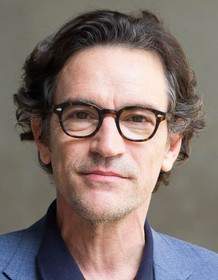 Ben Chaplin as Marvin Bader
  Leonie Benesch as Marianne Gebhardt
 Critics gave September 5 76 on Metacritic, and IMDb users rate it 7.1/10. Our Echo Score gives it 84/100, strongest in art & craft (90) and weakest in rewatch factor (70).
September 5 exhibits strong technical proficiency and sustained engagement, though its tight focus can feel limiting. The film’s editing and cinematography are repeatedly praised for creating urgency and blending archival footage with drama. Performances convey clear emotional stakes, even if some viewers desire deeper contextualization. Overall, its concentrated narrative and polished craft result in a compelling historical drama with enduring impact.
Our own 0–100 rating, built from five aspects: art, character, story, the sensory experience and how well a film rewatches.
In terms of art and craft, September 5 excels with precise editing and deliberate production design. Observers highlight the brisk pacing achieved by the editor and the seamless blending of archival footage with dramatic sequences. The visual style is noted for its restrained color palette and coherent stage-like settings. Overall, the film presents a polished technical package.
When it comes to character and emotion, the ensemble cast delivers consistently clear performances. Critics and viewers describe the acting as confident, noting the chemistry among journalists and the emotional stakes during moments of crisis. Although some feel the characters lack deeper geopolitical context, most praise their ability to convey tension and human vulnerability. Together, the performances sustain audience engagement.
Regarding story and flow, September 5 maintains strong momentum through a focused, single-day framework. Multiple reviewers commend the nail-biting pacing and coherent structure, which underscores the urgency of live reporting. However, some express that the narrow lens omits broader context, leaving certain narrative nuances underexplored. Ultimately, the film offers a compelling but streamlined historical account.
From a sensory standpoint, the film delivers a restrained yet effective audiovisual experience. The score underscores newsroom tension without overwhelming the dialogue, and the sound design realistically captures breaking news ambiance. Visually, the use of archival material melds seamlessly with staged sequences, establishing a cohesive aesthetic. Overall, the sensory elements reinforce narrative immersion.
In terms of rewatch value, September 5 offers a tense first viewing but varies in lasting appeal. Many viewers appreciate its concise runtime and immersive atmosphere, yet some note that replaying the film reveals limited new insights due to its narrow focus. Nonetheless, the film’s measured construction and dramatic highlights invite selective revisiting for its technical prowess.
 IMDb
IMDb 7.1 /10
36913 votes
See on IMDb Metacritic
 76 Metascore
User score 6.5
See on MetacriticWhat happens in September 5 from start to finish, spoilers included, with a timeline of 13 key events and the ending explained. The opening is below; the full summary is a 3-minute read.
Spoilers ahead
During the 1972 Summer Olympics in Munich, the ABC Sports crew presides over what appears to be a spirited and relatively uneventful Games coverage. When Mark Spitz wins gold in the swimming event over a West German competitor, ABC Sports president Roone Arledge, Peter Sarsgaard, dramatizes the moment by cutting to the rival’s reaction and planning to introduce the subjects of the Holocaust and Nazi Germany during a live interview with the Jewish Spitz. When Marvin Bader, Ben Chaplin, head of operations, questions the decision, Arledge reminds him of the importance of emphasizing emotions over politics to make an effective broadcast.
Full summary
The whole story of September 5, scene by scene, with the ending explained
September 5 grossed $8.2 million worldwide. $2.5 million came from the US and Canada and $5.7 million (70%) from the rest of the world.
Worldwide gross
$8.2M
September 5 was nominated for 1 Oscar. The 7 nominations come from 6 ceremonies, the most at the Critics' Choice 2025.
7 nominations6 ceremonies


17 videos: 1 trailer, 3 clips, 11 featurettes and 2 behind-the-scenes videos.
10 questions about the story, each with a hint if you get stuck. Pick an answer to see whether you were right.
Question 1 of 10
Which American swimmer won a gold medal at the 1972 Munich Olympics featured in the film?
30 alternative titles, including “September 5 - The Day Terror Went Live” and “ה-5 בספטמבר”.
Seen September 5?
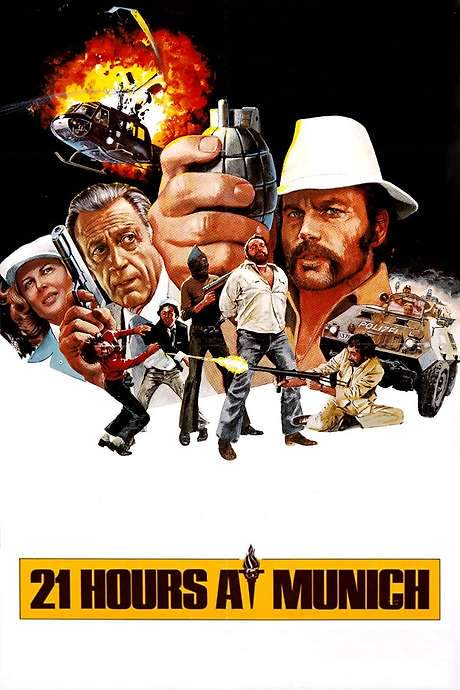
Films with a similar story, tone or audience, including Munich, 21 Hours at Munich and September Tapes.
4 articles about September 5. The latest: “The Ultimate 2025 Oscars Nominations Guide: Surprises, Snubs, and Must-Know Insights”.


Runtime, release date, director, cast, box office, ratings, awards and post-credit scenes of September 5, each answered in a sentence.
September 5 runs 1 hour 31 minutes (91 minutes).
September 5 was released on December 13, 2024.
September 5 was directed by Tim Fehlbaum.
More films by Tim FehlbaumSeptember 5 stars Peter Sarsgaard as Roone Arledge, Benjamin Walker as Peter Jennings and Ben Chaplin as Marvin Bader, among 8 credited actors.
September 5 grossed $8.2 million worldwide ($2.5 million domestic, $5.7 million international).
September 5 has 7.1/10 on IMDb and 76 on Metacritic.
September 5 received 7 nominations across 6 ceremonies.
No. September 5 has no extra scene during or after the credits.
Coming soon to your phone
From blockbusters to hidden gems: plot summaries, endings explained and timelines on your phone. Save your favorites and never miss a twist again.
Be the first to know when it launches. Your email stays private, always. Learn more about the app
