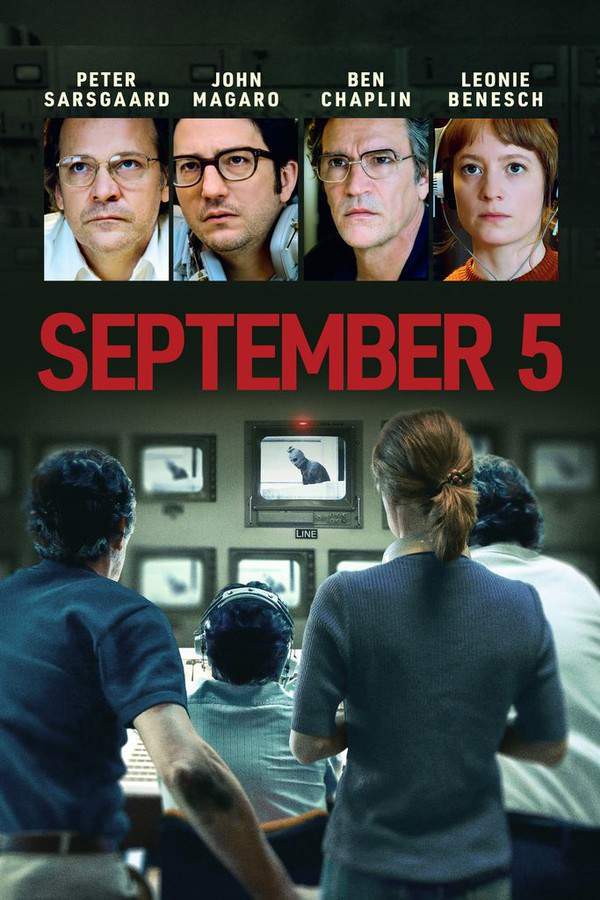
What Is September 5 About?
The premise of September 5 in 319 words, with nothing given away. The full story and the ending follow below.
In the summer of 1972, the world gathers in Munich for the Olympic Games, a showcase of athletic triumphs and international camaraderie. The film places us inside the bustling hub of an American sports‑broadcast team, whose primary mission is to bring the excitement of the Games into living rooms across the globe. The atmosphere is bright and competitive, marked by the triumph of swimmers and the dazzling pageantry of a nation eager to celebrate sport’s purest ideals.
When the competition is underway, the crew’s hierarchy is put into sharp relief. Roone Arledge, the charismatic president of the network, treats each moment as a chance to deepen the narrative, pushing his staff toward ever‑larger emotional stakes. Opposite him, Marvin Bader, the head of operations, serves as the voice of caution, reminding the team that their choices carry weight beyond ratings. Geoffrey Mason, who runs the control room, thrives on the immediacy of live television, constantly juggling logistics and ambition. Guiding them through language and cultural nuance is Marianne Gebhardt, a local translator whose insight becomes essential as events spiral beyond sport.
As the broadcast rolls, the crew suddenly confronts a crisis that threatens to upend everything they thought they were covering. The shift from celebrating athletic excellence to documenting a rapidly unfolding emergency forces them to reckon with the power of the medium they wield. The tone grows taut, threaded with the urgency of live TV, the ethical pull of journalistic responsibility, and the high‑stakes pressure of an audience that could number in the hundreds of millions.
Against the backdrop of 1970s Munich, the film explores how a group of professionals, each driven by distinct motives, navigate an unprecedented moment in history. Their interactions—ambition clashing with conscience, optimism battling panic—create a compelling portrait of a world where the line between sport and tragedy blurs, leaving viewers to wonder how the story will be told when the cameras can’t look away.
What Happens in September 5?
The complete story of September 5, from the first scene to the last, in 683 words (about 3 minutes). Spoilers throughout. Names in the text link to 4 cast member pages.
Spoilers ahead
During the 1972 Summer Olympics in Munich, the ABC Sports crew presides over what appears to be a spirited and relatively uneventful Games coverage. When Mark Spitz wins gold in the swimming event over a West German competitor, ABC Sports president Roone Arledge, Peter Sarsgaard, dramatizes the moment by cutting to the rival’s reaction and planning to introduce the subjects of the Holocaust and Nazi Germany during a live interview with the Jewish Spitz. When Marvin Bader, Ben Chaplin, head of operations, questions the decision, Arledge reminds him of the importance of emphasizing emotions over politics to make an effective broadcast.
During the night, gunshots are heard in the distance. The crew listens to police broadcasts, aided by Marianne Gebhardt, Leonie Benesch, the crew’s local translator, and gradually learn that a terrorist attack is occurring: The terrorist group Black September has broken into the apartment housing the Israeli team and taken the athletes hostage, demanding the release of hundreds of Palestinian terrorist prisoners. Seeing an opportunity for a compelling story, Geoffrey Mason, John Magaro, the head of the control room, quickly organizes the crew to pivot to cover the hostage crisis instead. Along with Arledge, he takes pragmatic steps to turn the story into a gripping sensation, negotiating more advantageous time slots and even forging identification so that a crewmember can access the now-restricted Olympic village. Although most of the crew is enthusiastic and confident that the conflict will be resolved quickly and successfully, a dismayed Bader reminds Mason and Arledge that the lives of real people are at stake and warns them of the potential impact on the terrorists’ narrative.
Throughout the day, the crisis worsens due to failed negotiations and mistakes from an unprepared local police force. Countless news stations jockey for the latest news and glimpses of the standoff, inciting Mason to become more competitive in covering the story. At one point, the crew realizes that the terrorists are watching their program, which ruins an attempted rescue. Law enforcement officers storm the control room and threaten the crew at gunpoint to turn off the broadcast, but Mason ultimately refuses. The terrorists are eventually transported with their hostages to the military airport of Fürstenfeldbruck, and Mason sends Marianne there for coverage, cynically including sound equipment in case a shootout takes place.
Marianne, at the airport with other news crews, reports to Mason that the hostages are rumored to be free, which is apparently confirmed by ZDF. Bader implores Mason to hold off on reporting until the information is confirmed, as the other stations will follow suit, but Mason is unwilling to lose the scoop and has the news announced, albeit with the caveat that the station qualifies its report by stating that the unconfirmed developments are what is currently being reported from its sources. Bader is furious but is pacified when Mason soon receives an official fax from German chancellor confirming the group’s rescue. As the crew celebrates and Mason pivots to planning interviews with the survivors, Bader leaves to celebrate with Arledge. As he watches a live, televised ABC interview with Conrad Ahlers, acting as a spokesperson for the German government, Ahlers speaks of the resolution to the crisis in an optimistic future tense. Realizing that the reports the studio received were all incorrect, a horrified Bader contacts an inside source and learns that the rescue attempt failed and all the hostages were in fact murdered.
Sobered, Mason has Jim McKay correct the live broadcast. Arledge nevertheless commends him for an excellent job, while Marianne mourns that yet more innocent lives were lost on German soil, and she and countless other reporters had been at the airport, focused only on getting a scoop while lives were being lost. The crew heads home, and after closing up, Mason lingers to view the studio’s bulletin board featuring photos of the victims.
A closing title card reveals that the event was the first time a terrorist attack had been broadcast on live television and was viewed by an audience of approximately 900 million, making it one of the most viewed broadcasts in history.
September 5 Timeline: Every Key Event in Order
13 key events in the order they happen, from “Spitz victory and pivot to emotional storytelling” to “Closing: a historic, controversial broadcast”. 13 events name a place, across 10 locations.
- 1
Spitz victory and pivot to emotional storytelling
As Mark Spitz wins gold, Roone Arledge plans to dramatize the competitor's reaction and segue into a broader discussion of the Holocaust and Nazi Germany during a live interview. The move is framed as a shift from pure sports reporting to emotionally charged storytelling. The team anticipates that emotions will captivate the audience.
When:Daytime during the Games Where:ABC Sports studio / Olympic venue
- 2
Internal pushback on the pivot
Marvin Bader questions the decision to foreground politics and history in the live coverage. Arledge defends the move, arguing that emotional storytelling drives engagement. The tension foreshadows a clash between journalistic ambition and ethical concerns.
When:Daytime Where:ABC control room
- 3
Night tremor: gunshots and hostage crisis begins
Gunshots are heard during the night as police broadcasts roll in. Marianne, the local translator, helps the crew understand that a terrorist attack is unfolding. The Black September group has taken Israeli athletes hostage and demands prisoner releases.
When:Night Where:Apartment housing housing the Israeli team, Munich
- 4
Crisis coverage takes precedence
Geoffrey Mason shifts the focus from sports to the hostage crisis, reorganizing the crew for live coverage. He negotiates a more advantageous time slot and even fabricates access to the restricted Olympic village to secure footage. The team trades confidence for urgency as the situation deepens.
When:Night Where:Control room
- 5
Forging access, chasing the scoop
Mason and the team push boundaries to obtain footage, including creating forged identification to enter the village. They believe the escalating crisis will provide a gripping, ratings-driven story. Bader remains wary that real lives are at stake.
When:Night Where:Olympic village / control room
- 6
Ethics under pressure
As negotiations fail and police missteps unfold, the crew becomes more competitive for updates, risking sensationalism. Bader warns about the consequences of a story that could manipulate the terrorists' narrative. The mood grows tense in the control room.
When:Night Where:Control room
- 7
The broadcast interferes with a rescue
The terrorists are watching the networks and notice the live coverage, undermining a rescue attempt. Authorities storm the control room and threaten to turn off the broadcast, but Mason refuses to bow to pressure. He continues reporting despite the danger of tipping off the militants.
When:Night Where:Broadcast control room
- 8
Hostages moved to the airbase
The terrorists transport the hostages to Fürstenfeldbruck military airport. Mason sends Marianne to cover the developments, even taking sound equipment to capture potential gunfire. The crew tries to stay ahead with live updates as the operation unfolds far from the studio.
When:Night to early morning Where:Fürstenfeldbruck airbase
- 9
Rumors and confirmation drama
Marianne reports rumors that the hostages may be freed, a development German outlets are allegedly confirming. Bader urges caution and asks for verification before broadcasting. Mason pushes ahead with the report, noting that it is based on current sources.
When:Night Where:Fürstenfeldbruck airbase
- 10
A supposed breakthrough and a supposed victory
Mason receives an official fax from the German chancellor claiming a rescue, prompting celebration in the studio. The plan shifts toward interviews with survivors and a victorious narrative. Bader leaves to celebrate with Arledge.
When:Late night Where:ABC studio
Show the other 3 events of September 5 Hide the last 3 events
- 11
The truth dawns: tragedy revealed
Sobered, Mason corrects the live broadcast after learning the rescue was a failure and all hostages were murdered. The studio atmosphere shifts from triumph to horror as the magnitude of the loss sinks in. Arledge attempts to acknowledge the error, while Marianne mourns the lives lost.
When:Shortly after the erroneous report Where:Studio
- 12
Aftermath and reflection
The team heads home, but Mason lingers to inspect the victims' photos on the bulletin board in the studio. The tragedy exposes the cost of chasing a scoop and the human toll of real-world events broadcast live. The mood is sober and reflective as reports close.
When:Post-broadcast Where:Studio
- 13
Closing: a historic, controversial broadcast
A closing title card notes that the attack marked the first time such an event was broadcast live, watched by roughly 900 million people. The program is framed as both a milestone in news history and a cautionary tale about ethics and sensationalism. The film leaves a lasting impression of the price of live, unfiltered coverage.
When:End Where:Screen / Closing credits
Who Are the Main Characters in September 5?
8 characters, among them Hank Hanson (Corey Johnson), Geoffrey Mason (John Magaro) and Roone Arledge (Peter Sarsgaard): who each one is and the part they play in the story. Every profile links to the actor’s page.
-
Hank Hanson (Corey Johnson)
Played by Corey Johnson
A member of the ABC Sports crew; positioned within the operations team as the crisis unfolds. He experiences the pressure of balancing coverage demands with the realities on the ground. His stance reflects the human side of a newsroom under siege, navigating ethics and deadlines.
- 🎬 Crew Member
- 🗺️ Operations
- 🧭 Ethics
-
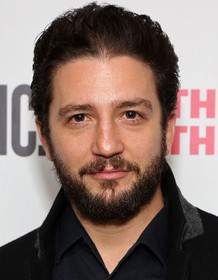
Geoffrey Mason (John Magaro)
Played by John Magaro
Head of the control room who sees the hostage crisis as a high-stakes story to own. He pushes for aggressive coverage, prioritizing speed and sensational angles. His ambition exposes the tension between journalistic drive and the welfare of those involved.
- 🎯 News Leader
- 🧭 Ethics
- 🗝️ Control
-
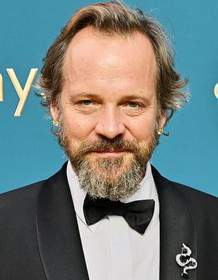
Roone Arledge (Peter Sarsgaard)
Played by Peter Sarsgaard
ABC Sports president who advocates using emotions over politics to shape a compelling broadcast. He orchestrates coverage shifts and strategic decisions to maximize impact. His choices reveal the power and peril of live, story-driven television.
- 🎤 Executive
- 🧭 Ethics
- 🗺️ Strategy
-

Marianne Gebhardt (Leonie Benesch)
Played by Leonie Benesch
The local translator who helps the crew access information and navigate the crisis. She becomes a witness to the coverage’s human cost as lives unfold around the broadcast. Her perspective adds a grounding, empathetic counterpoint to the newsroom’s frenzy.
- 🗣️ Translator
- 🗺️ Witness
- 📰 Reporter
-
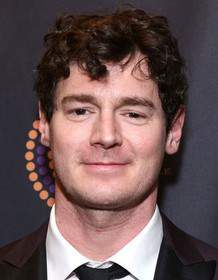
Peter Jennings (Benjamin Walker)
Played by Benjamin Walker
A senior on-air figure who anchors the post-crisis coverage and interacts with officials. He symbolically represents the newsroom’s authority and its responsibility to report truthfully. His role underlines the stakes of presenting evolving, uncertain information.
- 🎤 Anchor
- 🧭 News Integrity
-
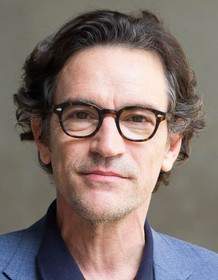
Marvin Bader (Ben Chaplin)
Played by Ben Chaplin
Head of operations who questions the ethics of sensationalism and the rush for a scoop. He warns about the human cost and the danger of a compromised, rushed broadcast. He embodies the tension between operational pragmatism and moral responsibility.
- ⚖️ Operations
- 🧭 Ethics
- DS
Director Swim Race (Daniel Betts)
Played by Daniel Betts
Broadcast director coordinating the live feed and control-room logistics. He attempts to maintain order and timing as the crisis consumes airtime. His role highlights the technical side of turning events into a televised narrative.
- 🎛️ Director
- 🎯 Broadcast
- RA
Roone's Assistant (Solomon Mousley)
Played by Solomon Mousley
An aide to Roone Arledge who assists with operations and access logistics. He is part of the inner circle coordinating the crew’s response to the unfolding crisis. His presence underscores the scale and delegation behind a major live broadcast.
- 🧰 Assistant
- 🗺️ Logistics
Where and When Is September 5 Set?
September 5 is set in Munich, Olympic Village and Fürstenfeldbruck (Early September 1972). Here is why the time and place matter to the story.
When
Early September 1972
The events occur during the 1972 Munich Games, a moment of international attention and political tension. The period is marked by the rise of live television coverage and rapid, far-reaching reporting. The crisis transforms a sports broadcast into a global news event.
Where
Munich, Olympic Village, Fürstenfeldbruck
Set in Munich during the 1972 Summer Olympics, the story unfolds across the city’s venues and the nearby Fürstenfeldbruck airbase. The film juxtaposes the festive Olympic atmosphere with a sudden, deadly crisis. A translator and a tight-knit news crew navigate the chaos while real lives hang in the balance.
- 🏟️ Olympics setting
- 📰 Live broadcasting
- 🗺️ Crisis site
What Are the Themes of September 5?
2 ideas the story keeps returning to, among them Media Ethics and Crisis Coverage.
-
01
Media Ethics
The film probes the pressures of live coverage and the pull of ratings over people’s safety. Executives push for emotional, sensational moments to maximize viewership, sometimes at the expense of accuracy. The crew’s decisions reveal how broadcast priorities can shape public perception. The result is a meditation on responsibility in a media-saturated era.
-
02
Crisis Coverage
A terrorist siege forces the newsroom to pivot from a planned feature to ongoing surveillance of a lethal event. The crew negotiates time slots, access, and identification to maintain the broadcast, blurting out information as it comes in. This raises questions about truth, timing, and the cost of scoops when lives are at stake. The narrative underscores the moral weight of reporting in a crisis.
How Does September 5 End?
The last act of September 5 and what it means, in 254 words. The ending lands as sad. Big spoilers: read the plot summary first if you have not seen it.
The final act, in full
The ending of September 5 reveals that the media team’s relentless pursuit of breaking the news during the Munich hostage crisis ultimately leads to tragic consequences. As the German police transfer the terrorists and hostages to a nearby airport, the ABC team, eager to be the first to report the latest developments, rushes to broadcast the events live. Geoffrey Mason, taking a significant risk, shares unverified information about the hostage situation’s resolution, believing it to be true after hearing reports from other channels. This decision seems to give the team a moment of triumph, but it quickly turns into a devastating mistake. In reality, the terrorists had murdered all the hostages before being killed themselves, and the police had lost a life in the process. The information Mason aired was false—based on rumors rather than confirmed facts—and this false report leads to a tragic misrepresentation of the true outcome. The film ends on a poignant note, showing Mason mournfully reflecting on the consequences of his choices and the toll that obsession with breaking news can take. It highlights how the drive for immediate reporting can sometimes overshadow ethics and compassion, ultimately resulting in the loss of innocent lives and a distorted version of reality. The ending serves as a stark commentary on the dangerous power of media and the responsibilities journalists face in moments of crisis. It’s a sobering reminder that in journalism, haste and sensationalism can have heartbreaking consequences, and that true professionalism requires restraint and verification in even the most urgent situations.
What Kind of Film Is September 5?
Tense in tone, with fast pacing and a straightforward story, going by the plot summary.
- Tone
- Tense
- Pacing
- Fast
- Story
- Straightforward
- Intensity
- High
- Ending
- Sad
An intensely stressful and fast-paced thriller that immerses the viewer in the chaotic real-time coverage of a terrorist attack, building unbearable tension that culminates in a devastating and tragic conclusion.
- anxious
- grim
- urgent
- sobering
- tense
- dramatic
- terrorism
- media ethics
- hostage crisis
- broadcast journalism
Content notes: terrorist attack, hostage situation, murder, gun violence.
Quiz
How well do you remember September 5? Test yourself on the story.
Where to Watch September 5
Stream it on Amazon Prime Video and fuboTV, or rent or buy it from Amazon Video and Apple TV Store. US availability and prices from JustWatch.
Stream 9
 Amazon Prime Video
  Amazon Prime Video with Ads
  fuboTV
  MGM+ Amazon Channel
  Paramount Plus Essential
  Paramount Plus Premium
  Paramount+ Amazon Channel
  Paramount+ Roku Premium Channel
  Philo
Philo 







Streaming availability in the US, powered by