
Section 375 (2019): Cast, Ratings, Box Office & Where to Watch
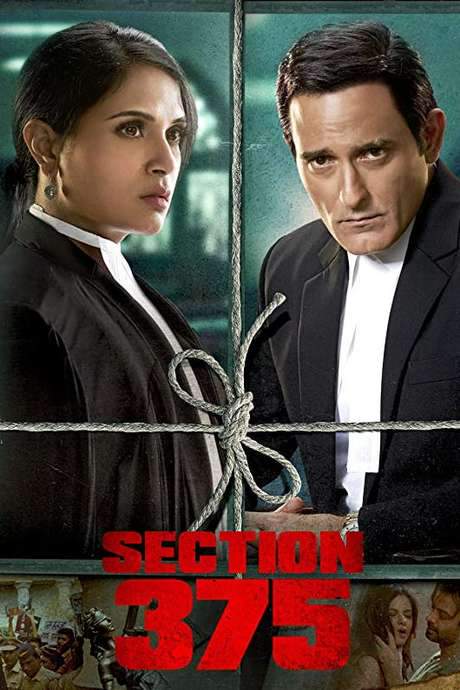
Section 375 is a 2019 crime thriller directed by Ajay Bahl, starring Rahul Bhat as Rohan Khurana, Shriswara and Meera Chopra. It runs 2 hours 4 minutes and earned $129,916 worldwide. Its Echo Score is 78/100. Stream it on Amazon Prime Video.
- Released
- Runtime
- 2h 4m (124 min)
- Director
- Ajay Bahl
- Original language
-
 Hindi
Hindi - Studio
- Panorama Studios
- After the credits
- No No extra scene
What Is Section 375 About?
The premise of Section 375 without spoilers. The whole story is in the plot summary further down.
A filmmaker stands trial when a costume assistant on his movie accuses him of rape
Section 375 Themes & Keywords
· 7 tags- courtroom drama
- rape case
- wrongfully convicted
- reference to pubic hair
- pubic hair
- legal drama
- surprise ending
Where to Watch Section 375
Stream it on Amazon Prime Video. US availability and prices from JustWatch.
 Amazon Prime Video
  Amazon Prime Video with Ads
 Streaming availability in the US, powered by 
Section 375 Cast & Characters
Rahul Bhat leads the cast as Rohan Khurana, with Shriswara as Kainaaz Khurana and Meera Chopra as Anjali Damle. Directed by Ajay Bahl; 28 actors are credited in all.
- Director Ajay Bahl
- Rahul Bhat as Rohan Khurana
- Shriswara as Kainaaz Khurana
- Meera Chopra as Anjali Damle
- Rajendra Shisatkar as Vasudev Dangle
Also Starring in Section 375
· 24 more- Annuup Choudhari Pramod Dangle
- Tanuka Laghate Meera Singh
- Akshaye Khanna Tarun Saluja
- Richa Chadha Hiral Gandhi
- Biswajit Das Hiral Assistant 1
- Barkha Fatnani Hiral Assistant 2
- Kishore Kadam Justice Madgaonkar
- Kruttika Desai Justice Indrani
- Dibyendu Bhattacharya Medical Examiner 1
- Shrikant Yadav PSI Milind Kasle
- Sandhya Mridul Shilpa
- Vibhawari Deshpande PSI Manali Indulkar
- Nishank Verma Shekhar
- Aparna Upadhyay Session Court Judge
- Sakshi Benipuri Social Activist (uncredited)
- Raviza Chauhan Assistant Lawyer
Show all 28 cast members Show fewer cast members
- Saahil Chadha Jasbeer Walia
- Ankita Goraya Keerti
- Shama Nivane Anjali's Mother
- Shahnaaz Deshpande Natasha Malhotra
- Prajakta Wadaye Savi
- Narendra Karekar Dutta Shinde
- Sanjay Dev Medical Examiner 2
- Apurva Chaudhari Sujata
Section 375 Reviews & Ratings
Our Echo Score gives it 78/100, strongest in art & craft (85) and weakest in sensory experience (65).
Section 375 Echo Score Breakdown
Section 375 delivers a meticulously staged courtroom drama that engages with contemporary legal debates. Critics and viewers alike commend the film’s strong performances, especially Akshay Khanna’s intensity, and its relevance to the MeToo discourse. At the same time, several reviewers criticize its handling of the subject as overly toxic and unsettling. The mixed yet generally favorable response positions the film as a noteworthy, if contentious, addition to social‑issue cinema.
Our own 0–100 rating, built from five aspects: art, character, story, the sensory experience and how well a film rewatches.
- Art & Craft 85
In terms of direction and visual execution, reviewers highlight Ajay Bahl’s measured pacing and the film’s moody cinematography, which sustain tension throughout. Editing is noted for maintaining narrative flow without resorting to sensationalism. While a few critics find the aesthetic veiled behind stereotypical framing, the prevailing view regards the craft as proficient and cohesive.
- Character & Emotion 82
When evaluating acting and character depth, critics and audiences consistently praise Akshay Khanna’s commanding presence and nuanced portrayal of the defense lawyer, while Richa Chadha receives mixed remarks regarding dialogue delivery. Supporting cast members are described as delivering solid, sometimes standout, performances that reinforce the film’s emotional stakes. Overall, character work is viewed as a strong component of the film.
- Story & Flow 70
The narrative centers on a high‑profile sexual assault case, employing courtroom procedures to explore legal ambiguities. Reviewers commend the film’s ability to sustain engagement and provoke debate, though some criticize its moral positioning as overly biased. Pacing is described as steady, yet the graphic content and unsettling scenes temper its overall accessibility.
- Sensory Experience 65
From an auditory standpoint, the soundtrack is understated, allowing dialogue to remain foregrounded, while sound design accentuates courtroom tension. Visually, the film employs a restrained color palette that reinforces its sober tone. Though the sensory elements do not dominate, they effectively support the narrative without distracting the audience.
- Rewatch Factor 70
Given its intricate legal arguments and layered performances, the film offers material that may reward repeat viewings for viewers seeking deeper analysis. However, the intense graphic depictions and moral ambiguity can deter some audiences from revisiting. Consequently, rewatch appeal is moderate, appealing chiefly to viewers interested in its thematic complexity.
Section 375 Plot Summary
What happens in Section 375 from start to finish, spoilers included, with a timeline of 11 key events. The opening is below; the full summary is a 3-minute read.
Spoilers ahead
Notable film director Rohan Khurana, [Rahul Bhat], is arrested and convicted by a sessions court after Anjali Dangle, [Meera Chopra], accuses him of rape. In the High Court, senior and talented criminal barrister Tarun Saluja, [Akshaye Khanna], works hard to punch holes in the accuser’s claims, while Hiral Gandhi, [Richa Chadha], a utopian and fervent lawyer fighting her first big case, who was once Tarun’s trainee, serves as the prosecutor and defence barrister for the claimed victim. Tarun goes by his principle Law is a fact, Justice is abstract and believes that a lawyer should not get emotionally involved in a case or get into an ethical debate.
Full summary
The whole story of Section 375, scene by scene
Section 375 Box Office
Section 375 grossed $129,916 worldwide.
Worldwide gross
$129.9K
- International
- $129.9K
Section 375 Trailers & Videos
The trailer of Section 375.
How Well Do You Know Section 375?
10 questions about the story, each with a hint if you get stuck. Pick an answer to see whether you were right.
Question 1 of 10
- Question 1: not answered
- Question 2: not answered
- Question 3: not answered
- Question 4: not answered
- Question 5: not answered
- Question 6: not answered
- Question 7: not answered
- Question 8: not answered
- Question 9: not answered
- Question 10: not answered
Which actor portrays the role of senior criminal barrister Tarun Saluja?
Section 375 Also Known As
6 alternative titles, including “Section 375: Marzi Ya Zabardasti” and “เซ็กชั่น 375”.
- Also known as
-
- Section 375: Marzi Ya Zabardasti
- เซ็กชั่น 375
- 第 375 條
- סעיף 375
- 刑法典第375条
- 제375조
Seen Section 375?
Movies Like Section 375
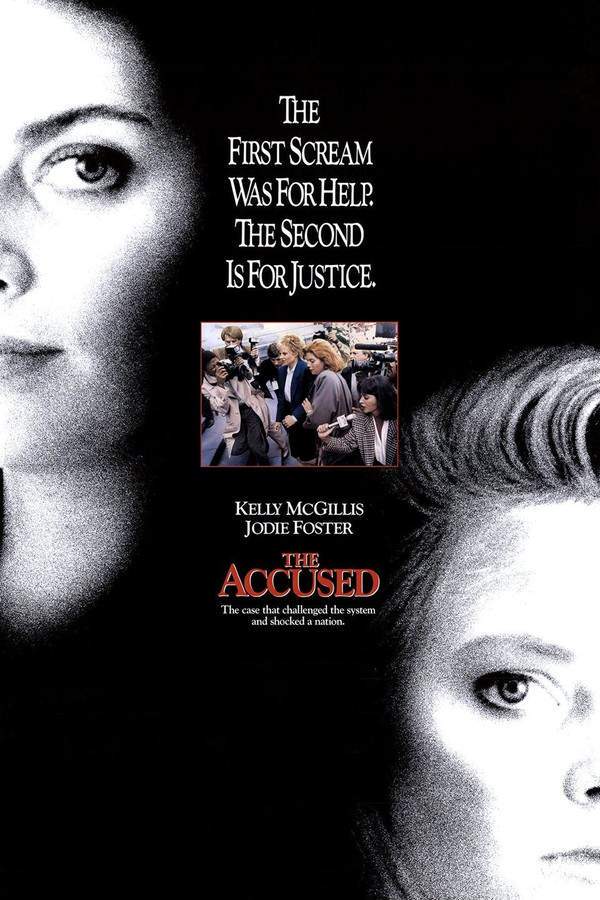
Films with a similar story, tone or audience, including The Accused, The Guilty and Criminal Law.








Section 375 FAQ: Where to Watch, Cast & Box Office
Runtime, release date, director, cast, where to watch, box office, post-credit scenes and language of Section 375, each answered in a sentence.
How long is Section 375?
Section 375 runs 2 hours 4 minutes (124 minutes).
When was Section 375 released?
Section 375 was released on September 13, 2019.
Who directed Section 375?
Section 375 was directed by Ajay Bahl.
More films by Ajay Bahl Who is in the cast of Section 375?
Section 375 stars Rahul Bhat as Rohan Khurana, Shriswara as Kainaaz Khurana and Meera Chopra as Anjali Damle, among 28 credited actors.
Where can I watch Section 375?
In the US, Section 375 is streaming on Amazon Prime Video (availability from JustWatch).
How much did Section 375 make at the box office?
Section 375 grossed $129,916 worldwide.
Does Section 375 have a post-credit scene?
No. Section 375 has no extra scene during or after the credits.
What language is Section 375 in?
The original language of Section 375 is Hindi.
Coming soon to your phone
The Plot Explained Movie Summary App
From blockbusters to hidden gems: plot summaries, endings explained and timelines on your phone. Save your favorites and never miss a twist again.
Be the first to know when it launches. Your email stays private, always. Learn more about the app
