Secret Honor 1984


In a New Jersey study, Richard Nixon revisits the missteps of his political career, seeking to absolve himself for Watergate while denouncing President Gerald Ford’s decision to pardon him. His monologue delves into his life, upbringing and his mother, with only a tape recorder, a gun and whiskey as companions, and is tinged with the vitriol and paranoia that defined his public persona.

Does Secret Honor have end credit scenes?
No!
Secret Honor does not have end credit scenes. You can leave when the credits roll.
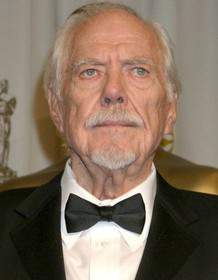
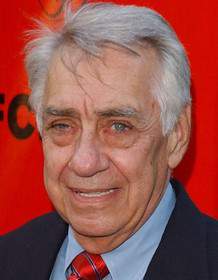
Meet the Full Cast and Actors of Secret Honor
Explore the complete cast of Secret Honor, including both lead and supporting actors. Learn who plays each character, discover their past roles and achievements, and find out what makes this ensemble cast stand out in the world of film and television.
External Links and Streaming Options
Discover where to watch Secret Honor online, including streaming platforms, rental options, and official sources. Compare reviews, ratings, and in-depth movie information across sites like IMDb, TMDb, Wikipedia or JustWatch.






Take the Ultimate Secret Honor Movie Quiz
Challenge your knowledge of Secret Honor with this fun and interactive movie quiz. Test yourself on key plot points, iconic characters, hidden details, and memorable moments to see how well you really know the film.
Secret Honor Quiz: Test your knowledge of the 1984 film Secret Honor, a dramatic monologue featuring a former U.S. president reflecting on his life, politics, and legacy.
Which former U.S. president is the sole on‑screen character in Secret Honor?
Full Plot Summary and Ending Explained for Secret Honor
Read the complete plot summary of Secret Honor, including all major events, twists, and the full ending explained in detail. Explore key characters, themes, hidden meanings, and everything you need to understand the story from beginning to end.
In a tense, character-driven meditation, Richard Milhous Nixon—a disgraced former president—paces a dim study in his Saddle River, New Jersey mansion during the early 1980s. A loaded revolver sits on the desk beside a bottle of Scotch and a running tape recorder, while closed-circuit cameras keep a watching chorus of eyes on him. What unfolds over approximately ninety minutes is a long, spiraling monologue that swerves between rage, suspicion, sadness, and disappointment as he traverses the contours of his controversial life and career. The mood is claustrophobic, the air taut with power and paranoia, and the room becomes a kind of confessional stage where memory and grievance are the main performers.
From the outset, the monologue is less a linear history and more a series of interlaced recollections that frequently derail into tangents. Nixon revisits the people who shaped his ascent and his fall, the voices that either supported him or betrayed him, and the forces he believes stood in his way. He speaks of his mother with fondness, paints Dwight Eisenhower with unmistakable anger, interacts with Henry Kissinger in tones that border on condescension, and grapples with John F. Kennedy through a blend of admiration and fury. As he probes these relationships, the narrative voice often shifts with his mood: when anger rises, the speech becomes jagged and disjointed, and if the speaker senses drifting from the point, he directs the unseen transcriber, a character named Roberto, to edit out the digressions and return to a calmer moment earlier in the tape.
Throughout this self-portrait, the former president’s view of himself mutates. At times, he casts himself as a man of the people, insisting that he understood failure and could relate to the average American who had toiled and fought to reach the top. He dwells on humble origins and the relentless effort that propelled him upward, recounting the setbacks he faced and how he supposedly overcame them. Yet these moments of self-affirmation quickly blur into self-pitying rants about being an innocent martyr, ruined by malevolent and hypocritical forces. He vacillates between self-deprecating portraits and self-congratulatory boasts, but he rarely dwells on his own faults for long, preferring to blame others for what he sees as misfortune. A persistent thread is his insistence that Watergate is not relevant to his legacy and that he never committed a crime; since he was never charged, he contends, there is no need for a pardon. He even argues that the pardon he received from Gerald Ford tainted him in the public eye, because—by his own logic—accepting a pardon implies guilt.
The talk grows more conspiratorial as he lifts the veil on his supposed entanglement with a political network he alternately names “the Bohemian Grove” and “The Committee of 100.” He suggests they are concerned with a heroin trade in Asia, and contends he pursued their power and influence as much as a belief in their alleged willingness to bring democracy to Asia. Yet after a pivotal 1972 vote, he claims they shifted their orders: keep the Vietnam War alive at all costs and push for a third term so they can continue the arrangement with him as their instrument. There comes a chilling admission that, at some point, he decided he never wanted to be remembered as the president who sacrificed thousands of soldiers for drug money, so he staged Watergate as a means to exit office while still maintaining broad public support. In his telling, he places blame not on himself but on a public that would rather see him fail, labeling himself a hustler and a thief who believes many of the same people are complicit in the deception.
The tension of the room builds as he chamber-by-chamber weighs the moral and political calculus of his actions. He gestures to the camera feeds, the tape recorder, and the looming specter of his own legacy, wrestling with the idea that a single moment could redefine a life spent in the glare of power. The monologue moves toward a desperate, almost ritual conclusion: he reaffirms his resolve not to end his life, even as the weight of his narrative presses down on him. The final act of the scene culminates in a dramatic demonstration of defiance. He pulls back the hammer on the gun and holds it to his head for a breathless beat, then lets it fall back to the desk. With a fierce, almost apostrophic deliverance, he declares a defiance that becomes his last power move on camera: “They wanted me to kill myself. Well, I won’t do it. If they want me dead, they’ll have to do it… Fuck ‘em.” The moment is reinforced by the haunting visual of the same two words looping across all the closed-circuit monitors in staggered intervals, until the sequence slides into static, leaving the room to a growing, unsettling chant of “Four more years!”
What follows is a careful, almost clinical exploration of how memory, reputation, and power intertwine in the mind of a man who insists on telling his own truth, even as the truth remains contested and fraught. The piece is a study in how one former leader negotiates legacy, blame, and sanity while surrounded by screens, sound, and the echo of a career that refuses to fade. It remains a stark, unflinching portrait that never shies away from uncomfortable questions about duty, loyalty, and the costs of ambition—all directed through the warped glow of a man who believes his narrative is both his vindication and his final indictment.

Coming soon on iOS and Android
The Plot Explained Mobile App
From blockbusters to hidden gems — dive into movie stories anytime, anywhere. Save your favorites, discover plots faster, and never miss a twist again.
Sign up to be the first to know when we launch. Your email stays private — always.
Explore the mobile appWatch Trailers, Clips & Behind-the-Scenes for Secret Honor
Watch official trailers, exclusive clips, cast interviews, and behind-the-scenes footage from Secret Honor. Dive deeper into the making of the film, its standout moments, and key production insights.
Secret Honor Themes and Keywords
Discover the central themes, ideas, and keywords that define the movie’s story, tone, and message. Analyze the film’s deeper meanings, genre influences, and recurring concepts.
Secret Honor Other Names and Titles
Explore the various alternative titles, translations, and other names used for Secret Honor across different regions and languages. Understand how the film is marketed and recognized worldwide.
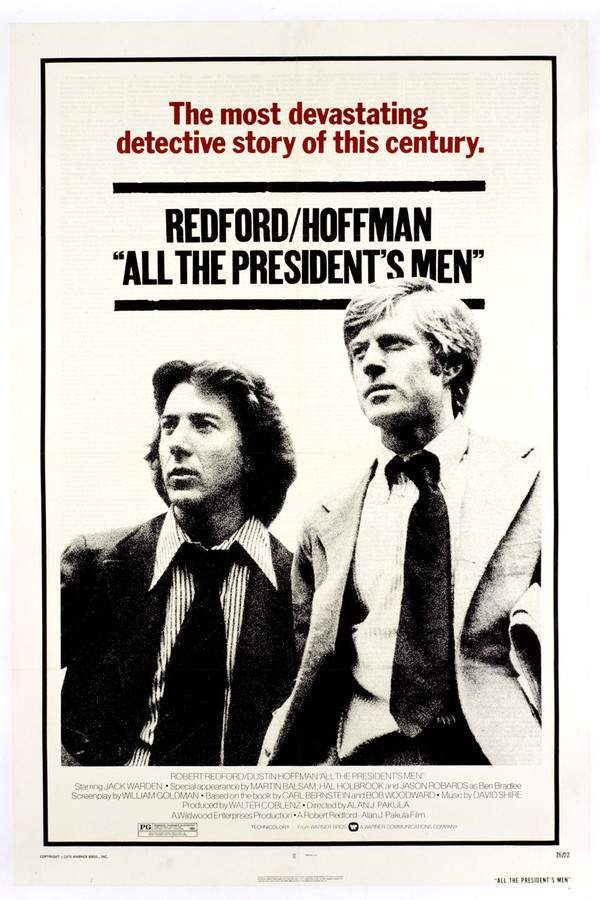
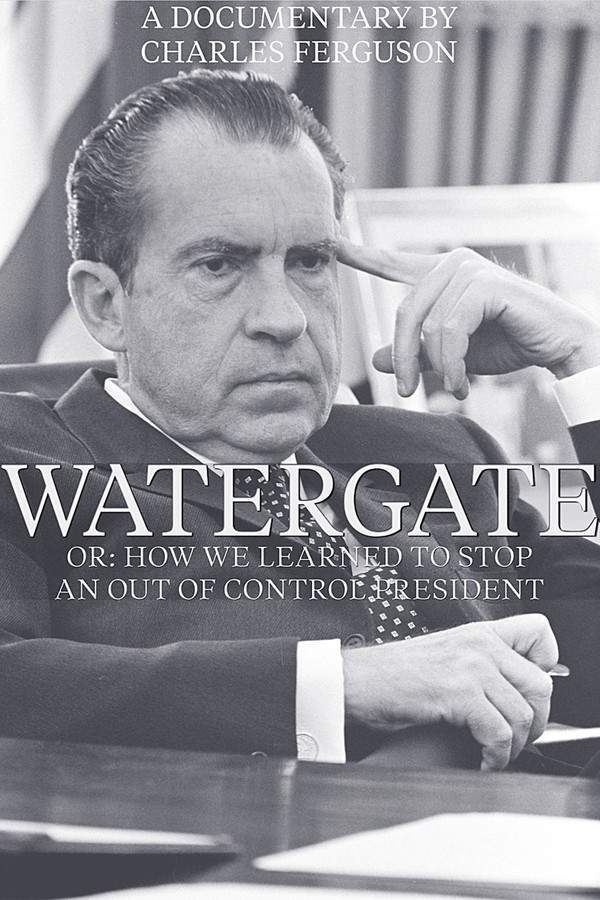
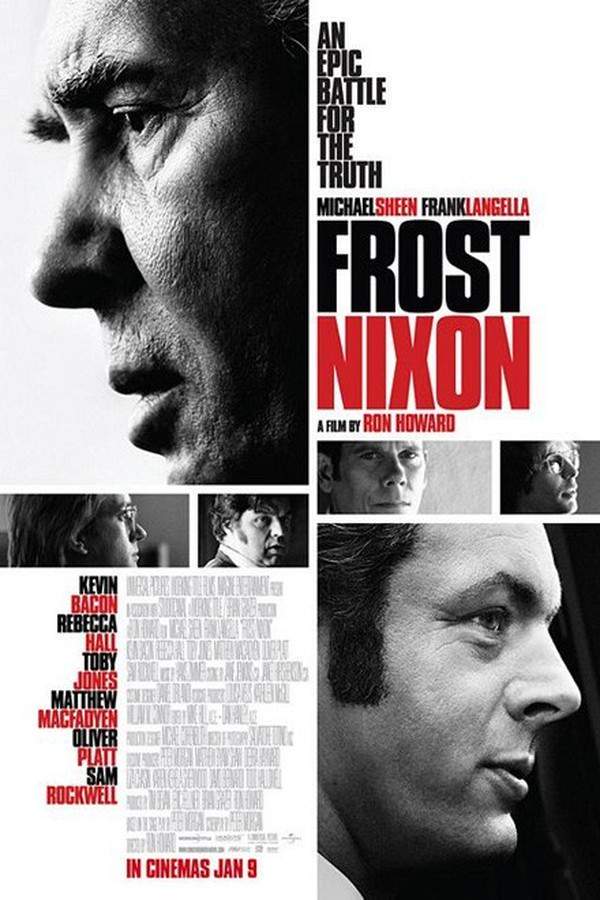
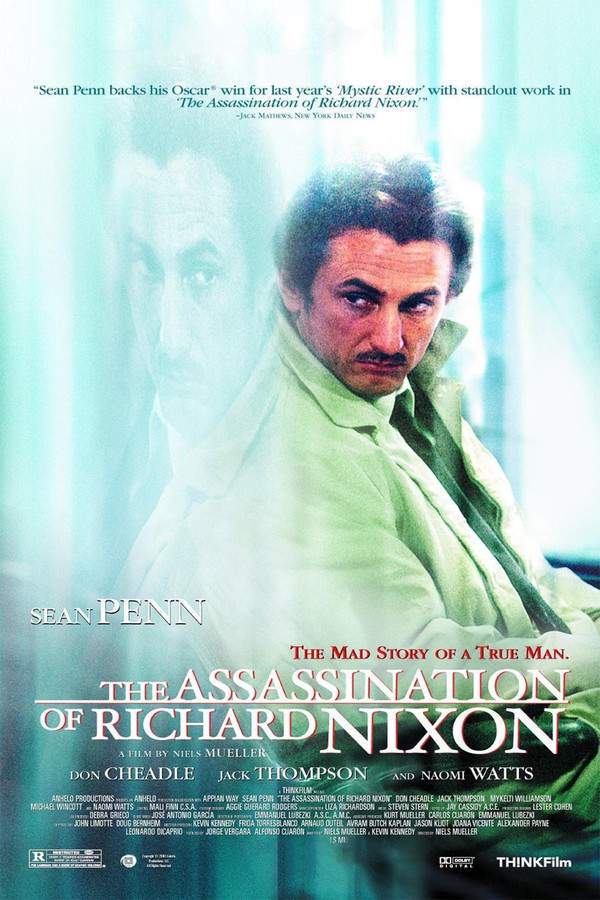
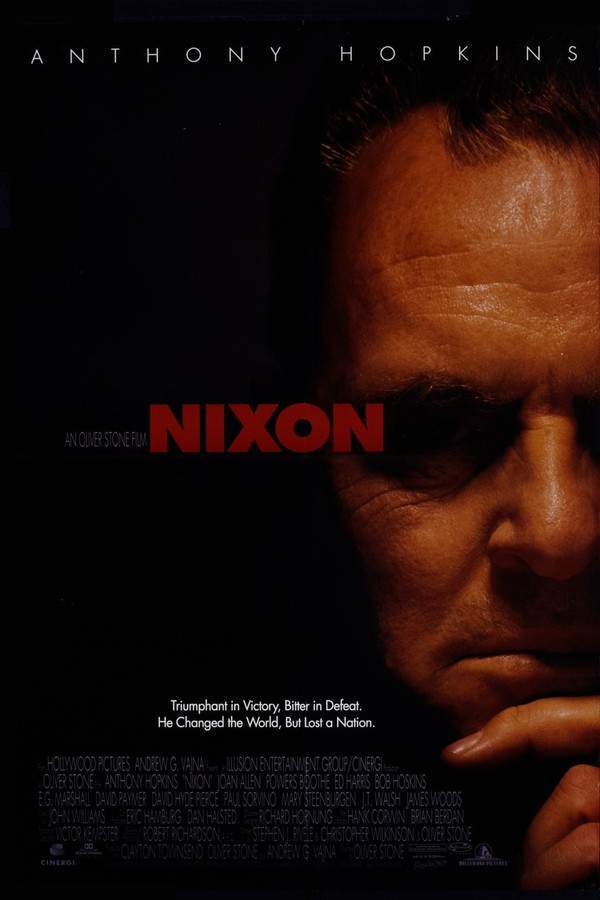
Similar Movies To Secret Honor You Should Know About
Browse a curated list of movies similar in genre, tone, characters, or story structure. Discover new titles like the one you're watching, perfect for fans of related plots, vibes, or cinematic styles.






Quick Links: Summary, Cast, Ratings, More

What's After the Movie?
Not sure whether to stay after the credits? Find out!
Check out our other apps:

SAT Sphere
Build confidence for the Digital SAT.

Mori Atlas
Discover wild places worth protecting.

Luntero
Search smarter for a home in Amsterdam.

Plot Explained
Unravel movie endings and hidden clues.

Pokechamp
Dive into Pokémon data and battle logic.

Driving Theory
Get ready for your European theory test.

Movie Dust
Plan your next cinema trip with ease.

Musemap
Find art and culture as you travel.

Selkobase
Compare credentials before committing.

Local Manual
Turn an unfamiliar country into practical next steps.

Lernavi
Compare school systems before your next move.

GymRoam
Find a workout stop wherever your plans take you.
Explore Our Movie Platform
New Movie Releases (2026)
Famous Movie Actors
Top Film Production Studios
Movie Plot Summaries & Endings
Major Movie Awards & Winners
Best Concert Films & Music Documentaries
Movie Collections and Curated Lists
© 2026 What's After the Movie. All rights reserved.
Privacy Policy