
Saving Face (2005): Cast, Ratings, Box Office & Where to Watch
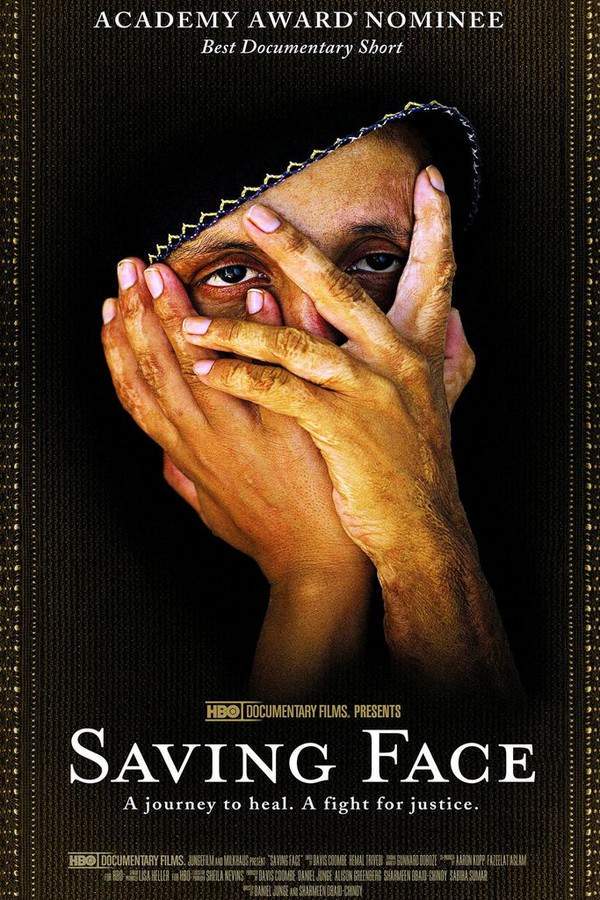
Saving Face is a 2005 comedy drama directed by Alice Wu, starring Joan Chen, Lynn Chen and Michelle Krusiec. It runs 1 hour 31 minutes and earned $1.2 million worldwide. It won 1 Oscar, including Documentary (Short Subject). Critics gave it 65 on Metacritic, and IMDb users rate it 5.7/10. Stream it on fuboTV and Howdy, or rent or buy it on Amazon Video and Apple TV Store.
 Urdu
Urdu What Is Saving Face About?
The premise of Saving Face without spoilers. The whole story is in the plot summary further down.
A celebrated plastic surgeon returns to Pakistan, compelled to confront the devastating effects of acid attacks and the emotional scars they leave behind. Dr. Mohammad Jawad dedicates himself to restoring the faces and lives of victims, embarking on a journey of healing that also forces him to examine his own past and seek personal redemption in a society grappling with profound challenges.
Where to Watch Saving Face
Stream it on fuboTV and Howdy, or rent or buy it from Amazon Video and Apple TV Store. US availability and prices from JustWatch.
Stream 2
 fuboTV
  Howdy Amazon Channel




Streaming availability in the US, powered by 
Saving Face Cast
Joan Chen leads the cast, with Lynn Chen and Michelle Krusiec. Directed by Alice Wu; 10 actors are credited in all.
-
 Director Alice Wu


Also Starring in Saving Face
· 6 moreSaving Face Reviews & Ratings
Critics gave Saving Face 65 on Metacritic, and IMDb users rate it 5.7/10.
-
 IMDb
IMDb 5.7 /10
See on IMDb -
 Metacritic
 65 Metascore
User score 7.2
See on Metacritic -
 TMDB
TMDB 73% User score
See on TMDB
Saving Face Plot Summary
What happens in Saving Face from start to finish, spoilers included, with a timeline of 14 key events. The opening is below; the full summary is a 5-minute read.
Spoilers ahead
Wilhelmina “Wil” Pang is a highly successful young American surgeon practicing in New York City, but she hides a core part of who she is from her mother, Hwei-Lan Pang. The tension between Wil’s private life and her family’s expectations sets the stage for a story about love, truth, and the weight of tradition. When Hwei-Lan drags Wil to a family gathering at Planet China to meet potential matches, Wil finds herself unexpectedly drawn to Vivian, the daughter of one of the other mothers. Vivian is recently divorced and unafraid to pursue her own path, which immediately challenges Wil to consider a future that might not fit the conventional script her mother envisions.
Full summary
The whole story of Saving Face, scene by scene
Saving Face Box Office
Saving Face grossed $1.2 million worldwide. $1.2 million came from the US and Canada and $49,252 (4%) from the rest of the world.
Worldwide gross
$1.2M
- US & Canada
- $1.2M
- International
- $49.3K
Saving Face Awards & Nominations
Saving Face won 1 Oscar, including Documentary (Short Subject).
1 win1 nomination1 ceremony
-
 Oscars 2012 1 win · 1 nomination
- Won Documentary (Short Subject)
Saving Face Trailers & Videos
5 videos: 1 trailer, 3 clips and 1 featurette.
- Clip Saving Face movie scene
- Clip Saving Face 2004 (Wil out to her mom scene)
- Clip Saving Face Film The 1st Kiss
- Featurette Alice Wu on "Saving Face"
Cars in Saving Face
7 cars on screen, including the 2001 BMW 330xi E46 and the 2000 Cadillac DeVille.
-
 2001 BMW 330xi E46 Important role
 -
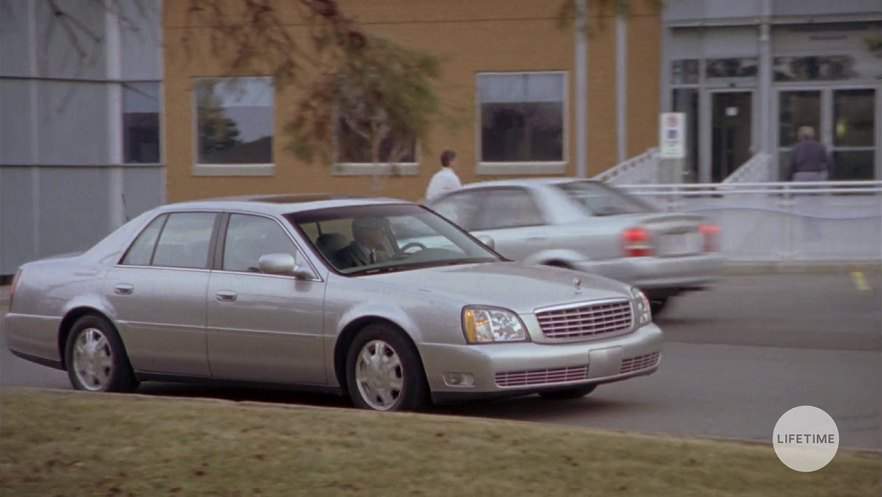 2000 Cadillac DeVille Important role
 -
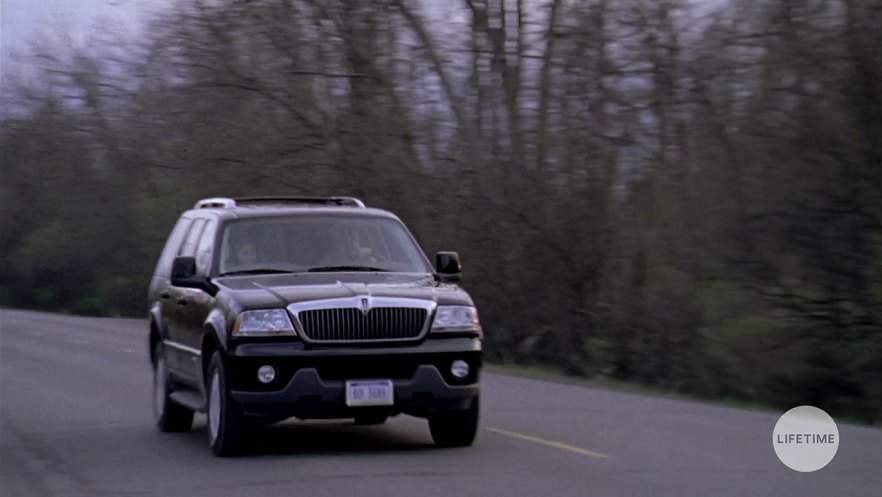 2003 Lincoln Aviator Important role
 -
 Harley-Davidson Electra Glide Minor role
Saving Face Also Known As
17 alternative titles, including “Рятуючи обличчя” and “Pour Sauver l'Honneur”.
- Also known as
-
- Рятуючи обличчя
- Pour Sauver l'Honneur
- Salvare la faccia
- Saving Face - Liebe und was noch?
- 面子
- Guardando las apariencias
- Jó, rossz, meg ami közte van
- להציל את הכבוד
- Да запазиш достойнство
- 세이빙 페이스
- Livrando a Cara
- Спасая лицо
+5 more Show fewer
- De dragul aparențelor
- Uchovat si tvář
- Zachować Twarz
- Sevgiyi Ararken
- เซฟวิ่งเฟซ
Seen Saving Face?
Saving Face FAQ: Where to Watch, Cast & Box Office
Runtime, release date, director, cast, where to watch, box office, ratings and awards of Saving Face, each answered in a sentence.
How long is Saving Face?
Saving Face runs 1 hour 31 minutes (91 minutes).
When was Saving Face released?
Saving Face was released on May 27, 2005.
Who directed Saving Face?
Saving Face was directed by Alice Wu.
More films by Alice Wu Who is in the cast of Saving Face?
Saving Face stars Joan Chen, Lynn Chen and Michelle Krusiec, among 10 credited actors.
Where can I watch Saving Face?
In the US, Saving Face is streaming on fuboTV and Howdy and available to rent or buy on Amazon Video, Apple TV Store and Fandango At Home (availability from JustWatch).
How much did Saving Face make at the box office?
Saving Face grossed $1.2 million worldwide ($1.2 million domestic, $49,252 international).
How is Saving Face rated?
Saving Face has 5.7/10 on IMDb, 65 on Metacritic and 73% on TMDB.
What awards did Saving Face win?
Saving Face won 1 award from 1 nomination, including Documentary (Short Subject) at the Oscars 2012.
Coming soon to your phone
The Plot Explained Movie Summary App
From blockbusters to hidden gems: plot summaries, endings explained and timelines on your phone. Save your favorites and never miss a twist again.
Be the first to know when it launches. Your email stays private, always. Learn more about the app
