Satyakam 1969


Set during British rule in India, Satyapriya Archarya lives a modest yet noble existence with his grandfather, Satyasharan. Orphaned early—his mother died when he was very young and his father became a celibate, left on a pilgrimage and never returned—he studies engineering and cultivates a close friendship with a fellow student, embodying humility and integrity.


Does Satyakam have end credit scenes?
No!
Satyakam does not have end credit scenes. You can leave when the credits roll.
Meet the Full Cast and Actors of Satyakam
Explore the complete cast of Satyakam, including both lead and supporting actors. Learn who plays each character, discover their past roles and achievements, and find out what makes this ensemble cast stand out in the world of film and television.

Sharmila Tagore
Ranjana
Dina Pathak
Harbhajan's Mother
Dharmendra
Satyapriya 'Sath' Acharya
Govardhan Asrani
Peter
Ashok Kumar
Satyasharan 'Dadji' Acharya
Sarika
Kabul S. Archarya
Sanjeev Kumar
Narendra 'Naren' Sharma
Rabi Ghosh
Anantho Chatterjee
Rajan Haksar
Shyam Sunder
Uma Dutt
Chief Engineer
Tarun Bose
Mr. Ladia
Dev Kishan
Shiv Nandan
External Links and Streaming Options
Discover where to watch Satyakam online, including streaming platforms, rental options, and official sources. Compare reviews, ratings, and in-depth movie information across sites like IMDb, TMDb, Wikipedia or Letterboxd.




Take the Ultimate Satyakam Movie Quiz
Challenge your knowledge of Satyakam with this fun and interactive movie quiz. Test yourself on key plot points, iconic characters, hidden details, and memorable moments to see how well you really know the film.
Satyakam (1969) Quiz: Test your knowledge of the classic Indian film Satyakam, focusing on its characters, plot points, and underlying themes.
Which actor portrayed Satyapriya Acharya, the principled protagonist?
Full Plot Summary and Ending Explained for Satyakam
Read the complete plot summary of Satyakam, including all major events, twists, and the full ending explained in detail. Explore key characters, themes, hidden meanings, and everything you need to understand the story from beginning to end.
Satyapriya Acharya Dharmendra is a man of principles and truth, his life shaped by his ascetic grandfather, Satyasharan “Dadji” Acharya Ashok Kumar. An engineer by training, he sets out to help build a new India, yet soon meets people who challenge the rigidity of his ideals.
During his first assignment, he encounters Ranjana, Sharmila Tagore, a woman who is about to be preyed upon by a morally corrupt prince in the employ of those who should protect her. Fully aware that Ranjana loves him, Satyapriya hesitates to intervene and lets her become the prince’s target, a moment that deeply unsettles him and shakes the moral foundation he has long trusted.
To atone for this lapse, he marries Ranjana, and they begin a life that is as hopeful as it is fraught. They welcome a child, but the paternity of the infant is never clearly established, leaving underlying tensions to linger. As time passes, Satyapriya moves from one job to another, unwilling to make dishonest compromises, while their marriage endures its own quiet set of trials. Ranjana dreams of a normal life, and she longs for a measure of peace that seems forever out of reach, even as Satyapriya grows ever more rigid in his application of his ideals.
Professional and emotional strains pile up, and Satyapriya’s strength falters when he is struck by an incurable illness. Hospitalized and suddenly unable to speak, he faces a final moral test: an unscrupulous contractor pressures him to grant approval for a badly executed civil project. In exchange, a substantial sum would be directed toward Ranjana and their child after his death. Cornered and with limited means, Satyapriya signs the papers and hands them to his wife.
Ranjana tears up the documents and, in a moment that illuminates the film’s core conflict, she finds him smiling at her—an uneasy signal that, even at the end, he clings to a vision greater than himself. The couple’s bond is tempered but not broken by this act of apparent compromise, and it becomes clear that Satyapriya’s inner transformation—however imperfect—has touched at least one person’s heart.
News of his condition reaches his grandfather, the wise and stern Satyasharan. He had earlier rejected the idea of his grandson marrying a woman from what he considered an unsuitable background, but he returns to offer words of philosophical steadiness. He speaks of impermanence, the larger divine truth, and the moral strength needed to face death. The film then shifts to a painful revelation: the child publicly reveals that the grandfather’s decision not to perform the last rites was connected to questions of paternity, forcing a brutal confrontation with truth and prejudice.
The grandfather is humbled, admitting that even a lifetime spent in study and ritual cannot guard one from the flaws of pride. He drinks water handed to him by his own grandson’s child and lets go of his entrenched prejudices. In the final arc, he prepares to depart for home, this time accompanied by Ranjana and their child, leaving behind a legacy that suggests truth, humility, and love can outlast even the most rigid codes.
In the end, the story remains a measured meditation on duty, sacrifice, and the uneasy reconciliation between unwavering ideals and the messy reality of human life. It asks whether a life spent in truth can truly survive the compromises of a troubled age, and whether forgiveness and acceptance can brighten the darkest chapters of a family’s history.

Coming soon on iOS and Android
The Plot Explained Mobile App
From blockbusters to hidden gems — dive into movie stories anytime, anywhere. Save your favorites, discover plots faster, and never miss a twist again.
Sign up to be the first to know when we launch. Your email stays private — always.
Explore the mobile appDiscover Film Music Concerts Near You – Live Orchestras Performing Iconic Movie Soundtracks
Immerse yourself in the magic of cinema with live orchestral performances of your favorite film scores. From sweeping Hollywood blockbusters and animated classics to epic fantasy soundtracks, our curated listings connect you to upcoming film music events worldwide.
Explore concert film screenings paired with full orchestra concerts, read detailed event information, and secure your tickets for unforgettable evenings celebrating legendary composers like John Williams, Hans Zimmer, and more.


Satyakam Themes and Keywords
Discover the central themes, ideas, and keywords that define the movie’s story, tone, and message. Analyze the film’s deeper meanings, genre influences, and recurring concepts.

Unlock the World of Movies with Our Comprehensive Wiki
Dive into our Movie Wiki for in-depth film encyclopedia entries, including cast biographies, production trivia, plot synopses, behind-the-scenes facts, and thematic analyses. Whether you’re researching iconic directors, exploring genre histories, or discovering hidden easter eggs, our expertly curated movie database has everything you need to fuel your cinematic passion.
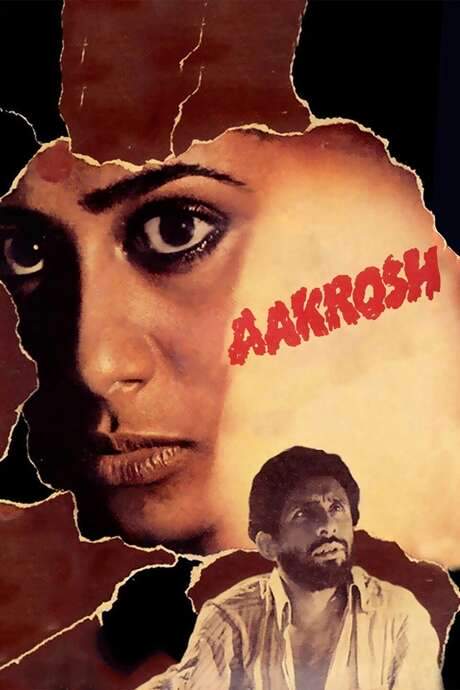
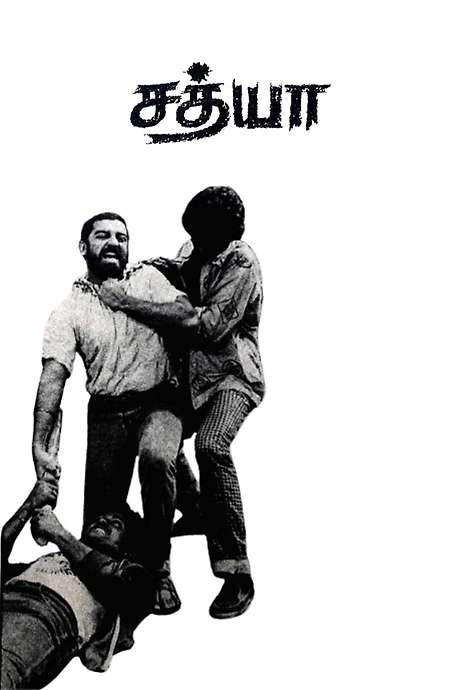
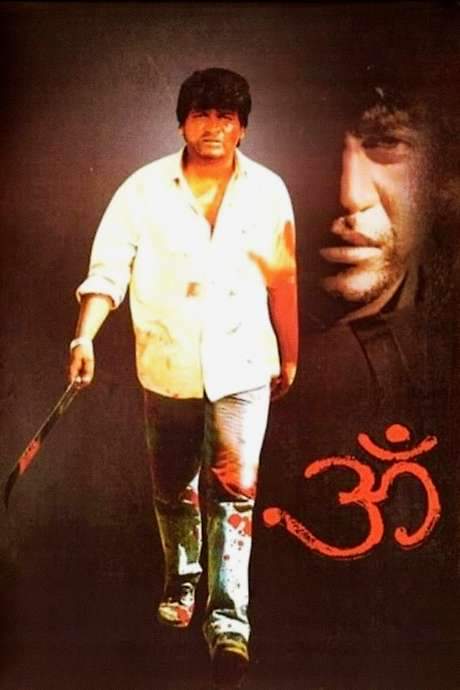
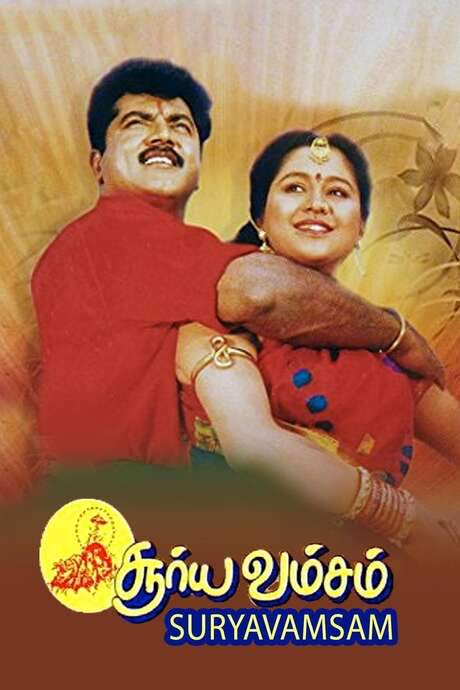
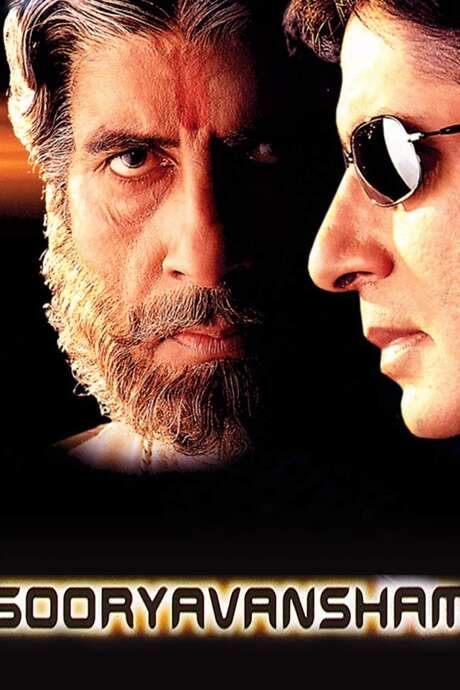
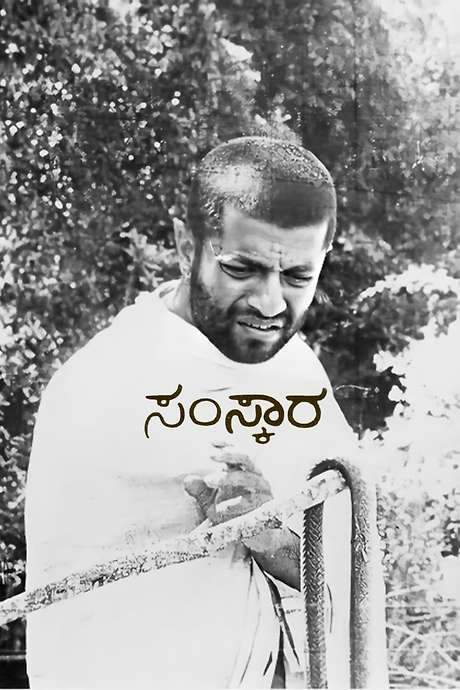
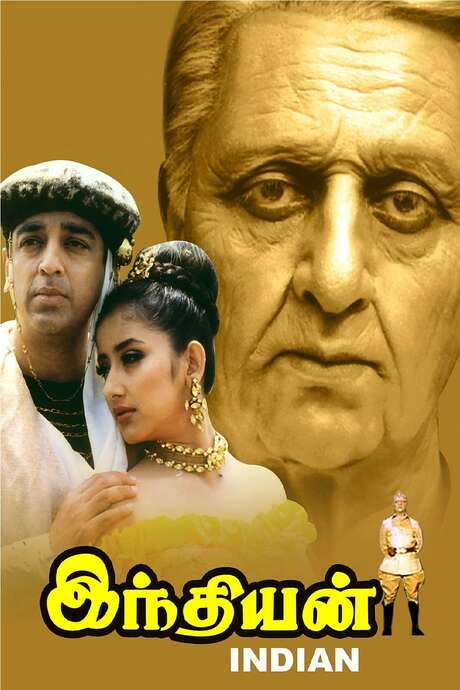
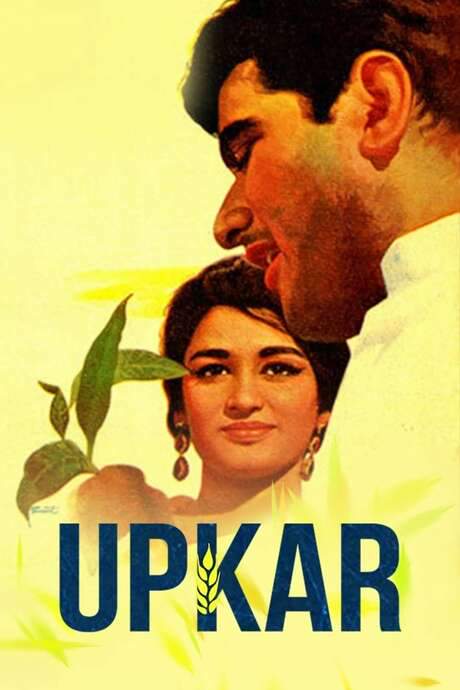
Similar Movies To Satyakam You Should Know About
Browse a curated list of movies similar in genre, tone, characters, or story structure. Discover new titles like the one you're watching, perfect for fans of related plots, vibes, or cinematic styles.






Quick Links: Summary, Cast, Ratings, More

What's After the Movie?
Not sure whether to stay after the credits? Find out!
Check out our other apps:

SAT Sphere
Build confidence for the Digital SAT.

Mori Atlas
Discover wild places worth protecting.

Luntero
Search smarter for a home in Amsterdam.

Plot Explained
Unravel movie endings and hidden clues.

Pokechamp
Dive into Pokémon data and battle logic.

Driving Theory
Get ready for your European theory test.

Movie Dust
Plan your next cinema trip with ease.

Musemap
Find art and culture as you travel.

Selkobase
Compare credentials before committing.

Local Manual
Turn an unfamiliar country into practical next steps.

Lernavi
Compare school systems before your next move.

GymRoam
Find a workout stop wherever your plans take you.
Explore Our Movie Platform
New Movie Releases (2026)
Famous Movie Actors
Top Film Production Studios
Movie Plot Summaries & Endings
Major Movie Awards & Winners
Best Concert Films & Music Documentaries
Movie Collections and Curated Lists
© 2026 What's After the Movie. All rights reserved.
Privacy Policy