Saakshyam 2018


A group of individuals believe they can commit terrible acts without consequence, confident that no one will witness their crimes. However, nature observes everything, and when the five elements unite to seek retribution, the perpetrators must confront the devastating power of nature's vengeance. Can they escape the consequences of their actions and survive the impending wrath?


Does Saakshyam have end credit scenes?
No!
Saakshyam does not have end credit scenes. You can leave when the credits roll.
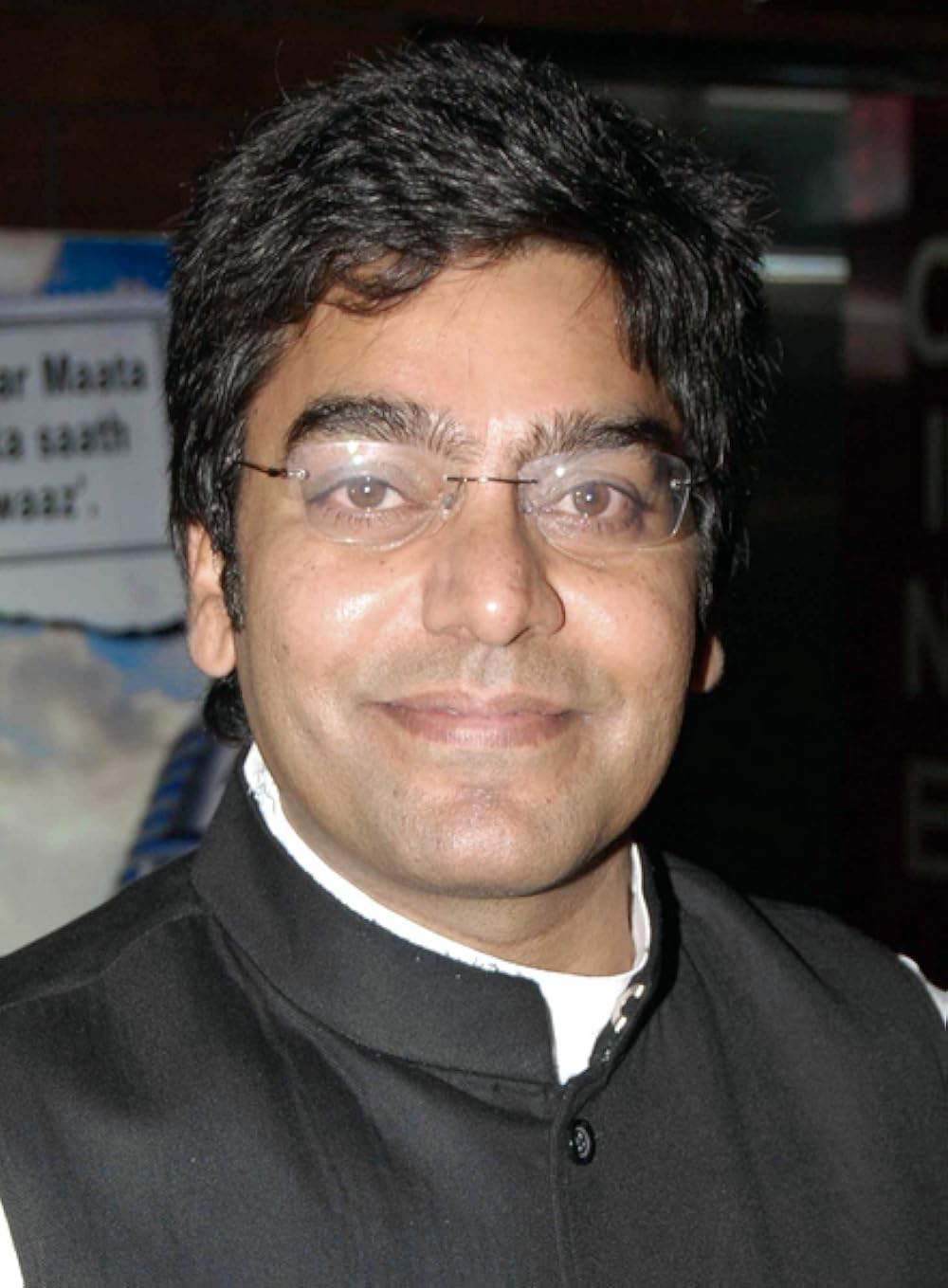
Meet the Full Cast and Actors of Saakshyam
Explore the complete cast of Saakshyam, including both lead and supporting actors. Learn who plays each character, discover their past roles and achievements, and find out what makes this ensemble cast stand out in the world of film and television.





External Links and Streaming Options
Discover where to watch Saakshyam online, including streaming platforms, rental options, and official sources. Compare reviews, ratings, and in-depth movie information across sites like IMDb, TMDb, Wikipedia or JustWatch.






Take the Ultimate Saakshyam Movie Quiz
Challenge your knowledge of Saakshyam with this fun and interactive movie quiz. Test yourself on key plot points, iconic characters, hidden details, and memorable moments to see how well you really know the film.
Saakshyam (2018) Quiz: Test your knowledge of the Telugu film Saakshyam, its plot, characters, and themes.
What event triggers Raju Garu to confront Munuswamy's brothers at the beginning of the film?
Full Plot Summary and Ending Explained for Saakshyam
Read the complete plot summary of Saakshyam, including all major events, twists, and the full ending explained in detail. Explore key characters, themes, hidden meanings, and everything you need to understand the story from beginning to end.
A dramatic and sprawling tale unfolds around a single act of force that ripples through generations. A group of people seize a cow and her calf, setting off a sequence of events that tests loyalty, courage, and the moral order of the world. The action then shifts to the home of Raju Garu, where a family gathers to celebrate the naming of his son. In the midst of this warmth, a chilling interruption arrives: Munuswamy’s brothers have abducted the calf’s mother—an animal connected to the temple—and with her, many other cows, threatening a sacred community’s balance. In a blaze of righteous fury, Raju Garu confronts Munuswamy’s kin and recovers the herd, restoring a fragile harmony to the household.
Yet the ripple of that atrocity reaches far beyond one night. The humiliation of Munuswamy’s brothers becomes personal pride turned to wrath, and he, along with his three brothers, storms into Raju Garu’s celebratory home. What follows is an unforgettable slaughter: every family member is killed except for Raju Garu’s wife, who is grievously wounded. In a desperate gambit to safeguard the child, Raju Garu distracts the attackers while his wife flees with the infant. The escape is fraught with peril; the wife’s strength fades under her injuries, and the calf—who owes its life to the man who saved the mother—appears as an unlikely beacon. The calf, standing before the wounded woman, becomes a symbol of endurance and a conduit for hope. She wraps the child in a shawl and ties him to the calf, hoping the journey of which nature itself would approve might begin anew.
The villains arrive just as the calf escapes, and a tense pursuit ensues. The exhausted, injured calf manages to dodge capture and deliver the baby onto a truck hauling soil. From their vantage, the offenders believe the child has perished when the truck veers toward a cliff, and in a bid to silence all witnesses, they set the cowshed aflame. The scene marks more than a tragedy; it signals the closing of one chapter and the slow opening of another, as a narration later explains that the five elements of nature—air, fire, water, earth, and sky—have witnessed every crime and will—inevitably—see justice done.
The child’s path becomes legend in motion. He is carried to a soil mine, dumped with earth and debris, where a Hindu saint finds him and guides him toward Kasi, leaving him in a temple. A childless couple, Siva Prasad and his wife, who come to the temple seeking a sign of life, are overwhelmed by fate’s generosity. They unseenly become his adoptive parents and name him Viswaagna, a name that echoes the order of nature itself. The couple eventually leaves for the United States with the child, carrying forward a future that will be shaped by both modern ambition and ancient wisdom.
Two decades pass. Siva Prasad and his wife have built a thriving company, and the world knows Viswa as a young man with a talent for games. When a reporter asks about who will take the helm of their expanding empire, his father emphasizes that Viswa is drawn not to business but to creation—he dreams in code, scenes, and stories. Viswa and his friends begin to craft a new video game, a digital mirror of myth and memory, only to hear rejection for lacking a “culture factor.” Undeterred, Viswa and his crew cross paths with Soundharya Lahari, a Hindu spiritual instructor who travels to the United States to share the wisdom of Indian mythology. Viswa is instantly drawn to her, entangled by both admiration and affection, and together they navigate the delicate terrain between commerce, art, and devotion.
Soundharya Lahari is not swayed by money or spectacle. She makes it clear that culture cannot be bought and sold. Yet she sees potential in Viswa’s vision and, with a measured grace, supports his project—introducing him to Valmiki, her childhood friend and an IT professional with a passion for myth. Valmiki brings a fresh concept: a game that traces Viswa’s own life—one in which a boy whose whole family was slain is aided by the elements of nature to avenge the crime. Impressed, Viswa hires Valmiki to develop the game, sensing that this digital fable might be a vessel for a deeper reckoning with his past.
The tale deepens as Soundharya returns to India to care for her father Tagore, who has been weakened by legal battles against Munuswamy’s gang. Viswa follows, intent on bringing his story to life in a land where the legend can breathe anew. But Munuswamy has not forgotten the threat she represents; he orders the killing of Soundharya as a blunt warning to stop Tagore’s resistance. Fate, however, has other plans. Soundharya is saved by Viswa from the clutches of Veeraswamy, Munuswamy’s first brother, who meets his end at Viswa’s hands through the elemental powers of air and earth. Viswa’s discovery that his own narrative mirrors real events shakes him to the core, a confrontation with the uncanny that blurs lines between fiction and reality.
A fateful wander into the sacred city of Kashi brings Viswa face to face with Munuswamy’s second brother, who appears to have been slain by fire’s power in the very framework of the myth he sought to erase. Viswa’s struggle to halt this cosmic reckoning intensifies as Munuswamy continues to hunt for the one who would be the killer of his kin.
Meanwhile, Soundharya’s bond with Viswa deepens, and she agrees to marry him, embracing a union that binds culture, myth, and modern life. Valmiki returns to India with a plan that completes the game’s architecture, and his grandfather, a venerable astrologer who has watched over the family for generations, reveals a startling truth. The grandfather explains that this entire screenplay was written by Mother Nature herself, who witnessed every event and has chosen Valmiki to choreograph the righteous retribution. He remembers the moment when the younger Munuswamy and his brothers scoffed at the astrologer’s guidance, and he discloses that creation itself authored this script—a fate that cannot be stalled by any human will.
The final act broadens into a confrontation with a business rival, Shakti, who collaborates with Munuswamy to seize control of major stakes. They abduct Viswa’s allies and threats ripple through the corporate world as the same elemental justice that has haunted the story gathers force. In a climactic sweep, the elements of fire, water, earth, and air converge through Viswa to mete out revenge on the villains, while the sky bears witness to the celestial balance being restored.
This is a saga where ancient nature’s design intersects with contemporary ambition, where love and loyalty are tested across oceans and ages, and where a child saved by a calf’s fragile bond grows into a figure who must face both human treachery and the elemental powers that shaped his fate. The narrative is anchored by a narration that frames the voyage as a natural order’s act of justice, and the intertwined destinies of Viswa and Soundharya Lahari become a testament to how myth, memory, and modern life can collide to reveal a larger, inexorable truth.

Coming soon on iOS and Android
The Plot Explained Mobile App
From blockbusters to hidden gems — dive into movie stories anytime, anywhere. Save your favorites, discover plots faster, and never miss a twist again.
Sign up to be the first to know when we launch. Your email stays private — always.
Explore the mobile appWatch Trailers, Clips & Behind-the-Scenes for Saakshyam
Watch official trailers, exclusive clips, cast interviews, and behind-the-scenes footage from Saakshyam. Dive deeper into the making of the film, its standout moments, and key production insights.
Saakshyam Themes and Keywords
Discover the central themes, ideas, and keywords that define the movie’s story, tone, and message. Analyze the film’s deeper meanings, genre influences, and recurring concepts.
Saakshyam Other Names and Titles
Explore the various alternative titles, translations, and other names used for Saakshyam across different regions and languages. Understand how the film is marketed and recognized worldwide.
Similar Movies To Saakshyam You Should Know About
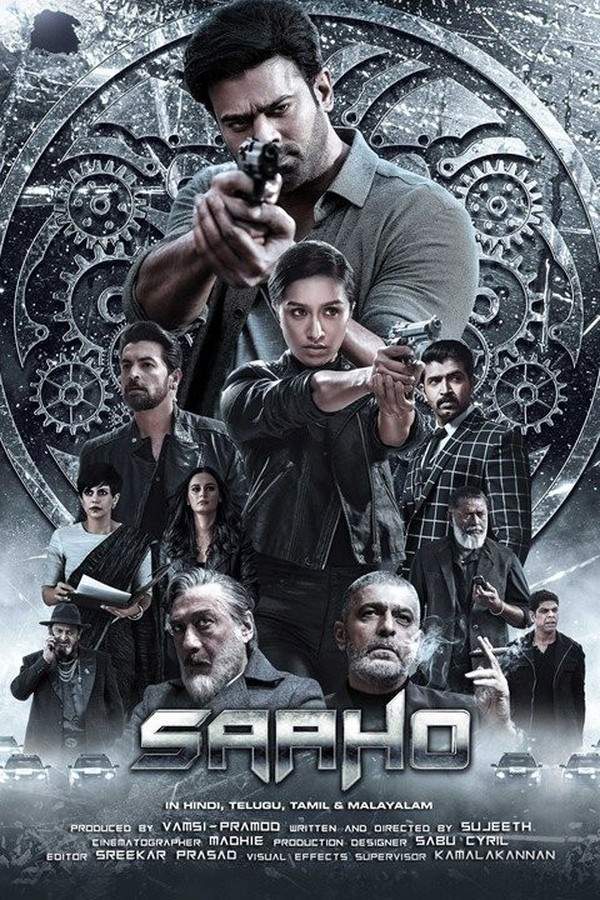
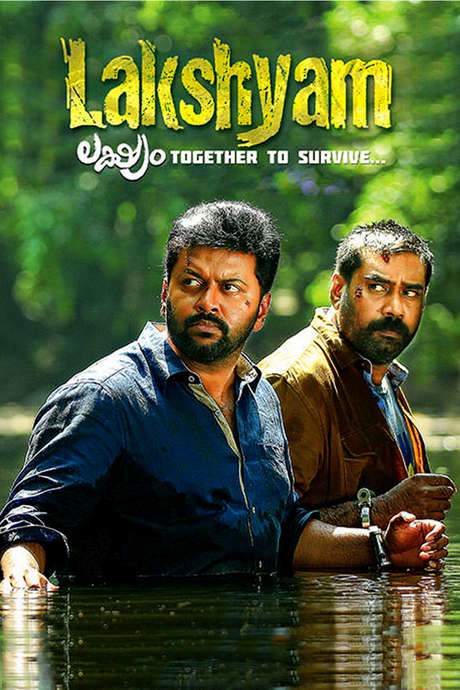
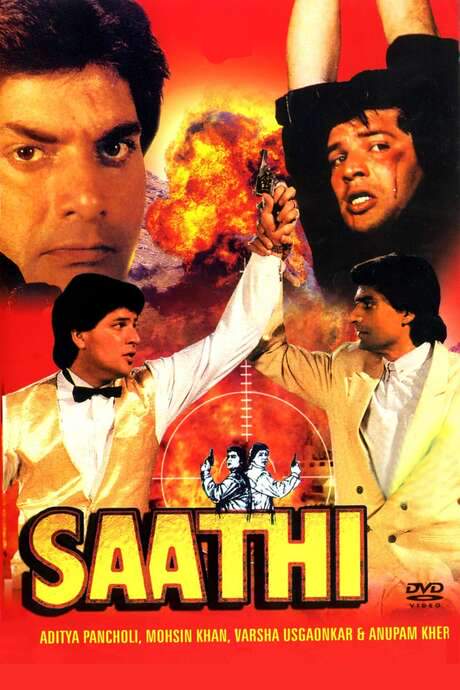
Browse a curated list of movies similar in genre, tone, characters, or story structure. Discover new titles like the one you're watching, perfect for fans of related plots, vibes, or cinematic styles.










Quick Links: Summary, Cast, Ratings, More

What's After the Movie?
Not sure whether to stay after the credits? Find out!
Check out our other apps:

SAT Sphere
Build confidence for the Digital SAT.

Mori Atlas
Discover wild places worth protecting.

Luntero
Search smarter for a home in Amsterdam.

Plot Explained
Unravel movie endings and hidden clues.

Pokechamp
Dive into Pokémon data and battle logic.

Driving Theory
Get ready for your European theory test.

Movie Dust
Plan your next cinema trip with ease.

Musemap
Find art and culture as you travel.

Selkobase
Compare credentials before committing.

Local Manual
Turn an unfamiliar country into practical next steps.

Lernavi
Compare school systems before your next move.

GymRoam
Find a workout stop wherever your plans take you.
Explore Our Movie Platform
New Movie Releases (2026)
Famous Movie Actors
Top Film Production Studios
Movie Plot Summaries & Endings
Major Movie Awards & Winners
Best Concert Films & Music Documentaries
Movie Collections and Curated Lists
© 2026 What's After the Movie. All rights reserved.
Privacy Policy