Rocky Road to Dublin 1968


Journalist Peter Lennon, born in Ireland, travels the country in 1967 to assess its post‑revolution condition, asking, “What do you do with your revolution once you’ve got it?” He argues that the Republic remains mired in cultural isolation, Gaelic nationalism and a strong clerical conservatism that shape everyday life.

Does Rocky Road to Dublin have end credit scenes?
No!
Rocky Road to Dublin does not have end credit scenes. You can leave when the credits roll.
Where to Watch Rocky Road to Dublin
See current US streaming, rental, and purchase options for Rocky Road to Dublin (1968) via JustWatch.


Streaming availability powered by 
Meet the Full Cast and Actors of Rocky Road to Dublin
Explore the complete cast of Rocky Road to Dublin, including both lead and supporting actors. Learn who plays each character, discover their past roles and achievements, and find out what makes this ensemble cast stand out in the world of film and television.
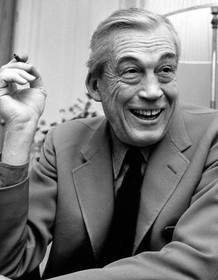

External Links and Streaming Options
Discover where to watch Rocky Road to Dublin online, including streaming platforms, rental options, and official sources. Compare reviews, ratings, and in-depth movie information across sites like IMDb, TMDb, Wikipedia or Letterboxd.




Take the Ultimate Rocky Road to Dublin Movie Quiz
Challenge your knowledge of Rocky Road to Dublin with this fun and interactive movie quiz. Test yourself on key plot points, iconic characters, hidden details, and memorable moments to see how well you really know the film.
Rocky Road to Dublin Quiz: Test your knowledge of the documentary exploring Ireland's social, cultural, and political evolution since the 1916 Easter Rising.
Which writer argues that the revolutionary hopes of the Irish Free State were never fully realized?
Full Plot Summary and Ending Explained for Rocky Road to Dublin
Read the complete plot summary of Rocky Road to Dublin, including all major events, twists, and the full ending explained in detail. Explore key characters, themes, hidden meanings, and everything you need to understand the story from beginning to end.
A concise, textured look at Irish history since the Easter Rising of 1916 traces how the early dreams of a republican society, championed by the founders of the Irish Free State, were tempered by rolling social, political, and cultural changes. In the film, the writer Seán Ó Faoláin argues that, after the revolutionary period, the hoped-for transformation did not fully take hold, and the narrative unfolds through a blend of archival voices and observational scenes.
The documentary places the enduring sway of the Anglo-Irish aristocracy at its center, illustrating this old order with scenes of hunting, dressage, and genteel fare that contrast with the country’s evolving sense of nationhood. It also touches on how Ireland’s foreign policy has sometimes seemed tethered to American interests, a point of view voiced by Conor Cruise O’Brien who suggests Ireland could chart a more independent course, perhaps taking a page from Sweden’s example.
Within the discourse on public life, the film gives space to the editor of The Irish Times, Douglas Gageby, who advocates opening up debate over contraception and reflects on the friction between censorship and free expression. He notes how the older generation clings to established norms while younger people push for change, and he observes that students at Trinity College Dublin are openly critical of the Irish media, including his own newspaper.
A major thread follows the once-powerful Gaelic Athletic Association, detailing its 500,000-strong policy that discouraged engagement with foreign sports and the day it moved away from enforcing that ban in 1971. This shift is set against broader conversations about national identity and cultural allegiance.
The film then turns to Ireland’s literary landscape, presenting the emigration of Irish writers as one of the country’s most infamous exports in the face of state censorship. A roll call of writers and their banned works unfolds against the tolling of church bells, while a censorship appeals board member weighs the ongoing tension between faith, art, and speech. In this broader critique, Liam Ó Briain provides a thoughtful comparison between Ireland and Britain, noting Britain’s perceived loss of faith and moral structure, even as he acknowledges the era’s scientific and philosophical shifts and their impact on faith.
Educational life comes under scrutiny as the film surveys the clergy’s influence over schooling. A Christian Brothers classroom shows pupils reciting catechism, and the social fabric—where single-sex schooling shaped interactions and middle-class youth found their social space in tennis club dances—highlights a stark contrast with newer, more modern venues.
The close relationship between politics and the clergy is depicted not as a conspiracy but as a longstanding habit. Before the Second Vatican Council, clergy were portrayed as guardians of simple faith, while the hierarchy, later, allowed some relaxation. The film even features Father Michael Cleary in a moment that underscores the church’s nuanced engagement with contemporary life, including music and social rituals that bring it into closer contact with everyday people.
Centrally, the film explores how clerical authority extended into family life. A young married woman recounts her story of navigating contraception within a Catholic framework, where confession and advice from priests often placed men at the center. She and her husband ultimately abandon contraception, and she experiences a miscarriage, a narrative arc that reveals the persistent tension between personal experience and church doctrine while leaving her identity as a Catholic intact.
As it moves toward its close, the film acknowledges that the cultural and moral orthodoxies under scrutiny are on the cusp of change, even as critic Liam Ó Briain voices cautious optimism for a future that can retain heritage while embracing new ideas. The documentary concludes with a stark, memorable image—a freeze-frame of two boys in a boat, one gazing directly at the camera—leaving viewers with a quiet, reflective sense of possibility and uncertainty about Ireland’s evolving identity.

Coming soon on iOS and Android
The Plot Explained Mobile App
From blockbusters to hidden gems — dive into movie stories anytime, anywhere. Save your favorites, discover plots faster, and never miss a twist again.
Sign up to be the first to know when we launch. Your email stays private — always.
Explore the mobile appWatch Trailers, Clips & Behind-the-Scenes for Rocky Road to Dublin
Watch official trailers, exclusive clips, cast interviews, and behind-the-scenes footage from Rocky Road to Dublin. Dive deeper into the making of the film, its standout moments, and key production insights.
Rocky Road to Dublin Themes and Keywords
Discover the central themes, ideas, and keywords that define the movie’s story, tone, and message. Analyze the film’s deeper meanings, genre influences, and recurring concepts.

Unlock the World of Movies with Our Comprehensive Wiki
Dive into our Movie Wiki for in-depth film encyclopedia entries, including cast biographies, production trivia, plot synopses, behind-the-scenes facts, and thematic analyses. Whether you’re researching iconic directors, exploring genre histories, or discovering hidden easter eggs, our expertly curated movie database has everything you need to fuel your cinematic passion.

Similar Movies To Rocky Road to Dublin You Should Know About
Browse a curated list of movies similar in genre, tone, characters, or story structure. Discover new titles like the one you're watching, perfect for fans of related plots, vibes, or cinematic styles.




Quick Links: Summary, Cast, Ratings, More

What's After the Movie?
Not sure whether to stay after the credits? Find out!
Check out our other apps:

SAT Sphere
Build confidence for the Digital SAT.

Mori Atlas
Discover wild places worth protecting.

Luntero
Search smarter for a home in Amsterdam.

Plot Explained
Unravel movie endings and hidden clues.

Pokechamp
Dive into Pokémon data and battle logic.

Driving Theory
Get ready for your European theory test.

Movie Dust
Plan your next cinema trip with ease.

Musemap
Find art and culture as you travel.

Selkobase
Compare credentials before committing.

Local Manual
Turn an unfamiliar country into practical next steps.

Lernavi
Compare school systems before your next move.

GymRoam
Find a workout stop wherever your plans take you.
Explore Our Movie Platform
New Movie Releases (2026)
Famous Movie Actors
Top Film Production Studios
Movie Plot Summaries & Endings
Major Movie Awards & Winners
Best Concert Films & Music Documentaries
Movie Collections and Curated Lists
© 2026 What's After the Movie. All rights reserved.
Privacy Policy