Rasputin and the Empress 1932


Young women seeking sanctuary become entangled in the seductive web of the debauched Grigori Rasputin, whose cunning manipulations helped topple the Russian throne. The film chronicles Rasputin’s corrupt, power‑hungry influence over members of the Imperial family and those around them, and the devastating consequences that followed.


Does Rasputin and the Empress have end credit scenes?
No!
Rasputin and the Empress does not have end credit scenes. You can leave when the credits roll.
Where to Watch Rasputin and the Empress
See current US streaming, rental, and purchase options for Rasputin and the Empress (1932) via JustWatch.






Meet the Full Cast and Actors of Rasputin and the Empress
Explore the complete cast of Rasputin and the Empress, including both lead and supporting actors. Learn who plays each character, discover their past roles and achievements, and find out what makes this ensemble cast stand out in the world of film and television.
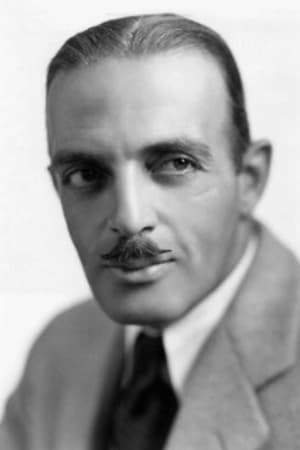
C. Henry Gordon
Grand Duke Igor

Jean Parker
Princess Maria (uncredited)
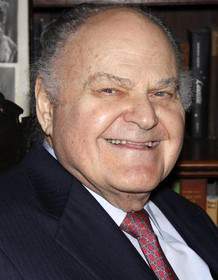
George Irving
Minor Role (uncredited)

Dave O'Brien
Soldier (uncredited)
Gustav von Seyffertitz
Dr. Franz Wolfe (uncredited)
Louise Closser Hale
Lazy Spoiled Woman (uncredited)
Edward Arnold
Doctor Remezov
John Barrymore
Prince Paul Chegodieff
Lionel Barrymore
Grigori Rasputin
Eily Malyon
Woman Yelling 'Blessed Among Women!' (uncredited)
Diana Wynyard
Princess Natasha
Ethel Barrymore
Czarina Alexandra
Mischa Auer
Butler Pouring Drinks at Party (uncredited)
Leo White
Reveler at Party (uncredited)
Nigel De Brulier
Priest (uncredited)
Dale Fuller
Minor Role (uncredited)
Ruth Renick
Undetermined Secondary Role (uncredited)
Anne Shirley
Princess Anastasia
Henry Armetta
Photographer (uncredited)
Brandon Hurst
Staff General (uncredited)
Clarence Wilson
Minor Role (uncredited)
Eric Mayne
Aristocrat at Ball (uncredited)
Sarah Padden
Duna the Landlady (uncredited)
Ralph Morgan
Czar Nicholas II
Louis Natheaux
Rasputin's Security Official at Party (uncredited)
Charlotte Henry
Undetermined Secondary Role (uncredited)
Tad Alexander
The Czarevitch
Henry Kolker
Chief of Secret Police (uncredited)
Martha Sleeper
Party Girl (uncredited)
External Links and Streaming Options
Discover where to watch Rasputin and the Empress online, including streaming platforms, rental options, and official sources. Compare reviews, ratings, and in-depth movie information across sites like IMDb, TMDb, Wikipedia or JustWatch.





Take the Ultimate Rasputin and the Empress Movie Quiz
Challenge your knowledge of Rasputin and the Empress with this fun and interactive movie quiz. Test yourself on key plot points, iconic characters, hidden details, and memorable moments to see how well you really know the film.
Rasputin and the Empress (1932) Quiz: A 10‑question quiz testing knowledge of the 1932 film Rasputin and the Empress.
Which actor portrayed the mystic Rasputin in the film?
Full Plot Summary and Ending Explained for Rasputin and the Empress
Read the complete plot summary of Rasputin and the Empress, including all major events, twists, and the full ending explained in detail. Explore key characters, themes, hidden meanings, and everything you need to understand the story from beginning to end.
In a largely fictionalized portrait of the fading days of the Russian Empire, the film centers on the court around Czar Nicholas II and Czarina Alexandra as unrest and reformist pressure loom over the throne. At the heart of the drama stands Prince Paul Chegodieff, a reform-minded royal who distrusts the suffering of the common people and senses that a revolution could be near. His growing concern for the country’s future collides with the charisma and menace of a mysterious healer who soon enters the palace.
When the royal heir, Alexei, battles a life-threatening bleed caused by hemophilia, the imperial physician Dr. Remezov struggles to keep the boy alive. Alexandra’s confidante and Paul’s fiancée, Princess Natasha, brings forth Rasputin as a healer, and the enigmatic figure swiftly convinces the Empress that he has been sent by God to cure the child. Rasputin’s bedside presence is more than relief for the family: it marks the beginning of his growing influence. With the boy’s pain eased, the monk’s hold on the parents deepens, and he begins shaping the court to suit his own aims.
As Rasputin’s power widens, he orchestrates a subtle reshuffling of loyalties, aided by the head of the secret police, a man who fears for his own job and increasingly leans on the mystic’s protection. With access to police dossiers and a talent for blackmail, Rasputin accelerates his rise, weaving himself into the fabric of state decisions and undermining Paul’s authority. The atmosphere intensifies as the Crown’s inner circle becomes divided between those who fear Rasputin’s sway and others who still cling to Natasha’s faith in him.
The tension peaks when Paul, deeply alarmed by Rasputin’s growing control, attempts to neutralize the threat. He confronts Rasputin with desperate boldness, aided by his ally Dr. Remezov, but Rasputin proves nearly untouchable—he wears a hidden metal breastplate that foils the assassination. After the failed bid, Nicholas is compelled to resign Paul’s position, exposing the precarious balance of power within the monarchy.
The political crisis widens as Germany issues an ultimatum on Russia’s mobilization, and Rasputin persuades Nicholas to reject it, tipping the country toward war. The looming catastrophe of a broader conflict looms over the empire, and Rasputin’s influence becomes a proximate force in history. Meanwhile, Rasputin begins testing his control over Alexandra’s family, setting his sights on Maria, Alexandra’s daughter, in a move that further unsettles Natasha, who fears for her place at court.
A dramatic confrontation unfolds at a grand party where Rasputin is the guest of honor. The room tightens with suspicion as a servant who once served Paul returns, and a house raid uncovers Paul and Dr. Remezov. Rasputin makes his move to silence Paul personally. Paul taunts him, claiming the Tobolsk cakes meant for Rasputin were laced with poison, and a brutal struggle follows. Rasputin, bloodied but unbroken, rises to challenge Paul with a chilling assertion: “If he dies, Russia will die.” The struggle ends with Paul dragged into the snow and cast into a river, a stark turning point in the court’s fate. Natasha witnesses the brutal exchange, and Alexei is freed from the hypnotic trance, returning to his mother’s side.
With Paul exiled and Rasputin’s minions still lurking in key positions, the empire’s fate seems sealed. Rasputin’s ominous prophecy shadows the court as the Czar’s regime buckles under pressure, and the end comes in a fashion that mirrors the chaos of the era: the Czar and his family are executed by the Bolsheviks, their deaths marking the collapse of the old order. A final, stark image lingers—the light behind a cross and the Russian National Anthem swell—yet the choir shifts to a different ordinal: an English hymn that closes with a plea for peace, “Give Us Peace in Our Time, Oh Lord.”
The film traverses a complex web of loyalties, seduction, and political maneuvering, all while keeping a firm, if dramatic, focus on the human costs of power. The characters are drawn with a blend of reverence and critical distance, presenting Rasputin not merely as a villain or savior, but as a magnet for power who thrives on fear, faith, and ambition. The performances—anchored by Rasputin and Czar Nicholas II—lend the narrative a sense of historical fever, even as the plot insists on staying rooted in the emotional stakes of a family under siege.
Overall, the story remains a sweeping, emotionally charged panorama of a doomed dynasty, where the lines between piety and manipulation blur, and where one man’s influence can tilt an entire nation toward catastrophe. The ending leaves viewers with a haunting meditation on the cost of power, the fragility of a collapsing empire, and the enduring human desire for peace in tumultuous times.

Coming soon on iOS and Android
The Plot Explained Mobile App
From blockbusters to hidden gems — dive into movie stories anytime, anywhere. Save your favorites, discover plots faster, and never miss a twist again.
Sign up to be the first to know when we launch. Your email stays private — always.
Explore the mobile appDiscover Film Music Concerts Near You – Live Orchestras Performing Iconic Movie Soundtracks
Immerse yourself in the magic of cinema with live orchestral performances of your favorite film scores. From sweeping Hollywood blockbusters and animated classics to epic fantasy soundtracks, our curated listings connect you to upcoming film music events worldwide.
Explore concert film screenings paired with full orchestra concerts, read detailed event information, and secure your tickets for unforgettable evenings celebrating legendary composers like John Williams, Hans Zimmer, and more.


Rasputin and the Empress Themes and Keywords
Discover the central themes, ideas, and keywords that define the movie’s story, tone, and message. Analyze the film’s deeper meanings, genre influences, and recurring concepts.
Rasputin and the Empress Other Names and Titles
Explore the various alternative titles, translations, and other names used for Rasputin and the Empress across different regions and languages. Understand how the film is marketed and recognized worldwide.
Similar Movies To Rasputin and the Empress You Should Know About
Browse a curated list of movies similar in genre, tone, characters, or story structure. Discover new titles like the one you're watching, perfect for fans of related plots, vibes, or cinematic styles.
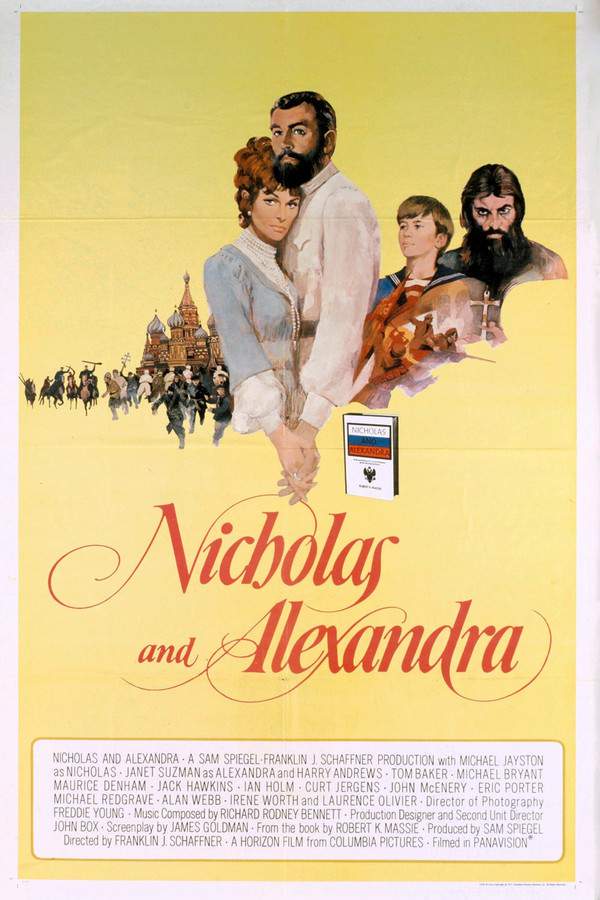


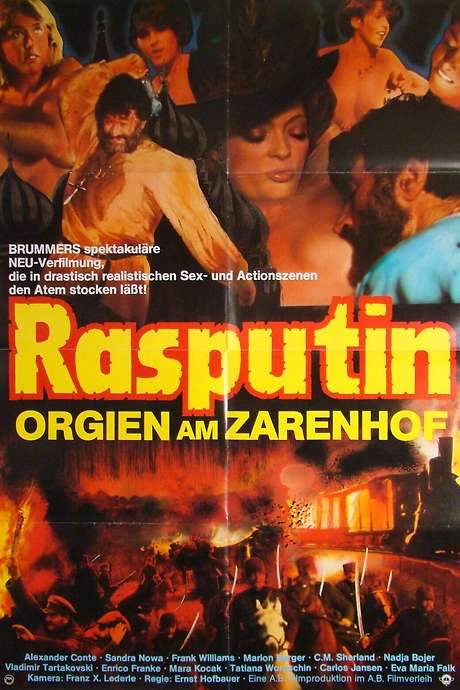


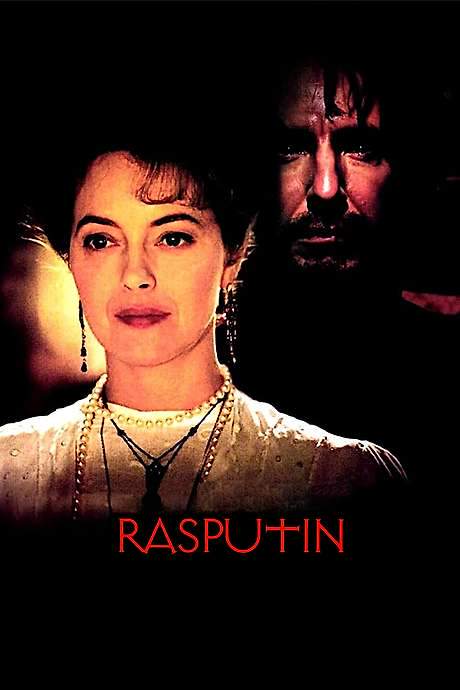
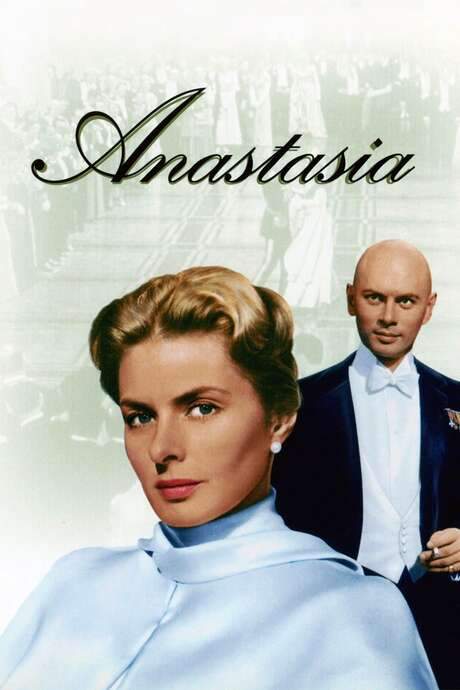
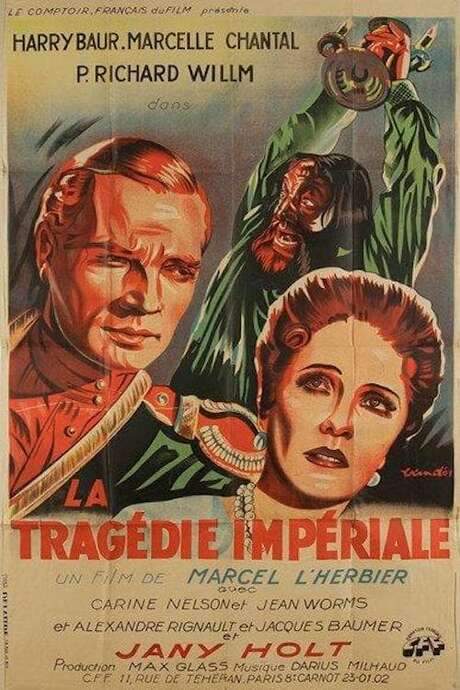


Quick Links: Summary, Cast, Ratings, More

What's After the Movie?
Not sure whether to stay after the credits? Find out!
Check out our other apps:

SAT Sphere
Build confidence for the Digital SAT.

Mori Atlas
Discover wild places worth protecting.

Luntero
Search smarter for a home in Amsterdam.

Plot Explained
Unravel movie endings and hidden clues.

Pokechamp
Dive into Pokémon data and battle logic.

Driving Theory
Get ready for your European theory test.

Movie Dust
Plan your next cinema trip with ease.

Musemap
Find art and culture as you travel.

Selkobase
Compare credentials before committing.

Local Manual
Turn an unfamiliar country into practical next steps.

Lernavi
Compare school systems before your next move.

GymRoam
Find a workout stop wherever your plans take you.
Explore Our Movie Platform
New Movie Releases (2026)
Famous Movie Actors
Top Film Production Studios
Movie Plot Summaries & Endings
Major Movie Awards & Winners
Best Concert Films & Music Documentaries
Movie Collections and Curated Lists
© 2026 What's After the Movie. All rights reserved.
Privacy Policy