Potiche 2011

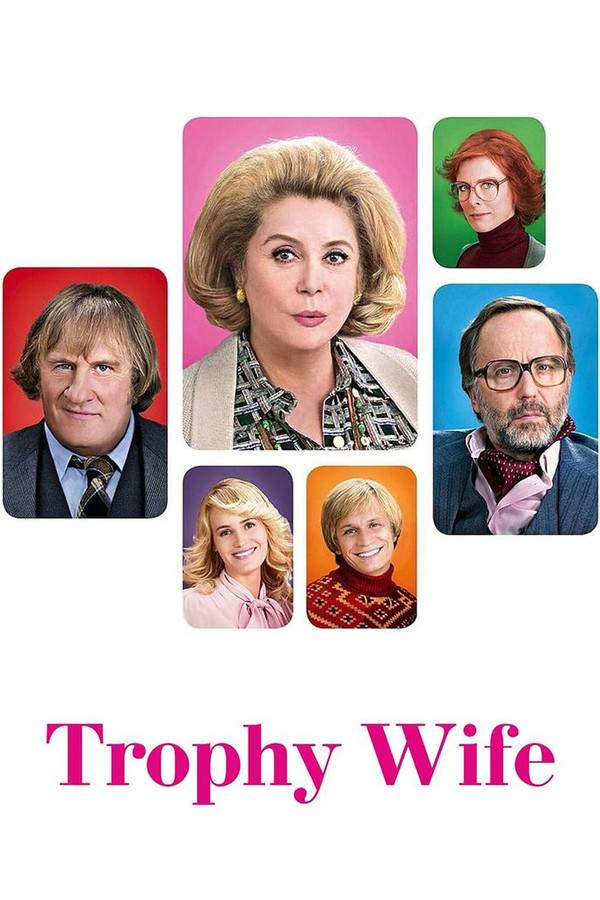
In 1977 France, Suzanne Pujol is a trophy wife whose life revolves around her husband's strict rules. When his umbrella factory is struck by workers, Suzanne unexpectedly finds herself in charge. She embraces the challenge, shedding her repressed nature and gaining the admiration of the employees while discovering a sense of independence. However, her newfound freedom is threatened when her husband returns from vacation, determined to regain control.

Does Potiche have end credit scenes?
No!
Potiche does not have end credit scenes. You can leave when the credits roll.
Where to Watch Potiche
See current US streaming, rental, and purchase options for Potiche (2011) via JustWatch.


Streaming availability powered by 
Meet the Full Cast and Actors of Potiche
Explore the complete cast of Potiche, including both lead and supporting actors. Learn who plays each character, discover their past roles and achievements, and find out what makes this ensemble cast stand out in the world of film and television.
No actors found
External Links and Streaming Options
Discover where to watch Potiche online, including streaming platforms, rental options, and official sources. Compare reviews, ratings, and in-depth movie information across sites like IMDb, TMDb, Wikipedia or Rotten Tomatoes.









Ratings and Reviews for Potiche
See how Potiche is rated across major platforms like IMDb, Metacritic, and TMDb. Compare audience scores and critic reviews to understand where Potiche stands among top-rated movies in its genre.

68
Metascore
6.0
User Score


84%
TOMATOMETER

61%
User Score

6.4 /10
IMDb Rating

61
%
User Score

3.3
From 1 fan rating

5.00/5
From 2 fan ratings
Take the Ultimate Potiche Movie Quiz
Challenge your knowledge of Potiche with this fun and interactive movie quiz. Test yourself on key plot points, iconic characters, hidden details, and memorable moments to see how well you really know the film.
Potiche (2011) Quiz: Test your knowledge of the 2011 French film Potiche with these ten questions ranging from easy to challenging.
Who takes over the management of the umbrella factory after Robert is hospitalized?
Awards & Nominations for Potiche
Discover all the awards and nominations received by Potiche, from Oscars to film festival honors. Learn how Potiche and its cast and crew have been recognized by critics and the industry alike.

Full Plot Summary and Ending Explained for Potiche
Read the complete plot summary of Potiche, including all major events, twists, and the full ending explained in detail. Explore key characters, themes, hidden meanings, and everything you need to understand the story from beginning to end.
In 1977, in the fictional, sunlit corner of northern France known as Sainte-Gudule, Nord, the life of Suzanne Pujol unfolds behind the gates of a prominent umbrella factory. She is presented as a devoted, though ultimately constrained, wife to Robert, the domineering president who wields his position with a mix of bluster and charm. Robert’s reputation for patronizing those around him—most pointedly Suzanne—belies a fragility underneath his commanding exterior. His affair with his secretary, Nadège, creates a fault line at home, where Suzanne and Robert are also raising two adult children with very different temperaments. Their daughter, Joëlle, embodies conservatism as the wife of a globe-trotting businessman and mother of two, while their son, Laurent, leans toward liberal ideas and artistic sensibilities as a student with his eye on more expansive horizons.
When the factory’s workers walk off the job in a demand for better conditions, the sudden crisis forces Robert into a confrontation he cannot simply command away. He is taken hostage, a development that shakes the family’s already fragile balance. That night, Suzanne seeks counsel from Maurice Babin, the town’s Communist mayor and a former union leader with whom she once shared a younger, more hopeful relationship. Babin urges Suzanne to assume leadership in Robert’s stead, arguing that careful diplomacy could secure the workers’ trust and bring production back to life. The next day, Robert’s heart gives way to a hospital bed, and the power pivot in Sainte-Gudule shifts decisively toward Suzanne.
With Babin’s guidance, Suzanne steps into management and crafts a strategy that blends respect with firmness. She reaches out to the factory workers, listening to their concerns and guiding them toward a renewed sense of purpose. Under her watch, production resumes, and the plant begins to show gains not only in output but in morale. Suzanne brings the family into the operation as well, entrusting Laurent with design duties that reinterpret the classic umbrella pattern through the lens of Kandinsky’s abstract art, a choice that signals both innovation and a break from the old ways. The business begins to prosper, and the atmosphere at the factory starts to reflect what many had imagined possible under Suzanne’s steadier hand.
Yet the path forward remains tangled in personal loyalties. A nightclub visit with Babin leads to a moment of closeness—an emotional hint of what might have been—though Suzanne insists that their relationship remain rooted in friendship. She emphasizes that she is not seeking a return to the old dynamic but acknowledges the value of having Babin as an ally. When Robert recovers and seeks to reclaim control, Suzanne reveals that she now holds the majority of the company’s shares, a revelation that redefines the power balance within the family and the town.
Nadège, who had been entwined with Robert, ends the affair and aligns with Suzanne, recognizing a mutual respect that had been missing in the marriage. The couple’s past becomes a lens through which Suzanne assesses the present, including the delicate, troubling disclosures about lineage. When Robert hints that Laurent might be his son, Suzanne counters with a revelation of her own infidelity in their early marriage, suggesting that the question of paternity is far from settled. The tension peaks when Joëlle presents Suzanne with a locket containing photos of her and Babin, prompting a confrontation that forces Babin to confront a troubling possibility: if Laurent were truly Babin’s son, it would complicate the political and familial loyalties at stake. The drive to a lake, where Suzanne offers a candid clarification that Laurent is not Babin’s son, leaves Babin disappointed and alone, a reminder of the enduring ambiguity that shadows their lives.
A boardroom showdown soon follows. Joëlle, wielding her own strategic instincts, transfers her shares to Robert, pushing Suzanne out of day-to-day control. The cost of this maneuver becomes clear when Joëlle confesses that Robert promised to hire her husband in exchange for her votes—an arrangement rooted in the fear of an unstable future as she faces another pregnancy. This revelation reinforces the sense that power in Sainte-Gudule is always negotiated, never freely given.
Time passes, and Suzanne’s life takes a decisive turn. The divorce from Robert looms, though the couple continues to share a living space that echoes their complicated history. Seizing the moment of her independence, Suzanne turns her attention to public life, stepping into politics with a bold, independent bid for mayor against Babin. The race culminates in a new chapter: Suzanne is elected as a deputy, a victory that marks both personal triumph and a redefinition of her role in the town’s leadership, while Babin remains a prominent presence as mayor. In this arc, Suzanne’s journey from a constrained wife to a capable, forward-looking leader embodies a nuanced arc of empowerment, resilience, and the enduring complexity of family, power, and ambition.

Coming soon on iOS and Android
The Plot Explained Mobile App
From blockbusters to hidden gems — dive into movie stories anytime, anywhere. Save your favorites, discover plots faster, and never miss a twist again.
Sign up to be the first to know when we launch. Your email stays private — always.
Explore the mobile appWatch Trailers, Clips & Behind-the-Scenes for Potiche
Watch official trailers, exclusive clips, cast interviews, and behind-the-scenes footage from Potiche. Dive deeper into the making of the film, its standout moments, and key production insights.
Cars Featured in Potiche
Explore all cars featured in Potiche, including their makes, models, scenes they appear in, and their significance to the plot. A must-read for car enthusiasts and movie buffs alike.
Potiche Themes and Keywords
Discover the central themes, ideas, and keywords that define the movie’s story, tone, and message. Analyze the film’s deeper meanings, genre influences, and recurring concepts.
Potiche Other Names and Titles
Explore the various alternative titles, translations, and other names used for Potiche across different regions and languages. Understand how the film is marketed and recognized worldwide.
Similar Movies To Potiche You Should Know About
Browse a curated list of movies similar in genre, tone, characters, or story structure. Discover new titles like the one you're watching, perfect for fans of related plots, vibes, or cinematic styles.




-Ar09hR3mnU_8Ng.jpg)

Quick Links: Summary, Cast, Ratings, More

What's After the Movie?
Not sure whether to stay after the credits? Find out!
Check out our other apps:

SAT Sphere
Build confidence for the Digital SAT.

Mori Atlas
Discover wild places worth protecting.

Luntero
Search smarter for a home in Amsterdam.

Plot Explained
Unravel movie endings and hidden clues.

Pokechamp
Dive into Pokémon data and battle logic.

Driving Theory
Get ready for your European theory test.

Movie Dust
Plan your next cinema trip with ease.

Musemap
Find art and culture as you travel.

Selkobase
Compare credentials before committing.

Local Manual
Turn an unfamiliar country into practical next steps.

Lernavi
Compare school systems before your next move.

GymRoam
Find a workout stop wherever your plans take you.
Explore Our Movie Platform
New Movie Releases (2026)
Famous Movie Actors
Top Film Production Studios
Movie Plot Summaries & Endings
Major Movie Awards & Winners
Best Concert Films & Music Documentaries
Movie Collections and Curated Lists
© 2026 What's After the Movie. All rights reserved.
Privacy Policy